fr
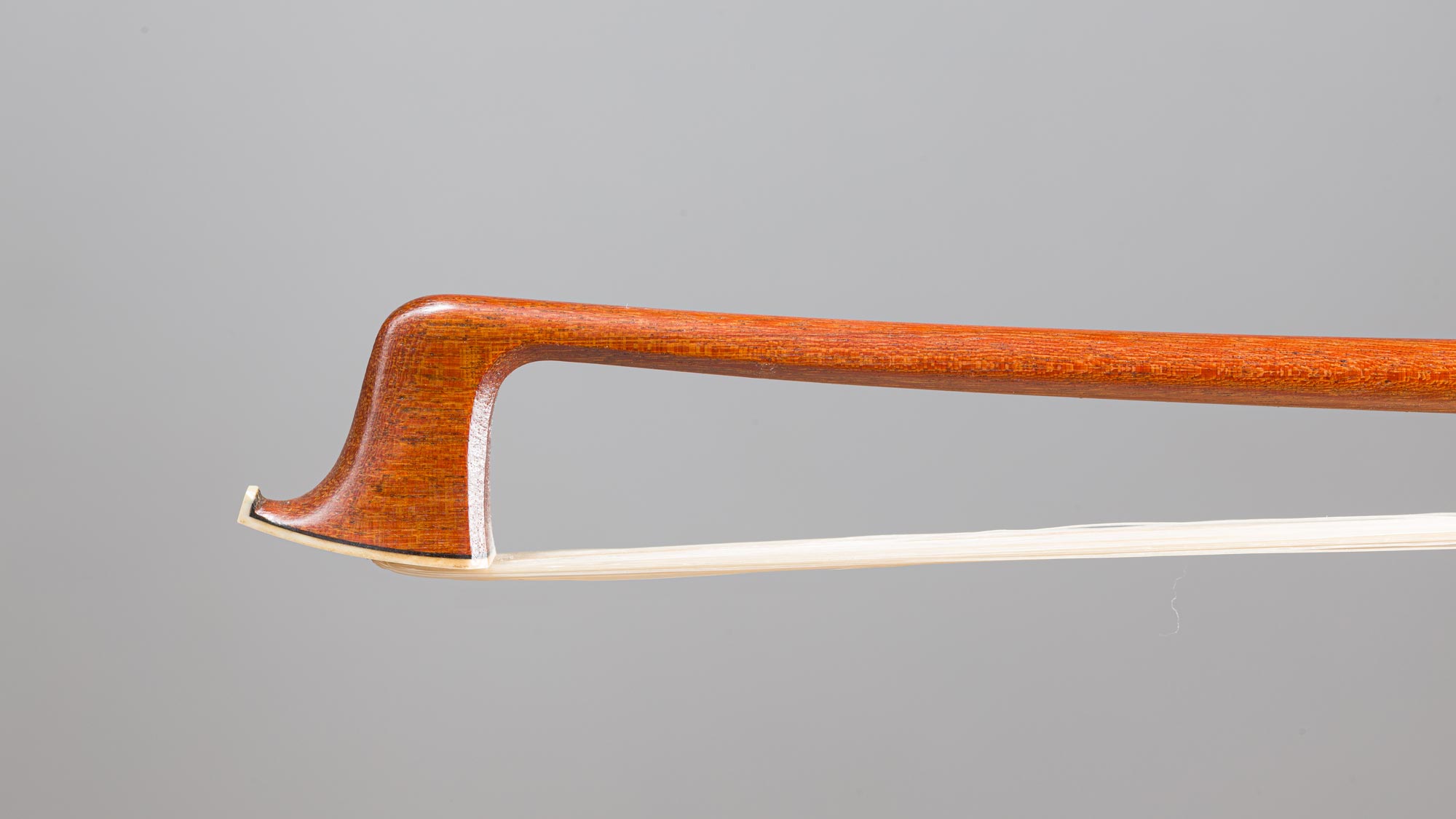
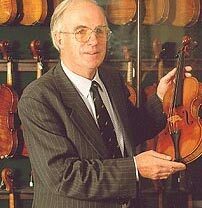
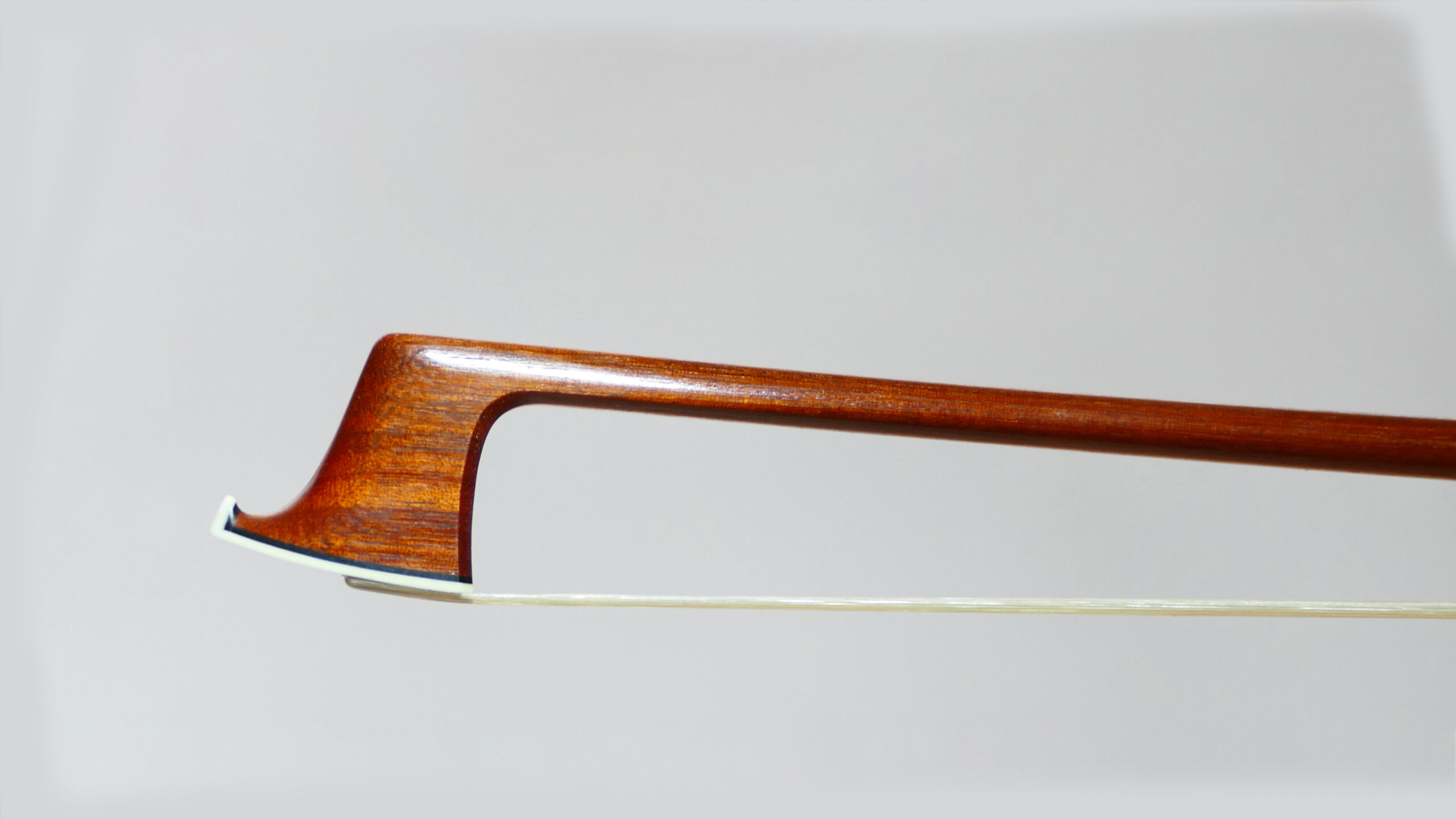
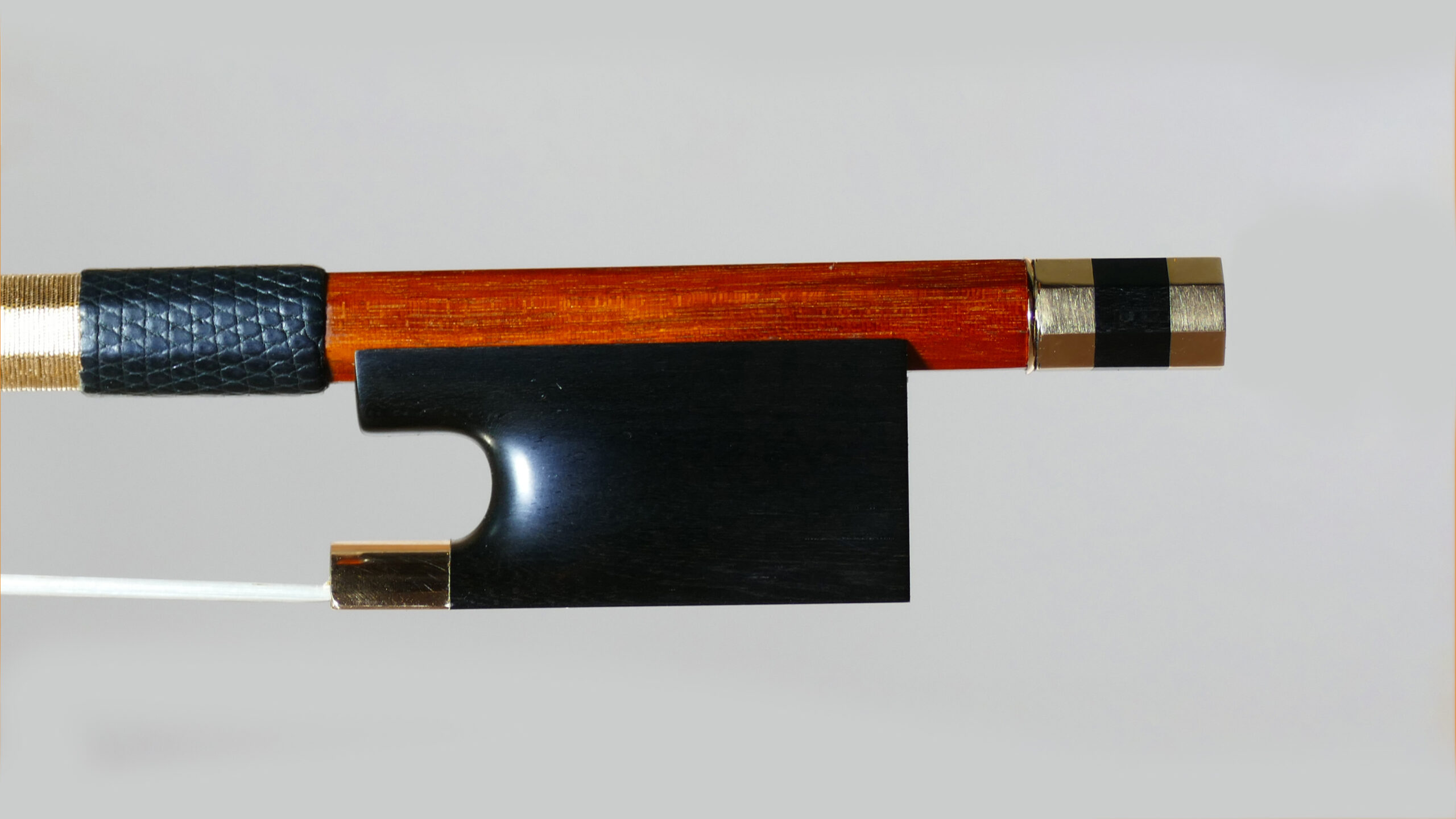
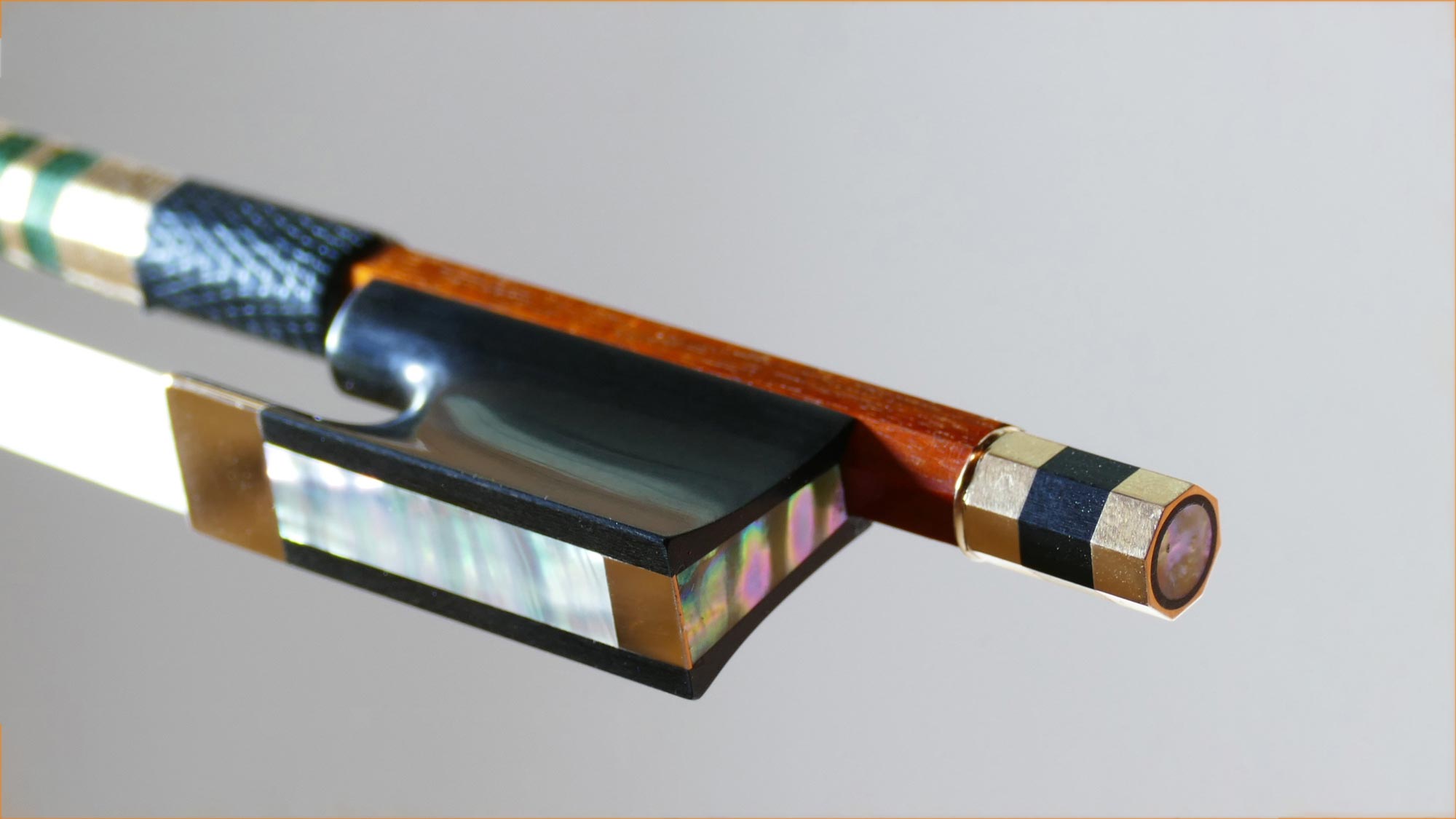
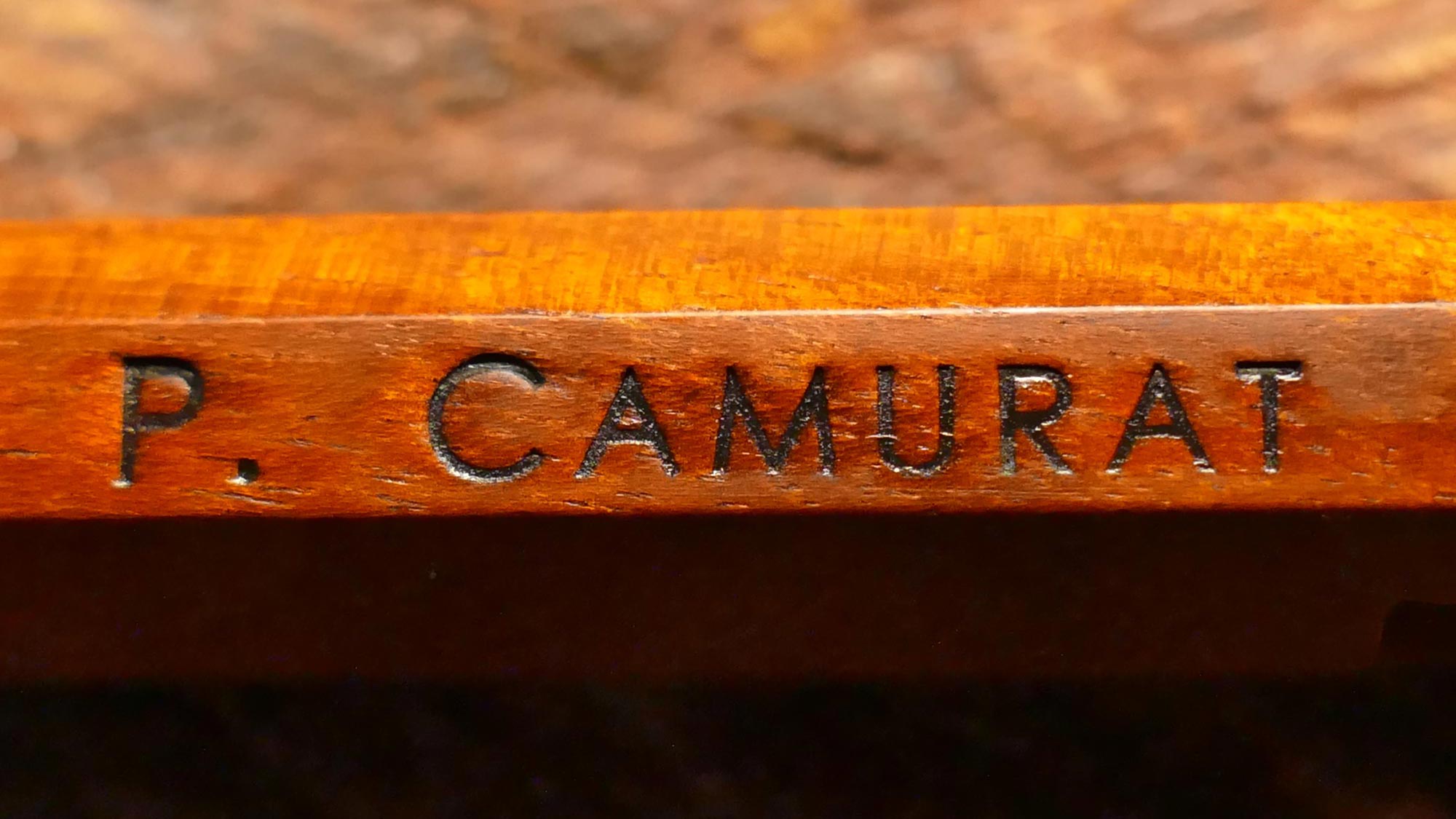
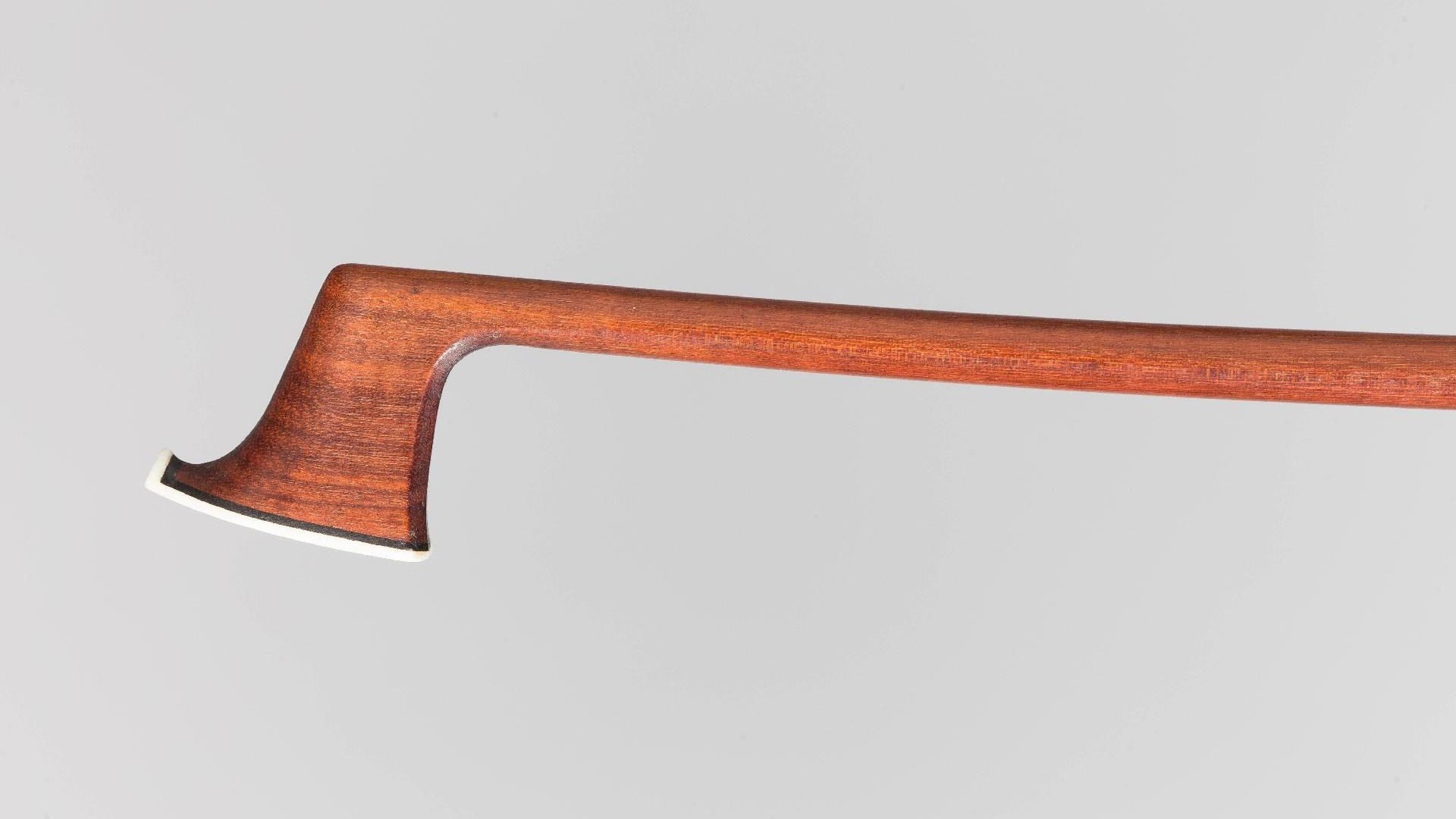
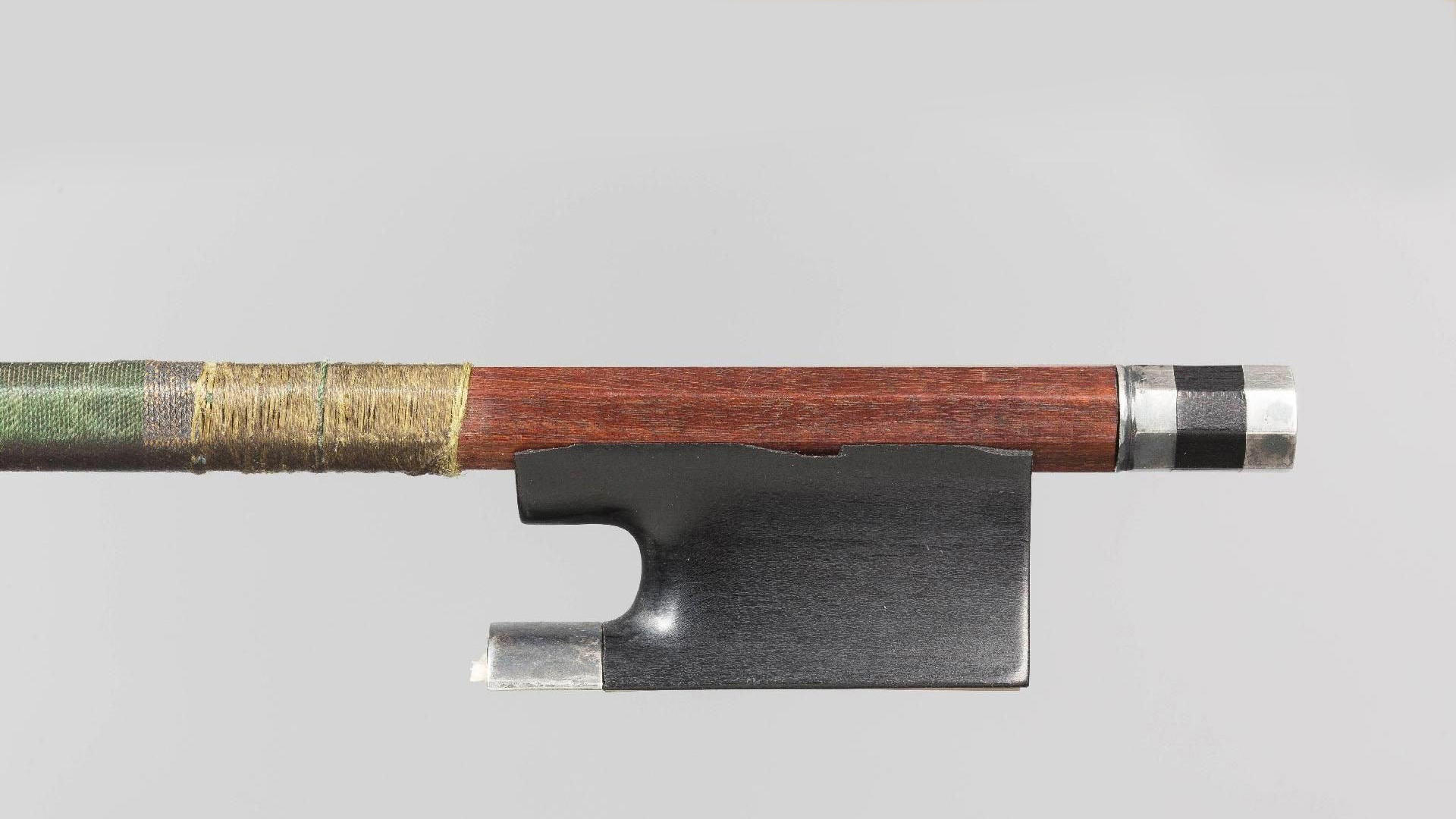
À l’occasion de la vente du 4 décembre 2025, Vichy Enchères présente deux archets de Pascal Camurat, figure reconnue de la génération d’archetiers français formés dans la continuité de la grande tradition de Mirecourt. Issu de l’enseignement transmis par Stéphane Thomachot, lui-même élève de Bernard Ouchard, Pascal Camurat appartient à ce courant qui, depuis les années 1980, a renouvelé la facture de l’archet français tout en préservant son exigence et sa rigueur. Redécouvrez sans plus tarder cet archetier, à la lumière de certains de ses propos recueillis par Vichy Enchères.
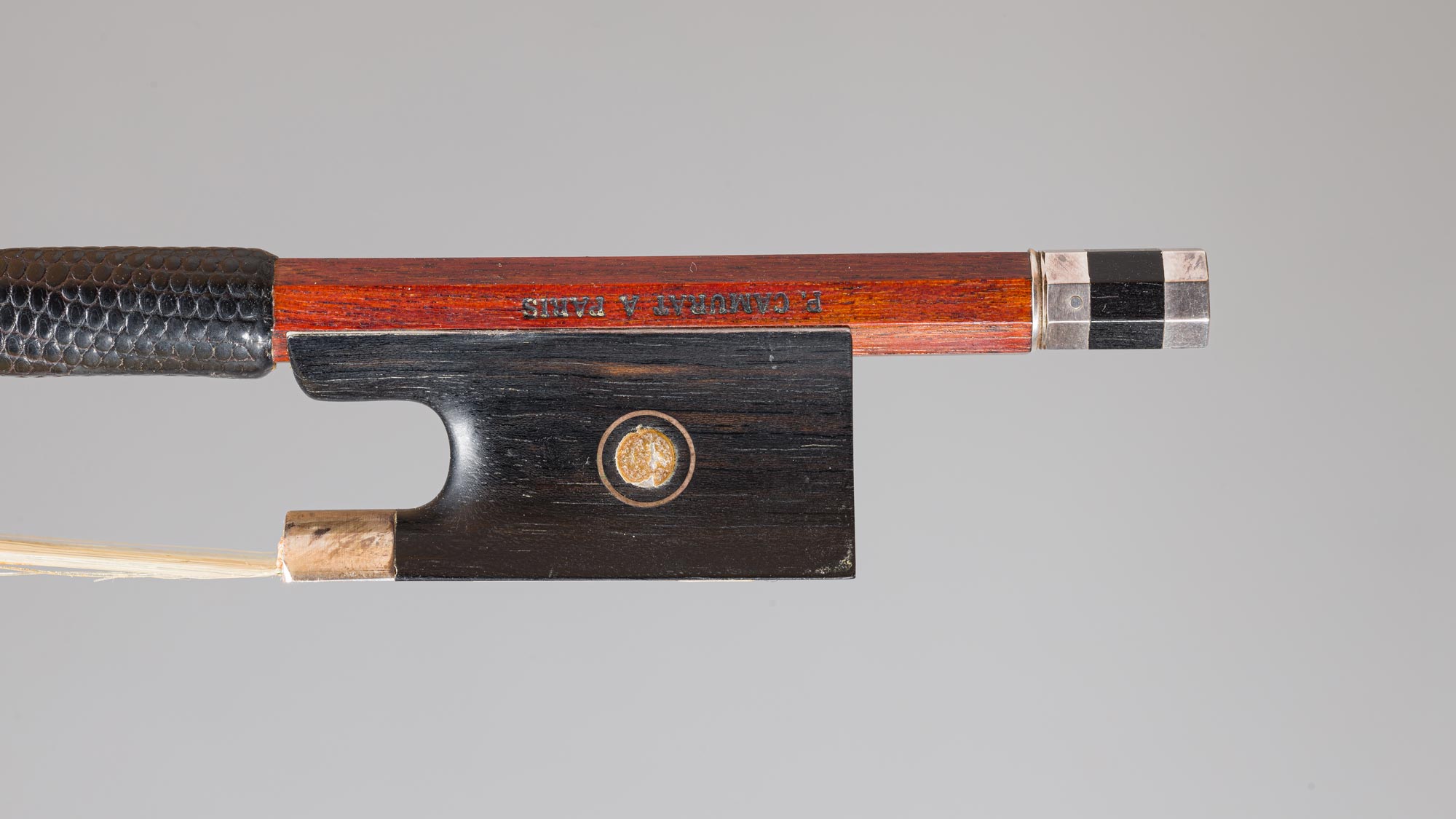
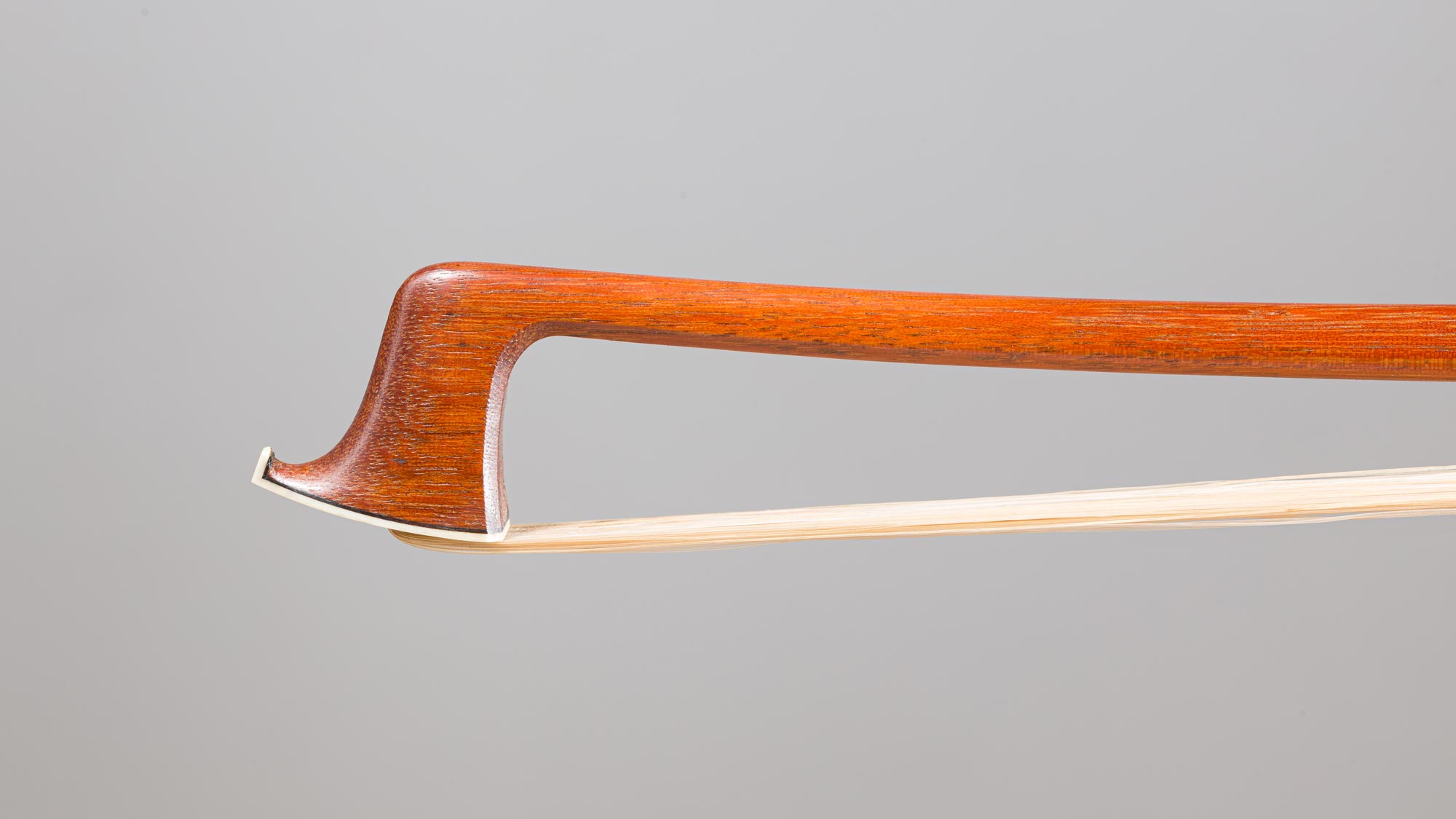
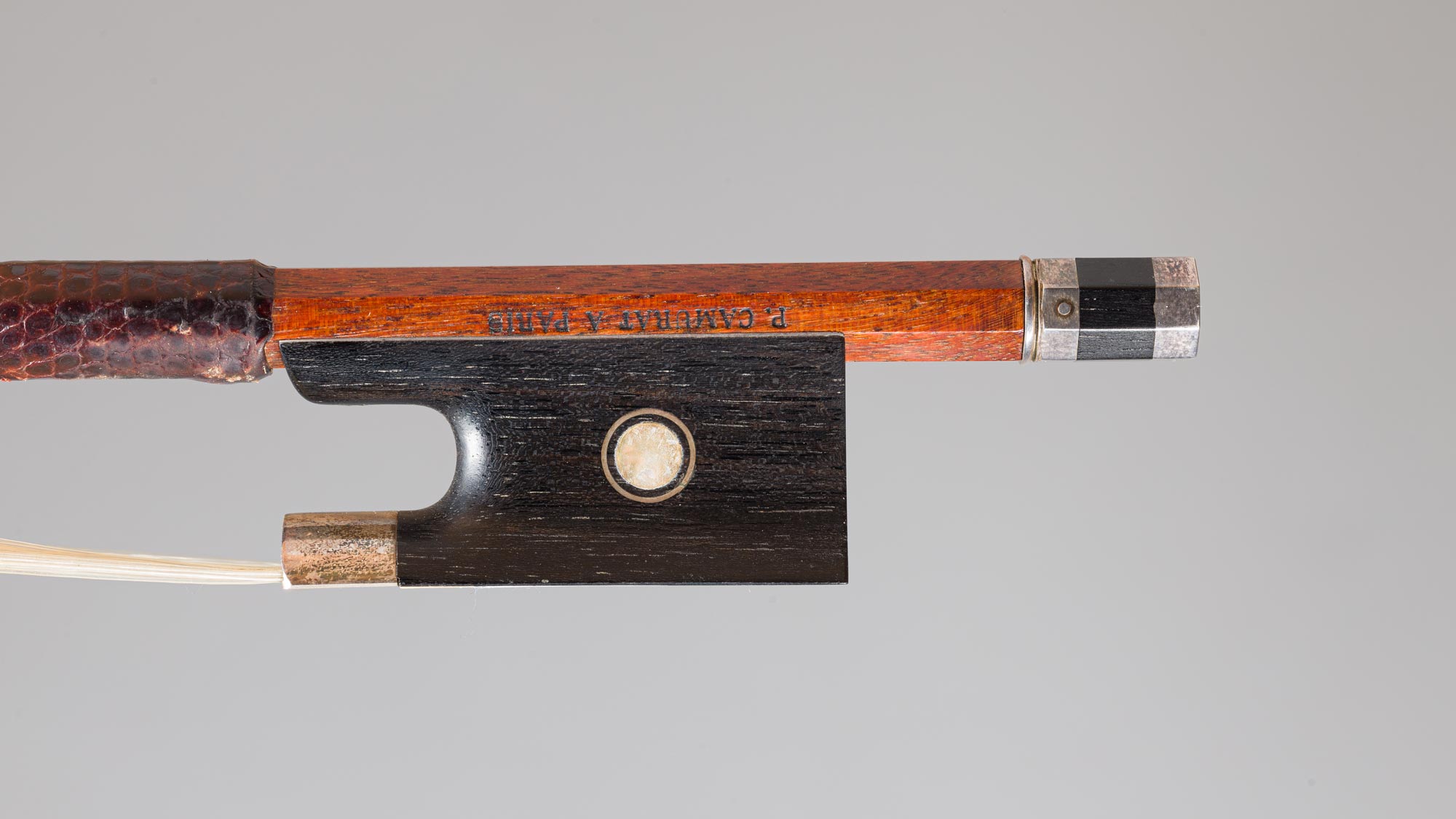
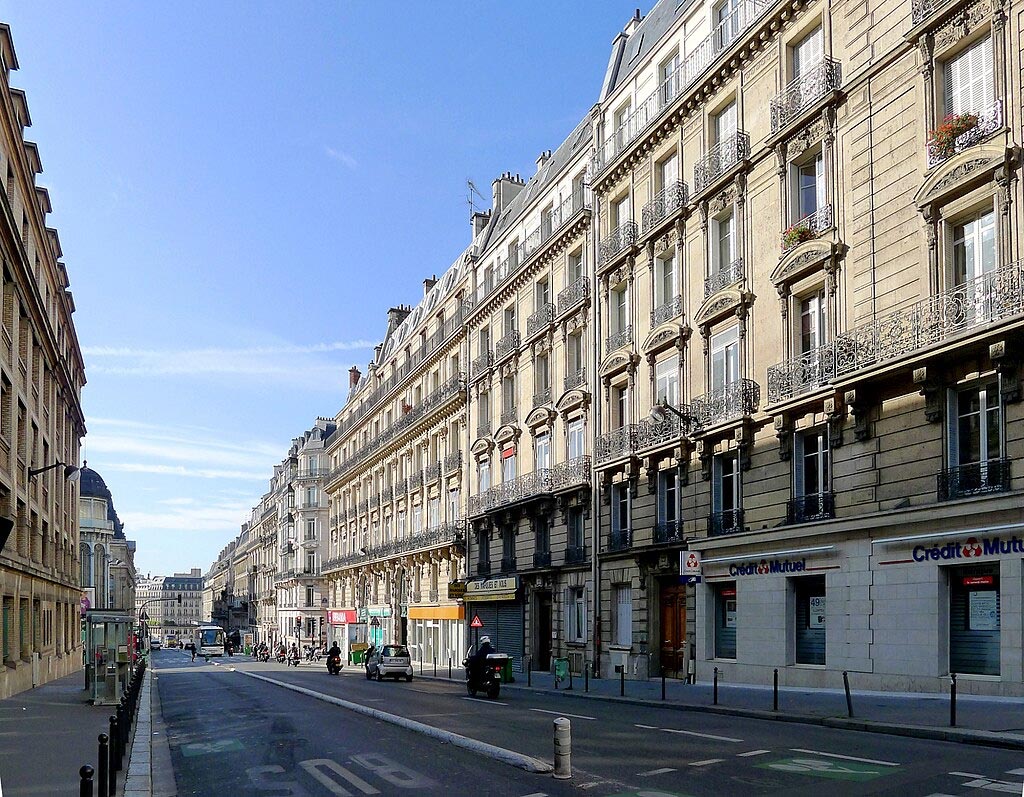
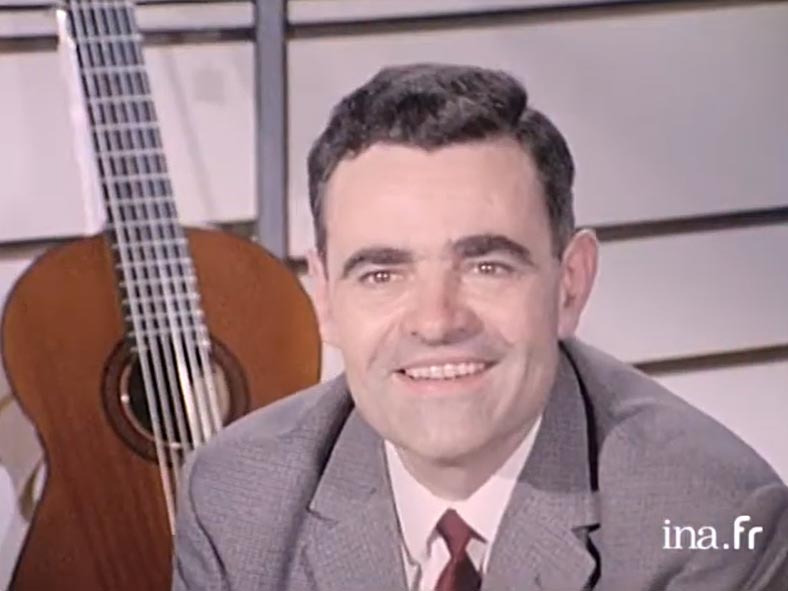
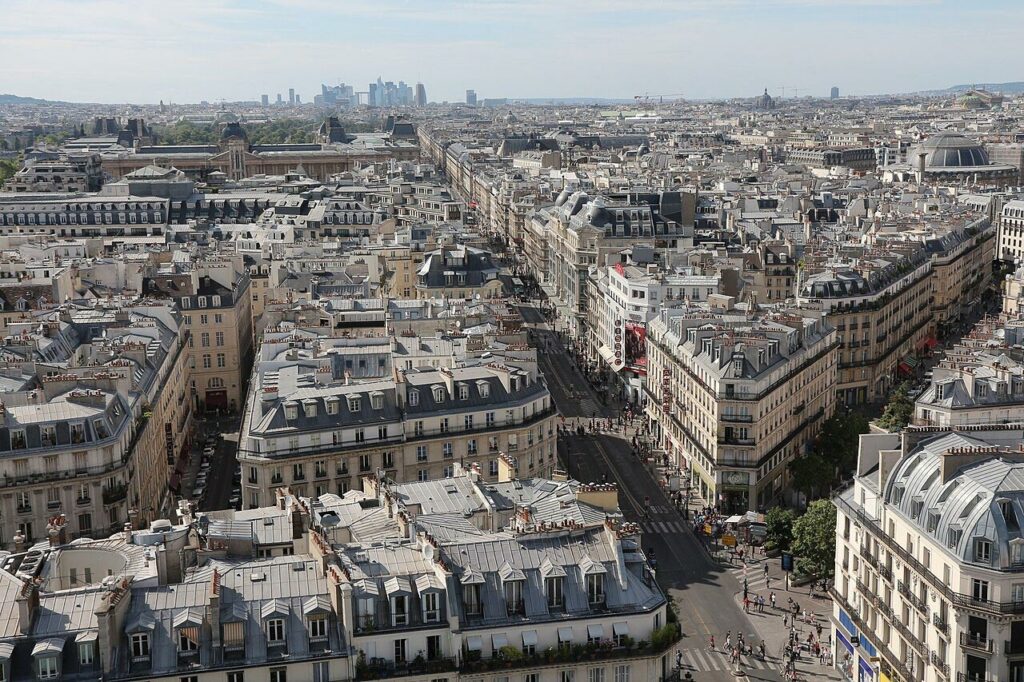
Fils du luthier Jacques Camurat (1927-2016), Pascal Camurat grandit dans l’atelier familial du 49 rue de Rome – adresse emblématique de la lutherie parisienne.
Ce quartier, situé à proximité du Conservatoire national supérieur de musique et de la gare Saint-Lazare, rassemble depuis la fin du XIXe siècle la majorité des ateliers et marchands d’instruments à cordes de la capitale. Des générations de musiciens s’y rendent pour faire régler ou restaurer leurs instruments.
L’atelier fondé par Jacques Camurat en 1956 y jouit d’une solide réputation, à la fois pour ses restaurations et pour la qualité de ses instruments neufs. C’est dans ce contexte que Pascal Camurat baigne, dès l’enfance, dans le monde de la lutherie et de la musique.
“Le métier de luthier s’est présenté à moi par mon père, et il correspondait parfaitement à mon besoin de fabriquer des objets en tout genre dès mon plus jeune âge. L’univers de la lutherie était parfaitement adapté pour éveiller ma curiosité.”
Entretien avec Pascal Camurat, novembre 2025
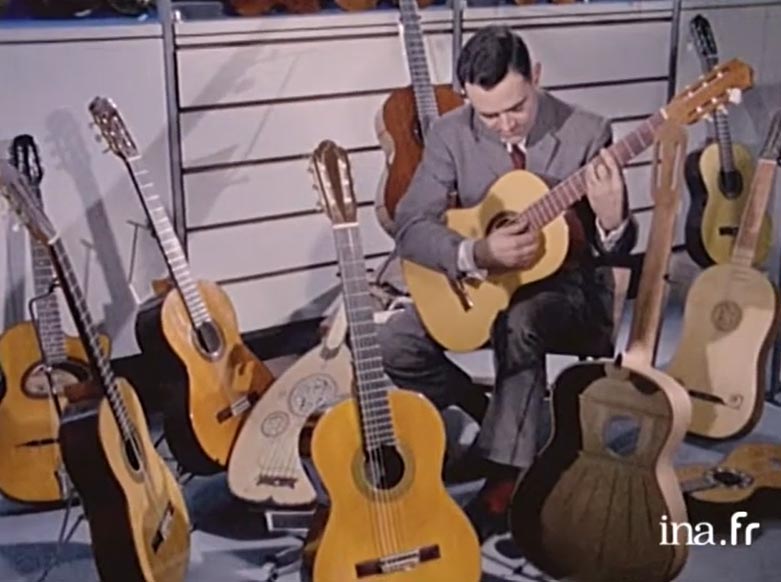
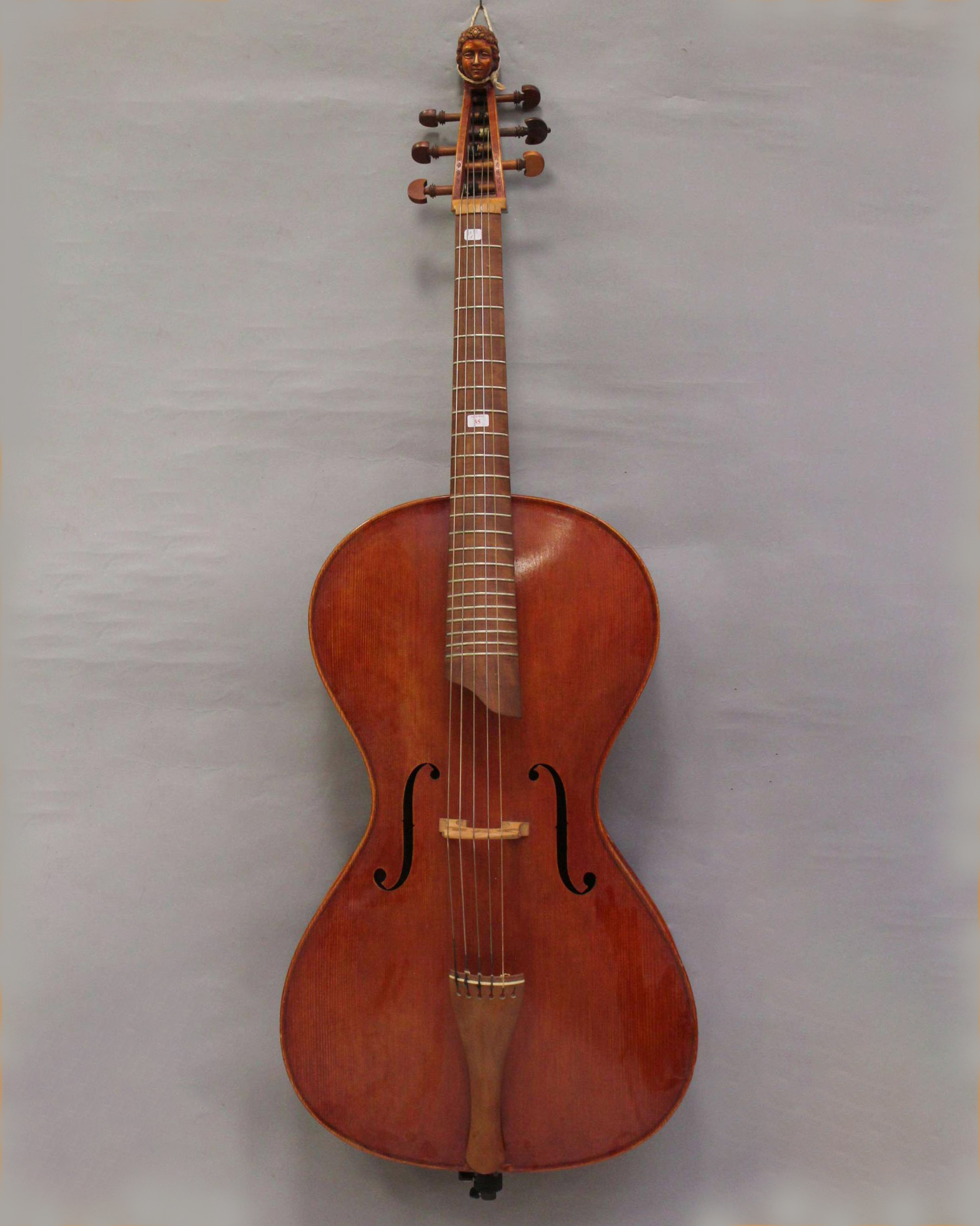
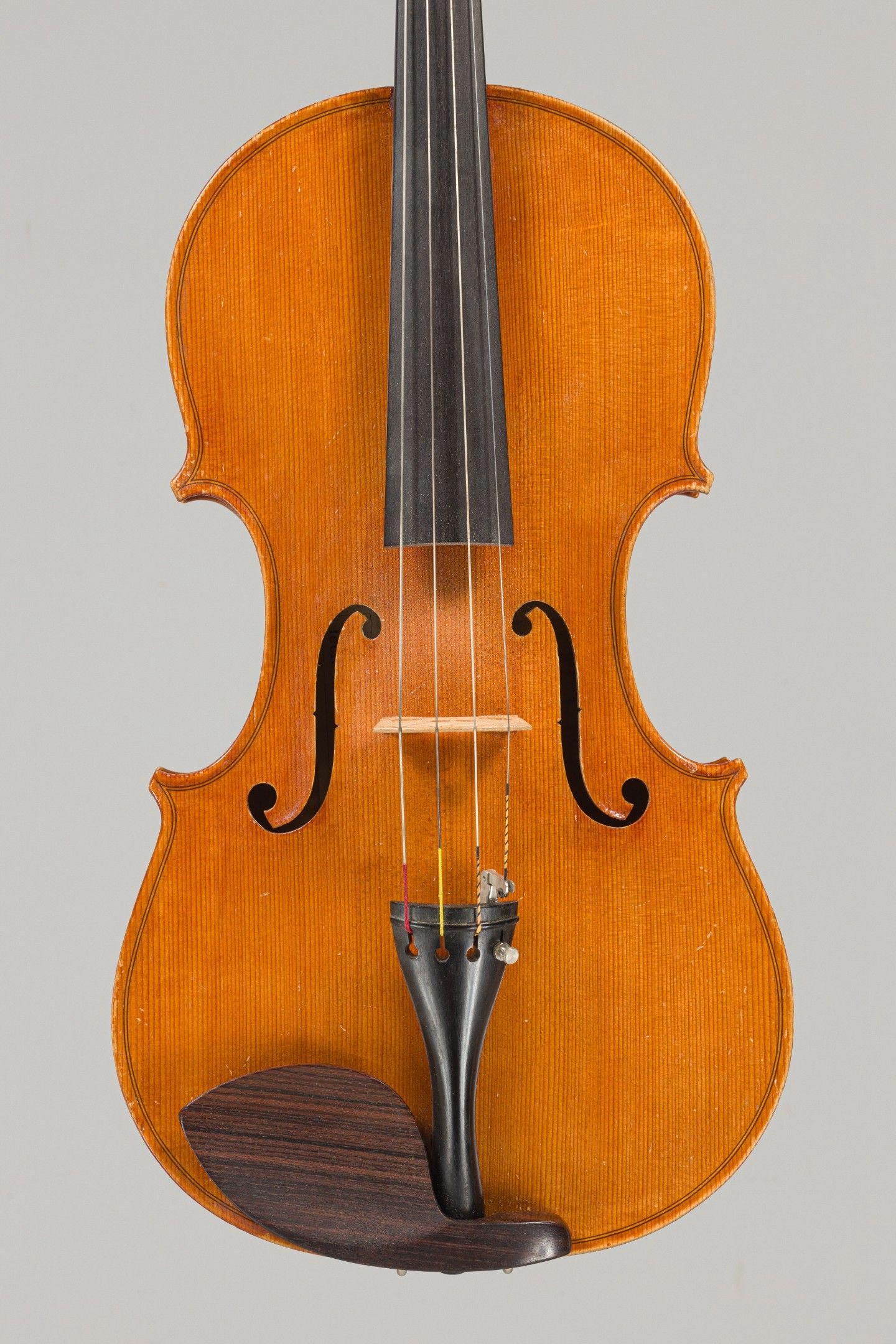
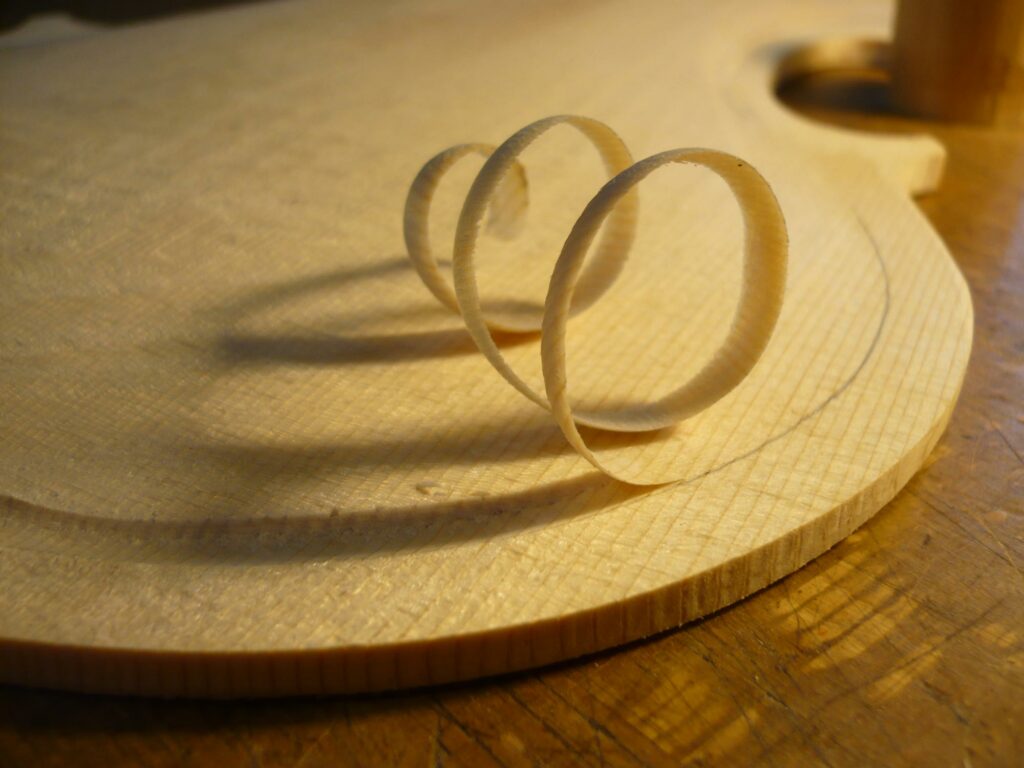
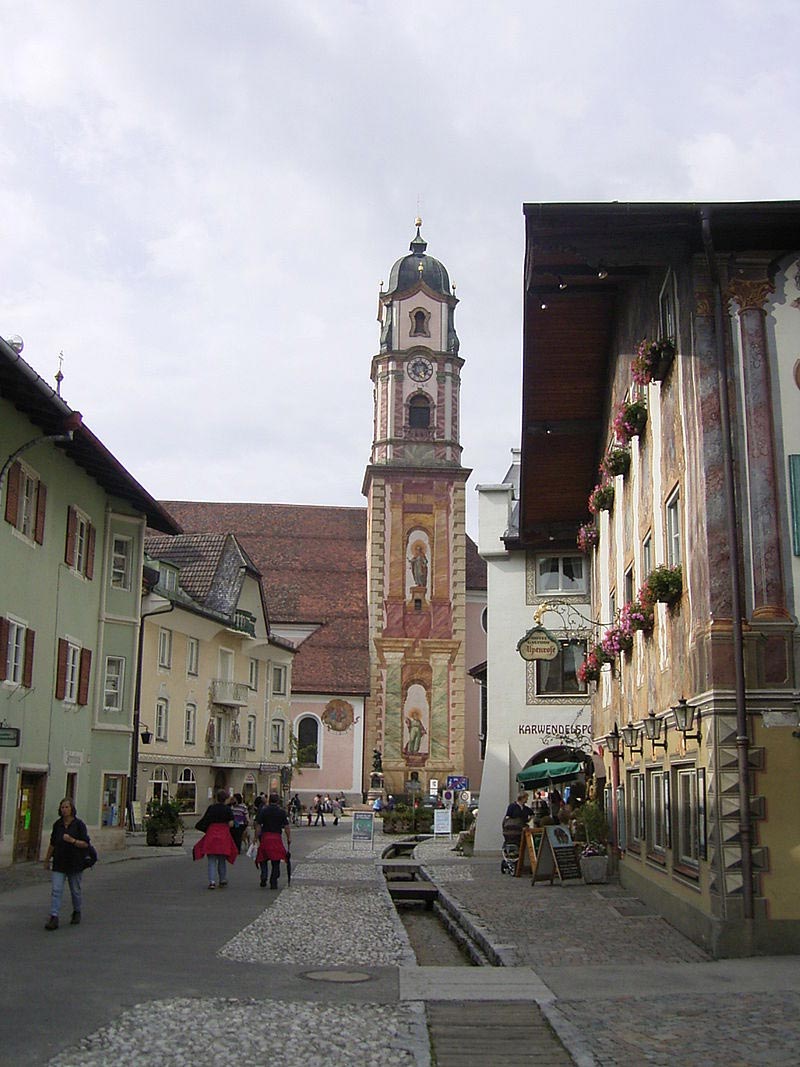
À la fin des années 1970, Pascal Camurat intègre l’école de lutherie de Mittenwald, fondée en 1858 et considérée comme l’un des grands centres européens d’enseignement de la facture instrumentale. Sous la direction de son maître Roland Sandner, il suit une formation complète en lutherie. Diplômé en 1983, Pascal Camurat conserve de ces années de formation un savoir-faire et une discipline de travail encore à l’œuvre aujourd’hui. Comme il nous le confie humblement :
“Roland Sandner m’a marqué à vie.”
Entretien avec Pascal Camurat, novembre 2025
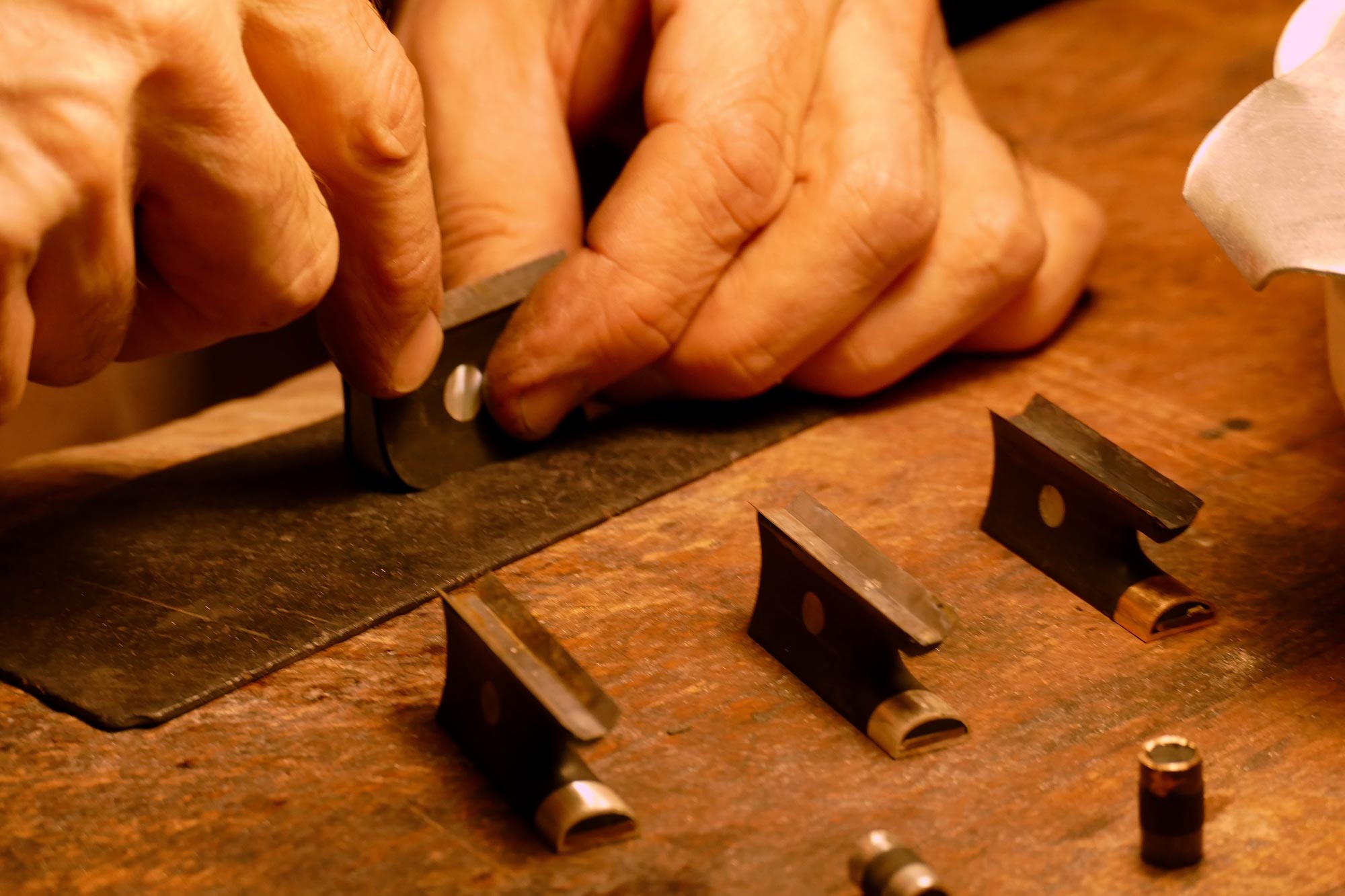
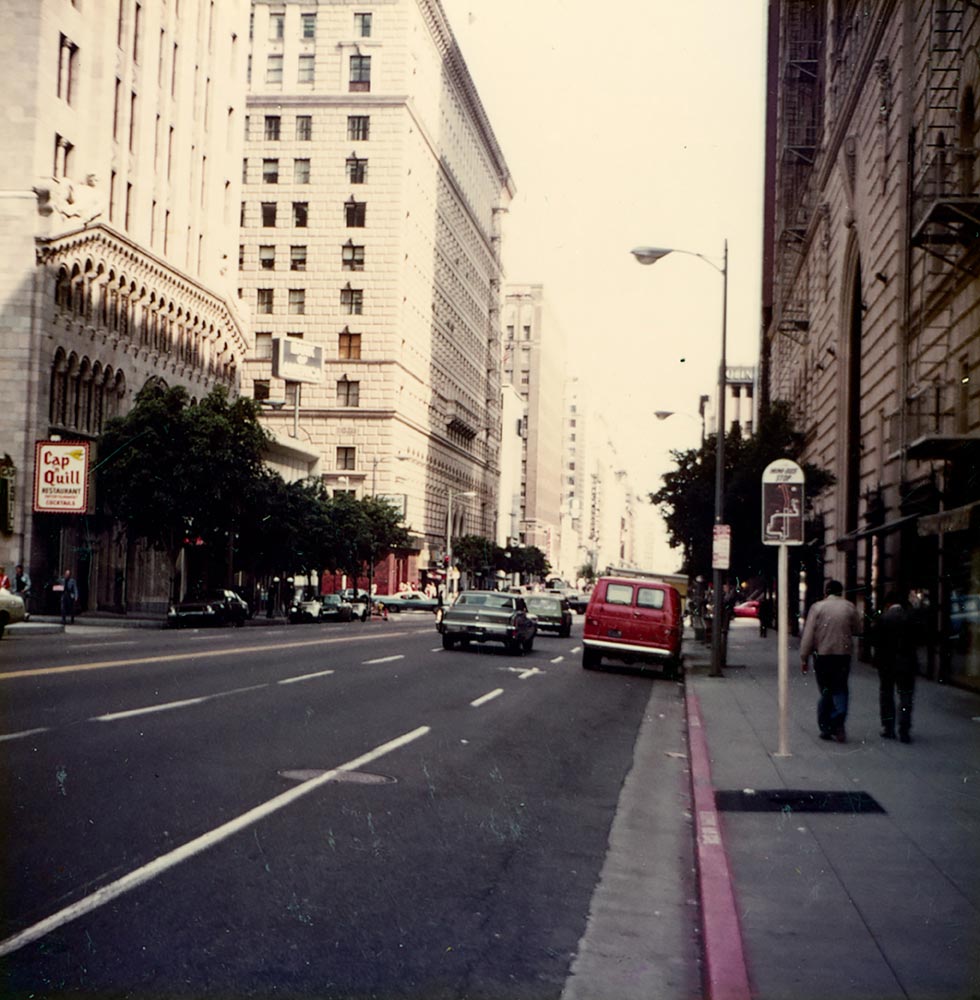
Après Mittenwald, Pascal Camurat rejoint son frère Bernard – lui-même élève de Jean Eulry de Mirecourt – à Los Angeles, où celui-ci travaille déjà dans l’atelier de Hans Weisshaar.
Né en Allemagne et formé à Markneukirchen, Weisshaar s’était installé en Californie après la Seconde Guerre mondiale et son atelier était devenu une référence internationale en matière de restauration d’instruments à cordes.
Dans ce contexte, Pascal Camurat découvre la diversité des pratiques et des exigences des musiciens. C’est là qu’il rencontre Paul Siefried, archetier américain formé par William Salchow et considéré comme l’un des meilleurs de sa génération.
“Il m’a enseigné l’entretien des archets et m’a fait faire mon tout premier archet, que je détiens encore.”
Entretien avec Pascal Camurat, novembre 2025
Cette expérience américaine fut fondatrice puisqu’elle permit à Pascal Camurat de fabriquer son premier archet.
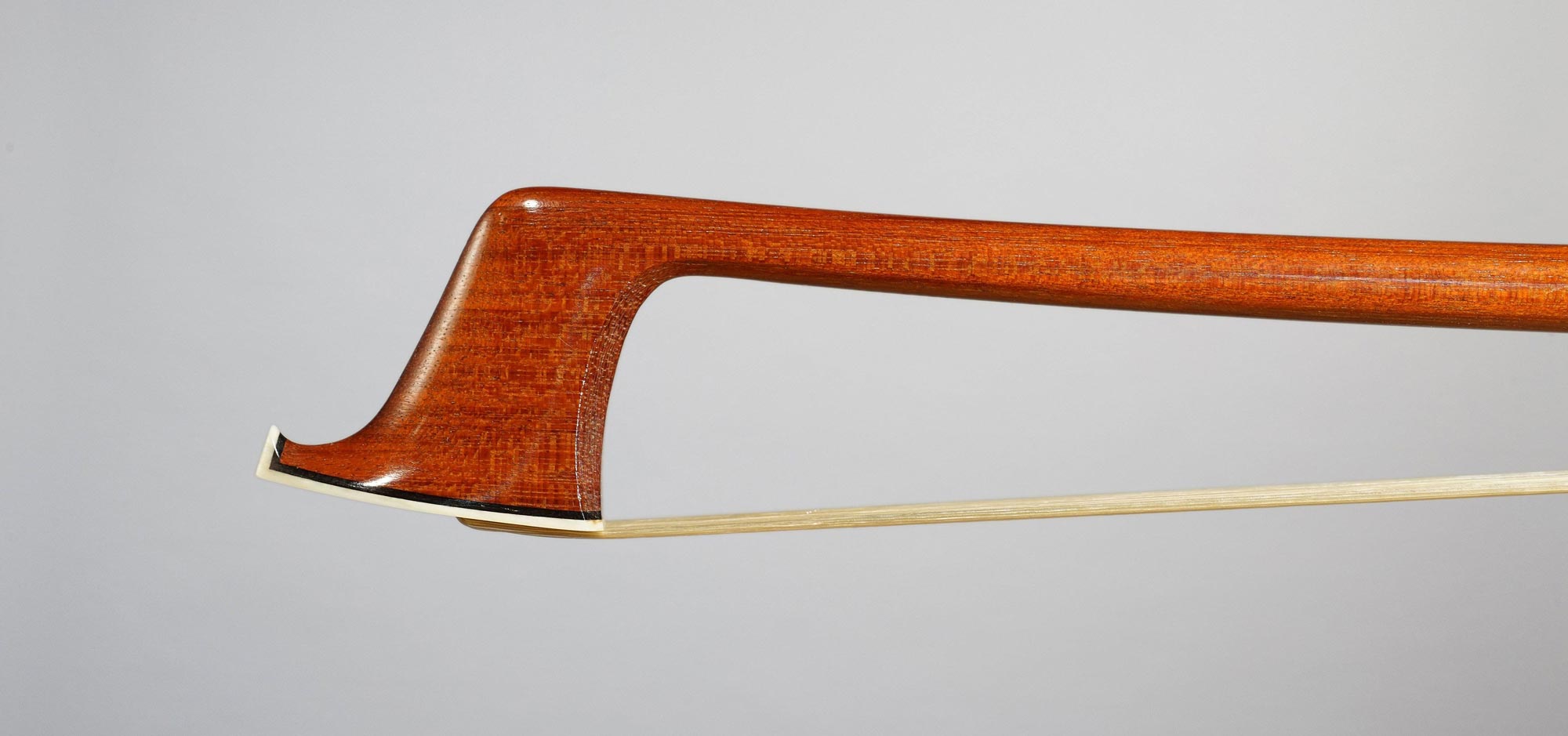
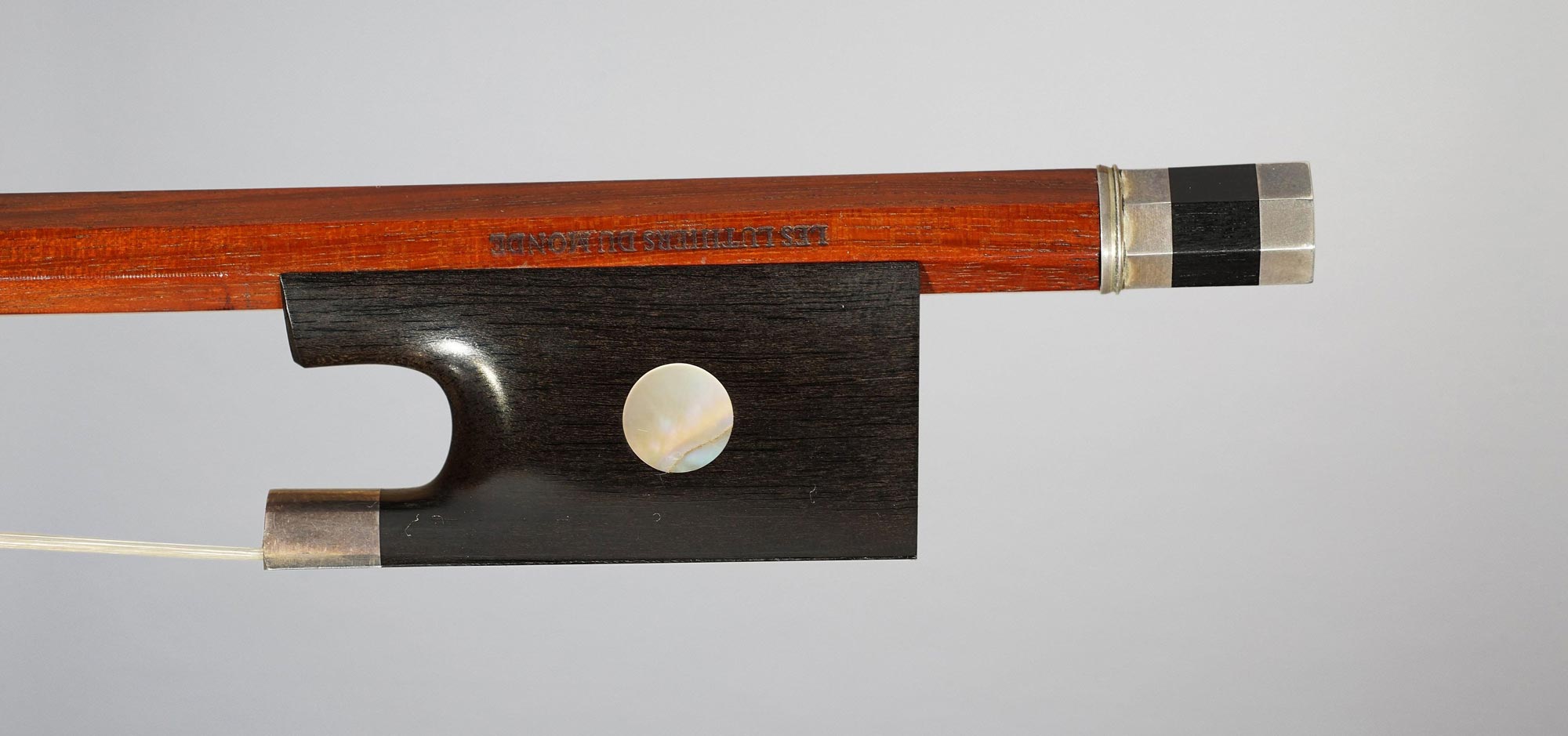
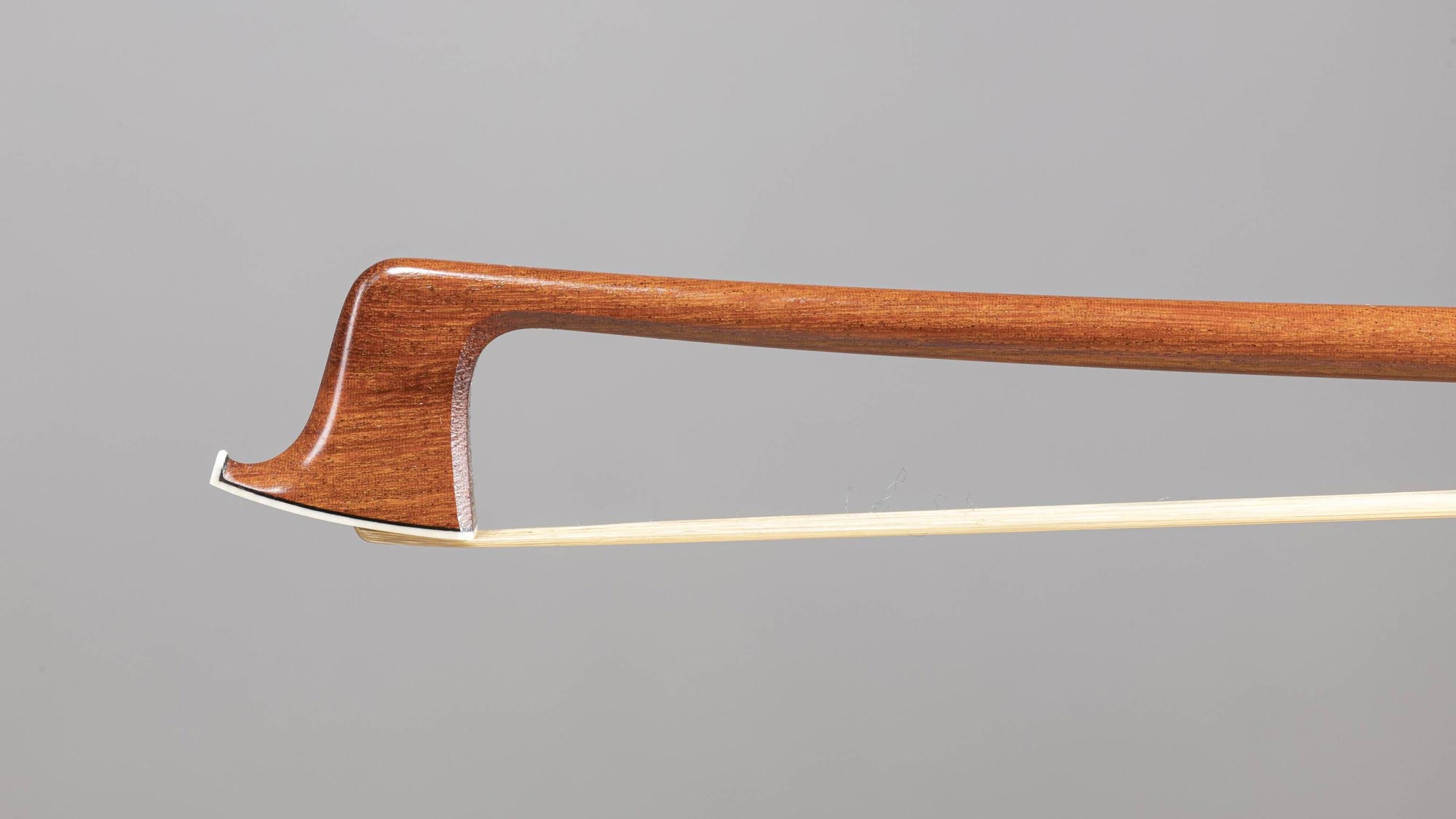
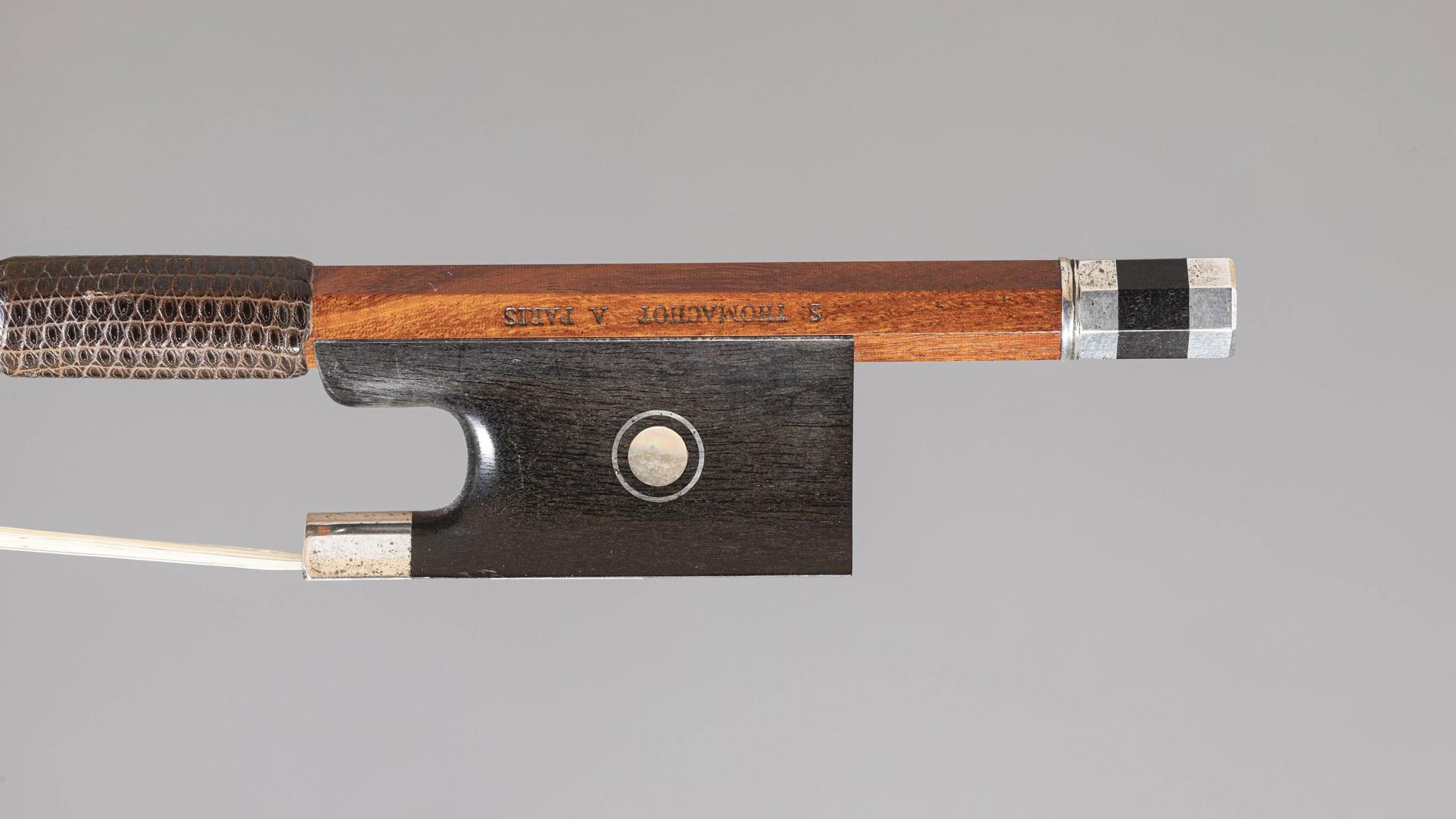
De retour à Paris, Pascal Camurat se perfectionne auprès de Stéphane Thomachot, figure centrale de l’archèterie française contemporaine. Ancien élève de Bernard Ouchard à Mirecourt, Stéphane Thomachot a joué un rôle déterminant dans la transmission du savoir-faire français depuis les années 1980. Pour Pascal Camurat, ce travail auprès de Thomachot fut essentiel et il estime que sans lui, il n’aurait :
“jamais pu approcher d’aussi près le savoir-faire d’excellence.”
Entretien avec Pascal Camurat, novembre 2025
Par la suite, il complète sa formation à Londres, dans l’atelier de Charles Beare – la célèbre institution fondée en 1892 – où il participe à la restauration d’instruments historiques et consolide son expérience au sein d’une équipe de spécialistes reconnus.
Il y travaille alors plusieurs mois, au contact de restaurateurs expérimentés tels que Peter Gibson. Ce passage chez Beare – rare pour un jeune luthier français – parachève une formation internationale fondée sur la précision et l’observation des grands maîtres, anciens et contemporains.

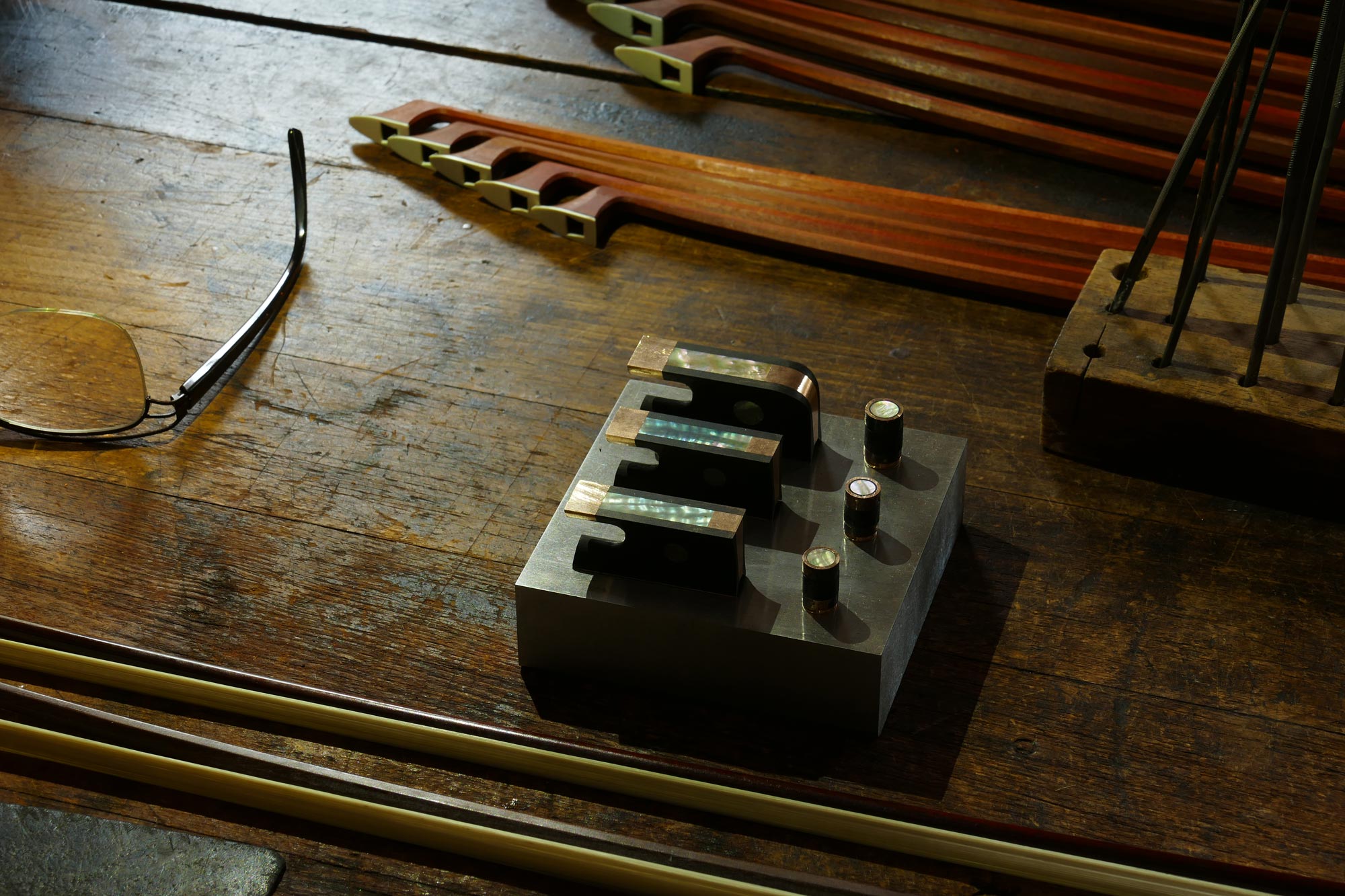
En 1990, à la retraite de leur père, Pascal et Bernard Camurat reprennent l’atelier familial sous le nom de “Camurat Frères”.
Ils y réorientent l’activité vers la lutherie du quatuor et l’archèterie, abandonnant le commerce de guitares que leur père avait développé dans les années 1960.
“Mon frère et moi n’avions aucune compétence liée à cet instrument. L’activité s’est alors tout naturellement axée sur la lutherie du quatuor, et en ce qui me concerne, sur l’archèterie.”
Entretien avec Pascal Camurat, novembre 2025
Dans les années 1990, l’atelier devient l’un des plus productifs de Paris. Plusieurs luthiers y travaillent, contribuant à sa notoriété.
“L’atelier était, dans les années 1990, celui qui produisait le plus d’instruments neufs.”
Entretien avec Pascal Camurat, novembre 2025
Pascal Camurat partage alors son emploi du temps entre l’archèterie les matins, comprenant la réparation et la fabrication, et la lutherie les après-midis.
La rigueur, la délicatesse et la sérénité dans le travail de Bernard Camurat, dont l’atelier était situé à Montigny-sur-Loing, sera pendant cette période pour Pascal un précieux atout face au tumulte parisien de le rue de Rome. Enfin, après dix ans, le besoin de poursuivre sa voie loin de cette agitation l’amena à déménager à Montpellier où, pour reprendre ses mots, il se “consacre aujourd’hui paisiblement” à la production d’archets et, plus rarement, à celle des violons.
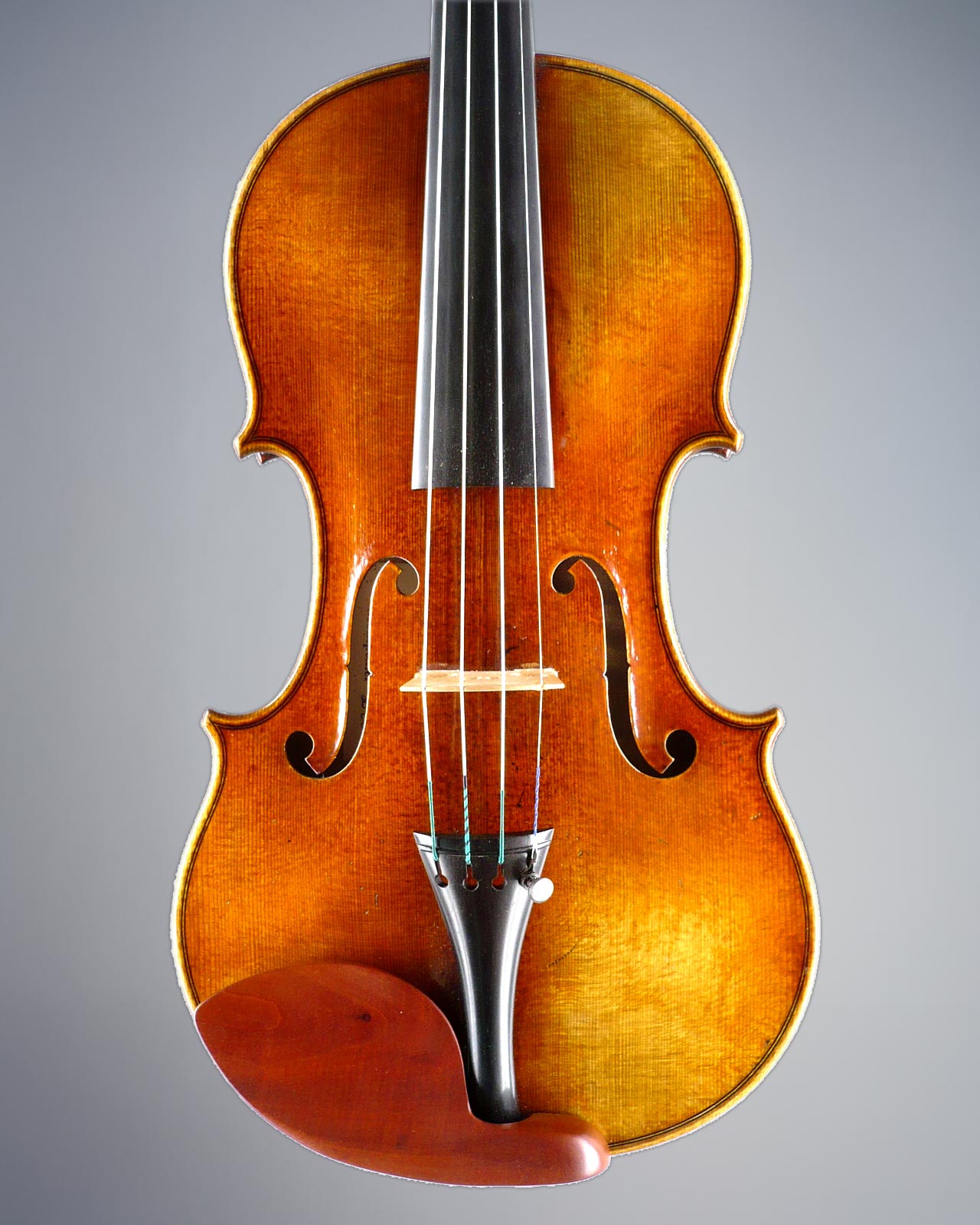
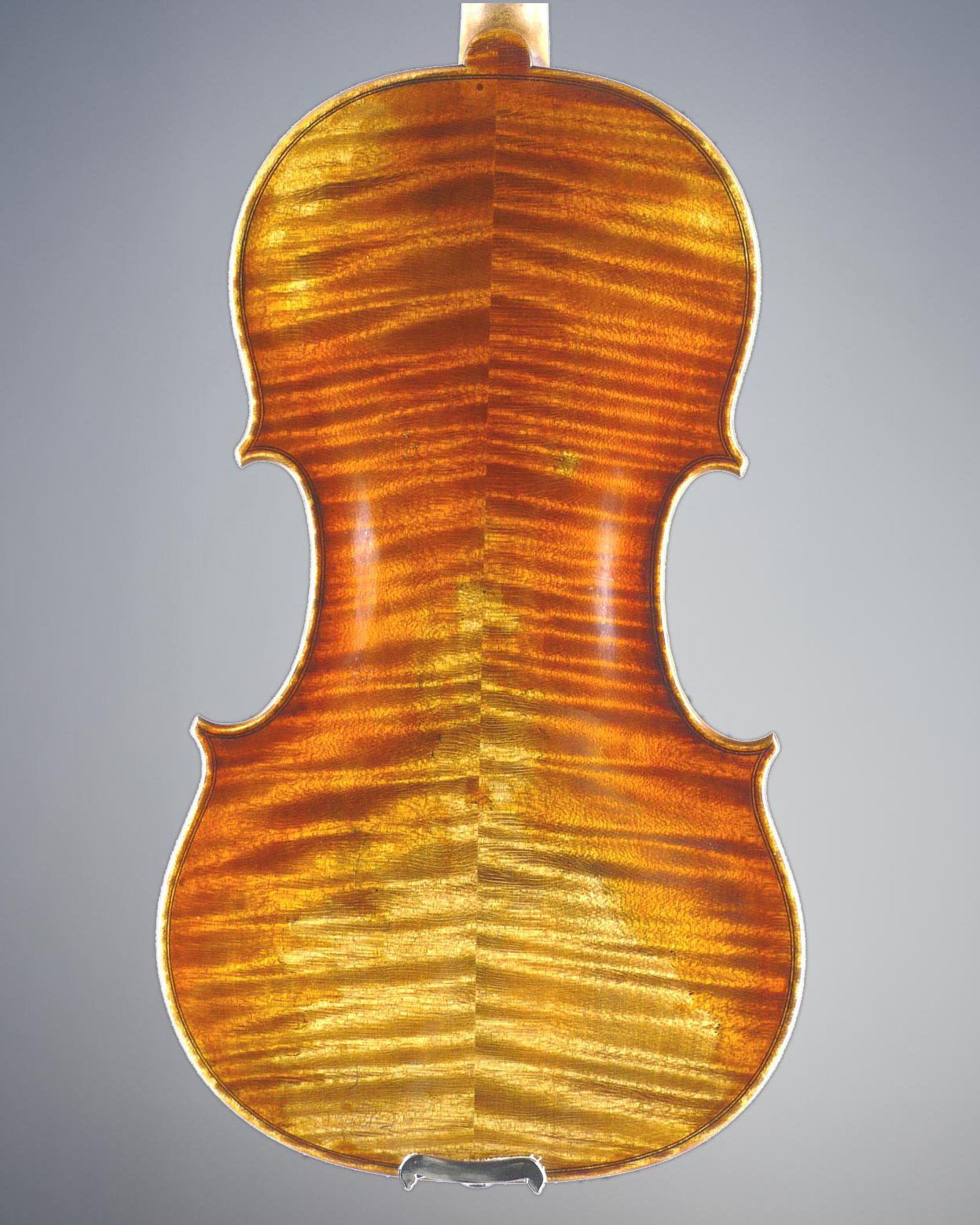
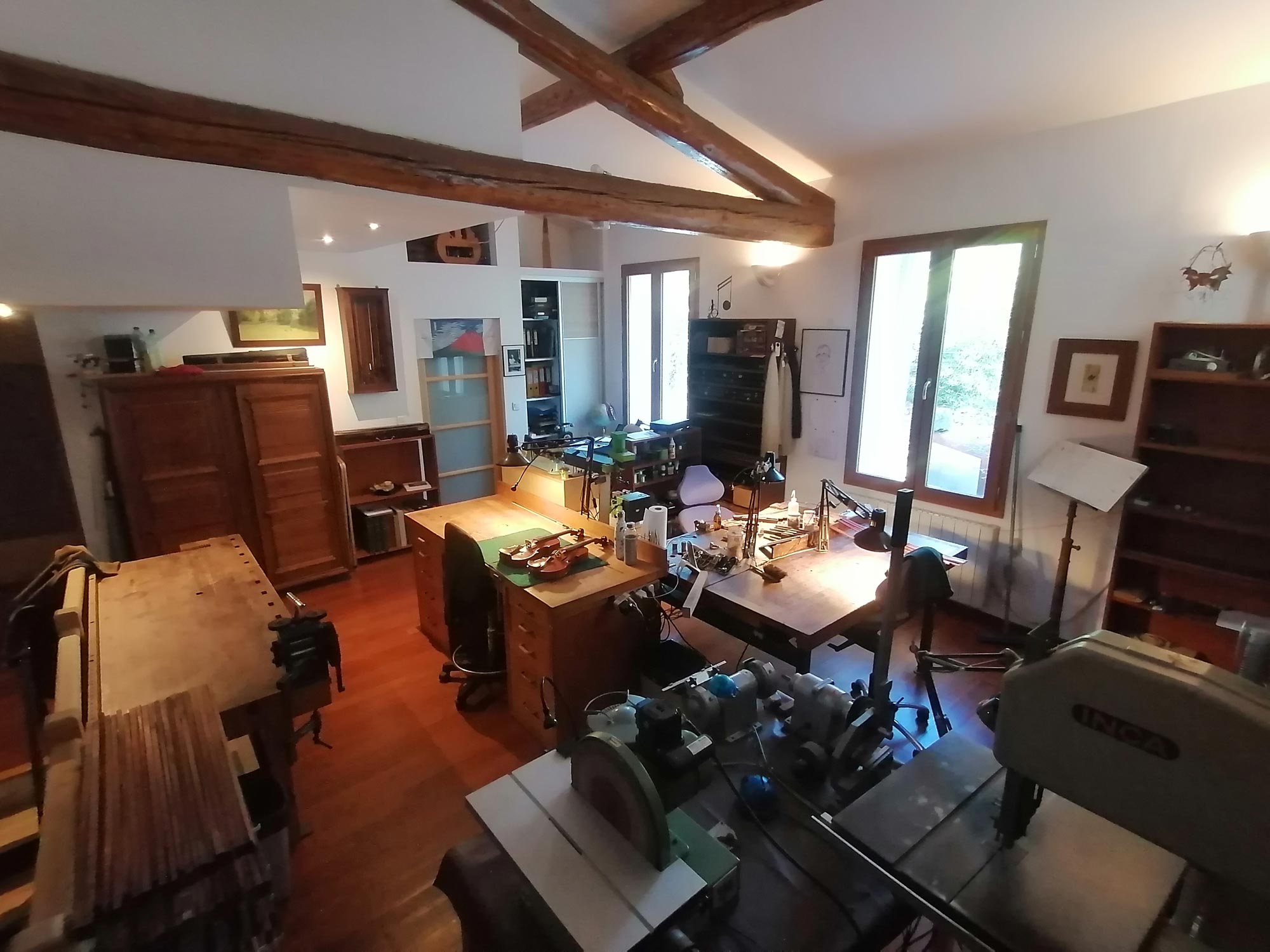
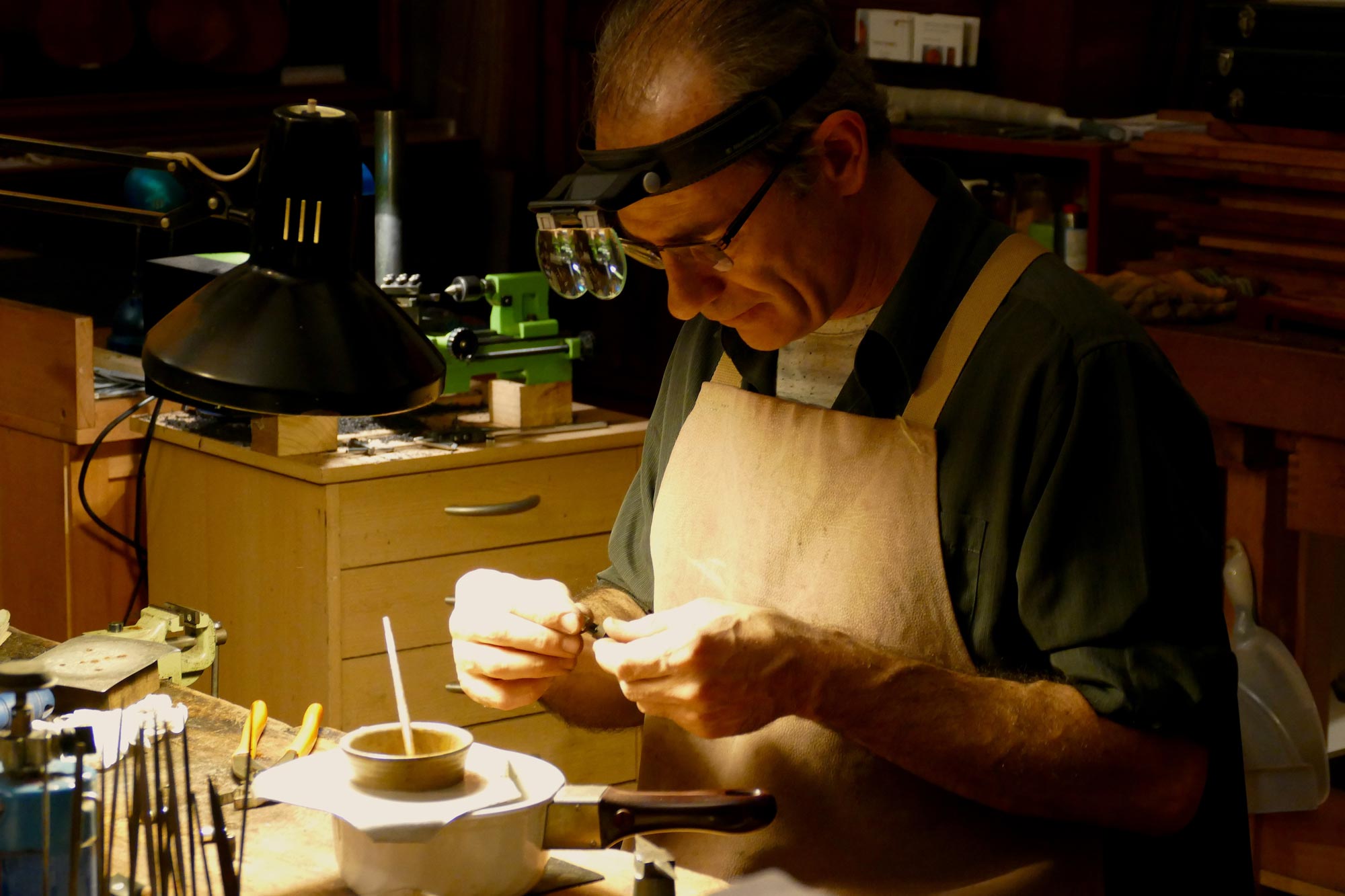
À partir des années 2000, Pascal Camurat se consacre de plus en plus exclusivement à l’archèterie. Interrogé sur ce qui détermine le plus son travail, il répond “le son” pour le violon ; “la prise en main” pour l’archet. Le rapport à la matière est donc central dans son travail d’archetier.
“Bien qu’on s’acharne à concentrer notre travail sur la constance du respect de nos modèles, le bois ne nous conduit jamais deux fois exactement au même résultat. C’est cette diversité que la matière nous propose qui nous pousse toujours à mieux la comprendre et à tenter de l’optimiser dès qu’on s’en empare.”
Entretien avec Pascal Camurat, novembre 2025
Cette différence propre à la nature du bois rappelle que chaque archet est une pièce unique, dont l’équilibre dépend autant du bois que de l’ultime geste de l’archetier. Cette attention au point d’équilibre – ni trop, ni trop peu – semble résumer la conception que se fait Pascal Camurat du métier. Pour lui, la partie la plus délicate et excitante du travail réside dans les derniers instants du façonnage, c’est-à-dire :
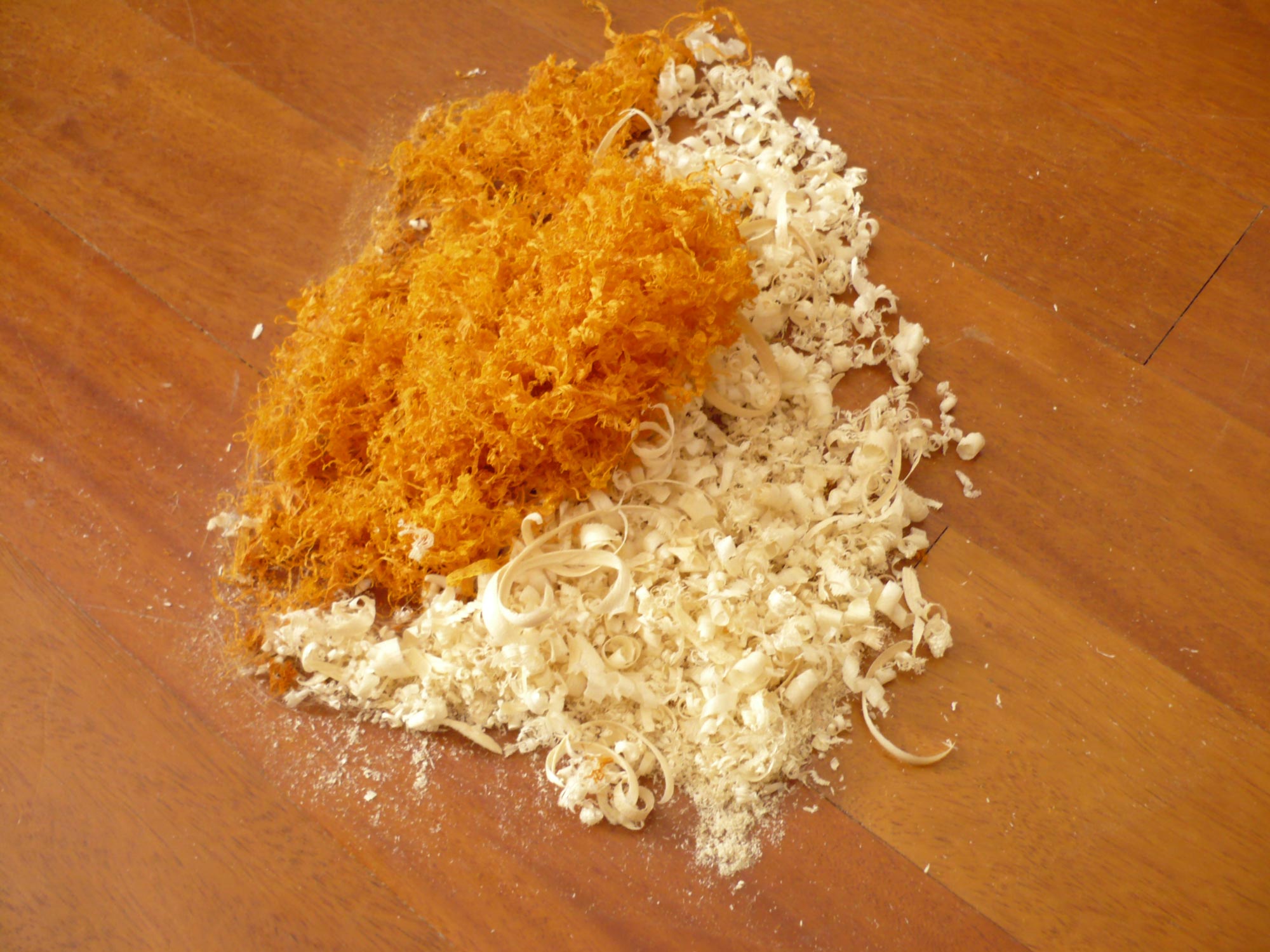
“les dernières minutes pendant lesquelles quelques dixièmes de gramme de bois vont sortir du rabot pour optimiser une baguette, ce moment où l’on s’arrête juste avant que.”
Entretien avec Pascal Camurat, novembre 2025
Dans la pratique de Pascal Camurat, les influences ne se traduisent ni par la recherche d’un style identifiable, ni par la volonté d’appartenir à une école.
“Comme toute école ou enseignement que l’on reçoit, la première chose à faire est de s’en émanciper pour développer un tempérament de travail identifiable. Cependant une formation comme celle de Thomachot ou Sandner, ça vous marque à vie !”
Entretien avec Pascal Camurat, novembre 2025
Ces deux figures, rencontrées à des moments décisifs de son parcours, ont chacune contribué à structurer sa méthode. Ces enseignements constituent moins des modèles à reproduire qu’un ensemble de principes transmis. Son approche s’inscrit donc dans la continuité d’une exigence acquise au contact de ses maîtres.
“Quand on a la chance de fréquenter des ateliers de haut niveau, ce que l’on retient, c’est le taux d’exigence à appliquer au quotidien dans son travail.”
Entretien avec Pascal Camurat, novembre 2025
Cette exigence, devenue méthode, guide aujourd’hui l’ensemble de son activité.
Dans cette recherche de l’excellence, il reconnaît avoir adopté la sobriété des lignes de François-Xavier Tourte, évoquant comme source d’inspiration l’archet de violon “fleur de coin” vendu à Vichy Enchères en 2017 – celui qui détient le record du monde pour un archet.
Pascal Camurat se place ainsi dans une lignée où la qualité du résultat prime sur la reconnaissance du nom, une conception du métier fondée sur la discrétion et la recherche de perfection.
À travers ses archets, Pascal Camurat illustre la continuité d’une école française attachée à la précision et à l’amour du travail bien fait, dont les deux pièces présentées à la vente du 4 décembre 2025 en sont de nouveaux témoignages.
During its sale on 4 December 2025, Vichy Enchères will auction two bows by Pascal Camurat, a renowned figure amongst the French bow makers trained in the great tradition of Mirecourt. Pascal Camurat was taught by Stéphane Thomachot, who was a pupil of Bernard Ouchard, and, since the 1980s, has been at the forefront of the revival of French bow making, whilst preserving its exacting standards and precision. Below are extracts of an interview of the maker by Vichy Enchères, providing an opportunity to find out more about this maker through some of his thoughts.
Pascal Camurat is the son of violin maker Jacques Camurat (1927-2016), and he grew up above the family workshop at 49 rue de Rome – an iconic address in Parisian violin making. This area, located near the Conservatoire National Supérieur de Musique and the Saint-Lazare train station, has been home to the majority of the capital’s stringed instrument workshops and dealers since the late 19th century. Generations of musicians have come here to have their instruments adjusted or restored.
The workshop founded by Jacques Camurat in 1956 enjoyed a strong reputation, both for its restorations and for the quality of its new instruments. It was in this context that Pascal Camurat was immersed in the world of instrument making and music from childhood.
“The profession of violin maker was introduced to me by my father, and it perfectly suited my desire to make all kinds of objects from a very young age. The world of instrument making was a perfect environment to awaken my curiosity.”
Interview with Pascal Camurat, November 2025
In the late 1970s, Pascal Camurat enrolled at the Mittenwald School of Violin Making, founded in 1858 and considered one of Europe’s leading centres for instrument making. Under the tutelage of his mentor Roland Sandner, he received comprehensive training in violin making. He graduated in 1983, and these training years provided him with excellent technical foundations and strong work ethics which are still with him to this day. As he tells us, modestly:
“Roland Sandner had a great impact on my life.”
Interview with Pascal Camurat, November 2025
After Mittenwald, Pascal Camurat joined his brother Bernard – a student of Jean Eulry in Mirecourt – in Los Angeles, where Bernard was already working in Hans Weisshaar’s workshop. Weisshaar was born in Germany and trained in Markneukirchen, before settling in California after World War II, and his workshop became an international reference for the restoration of stringed instruments.
This environment introduced Pascal Camurat to the diversity of musicians’ practices and requirements. It was there that he met Paul Siefried, an American bow maker trained by William Salchow and considered one of the best of his generation.
“Il m’a enseigné l’entretien des archets et m’a fait faire mon tout premier archet, que je détiens encoreHe taught me bow restoration and had me make my very first bow, which I still have.”
Interview with Pascal Camurat, November 2025
This American experience was a defining moment in Pascal Camurat’s career, as this is where he made his first bow.
Back in Paris, Pascal Camurat furthered his training with Stéphane Thomachot, an important figure in contemporary French bow making. Stéphane Thomachot, who was a former student of Bernard Ouchard in Mirecourt, has played a key role in the transmission of French bow making expertise since the 1980s. For Pascal Camurat, this collaboration with Thomachot was essential, and he believes that without him, he would never have been able to:
“get so close to such exceptional craftsmanship.”
Interview with Pascal Camurat, November 2025
Subsequently, he completed his training in London, at the workshop of Charles Beare – the renowned institution founded in 1892 – where he contributed to the restoration of historical instruments and developed his experience within a team of recognized specialists.
He worked there for several months, alongside experienced restorers such as Peter Gibson. This period at Beare’s – a rare opportunity for a young French maker – rounded off an international training underpinned by precision and the study of the great masters, both past and present.
In 1990, upon their father’s retirement, Pascal and Bernard Camurat took over the family workshop under the name « Camurat Brothers ». They refocused the business on violin and bow making, abandoning the guitar trade their father had developed in the 1960s.
« My brother and I had no knowledge or experience of this instrument. The business naturally gravitated towards violin making, and, for my part, bow making.”
Interview with Pascal Camurat, November 2025
In the 1990s, the workshop became one of the most active in Paris. Several makers worked there, contributing to its reputation.
“In the 1990s, our workshop was the one that produced the largest number of new instruments.”
Interview with Pascal Camurat, November 2025
Pascal Camurat was then dividing his time between bow making in the morning, including restoration and new making, and violin making in the afternoon.
The precise, delicate and serene nature of Bernard Camurat’s work, whose workshop was located in Montigny-sur-Loing, proved invaluable to Pascal during this period, and a welcome respite from the hustle and bustle of Paris’s rue de Rome. Finally, after ten years, the need to pursue his own path away from busy Paris led him to move to Montpellier, where, in his own words, he now « peacefully dedicates himself » to the making of bows and, more seldomly, violins.
From the 2000s onward, Pascal Camurat has dedicated himself increasingly exclusively to bow making. When asked what most defines his work, he answers « the sound » for the violin; « the feel » for the bow. The relationship with the material is therefore central to his work as a bow maker.
“Although we endeavour to consistently follow our models accurately, wood never leads us to exactly the same result twice. It is this diversity that the material offers that constantly pushes us to better understand it and try to optimize it as soon as we begin working with it.”
Interview with Pascal Camurat, November 2025
The unique qualities of each piece of wood acts as a reminder that each bow is unique, and that its quality depends as much on the wood itself as the work of the bow maker. Arriving at a point of perfect balance – neither too much nor too little – seems to summarize Pascal Camurat’s philosophy of the craft. For him, the most delicate and exciting part of the work lies in the final touches:
“the last few moments during which a few tenths of a gram of wood will emerge from the plane to optimize a stick, or when we stop just short of that.”
Interview with Pascal Camurat, November 2025
In Pascal Camurat’s work, influences are not expressed through the search for an identifiable style, nor through a desire to belong to a particular school.
“Like any school or teaching one receives, the first thing to do is to break free from it in order to develop a more personal style. However, the teachings of Thomachot or Sandner leave a lasting mark!”
Interview with Pascal Camurat, November 2025
These two figures, whom he met at key moments in his career, each contributed to shaping his approach. Their teachings are less about models to be reproduced and more a set of principles to follow. As a result, his approach is based on following the high standard learned from his mentors.
“When you have the opportunity to work in the best workshops, what stays with you is the high standards you should uphold in your daily work”
Interview with Pascal Camurat, November 2025
These high standards, which have become his methodology, now guide all of his endeavours.
In his pursuit of excellence, he acknowledges being inspired by the understated lines of François-Xavier Tourte, and in particular the « mint condition » violin bow sold at Vichy Enchères in 2017, which holds the world record for a bow. In doing so, Pascal Camurat places himself within a long line of makers for whom the quality of the output takes precedence over name recognition; an approach of the craft based on self-effacement and the pursuit of excellence.
Pascal Camurat’s bows illustrate the continuity of a French school committed to precision and the pursuit of fine craftsmanship, as exemplified by the two bows by this maker included in the sale on 4 December 2025.