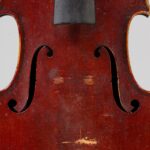
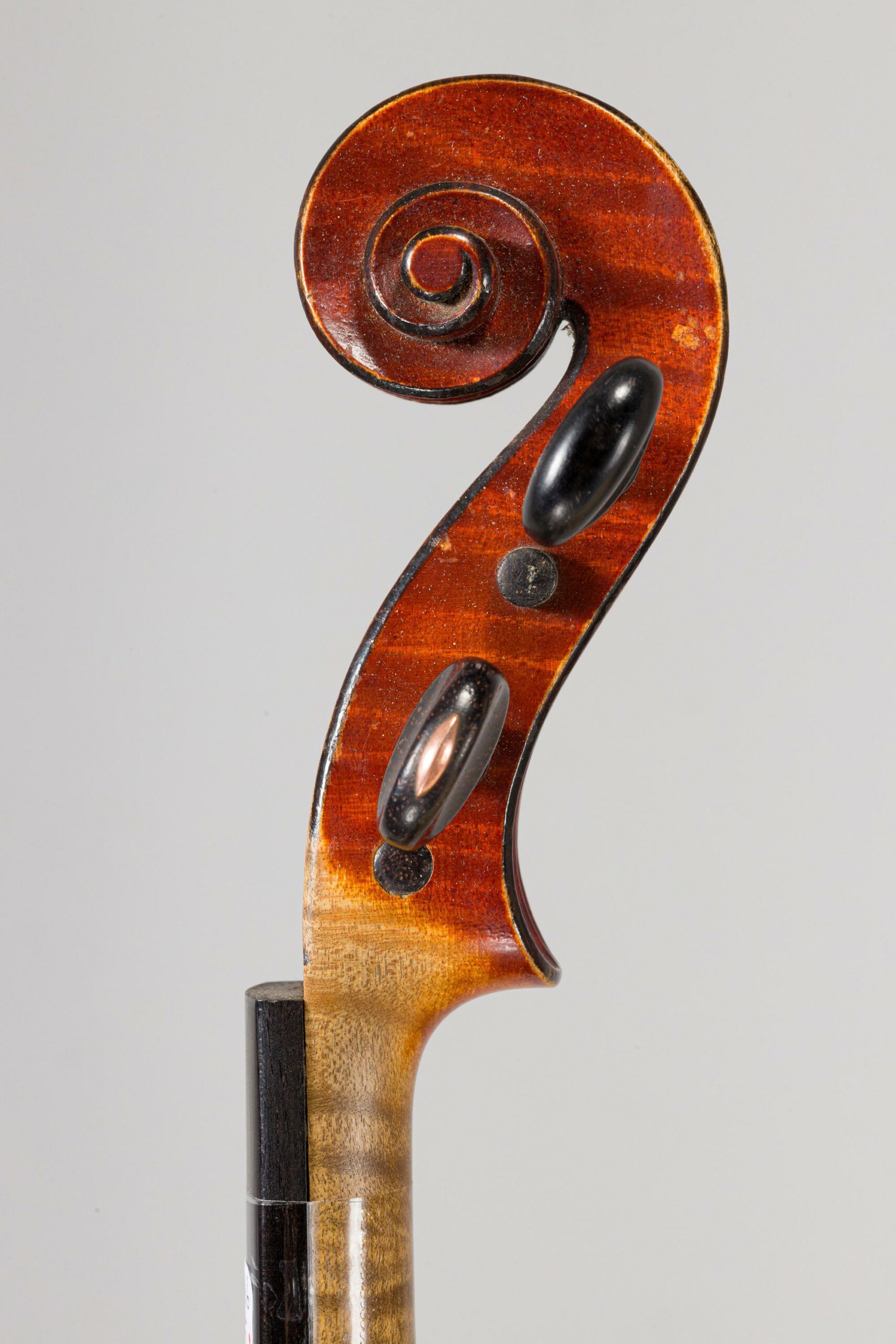
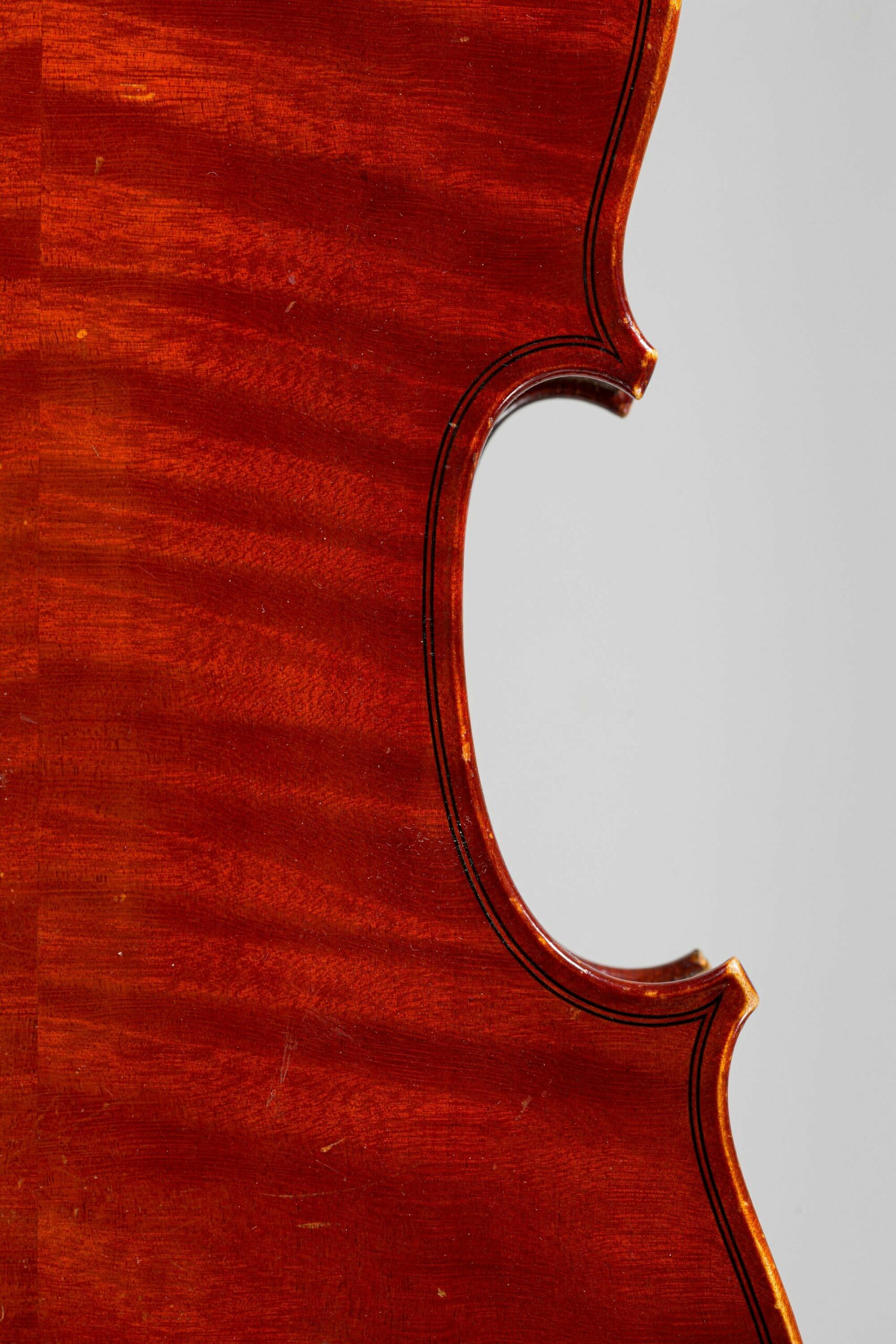
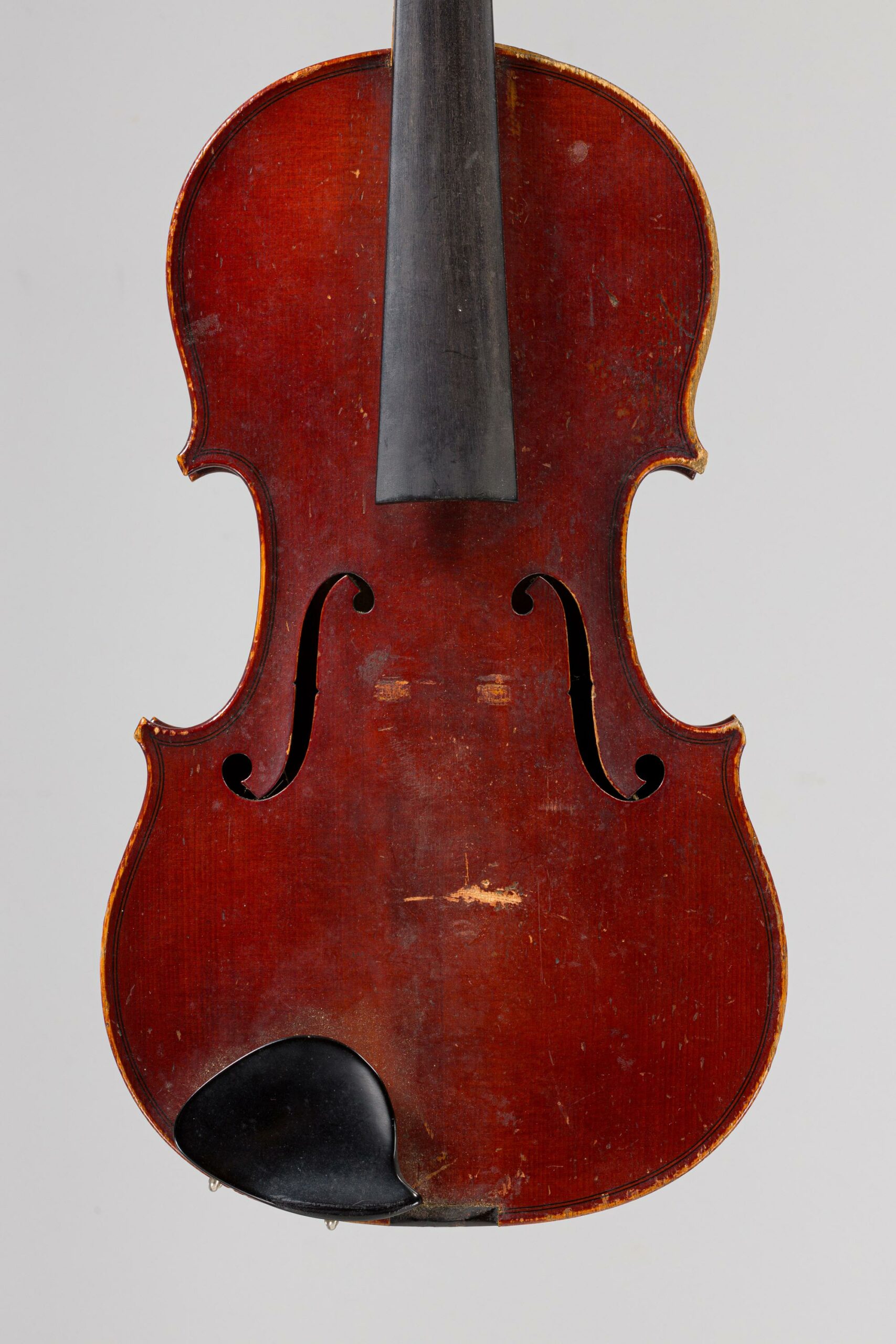
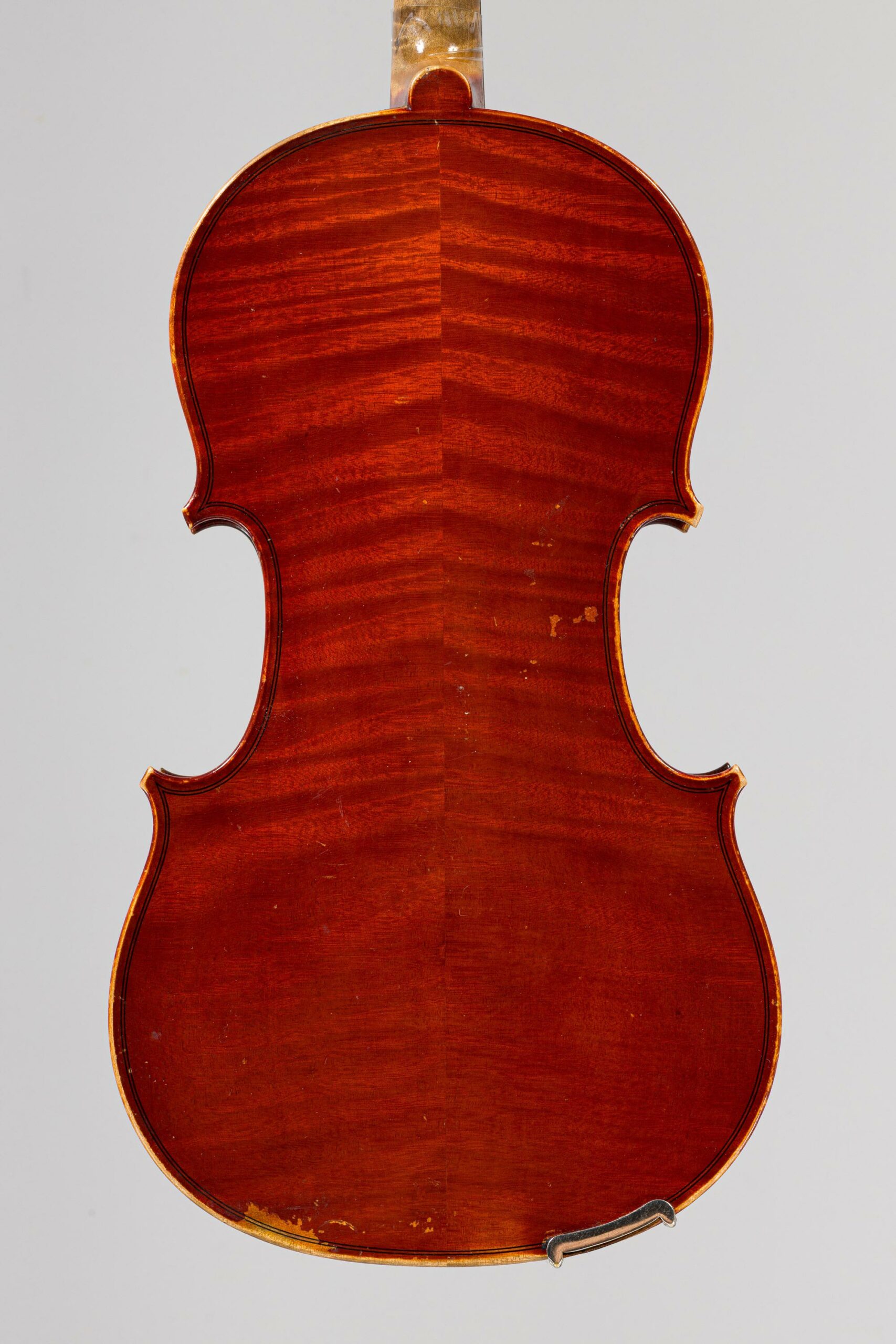
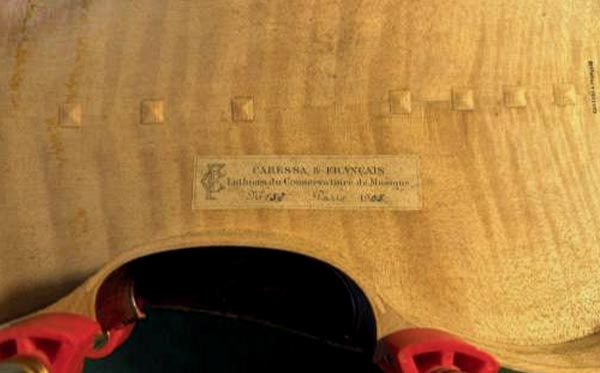
Lors de la préparation de nos belles ventes d’instruments du quatuor de décembre 2024, nous découvrions un violon Caressa & Français fabriqué à Paris en 1905 et portant le numéro 152. Les recherches de provenance habituellement effectuées avant sa mise en vente révélèrent qu’il s’agissait d’un instrument disparu en 1940 et recherché depuis la fin de la guerre. La vente fut aussitôt suspendue et de nouvelles recherches furent entreprises afin d’en retracer l’histoire et d’en retrouver les ayants droit. Le 7 octobre 2026, quatre-vingt-six ans après sa disparition, le Caressa & Français n°152 sera officiellement restitué à la famille par l’association Musique et Spoliations, à la Maison Paul Beuscher à Paris. À cette occasion, il sera joué par la violoniste Sarah Dayan, accompagnée au piano par David Kadouch.
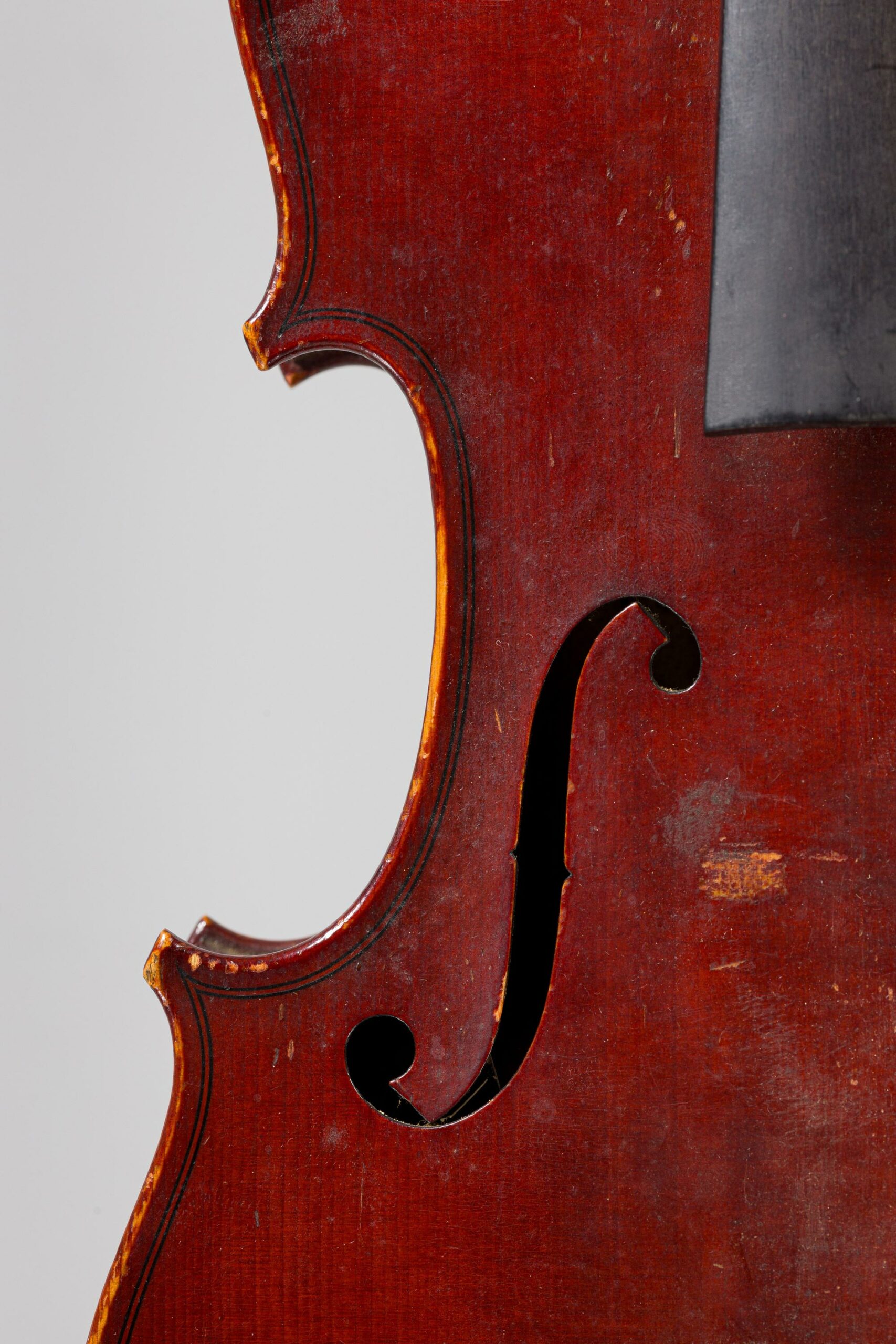
Le violon n°152 a été fabriqué en 1905 par Caressa & Français, l’une des incontournables Maisons de lutherie parisiennes du début du XXème siècle. Albert Caressa et Henri Français avaient repris en 1901 la Maison Gand & Bernardel et poursuivaient son activité sous leurs deux noms. Plusieurs luthiers et archetiers travaillaient alors dans leurs ateliers, parmi lesquels Émile Laurent et Émile Boulangeot pour la lutherie, ou encore Victor et Jules Fétique pour l’archèterie[1].
Par chance, les archives de Caressa & Français ont été en grande partie conservées. Elles appartiennent aujourd’hui au fonds “Lupot / Gand / Bernardel / Caressa & Français” du Musée de la musique et comprennent notamment plusieurs registres d’atelier permettant de retrouver les instruments passés entre les mains de ces luthiers.
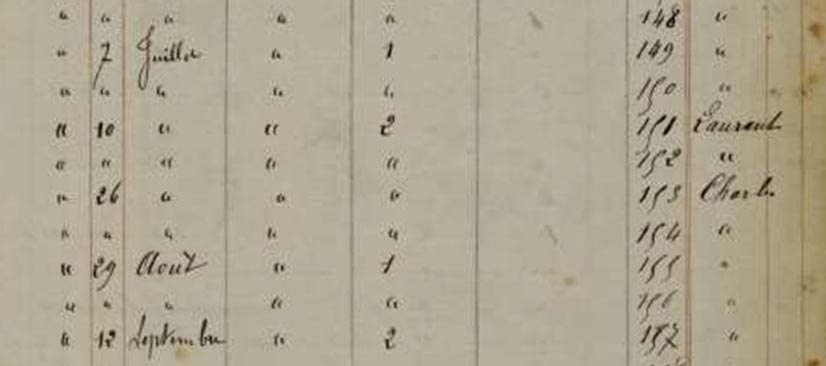
Les recherches effectuées dans ces archives permirent de retrouver notre violon, sous le n°152.Cette archive est, à plusieurs égards, précieuse, car elle nous renseigne sur la date précise de sa fabrication le 10 juillet 1905, et indique le nom du luthier, à savoir “Laurent”[2].
[1] Sylvette Milliot, Nicolas Lupot, ses contemporains et ses successeurs, Pique, Thibout, Gand, Bernardel, Messigny-et-Vantoux, JMB Impressions, 2015, volume I
[2] Musée de la musique, registre d’inventaire de l’atelier Caressa & Français, 10 juillet 1905, inv. E.981.8.8
Il s’agit très probablement d’Émile Laurent fils, né à Mirecourt en 1875. Celui-ci travaille tout d’abord chez Paul Blanchard à Lyon entre 1894 et 1896, avant de rejoindre Émile Germain à Paris de 1897 à 1902. Il entre ensuite chez Caressa & Français, où il reste jusqu’en 1908.
La concordance des dates est particulièrement intéressante puisque Émile Laurent travaille précisément dans l’atelier Caressa & Français en juillet 1905. Il est donc très vraisemblable qu’il s’agisse de notre luthier.
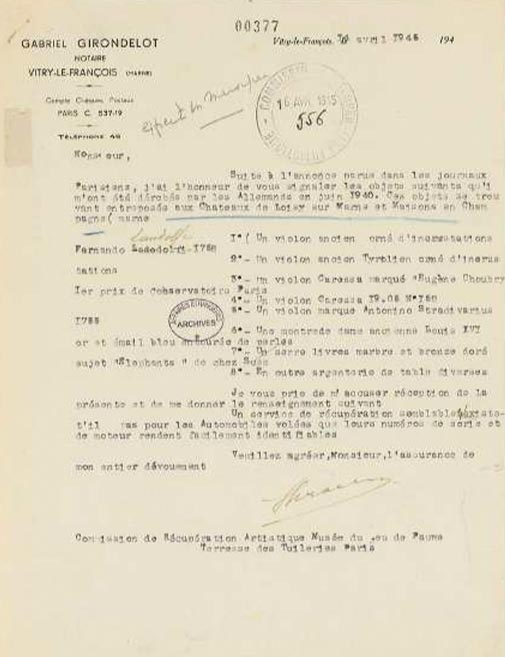
Concernant le propriétaire d’origine du violon, les archives Caressa & Français ne livrent malheureusement aucun nom. C’est seulement en 1945, lorsque Gabriel Girondelot adresse une lettre à la Commission de récupération artistique, que le violon Caressa est associé à son nom.
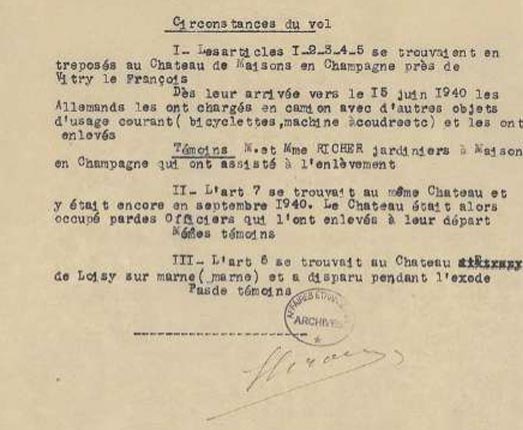
Cette déclaration permet également de connaître les circonstances de sa disparition. En 1940, Gabriel Girondelot, notaire à Vitry-le-François, avait entreposé une partie de ses biens dans deux châteaux de la Marne, à Loisy-sur-Marne et à Maisons-en-Champagne. Le 12 juin, devant l’avancée des troupes allemandes, il quittait la région avec sa famille pour se réfugier dans le sud de la France. Plusieurs instruments, dont le Caressa en question, étaient alors conservés au château de Maisons-en-Champagne.
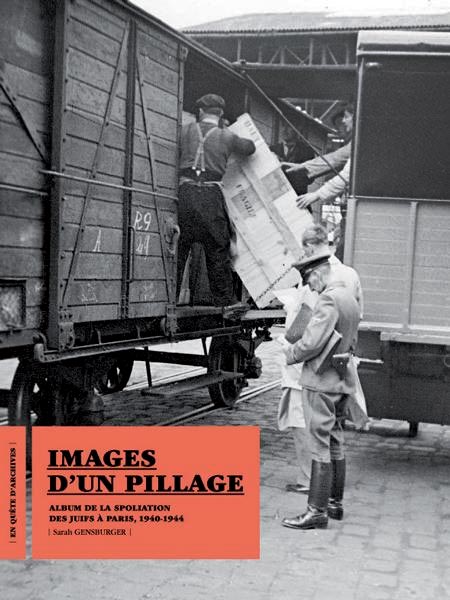
D’après la déclaration établie après la guerre, cinq violons furent emportés par des soldats allemands le 15 juin 1940. Ils furent chargés dans un camion avec différents objets, parmi lesquels des bicyclettes et une machine à coudre. Les époux Richer, jardiniers du château, auraient assisté à leur enlèvement[1].
[1] Archives diplomatiques, dossier Gabriel Girondelot, 209SUP/9, dossier 45.119
Après la guerre, Gabriel Girondelot entreprit donc des démarches afin de retrouver ses instruments.
Le 14 avril 1945, il écrivit à la Commission de récupération artistique et dressa la liste des cinq violons qui lui avaient été dérobés. Parmi eux figurait le Caressa de 1905. Trois jours plus tard, le 18 avril, M. Géraudel, archiviste, fut sollicité par la Commission afin de procéder à l’expertise des cinq instruments faisant l’objet de cette demande de restitution[1].
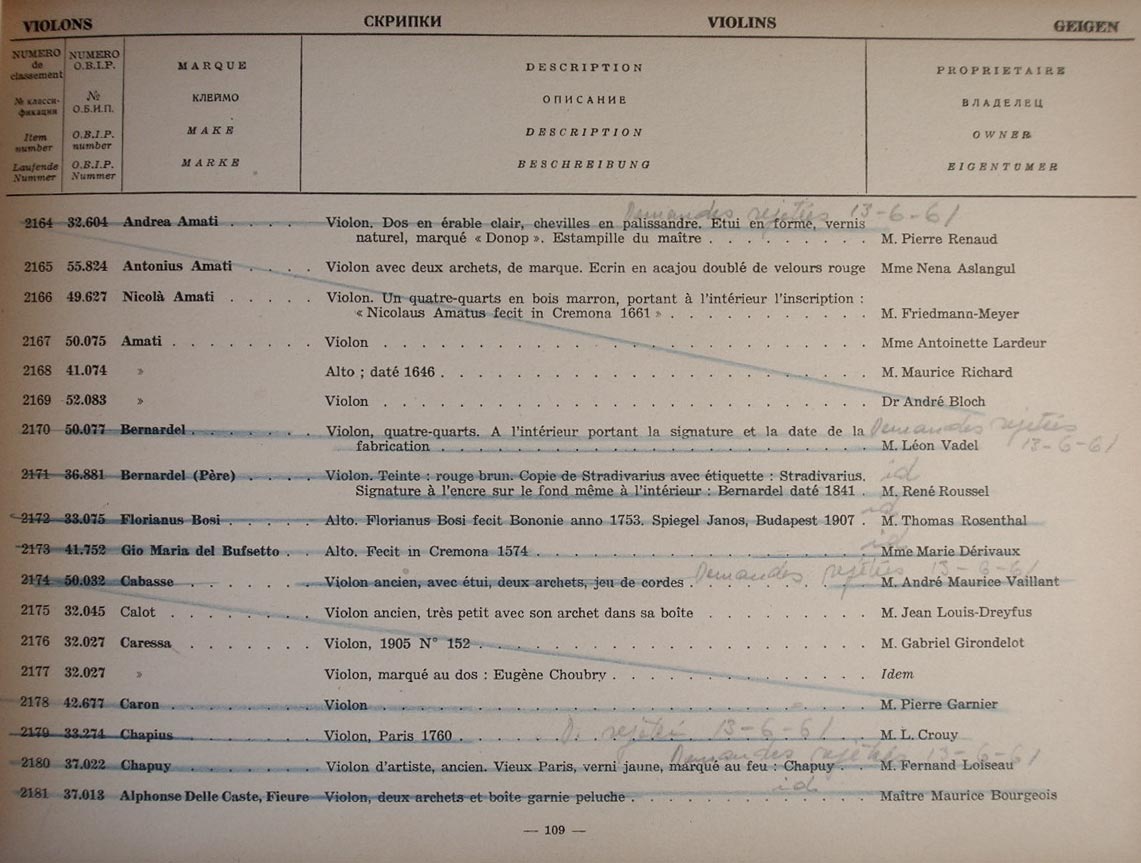
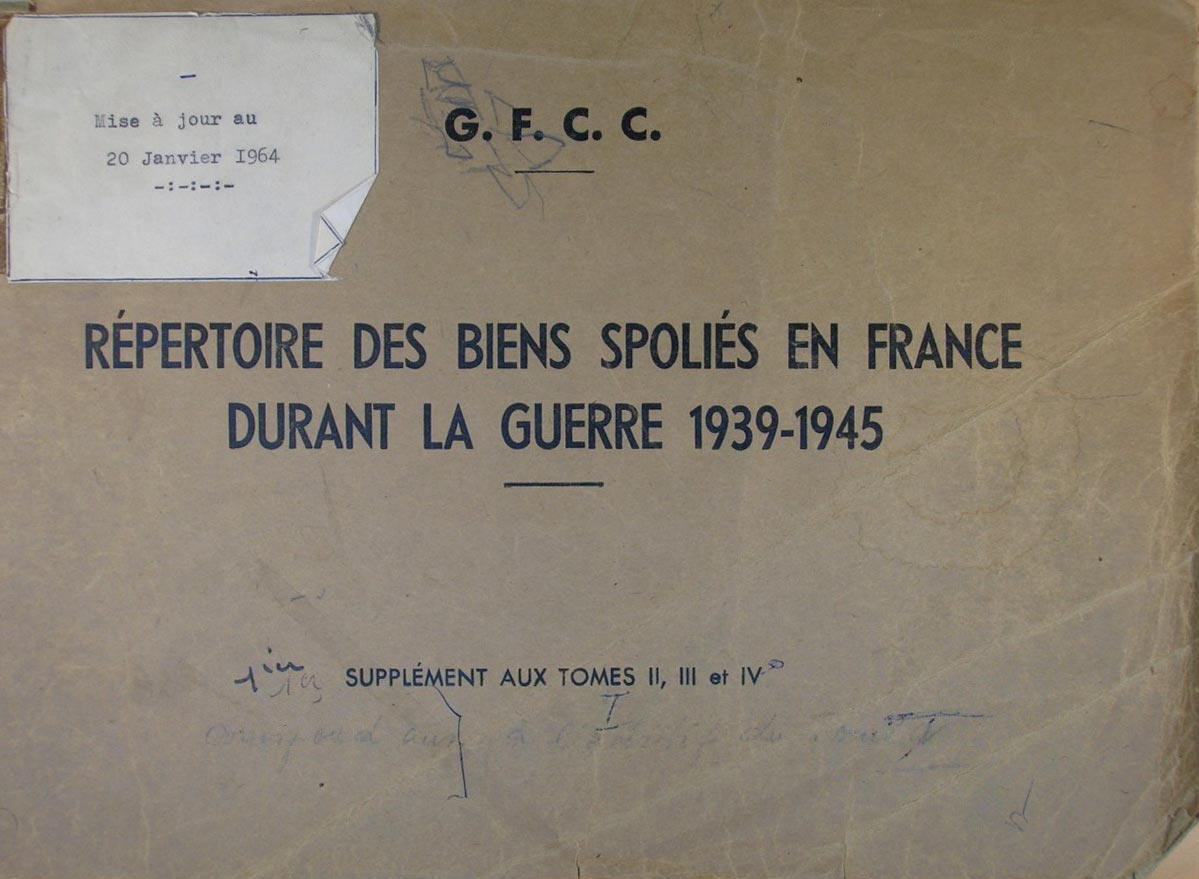
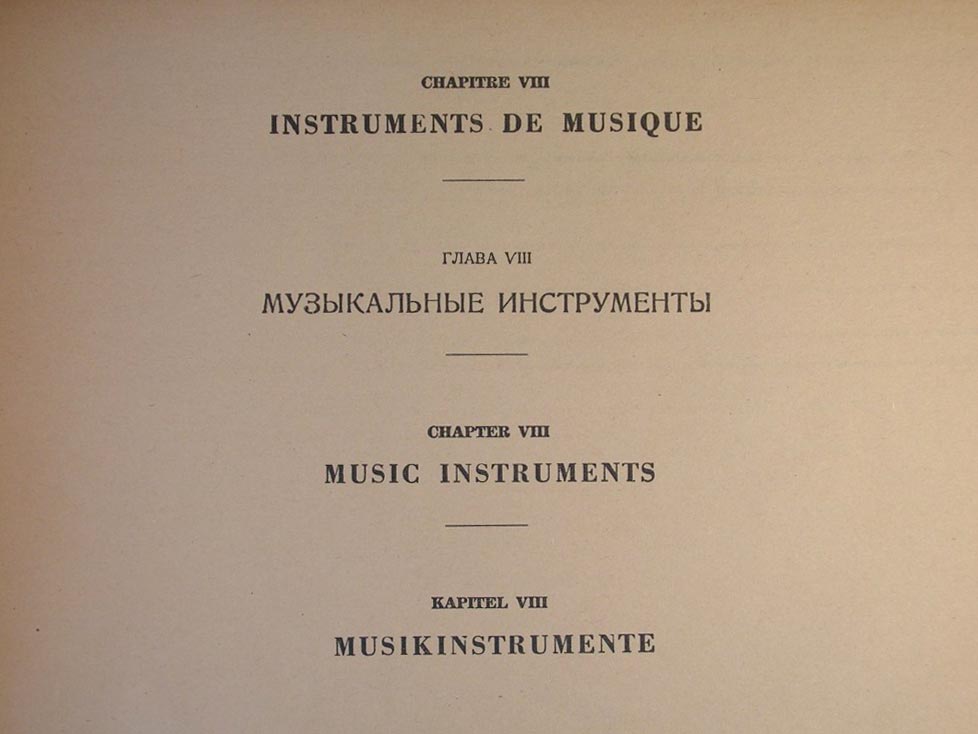
Malgré ces démarches, le violon ne fut pas retrouvé. Il fut par la suite inscrit dans le Répertoire des biens spoliés en France durant la guerre 1939-1945, où il apparaît sous le numéro de classement 2176 comme “Caressa, violon, 1905 n°152”, avec Gabriel Girondelot indiqué comme propriétaire[2]. Sa trace se perdait alors pour plus de quatre-vingts ans.
[1] Archives diplomatiques, dossier Gabriel Girondelot, 209SUP/9, dossier 45.119
[2] Répertoire des biens spoliés en France durant la guerre 1939-1945, supplément aux tomes II, III et IV, p. 109

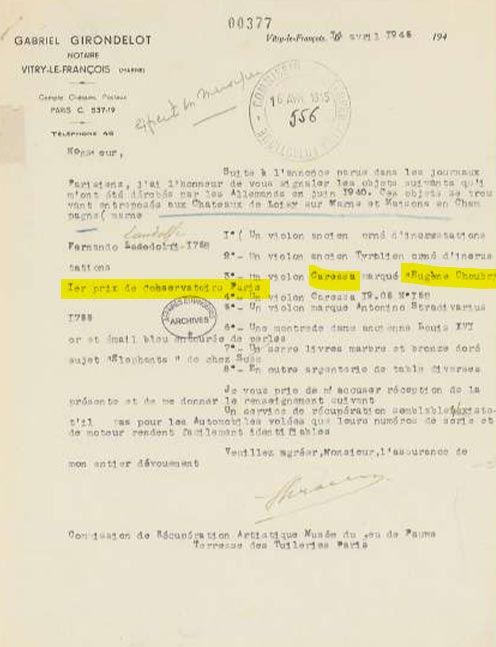
Nous ne savons pas comment le Caressa n°152 est entré en possession de Gabriel Girondelot, les archives de la maison Caressa & Français ne mentionnant aucun propriétaire. Parmi les autres instruments spoliés de sa collection figure un second violon Caressa dont nous connaissons cette fois le propriétaire, Eugène Choubry. En effet, ici aucun doute, puisque l’instrument portait au dos le nom d’Eugène Choubry[1].
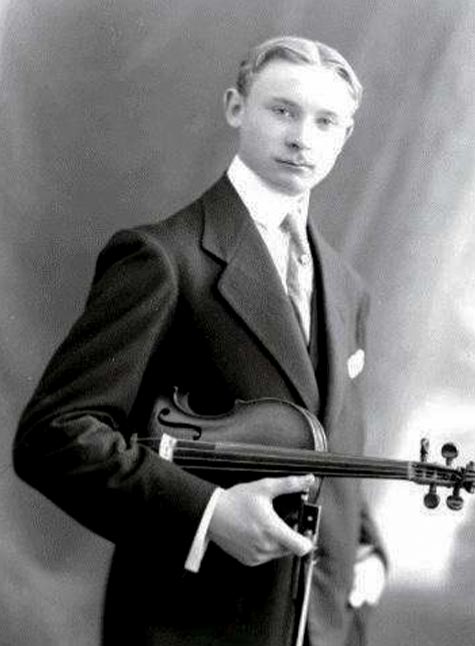
Or, Eugène Choubry était le frère de Madeleine Choubry, épouse de Gabriel Girondelot[2]. Violoniste et élève du Conservatoire de Paris, il y obtint, en août 1913, un premier prix de violon et reçut, à cette occasion, le violon Caressa portant au dos, en lettres dorées, l’inscription “Eugène Choubry Ier prix de Conservatoire Paris”.
[1] Répertoire des biens spoliés en France durant la guerre 1939-1945, p. 109
[2] Acte de mariage d’Eugène Gabriel Girondelot et de Madeleine Marie Léonie Choubry, Archives municipales de Reims, 1E 552
Une photographie prise à Reims le 22 septembre 1913 représente d’ailleurs Eugène Choubry avec un violon, sans qu’il soit possible d’identifier celui-ci[1]. Mobilisé pendant la Première Guerre mondiale, Choubry devint sous-lieutenant à titre temporaire au 20e régiment d’infanterie et mourut précocement au combat le 30 avril 1917 à Moronvilliers, dans la Marne[2].
La présence de ces deux Caressa parmi les biens de Gabriel Girondelot, et le lien familial de ce dernier avec Choubry, pourrait donc laisser penser que le n°152 ait lui aussi appartenu au violoniste à l’origine. Toutefois, sans preuve documentaire, cette piste reste à l’état d’hypothèse.
[1] Musica, n° 131, août 1913
[2] Service historique de la Défense, dossiers individuels d’officiers, dossier d’Eugène Paul Choubry, sous-lieutenant à titre temporaire au 20e régiment d’infanterie, cote GR 5 YE 128913
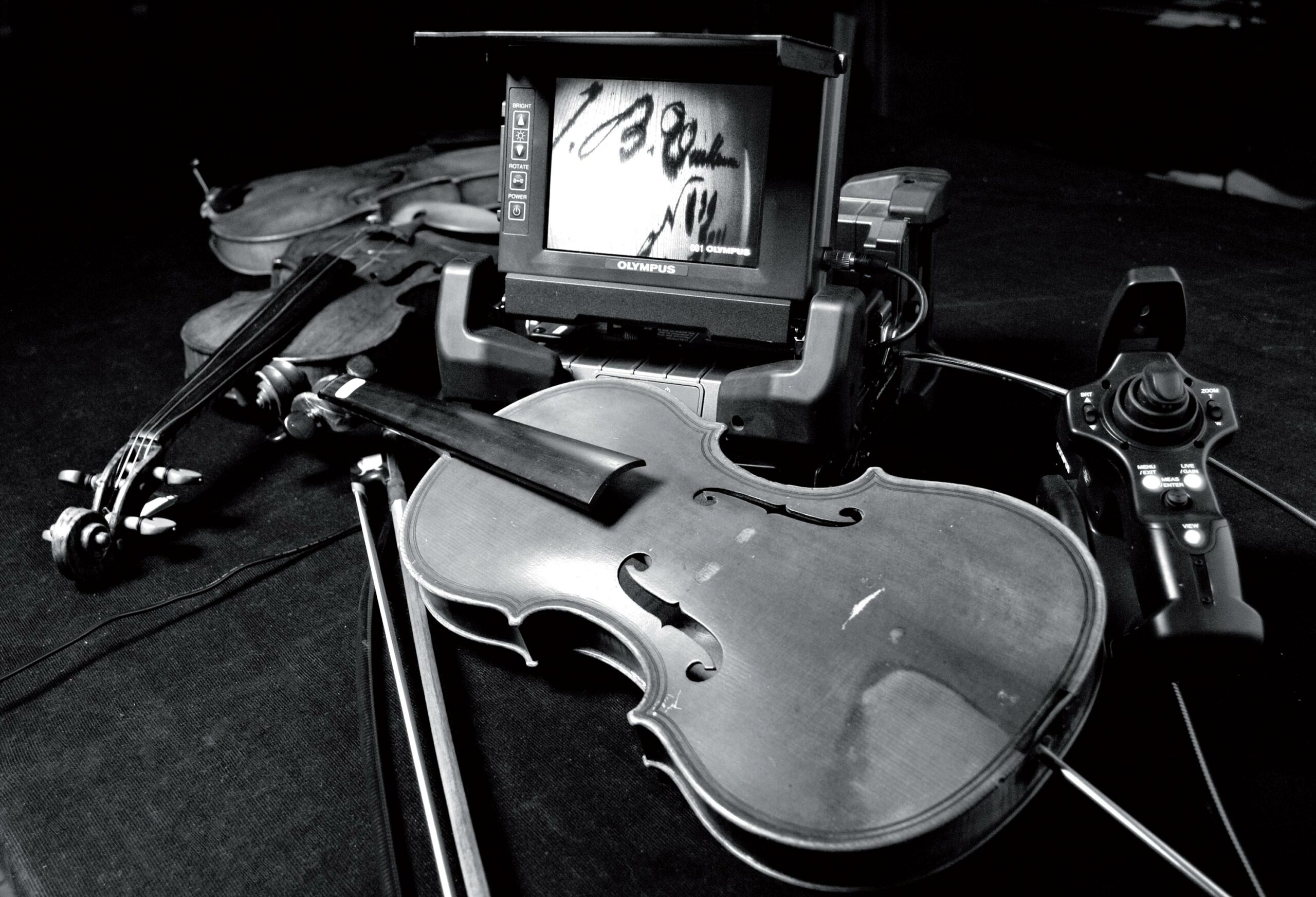
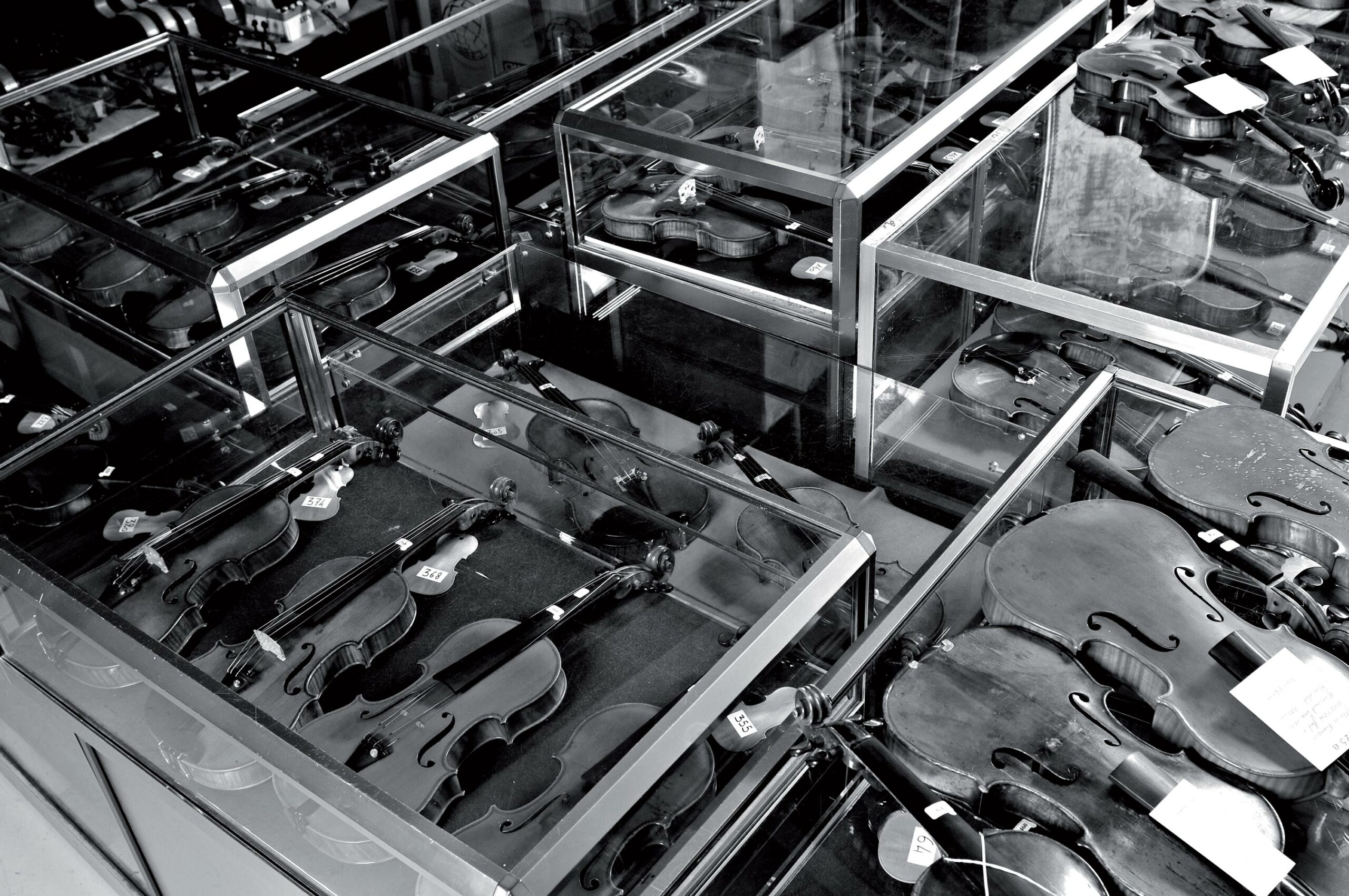
En décembre 2024, soit quatre-vingt-quatre ans après sa disparition, le violon Caressa n°152 réapparait à l’occasion de la préparation de notre vente aux enchères d’instruments de prestige des 2 et 3 décembre. Comme de coutume, nous procédons à plusieurs vérifications de provenance, notamment auprès de l’Art Loss Register. Nos recherches nous amènent également à consulter le Répertoire des biens spoliés, dans lequel nous relevons le violon Caressa de 1905 portant le même numéro et déclaré disparu par Gabriel Girondelot en 1945.
La vente est alors immédiatement suspendue et nous saisissons la Mission de recherche et de restitution des biens culturels spoliés entre 1933 et 1945 du ministère de la Culture.
C’est alors que le Musée de la musique entreprend des recherches dans les archives de l’atelier Caressa & Français et retrouve le n°152 dans le registre du 10 juillet 1905. La confrontation de ce document avec la déclaration de Gabriel Girondelot de 1945 et le Répertoire des biens spoliés confirmaient l’identité de l’instrument.
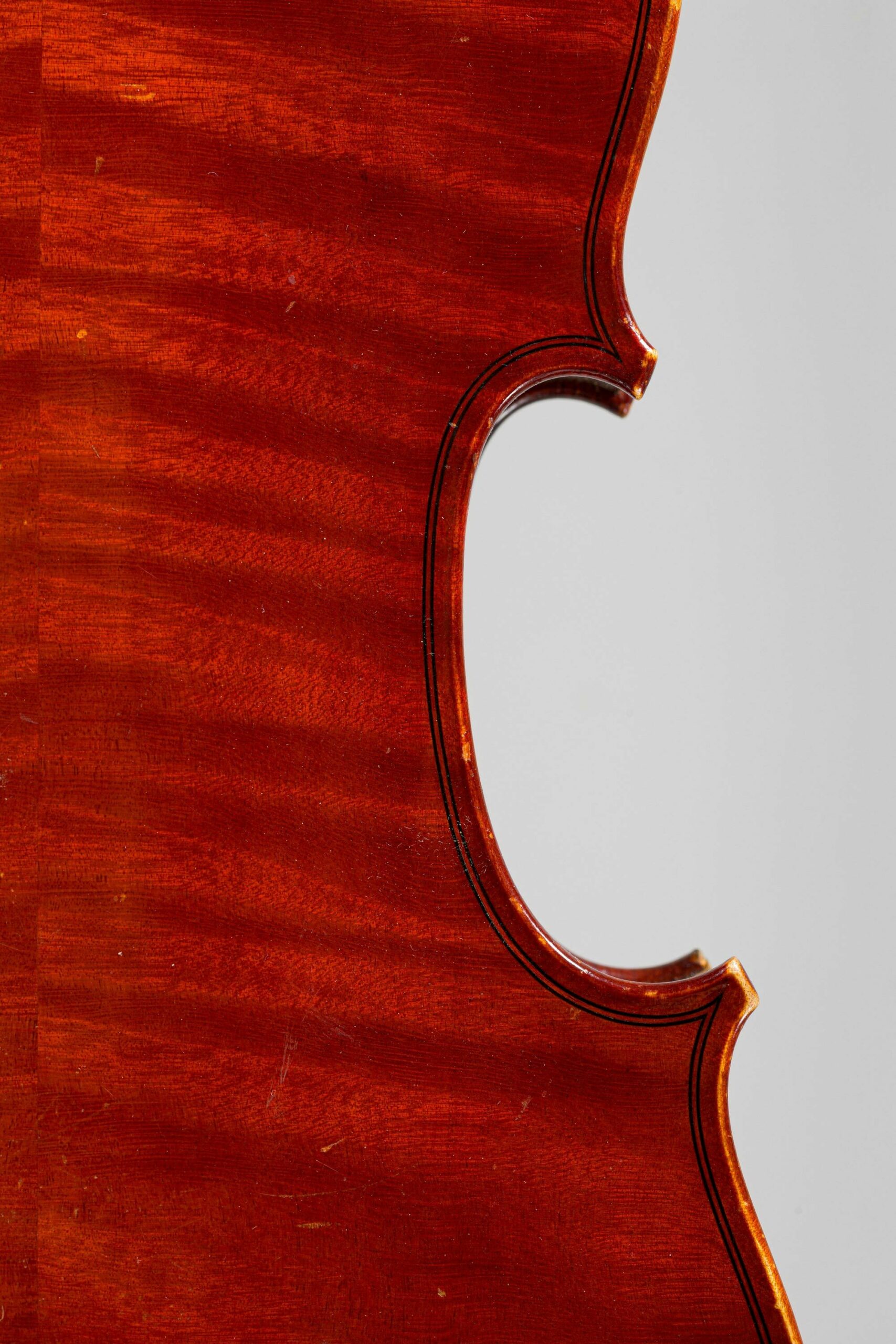
L’identification du violon permit d’engager les démarches en vue de sa restitution. L’Étude Guénifey – experte en généalogie – reconstitua la descendance de Gabriel Girondelot et de Madeleine Choubry, qui avaient eu trois enfants, Marie-Louise, Henri et Geneviève.
Marie-Louise était entrée à l’abbaye Notre-Dame du Val d’Igny, dont elle devint l’abbesse. Les recherches revélèrent les ayants droit ainsi que l’abbaye, désignée comme légataire. L’association Musique et Spoliations prit ensuite contact avec eux afin de préparer la restitution.
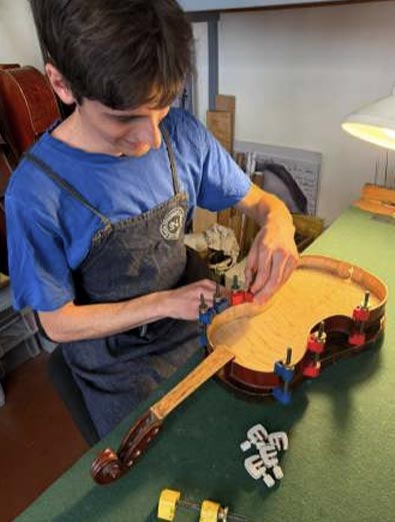
Le violon fut également confié à nos experts Jean-Jacques Rampal et Jonathan Marolle de la Maison Vatelot-Rampal, où Adelaïde Aumont et Thomas Vibert réalisèrent les restaurations nécessaires à sa conservation et à sa remise en jeu.
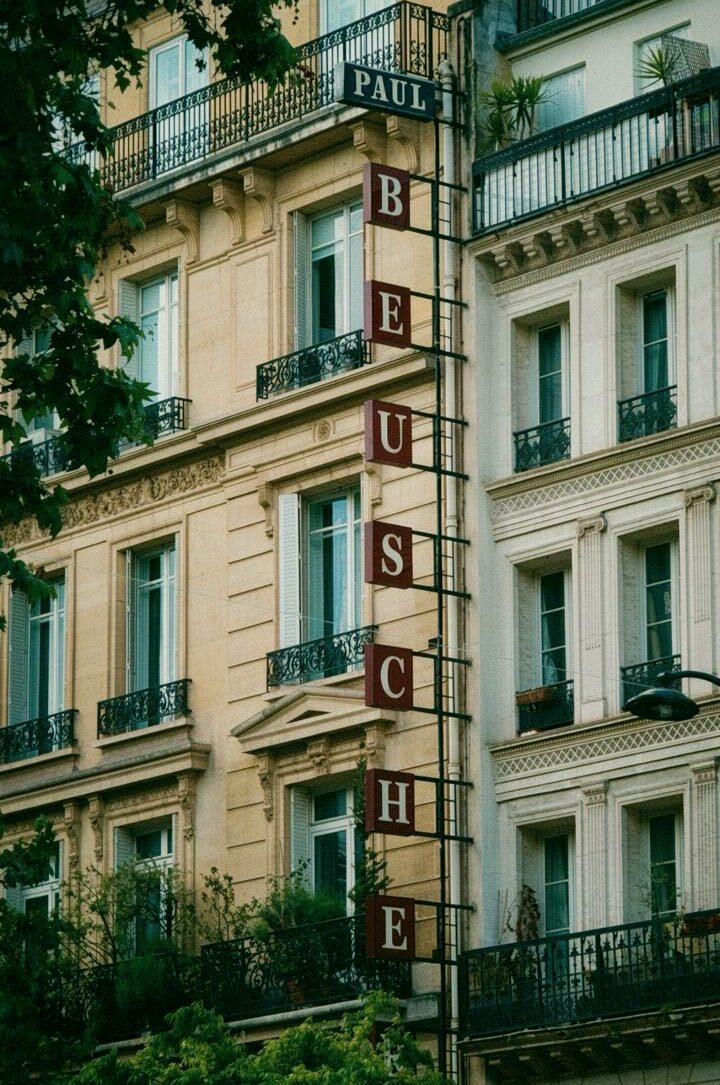
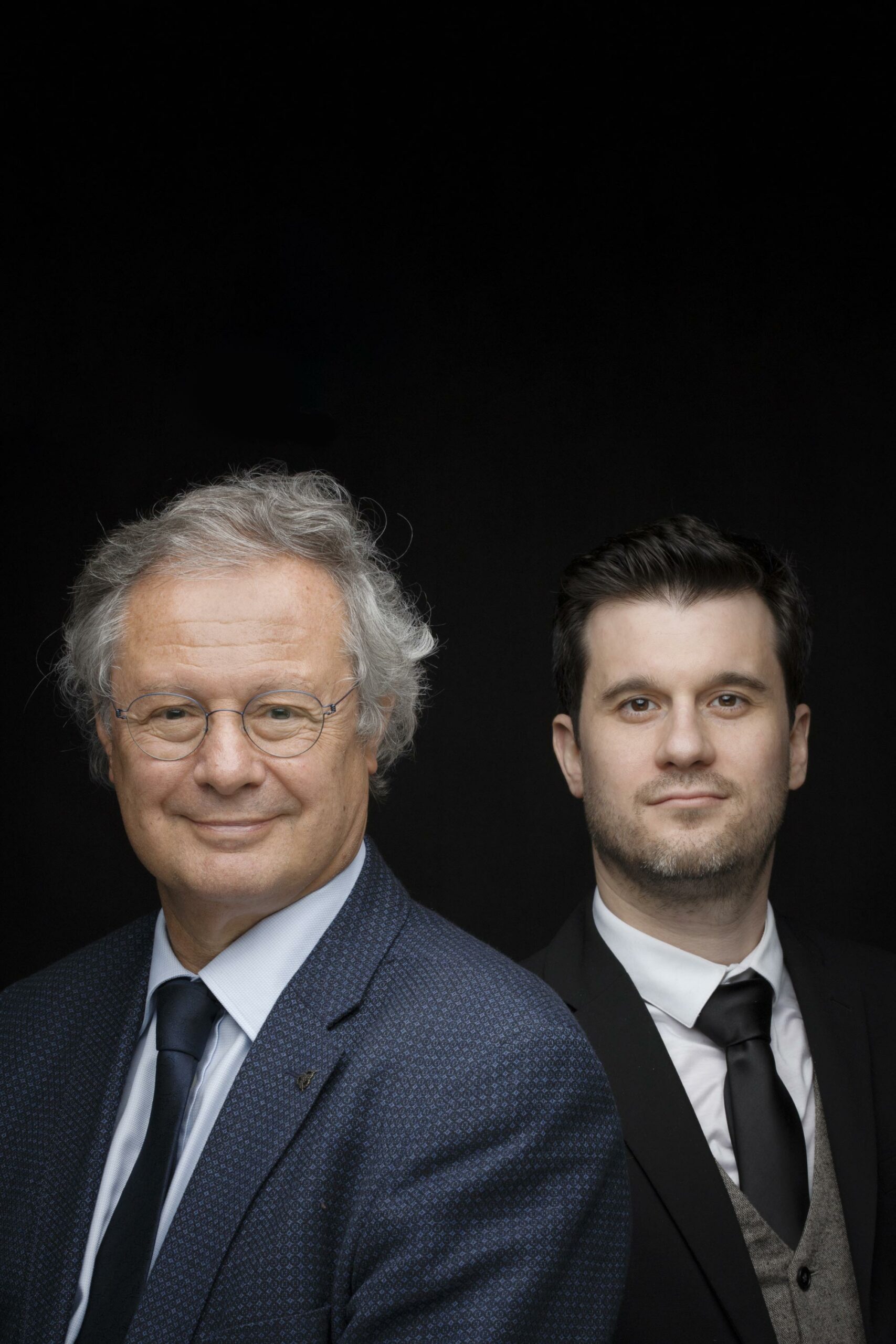
Le 7 octobre 2026, il sera officiellement restitué à la famille de Gabriel Girondelot à la Maison Paul Beuscher, à Paris – un événement exceptionnel coordonné par Musique et Spoliations. Lors de cette soirée, Sarah Dayan jouera le violon fraîchement restauré, accompagnée au piano par David Kadouch.
Ainsi, la réapparition de l’instrument à Vichy Enchères et les recherches entreprises par la suite auront permis sa restitution, quatre-vingt-six ans après sa spoliation.
While preparing for our December 2024 sale of fine string instruments, we were presented with a Caressa & Français violin made in Paris in 1905 and bearing the number 152. Our usual provenance searches prior to the sale revealed that this instrument had disappeared in 1940 and been reported missing since the end of the war. Its sale was immediately suspended, and further research was conducted to trace the instrument’s history and locate its rightful owners. On 7 October 2026, 86 years after it disappeared, the Caressa & Français violin no. 152 will be officially returned to the family who owns it by the association Musique et Spoliations at the Paul Beuscher store in Paris. To mark the occasion, the violin will be played by violinist Sarah Dayan, accompanied on the piano by David Kadouch.
Violin no. 152 was made in 1905 by Caressa & Français, one of the preeminent Parisian violin-making firms of the early 20th century. Albert Caressa and Henri Français took over the firm of Gand & Bernardel in 1901, and continued its activities under their own names. Several violin and bow makers worked in their workshops at the time, including Émile Laurent and Émile Boulangeot on the violin making side, and Victor and Jules Fétique on the bow making side[1].
Fortunately, the Caressa & Français archives have largely been preserved. They are now part of the Lupot / Gand / Bernardel / Caressa & Français” bequest to the Musée de la Musique and include, in particular, several workshop ledgers that allow us to trace the instruments that passed through the hands of these makers.
Research conducted into these archives led to the discovery of our violin, listed as no. 152. These records are a precious source of information in more than one way, as they provide the precise date of manufacture, 10 July 1905, and indicate the name of the maker, i.e. “Laurent”[2].
[1] Sylvette Milliot, Nicolas Lupot, ses contemporains et ses successeurs, Pique, Thibout, Gand, Bernardel, Messigny-et-Vantoux, JMB Impressions, 2015, volume I
[2] Musée de la musique, registre d’inventaire de l’atelier Caressa & Français, 10 juillet 1905, inv. E.981.8.8
This mention almost certainly refers to Émile Laurent fils, born in Mirecourt in 1875. He initially worked for Paul Blanchard in Lyon between 1894 and 1896, before joining Émile Germain in Paris from 1897 to 1902. He subsequently joined the firm of Caressa & Français, where he remained until 1908.
The timeline is particularly compelling, given that Émile Laurent was working in the workshop of Caressa & Français in July 1905. It is therefore highly likely that he is indeed the luthier who made our instrument.
Unfortunately, the Caressa & Français records do not reveal the name of the violin’s original owner. It was not until 1945, when Gabriel Girondelot wrote to the Commission de récupération artistique (Commission for the recovery of artworks), that the Caressa violin became associated with his name.
This declaration also sheds light on the circumstances around the instrument’s disappearance. In 1940, Gabriel Girondelot, a notary in Vitry-le-François, had stored some of his possessions in two châteaux in the Marne department, in Loisy-sur-Marne and in Maisons-en-Champagne. On 12 June, in the face of the advance of the German troops, he left the region with his family to seek refuge in the south of France. Several instruments, including the Caressa in question, were being kept at the Château de Maisons-en-Champagne at the time.
According to a statement drawn up after the war, five violins were taken by German soldiers on 15 June 1940. They were loaded onto a truck along with various other items, including bicycles and a sewing machine. The Richers, the château’s gardeners, reportedly witnessed their removal [1].
[1] Archives diplomatiques, dossier Gabriel Girondelot, 209SUP/9, dossier 45.119
Therefore, after the war, Gabriel Girondelot took steps to recover his instruments.
On 14 April 1945, he wrote to the Commission de récupération artistique and drew a list of the five violins that had been stolen from him. Among them was the Caressa of 1905. Three days later, on 18 April, the Commission asked Mr. Géraudel, an archivist, to appraise the five instruments subject to the restitution claim[1].
Despite these efforts, the violin was not recovered. It was subsequently listed in the Répertoire des biens spoliés en France durant la guerre 1939 – 1945 (Register of property looted in France during the 1939 – 1945 War), appearing under reference number 2176 as “Caressa, violin, 1905 no. 152”, with Gabriel Girondelot listed as the owner[2]. All trace of the instrument was lost for more than 80 years.
[1] Archives diplomatiques, dossier Gabriel Girondelot, 209SUP/9, dossier 45.119
[2] Répertoire des biens spoliés en France durant la guerre 1939-1945, supplément aux tomes II, III et IV, p. 109
It is not known how the Caressa violin no. 152 came into Gabriel Girondelot’s possession, as the historical records of the firm of Caressa & Français do not mention an owner. Among the other looted instruments from his collection is a second Caressa violin, whose owner, Eugène Choubry, we know this time. There is indeed no doubt about this, as the instrument bore Eugène Choubry’s name on the back[1].
As it happens, Eugène Choubry was the brother of Madeleine Choubry, the wife of Gabriel Girondelot[2]. He was a violinist and student at the Paris Conservatory, where he was awarded a First Prize for violin in August 1913, and received, on that occasion, the Caressa violin bearing the inscription “Eugène Choubry Ier prix de Conservatoire Paris” in gold letters on the back.
[1] Répertoire des biens spoliés en France durant la guerre 1939-1945, p. 109
[2] Acte de mariage d’Eugène Gabriel Girondelot et de Madeleine Marie Léonie Choubry, Archives municipales de Reims, 1E 552
A photograph taken in Reims on 22 September 1913 shows Eugène Choubry with a violin, though it is not possible to identify the instrument in question[1]. Choubry was mobilized during World War I, temporarily became a second lieutenant in the 20th Infantry Regiment, and was killed in action at a young age on 30 April 1917, at Moronvilliers in Marne[2].
The presence of these two Caressa violins among Gabriel Girondelot’s possessions, combined with his family ties with Choubry, might suggest that violin no. 152 also originally belonged to the violinist. However, without documentary evidence, this remains merely a theory.
[1] Musica, n° 131, août 1913
[2] Service historique de la Défense, dossiers individuels d’officiers, dossier d’Eugène Paul Choubry, sous-lieutenant à titre temporaire au 20e régiment d’infanterie, cote GR 5 YE 128913
In December 2024, i.e. 84 years after its disappearance, the Caressa violin no. 152 resurfaced while we were preparing for our auction of fine instruments scheduled for 2 and 3 December. As is our standard practice, we conducted several provenance checks, in particular against the Art Loss Register. Our searches also led us to consult the Répertoire des biens spoliés (Register of looted assets), where we came across an entry for a 1905 Caressa violin bearing the same number, and which had been reported missing by Gabriel Girondelot in 1945.
The sale was immediately suspended, and we referred the matter to the Ministry of Culture’s Mission for the research and restitution of cultural property looted between 1933 and 1945.
The Musée de la Musique then undertook research into the archives of the Caressa & Français workshop and found violin no. 152 in the register dated 10 July 1905. The cross-referencing of this document with Gabriel Girondelot’s 1945 declaration and the Répertoire des biens spoliés confirmed the instrument’s identity.
The identification of the violin made it possible to initiate proceedings for its restitution. Genealogy experts of the Guénifey practice traced the descendants of Gabriel Girondelot and Madeleine Choubry, who had three children: Marie-Louise, Henri and Geneviève.
Marie-Louise entered the Abbey of Notre-Dame du Val d’Igny, where she eventually became the abbess. The research led to the identification of the rightful owners as well as the abbey, named as a legatee. The association Musique et Spoliations subsequently contacted them to arrange the restitution.
The violin was also entrusted to our experts Jean-Jacques Rampal and Jonathan Marolle of Maison Vatelot-Rampal, where Adelaïde Aumont and Thomas Vibert carried out the restoration work necessary to preserve the instrument and make it playable again.
On 7 October 2026, it will be officially returned to Gabriel Girondelot’s family at the Paul Beuscher store in Paris – an exceptional event organised by Musique et Spoliations. During that evening, Sarah Dayan will play the newly restored violin, accompanied on the piano by David Kadouch.
Therefore, the instrument’s reappearance at Vichy Enchères, and the research conducted subsequently, paved the way for its restitution, 86 years after it was looted.