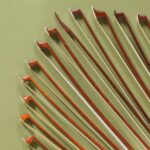
Le 3 décembre 2026, Vichy Enchères vous propose une vente d’archets un peu particulière, organisée au profit de l’IPCI France-Europe – l’une des quatre antennes de l’association internationale œuvrant à la sauvegarde du pernambouc. À cette fin, plusieurs figures incontournables de l’archèterie contemporaine ont accepté de réaliser un archet spécialement pour l’occasion, afin de contribuer à la conservation de cette espèce dont la disparition mettrait en péril un patrimoine à la fois matériel et immatériel.
Vichy Enchères tient à remercier chaleureusement les archetiers qui ont accepté de participer à cette vente et de soutenir l’IPCI. Nos remerciements vont ainsi à Samuel Barreau, Catherine Baroin, Victor Bernard, Sylvain Bigot, Doriane Bodart, Noel Burke, Pascal Camurat, Emmanuel Carlier, Claudia Carmona, Denis Declerck, Niall Flemming, Daniel Formigoni, Jon Hess, Yukari Katayama, Tibor Kovács, Gary Leahy, Yannick Le Canu, Sylvie Masson, Alberto Mateo, Pierre Nehr, Gabriel Pasquier, Magdalena Sapeta, Christophe Schaeffer, Paul Hugo Schloeder, Jean-Yves Tanguy, Joséphine Tomachot et Anna Vaczula.
Face au grave épuisement de la forêt tropicale atlantique brésilienne et aux menaces pesant sur le pernambouc – un arbre endémique de cette région – des centaines d’archetiers du monde entier se sont réunis à partir des années 2000 pour oeuvrer à la conservation de l’espèce, en créant l’International Pernambuco Conservation Initiative (IPCI).
L’association compte aujourd’hui plus de 400 membres issus de 24 pays et répartis en quatre grandes organisations que sont l’IPCI-Canada, l’IPCI France-Europe, l’IPCI-Allemagne et l’IPCI-USA. L’association élabore des plans d’action pour inverser la dynamique néfaste au pernambouc et assurer sa préservation, ainsi que la restauration de l’espèce par la mise en place des conditions nécessaires à son utilisation durable.
Les actions de l’IPCI sont financées par ses membres, en grande majorité des archetiers, qui s’engagent depuis plusieurs années pour la préservation du pernambouc.
Souhaitant à son tour soutenir cette mobilisation et contribuer au financement des programmes de conservation de l’association, Vichy Enchères organise le 3 décembre 2026 une vente caritative réunissant près d’une trentaine d’archetiers, qui ont accepté de consacrer une partie de leur temps et de leur savoir-faire à la réalisation d’instruments spécialement conçus pour l’occasion.
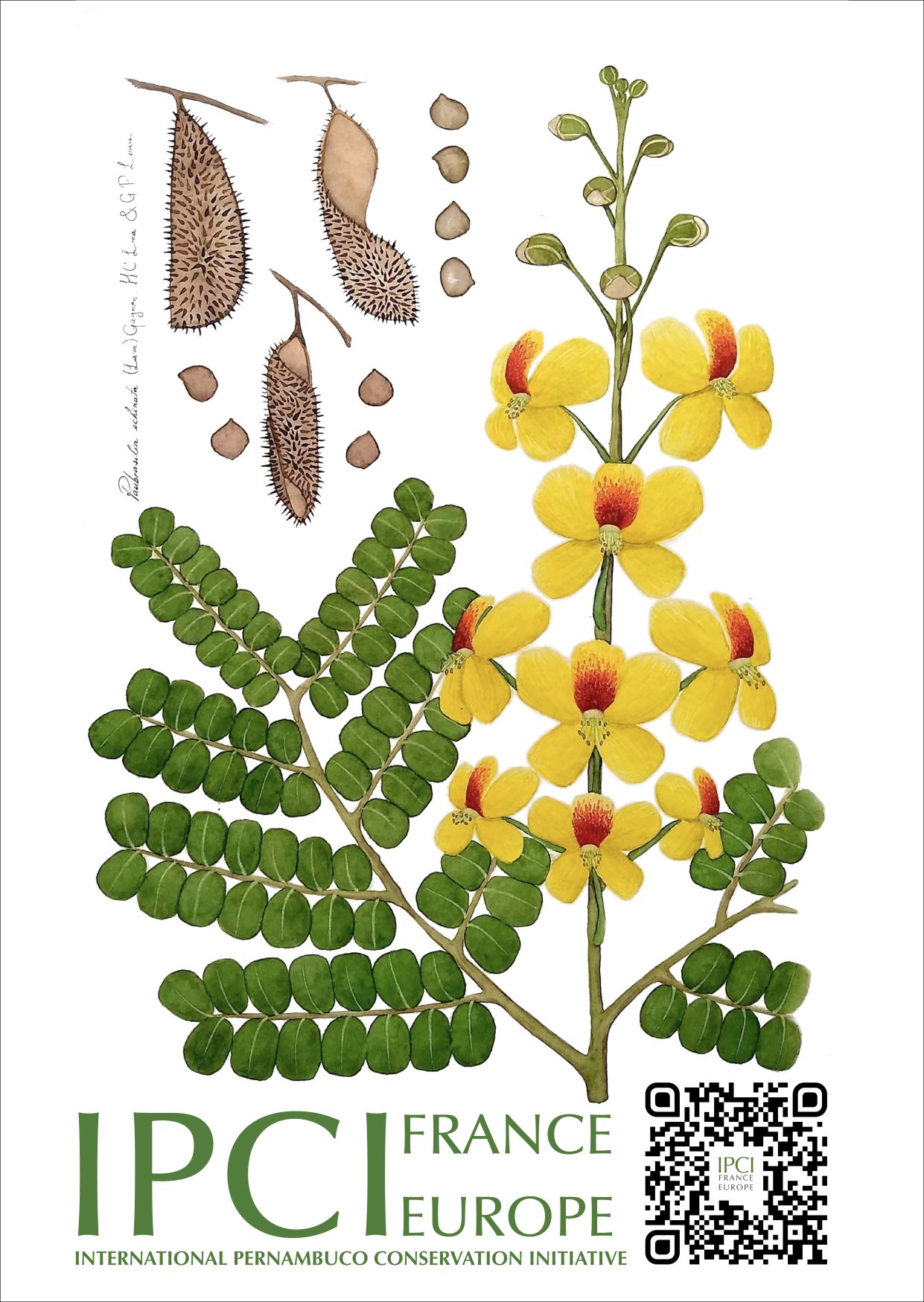
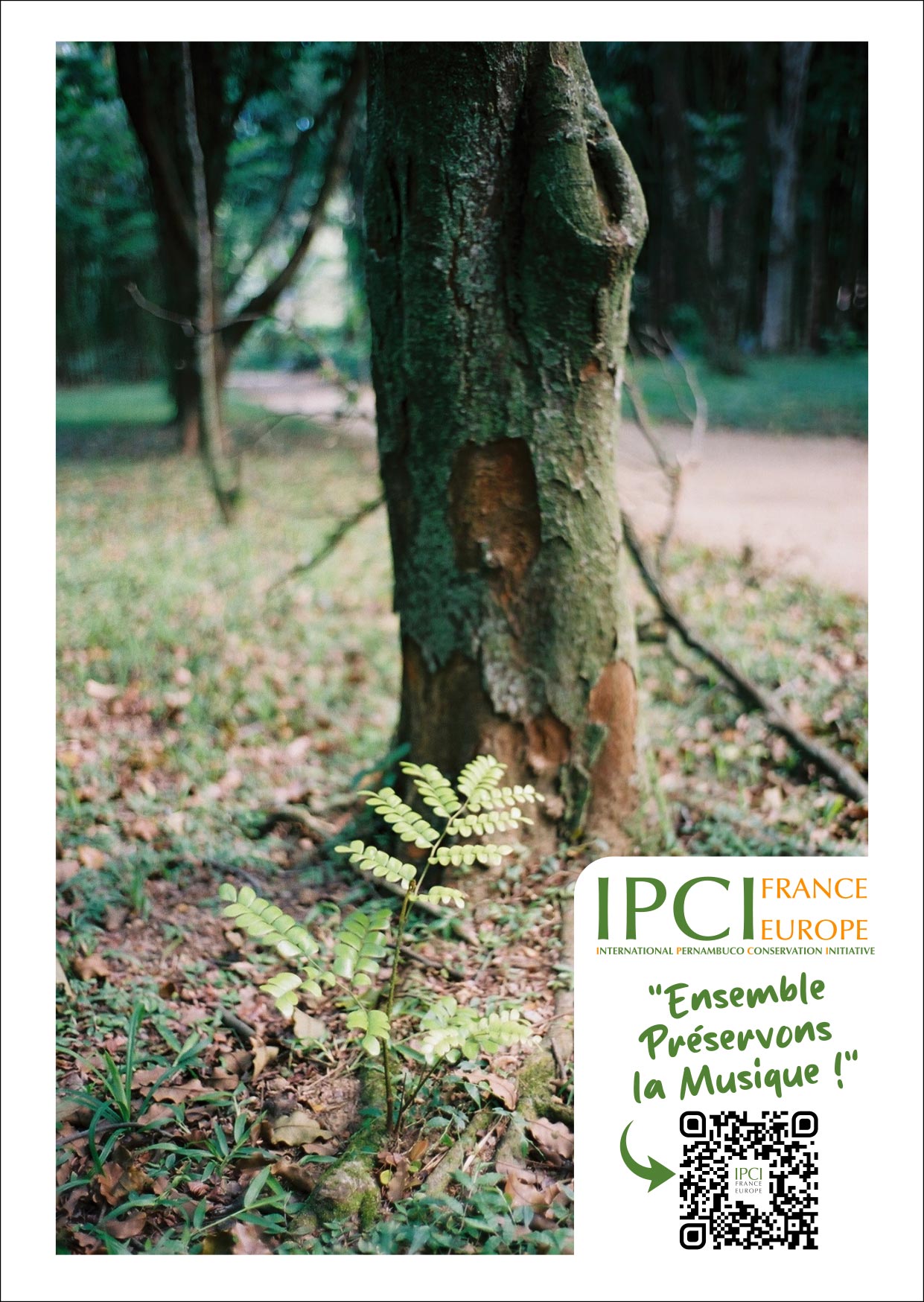
Il faut dire que la forêt atlantique brésilienne a perdu une grande partie de sa superficie depuis le début de la colonisation du pays. Selon la fondation SOS Mata Atlântica, seul 12,4 % de sa couverture forestière originelle subsiste sous forme de forêts matures relativement préservées.
Cette disparition s’explique principalement par le développement de l’agriculture, notamment les plantations de canne à sucre et de café, puis par l’extension des pâturages et l’urbanisation.
Si le pernambouc a également été exploité pour son bois, la disparition de son habitat naturel résulte donc de transformations bien plus vastes, engagées plusieurs siècles auparavant.
Pour tenter d’enrayer cette disparition, l’IPCI a noué des partenariats avec plusieurs organismes scientifiques et environnementaux brésiliens, ainsi qu’avec des agriculteurs locaux.
Entre 2001 et 2022, ces collaborations ont permis la plantation de 340 800 jeunes plants de pernambouc, dont certains dans des zones destinées à la conservation de l’espèce et d’autres au sein d’exploitations agricoles, notamment des plantations de cacao.
Ces arbres pourront, à terme, contribuer au renouvellement du pernambouc et, pour certains, fournir du bois destiné à l’archèterie, dans le respect de la législation brésilienne.
Plus qu’un drame sur le plan naturel, cet épuisement des réserves de pernambouc représente un appauvrissement sur le plan culturel, puisqu’il menace toute la filière de la musique au sens large. En effet, depuis plus de 200 ans – notamment grâce aux travaux de François-Xavier Tourte (1747-1835), considéré comme le père de l’archet moderne – ce bois est indissociable de la confection de l’instrument.
Sa survie est essentielle à la communauté musicale, puisque le pernambouc est lié à l’histoire des instruments à cordes et à l’évolution de leur répertoire.
Sa disparition menacerait ainsi bien davantage qu’un savoir-faire artisanal, puisqu’elle toucherait aussi à la transmission d’un patrimoine musical qui, au fil des siècles, s’est enrichi des échanges entre les peuples et participe aujourd’hui de notre héritage culturel commun.
“La conservation du pernambouc est d’une importance cruciale pour notre métier et pour la musique d’instruments à cordes.
Pour les musiciens confirmés et les professionnels, il n’y a tout simplement pas de substitut à la capacité de jeu et à la création de tonalité rendues possibles par le pernambouc.
Comme les instruments, chaque archet est unique dans ses qualités et est lui-même une œuvre d’art et de culture historique. Il n’est pas exagéré de dire que l’avenir de la musique pour instruments à cordes telle que nous la connaissons dépend à la fois de la conservation de l’espèce et d’une approche équilibrée de la réglementation commerciale.”[1]
[1] Les actions de l’IPCI en faveur de la conservation du pernambouc au Brésil, 2001-2022. Document de synthèse publié par l’International Pernambuco Conservation Initiative (IPCI), 27 octobre 2022.
La vente du 3 décembre prochain réunira ainsi des archets réalisés spécialement pour l’occasion par plusieurs grands noms de l’archèterie contemporaine.
Aux pièces individuelles viendront s’ajouter deux réalisations collectives, l’une réunissant Doriane Bodart, Pierre Nehr, Niall Flemming, Samuel Barreau, Victor Bernard et Jon Hess, sous le nom de Viola’s 22, l’autre réalisée par Emmanuel Carlier, Yannick Le Canu et Sylvain Bigot, au sein du collectif YES.
Certains archetiers ont également choisi de présenter plusieurs archets, tels que Christophe Schaeffer. Tous ont accepté de consacrer une partie de leur travail à cette initiative, dont les bénéfices destinés à l’IPCI France-Europe contribueront à poursuivre les programmes de conservation du pernambouc.
Nous vous donnons rendez-vous le jeudi 3 décembre 2026 à Vichy Enchères pour découvrir ces réalisations et soutenir l’IPCI.
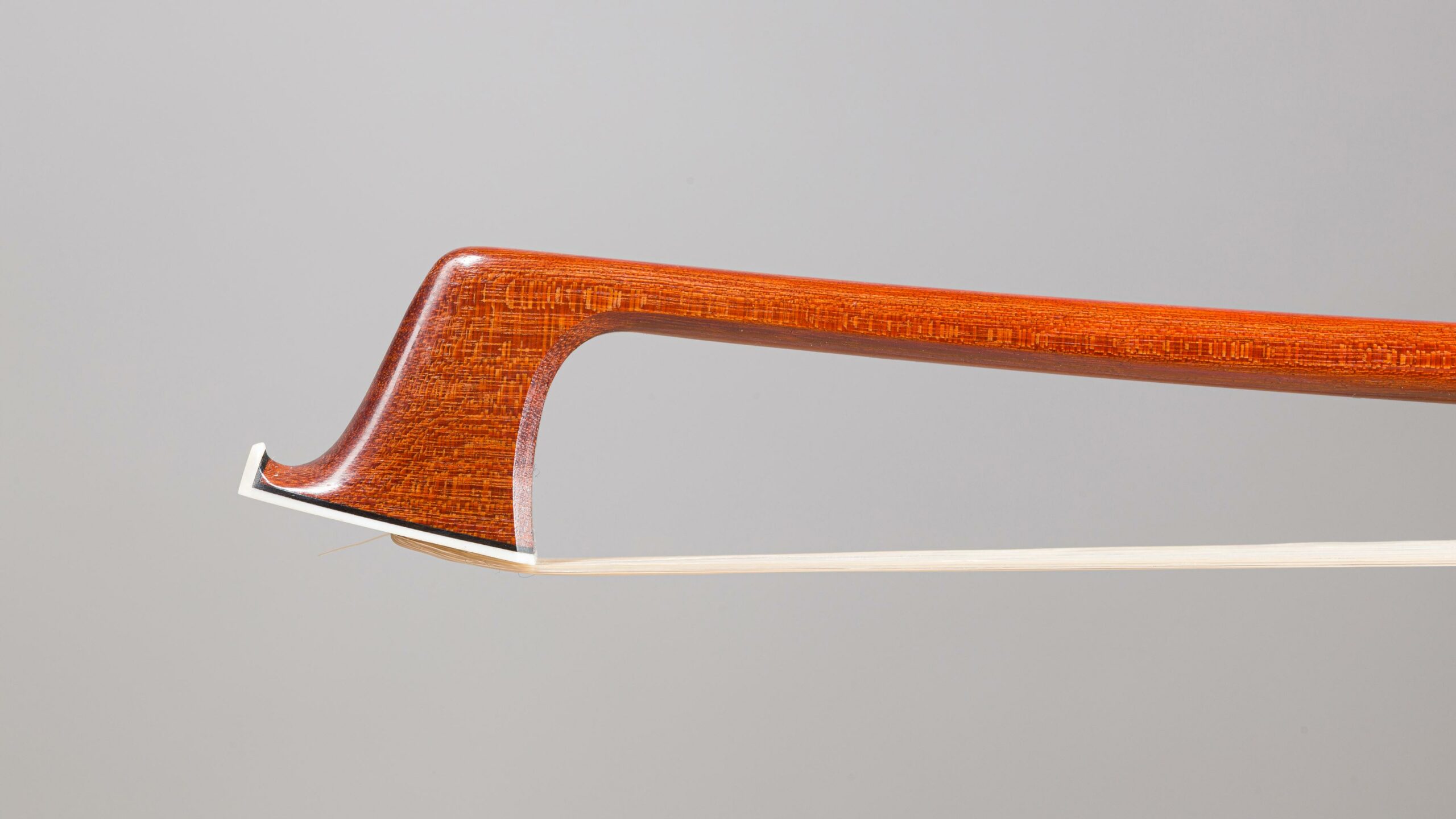
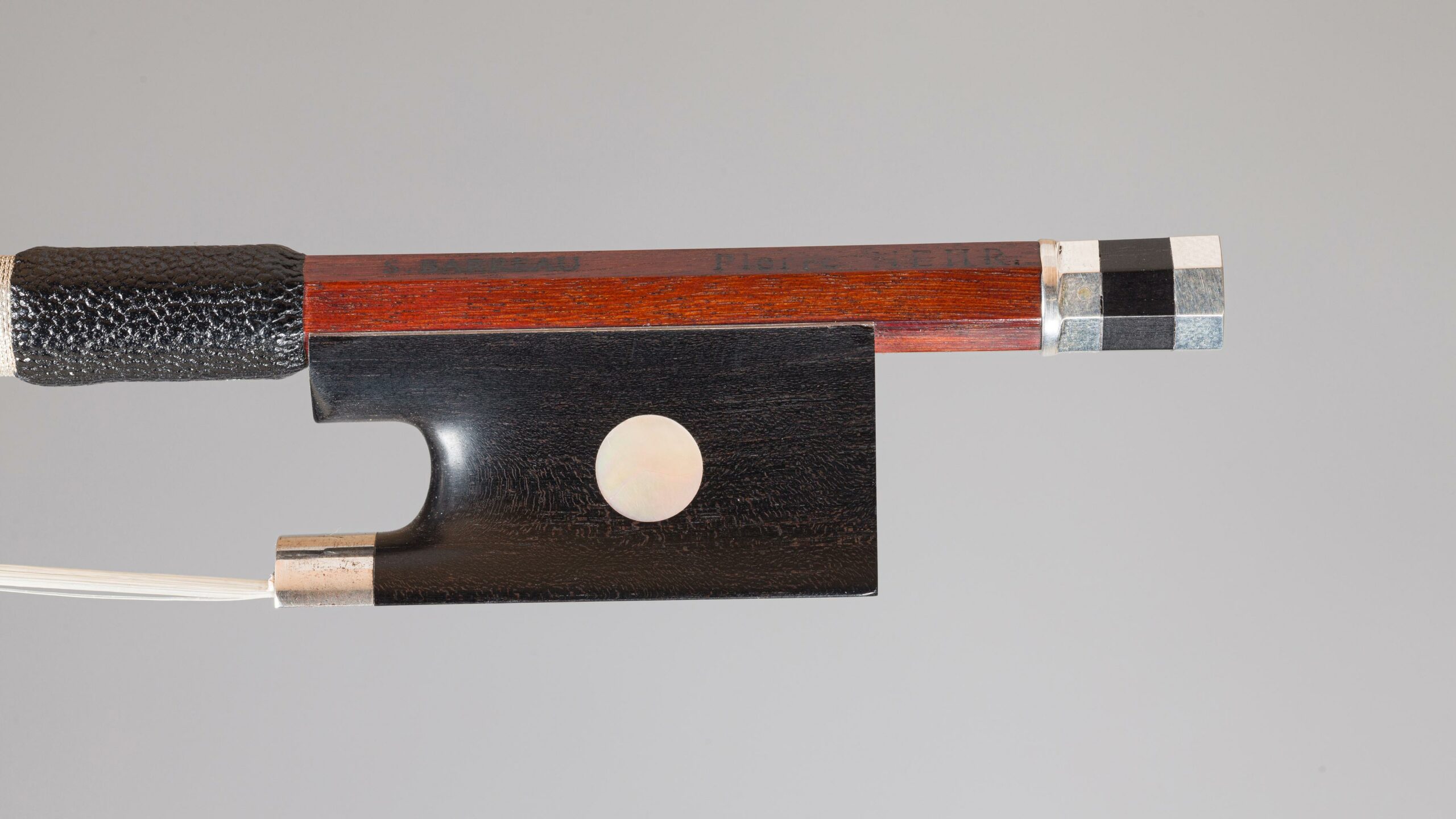
À l’occasion du congrès Viola’s 2022, un premier archet d’alto avait été réalisé et offert à la lauréate du concours de jeunes musiciens. Nous avons souhaité prolonger cette initiative en profitant de l’occasion pour réaliser un second archet d’alto dans nos ateliers. Celui-ci a été prêté pendant une année au deuxième lauréat du concours. Nous sommes aujourd’hui heureux de proposer cet archet à la vente, au profit de l’IPCI France-Europe, afin de soutenir ses actions en faveur de la préservation et de la protection du pernambouc.
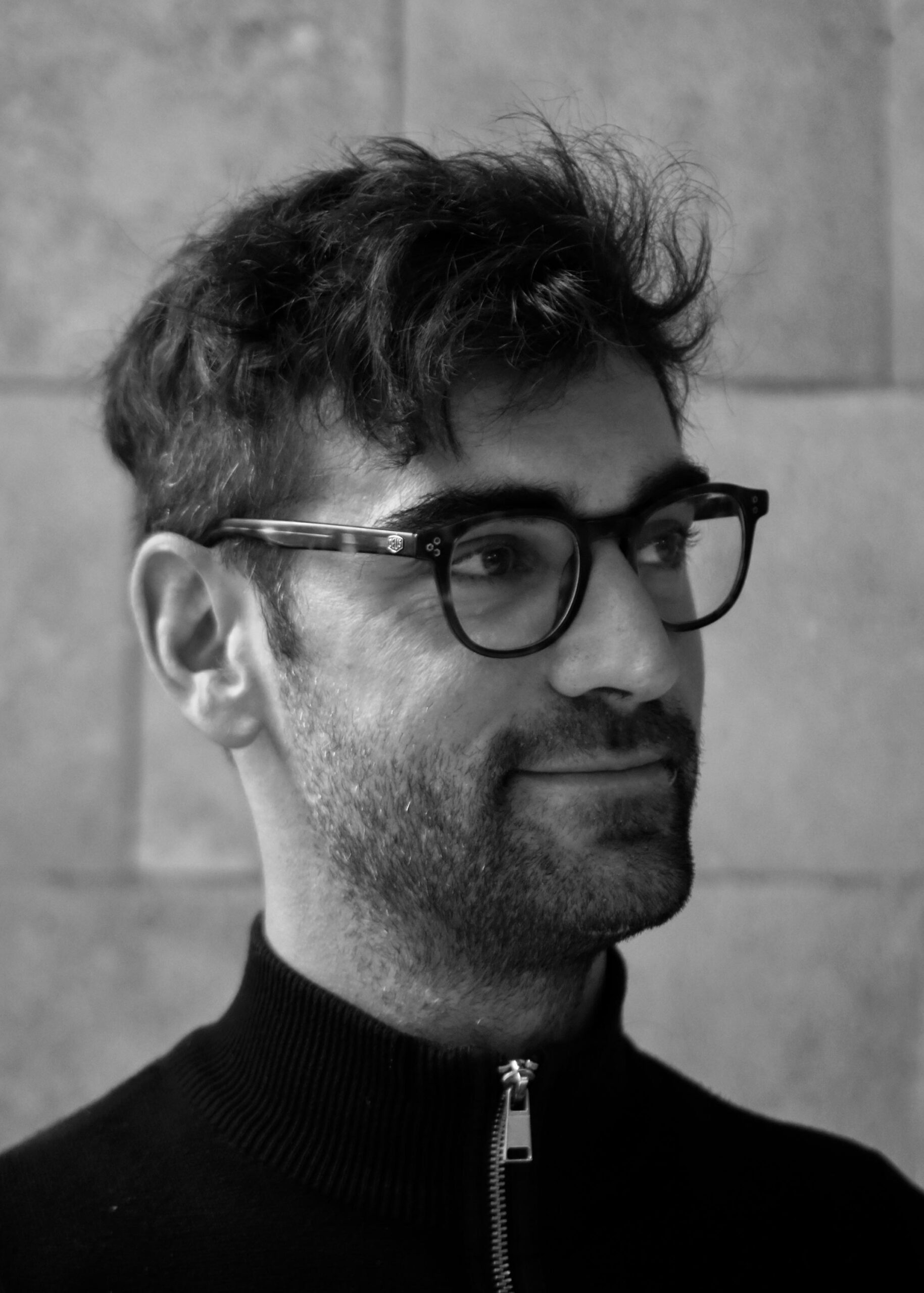
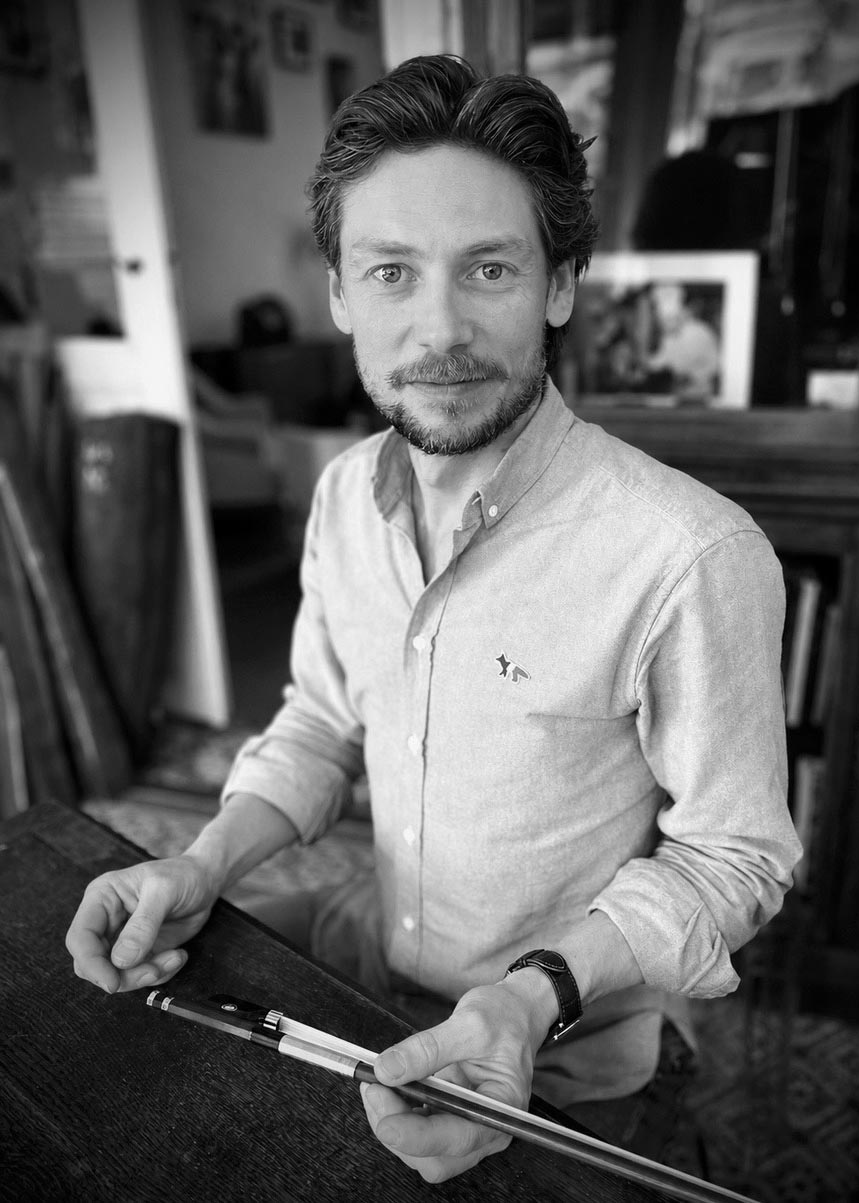
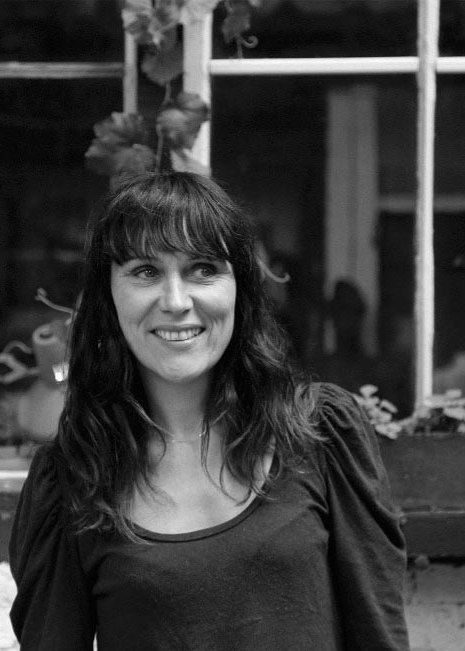
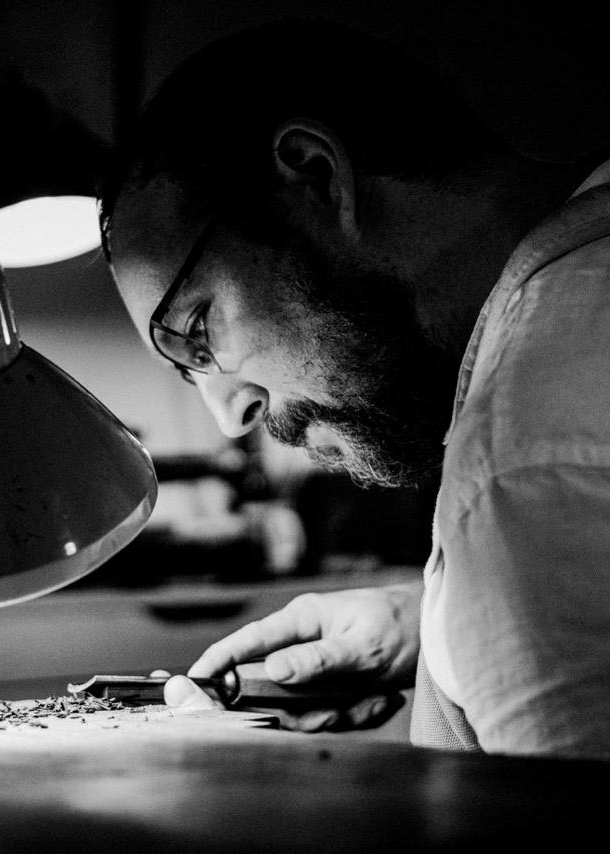
Après un cursus de violon au Conservatoire de Toulouse, il quitte le sud de la France pour Mirecourt afin de se former aux rudiments de la lutherie à l’école Jean-Jacques Pages.
Il exerce ensuite le métier de luthier pendant quelques années, mais c’est à la faveur d’une formation auprès d’Emmanuel Bégin, en 2013, à Montréal (Canada), qu’il oriente sa carrière vers la spécialisation en archeterie.
Il affine ensuite sa technique avec quelques grands noms de l’archeterie contemporaine comme Arthur Dubroca et Alexandre Aumont, Yannick Le Canu, ou encore Jean-Luc Tauziede.
En 2015, il ouvre son atelier d’archeterie à Toulouse, au sein d’un local qu’il partage avec un confrère luthier (Benoît Germain) et une librairie musicale (Le Croquenotes).
En 2019, il est lauréat du concours Viola’s et se voit décerner le prix coup de cœur Etienne Tavitian.
Victor Bernard est né en 1985 près de Paris, en France.
Après avoir obtenu son diplôme à la Newark School of Violin Making, en Angleterre, passionné par la fabrication d’archets, il a multiplié les expériences professionnelles auprès de fabricants d’archets de renom en Europe.
En 2014, il rejoint l’Atelier Flagey à Bruxelles et travaille aux côtés de la luthière Joanne Van Bosterhaut.
Victor est membre fondateur d’Ekho en Belgique et de Klanggestalten en Allemagne, associations créées pour promouvoir la lutherie et la fabrication d’archets contemporains à travers des expositions, des concerts, des masterclasses et des conférences.
Il participe régulièrement à des salons internationaux de fabrication d’archets, en Belgique, en France, en Allemagne, en Angleterre, en Irlande, aux États-Unis, au Japon…
Il a remporté six médailles d’or au concours de la Violin Society of America, ce qui lui a permis d’obtenir le statut « Hors Concours » et ne lui permet donc plus de présenter son travail. Il a également remporté le premier prix du concours de fabrication d’archets de Viola’s Paris, ainsi qu’une médaille d’or, deux d’argent et une de bronze au Concours international de fabrication d’archets de Mittenwald, en Allemagne.
Née de parents luthiers, elle fait son apprentissage en 1994 à Mirecourt chez Gilles Duhaut, à Bruxelles chez Pierre Guillaume, puis chez Stéphane Thomachot à Paris, chez qui elle reste 3 ans.
Elle se perfectionne auprès de Noel Burke en Irelande. En 1999, elle s’installe à Paris et développe ses propres archets en travaillant uniquement dans la tradition française.
Ses archets sont joués par des membres de quatuor, des solistes, et des musiciens d’orchestre dans le monde entier.
Niall est un archetier primé qui vit et travaille à Bruxelles, en Belgique. Parmi ses distinctions figurent deux médailles d’or de la Violin Society of America (2022), le 2ème Prix au Concours d’Archeterie Violas à Paris (2019) et quatre certificats de fabrication de la Violin Society of America (2018/2024). Niall s’inspire pour son travail de l’âge d’or de l’archèterie française. Certaines de ses plus grandes influences incluent les œuvres de E. Pajeot, N. Maire et F. X. Tourte. Niall a été formé à la méthode française traditionnelle par Noel Burke et la lignée de sa formation remonte à Bernard Ouchard par Noel Burke et Stéphane Thomachot.
Niall est né à Brisbane, en Australie, en 1987, et a grandi en Irlande. Il est un musicien de la musique irlandaise traditionnelle passionné depuis son plus jeune âge et a reçu plusieurs prix pour son jeu lorsqu’il était plus jeune. Son amour pour la lutherie s’est manifesté à l’âge de 16 ans, lorsqu’il a suivi le cours d’été de lutherie, dirigé par Juliet Barker à Cambridge. C’est là qu’il a entendu parler de l’école de fabrication d’instruments de musique de Newark et, dès qu’il a terminé ses études, il s’est inscrit et a terminé le cours en 2010. Au cours de sa dernière année à Newark, Niall a travaillé à temps partiel dans la branche londonienne de Stringers. d’Édimbourg, où il a acquis sa première expérience de l’entretien de base des archets. C’est là qu’il décide de se lancer dans l’archèterie et obtient un apprentissage chez Pierre Guillaume de la Maison Bernard à Bruxelles. Son travail était principalement axé sur la restauration et l’entretien des archets, mais il a eu l’occasion de travailler avec de nombreux beaux archets français et était déterminé à poursuivre la fabrication dans ce beau style.
À la fin de cet apprentissage, Niall a recherché le célèbre archetier irlandais Noel Burke pour approfondir sa fabrication. Il a passé deux ans à travailler sur un banc à côté de Noel dans son atelier, absorbant autant de connaissances que possible. Il a ensuite ouvert son premier atelier à Kilkenny, en Irlande, tout en maintenant une relation de collaboration avec son ancien maître afin de perfectionner ses compétences et son style.
En 2020, Niall est retourné à Bruxelles, où il continue de travailler depuis son petit atelier.
Violoniste et archetier, Jon Hess a appris le violon et le piano dès son plus jeune âge, ce qui l’a conduit à étudier le violon dans des académies de musique au Danemark, en Allemagne et en France. Il a ensuite donné des concerts en tant que chambriste et soliste dans plusieurs pays européens. Un contrat à l’Opéra d’État de Kassel, en Allemagne, lui a permis de découvrir le monde de la musique lyrique. Durant cette période, sa passion pour les archets s’est développée et, à l’été 2015, sa rencontre avec le maître archetier Gilles Duhaut lui a offert l’opportunité de passer deux ans dans son atelier à étudier intensivement la fabrication d’archets neufs selon la tradition française transmise par Bernard Ouchard. Après cet apprentissage, il a continué à perfectionner son art dans les ateliers de maîtres archetiers tels qu’Ulf Johansson, Pascal Camurat et Pierre Nehr, et a également travaillé avec plusieurs musiciens professionnels pour améliorer les qualités sonores de ses archets.
Depuis 2018, il possède son propre atelier en France et, en 2019, il l’a transféré en Alsace afin de se consacrer pleinement à la fabrication d’archets neufs. Il a reçu le prix « Coup de cœur Marion DUCHESNE » au concours international de fabrication d’archets « CONCOURS D’ARCHETERIE VIOLA’S 2019 » à Paris, où il était le plus jeune candidat. En 2023, il a remporté le 3e prix dans la catégorie alto lors du 1er concours international de lutherie et de fabrication d’archets à Mirecourt, LAME. En 2025, il a remporté le premier prix du concours international de fabrication d’archets de contrebasse à Namur.
Aujourd’hui, il se consacre à la création d’archets artisanaux, selon la tradition française. Son travail s’inspire des maîtres français du XIXe siècle, auxquels il apporte sa touche personnelle. En juillet 2026, il a remporté trois prix au 2e Concours international de lutherie (violon et archet) de Mirecourt, LAME : le prix spécial du jury d’archet pour un archet de contrebasse, le prix spécial des musiciens Léo Genet pour un archet de contrebasse et le 3e prix pour un archet de violon.
En septembre 1995, à l’âge de seize ans, Pierre Nehr débute son apprentissage auprès de son frère Jean-Pascal, à Marseille. En 1998, il obtient à Mirecourt son diplôme de fin d’apprentissage d’archetier. En 2002, il ouvre son propre atelier à Paris, où il se consacre à la fabrication d’archets de sa propre conception et à la restauration d’archets anciens pour des luthiers, marchands et collectionneurs internationaux.
À l’été 2024, après plus de vingt ans passés à Paris, il se réinstalle près d’Aix-en-Provence afin de se consacrer entièrement à la création de ses archets. Chacun de ses archets est entièrement réalisé à la main. Son travail s’inscrit dans la grande tradition des maîtres français du XIXᵉ siècle, dont il perpétue l’héritage tout en y apportant sa sensibilité, sa vision et sa touche personnelle.
Son travail a notamment été récompensé par un certificat de mérite pour un archet de violon au concours de la Violin Society of America en 2008, une médaille d’or pour un archet de violoncelle et une médaille de bronze pour un archet de violon au concours de Mittenwald en 2010, ainsi qu’un certificat de mérite pour un archet de violoncelle au concours de la Violin Society of America en 2012.
En 2023, il obtient le Grand Prix des jurys archetiers pour un archet de violoncelle au concours international de Mirecourt.
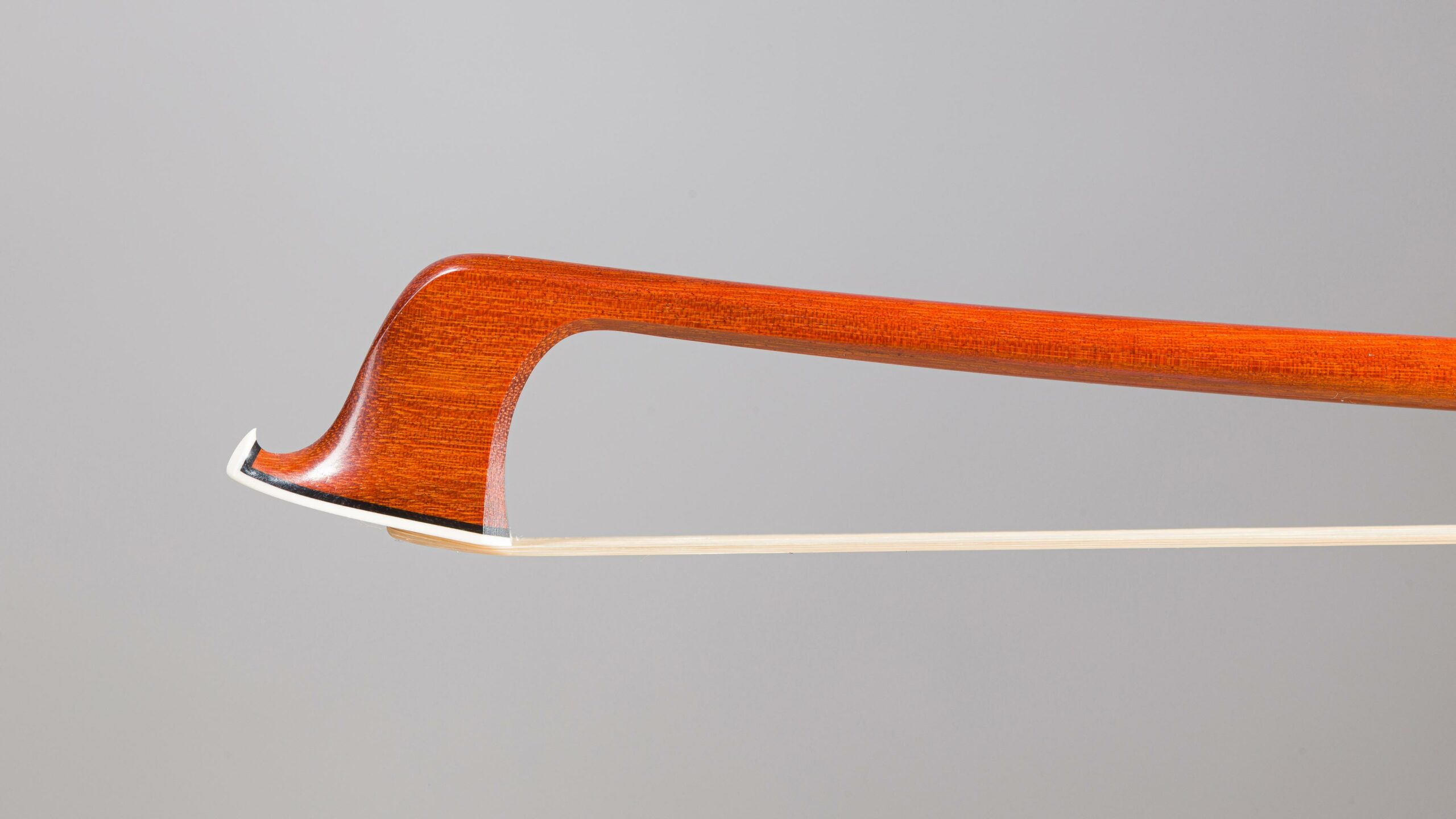
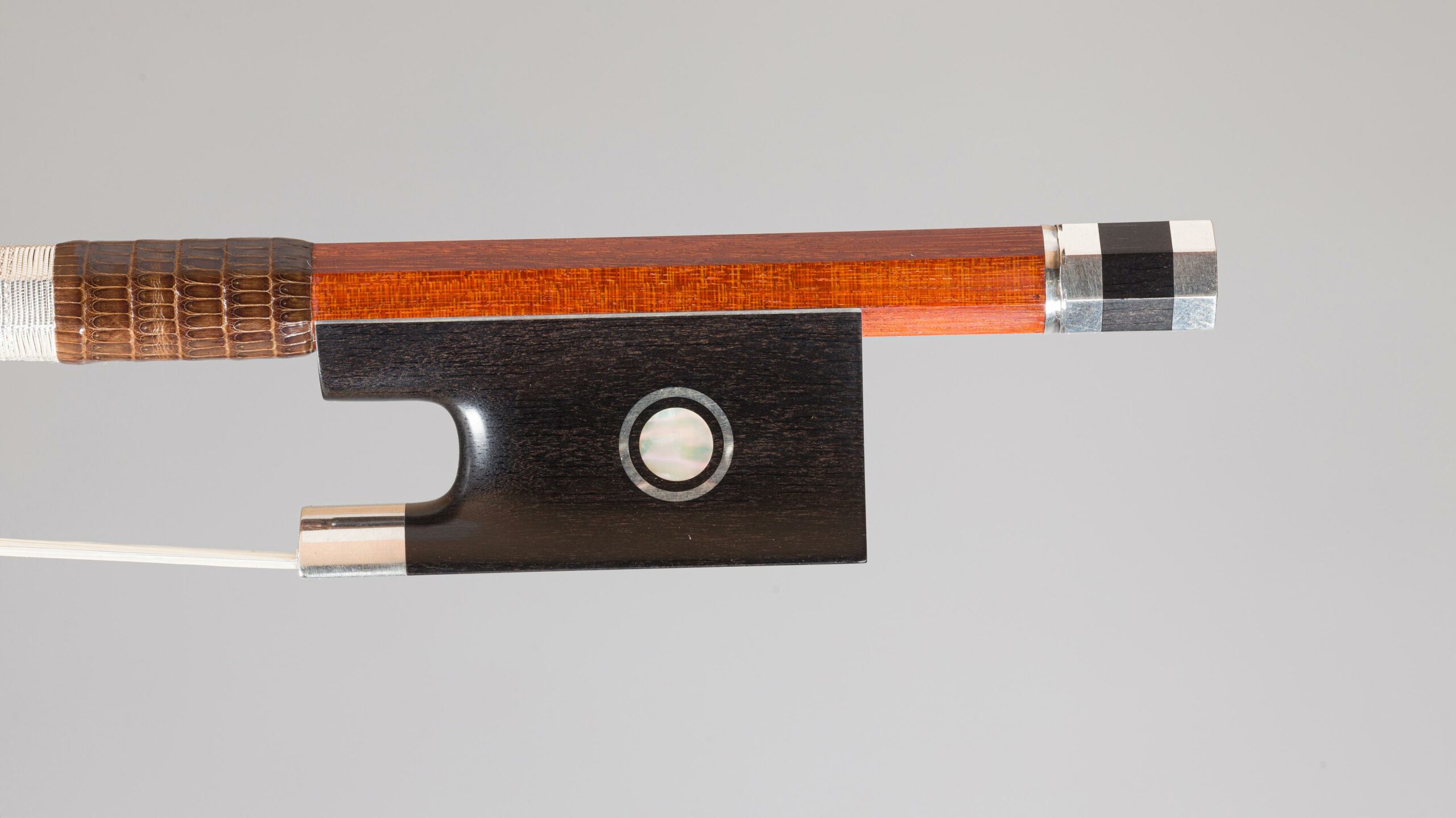
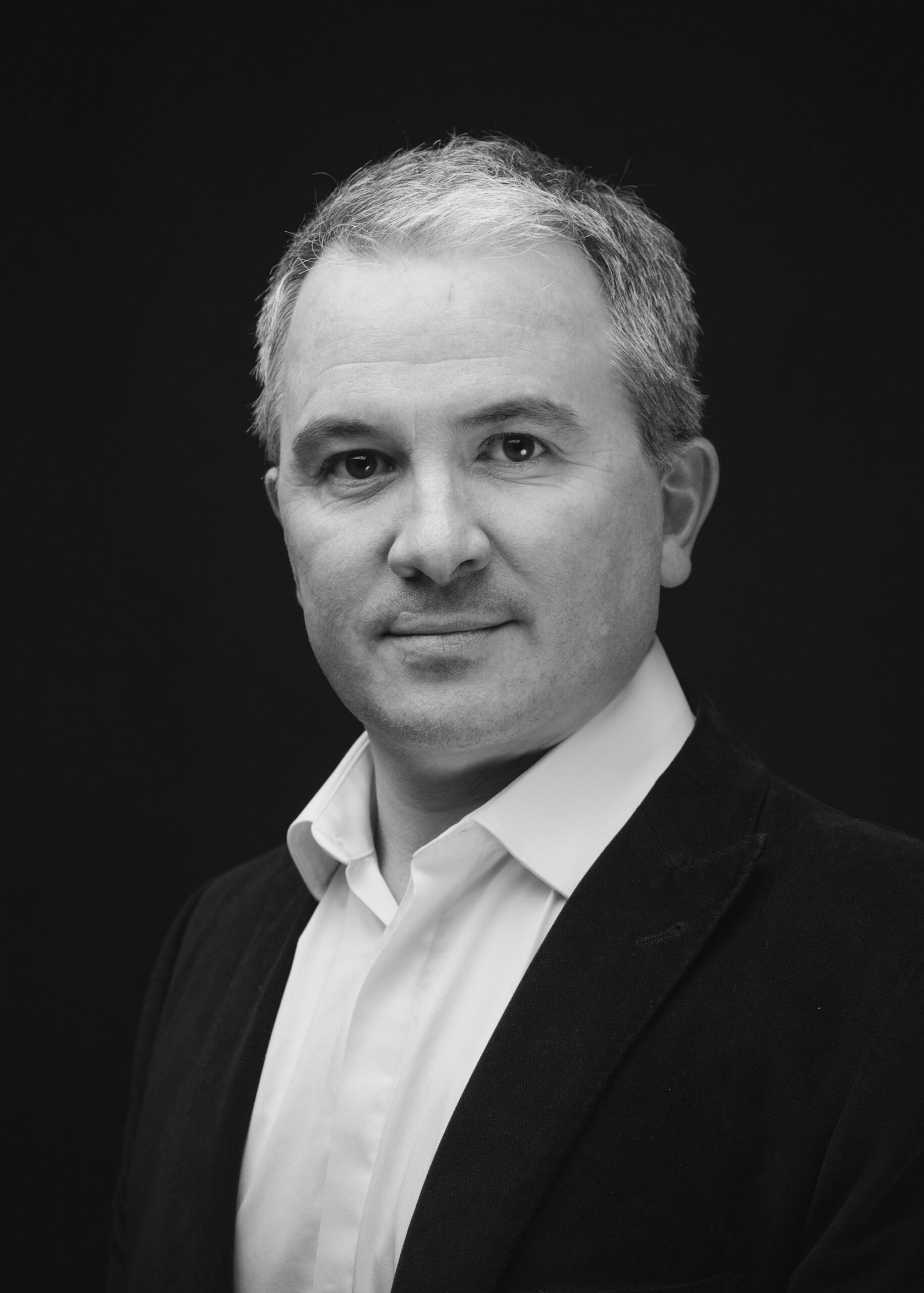
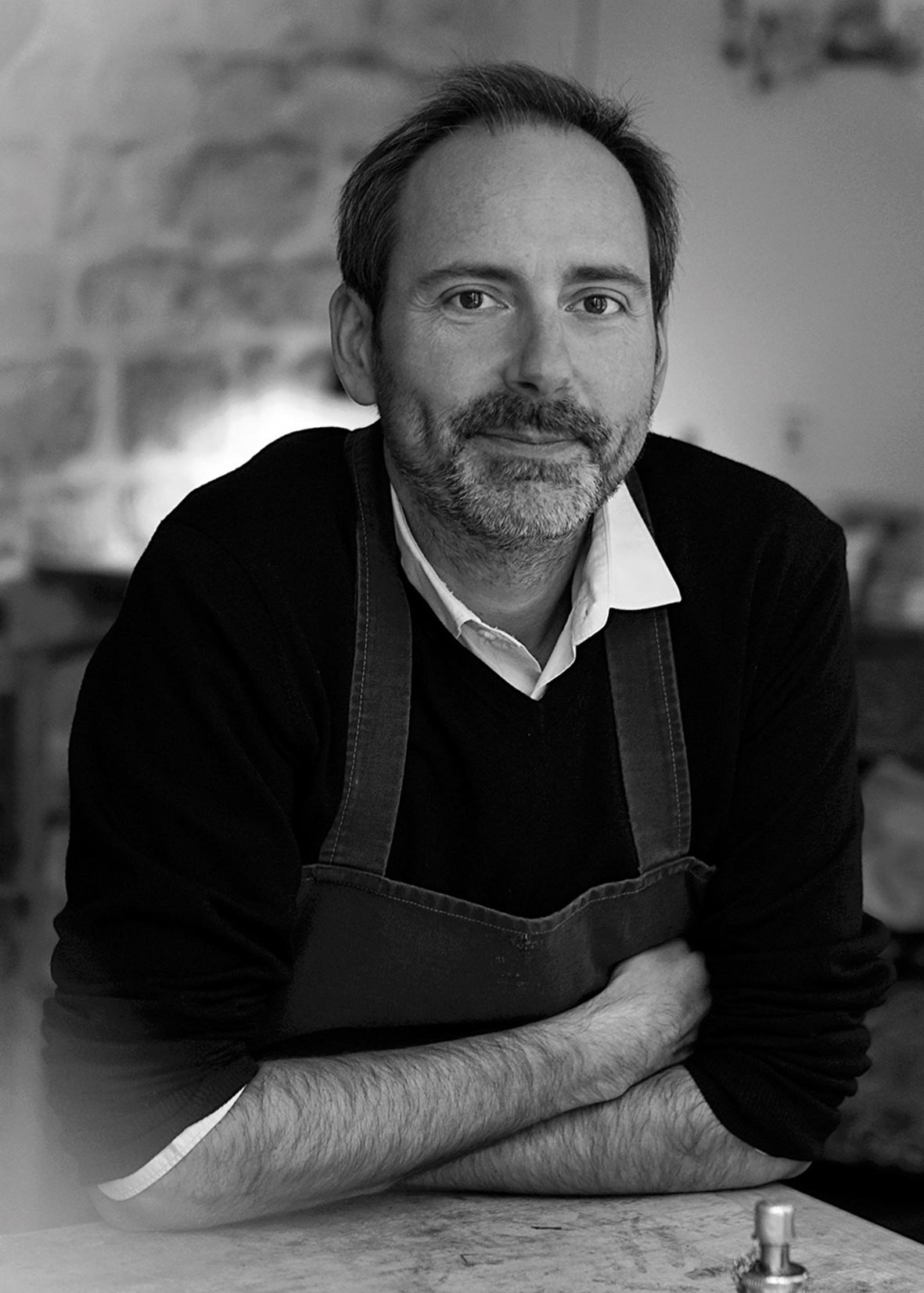
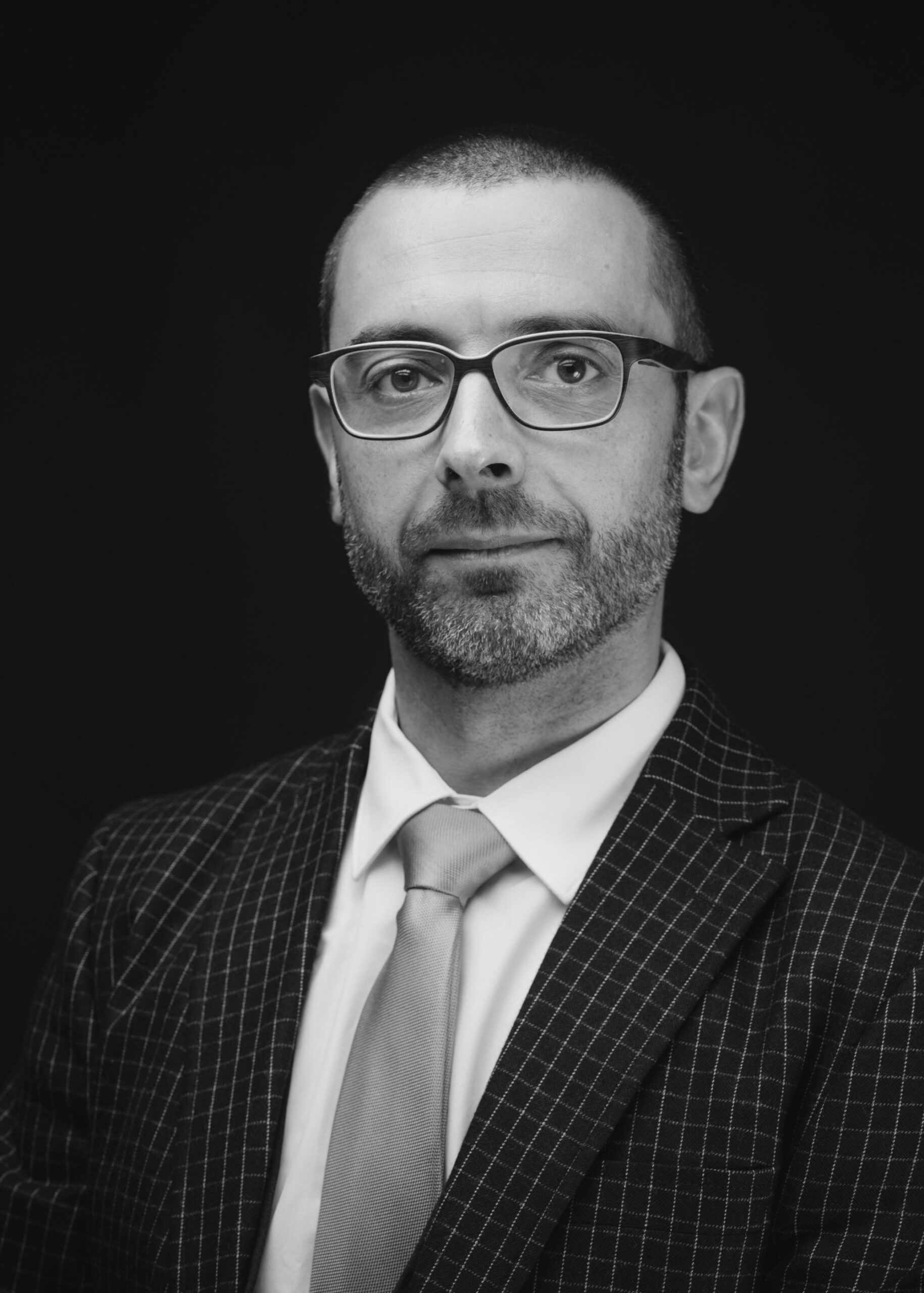
Honoré de la médaille d’argent au concours de la ville de Paris et du titre de l’« Un des Meilleurs ouvriers de France » en 2011 pour son travail de lutherie, Sylvain Bigot est expert près de la Cour d’Appel de Paris.
A chaque fois qu’un archet ancien lui est présenté, Sylvain Bigot se lance dans une nouvelle enquête historique. « J’observe les détails de fabrication, les particularités techniques et stylistiques afin de pouvoir le dater avec exactitude et retrouver ainsi son auteur. Car les grands archetiers français des XVIIIème et XIXème siècles ne signaient jamais leurs modèles », détaille ce passionné d’histoire de l’archèterie française. Plus de 1 000 archets anciens lui sont en effet soumis à expertise chaque année, avant leur mise aux enchères lors des grandes ventes d’instruments de musique de Vichy.
En 1994, Sylvain Bigot vient d’être diplômé de la prestigieuse École nationale de lutherie Jean-Baptiste Vuillaume à Mirecourt. Le jeune luthier de 23 ans accepte par curiosité la proposition de Jean-François Raffin d’effectuer un stage à ses côtés dans son atelier d’archèterie. Plus qu’une découverte, l’archet devient vite une passion. Dès sa première semaine de stage, le jeune fabriquant de violons sait qu’il se consacrera désormais à l’archèterie.
Après 10 ans passés dans l’atelier de Jean-François Raffin à fabriquer, réparer, entretenir et expertiser des archets, Sylvain Bigot ouvre sa propre boutique d’artisan-archetier en 2003. Après sa nomination comme expert près de la Cour d’Appel de Lyon en 2011, Jean-François Raffin lui fait une nouvelle proposition qu’il ne tardera pas à accepter : rejoindre son cabinet d’expertise au coté de Yannick Le Canu. Sylvain Bigot est nommé comme expert près de la Cour d’Appel de Paris en 2024.
Retrouvez notre article sur Sylvain Bigot.
Luthier récompensé par deux médailles d’argent au concours de la ville de Paris, de cinq médailles d’or lors de concours internationaux et du titre de l’« un des Meilleurs Ouvriers de France » en 2008, Yannick Le Canu est expert près la Cour d’Appel de Douai.
Adolescent, Yannick Le Canu passe le plus clair de son temps dans l’atelier de lutherie et d’archèterie de son oncle, le célèbre établissement de Loïc Le Canu et Bernard Millant. Son intérêt se porte vite sur les archets, tant en fabrication, en restauration qu’en expertise. Celui qui a fait de l’expertise d’archets son métier participe à ce titre à la préparation des plus grandes ventes aux enchères internationales d’archèterie à Vichy. Les portes de la maison de ventes lui ont été ouvertes par un autre célèbre expert en archets, Jean-François Raffin, qui a lui-même travaillé sous la direction de Bernard Millant pendant plus de 17 ans. « En 2012, Jean-François Raffin me propose de collaborer avec lui, et avec Sylvain Bigot, dans son cabinet d’expertise.
Depuis, nous nous retrouvons tous les vendredis à Paris pour analyser les milliers d’archets qui nous sont amenés, et dont nombre d’entre eux se retrouvent au catalogue des ventes de Vichy. Chacune des expertises est menée conjointement par nous trois », détaille Yannick Le Canu. Classé aujourd’hui « hors concours » en raison de ses nombreuses récompenses, Yannick le Canu n’a pas pour autant quitté l’univers de la compétition : il en est désormais l’un des jurés et conférenciers !
Emmanuel Carlier débute sa formation en archèterie en 2005. Après avoir été l’assistant de Pierre Guillaume, il quitte Bruxelles pour effectuer une résidence à la Villa Médicis, l’Académie de France à Rome. Depuis 2014, il travaille à Paris, où il ouvre début 2022 un nouvel atelier avec le luthier Charles Coquet.
Nombre de ses archets sont aujourd’hui joués dans de grands orchestres à travers le monde. Son travail a été récompensé par sept médailles d’or lors des concours de la Violin Society of America en 2012, 2016 et 2024, lui permettant d’obtenir le statut « Hors concours ».
Il a également obtenu le titre de « Meilleur Ouvrier de France » en 2019, le prix du meilleur archet d’alto pour ses qualités de jeu au concours Darling d’Amsterdam en 2016, ainsi qu’une médaille d’or et une médaille d’argent au concours de Mittenwald en 2010.
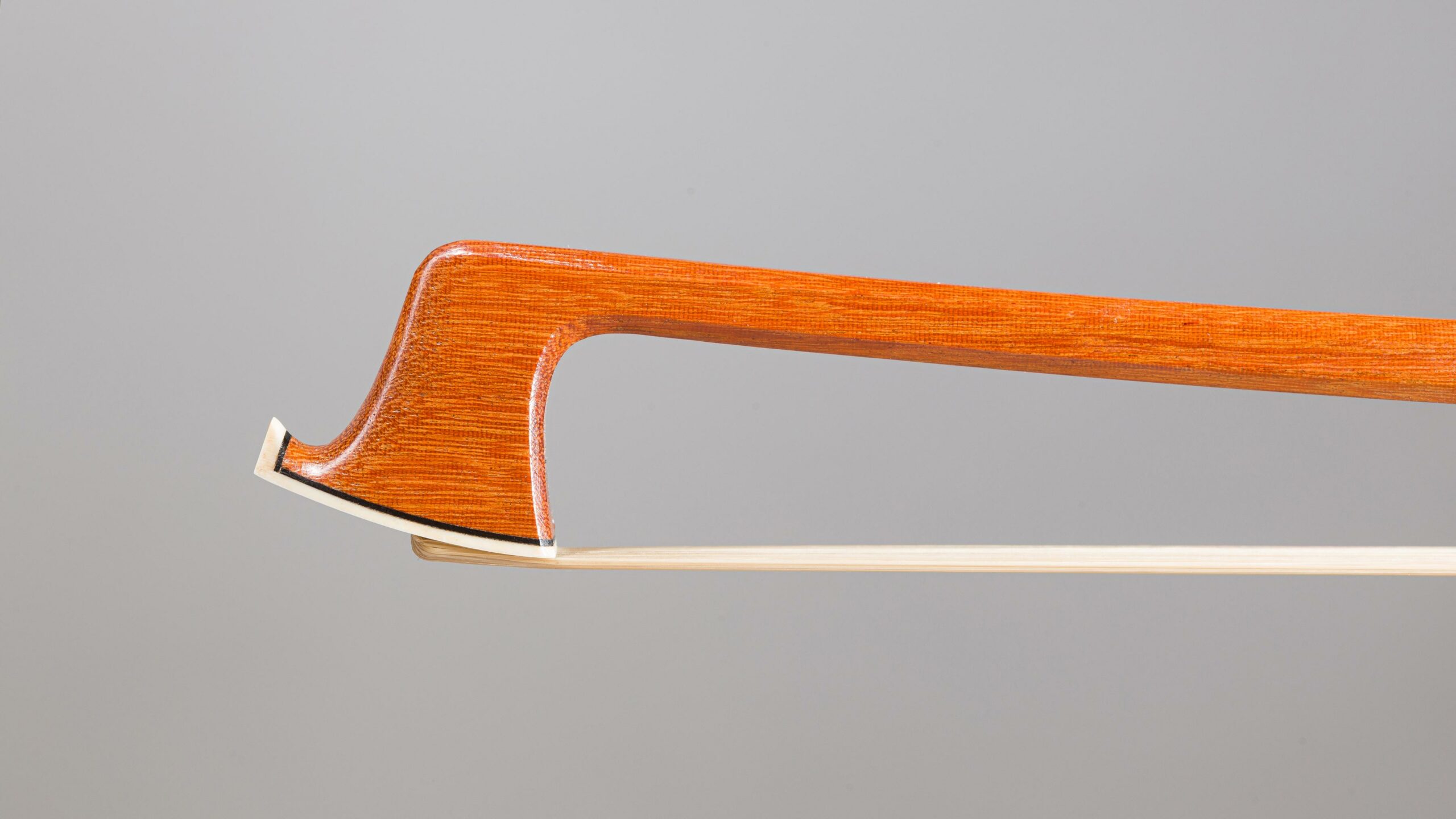
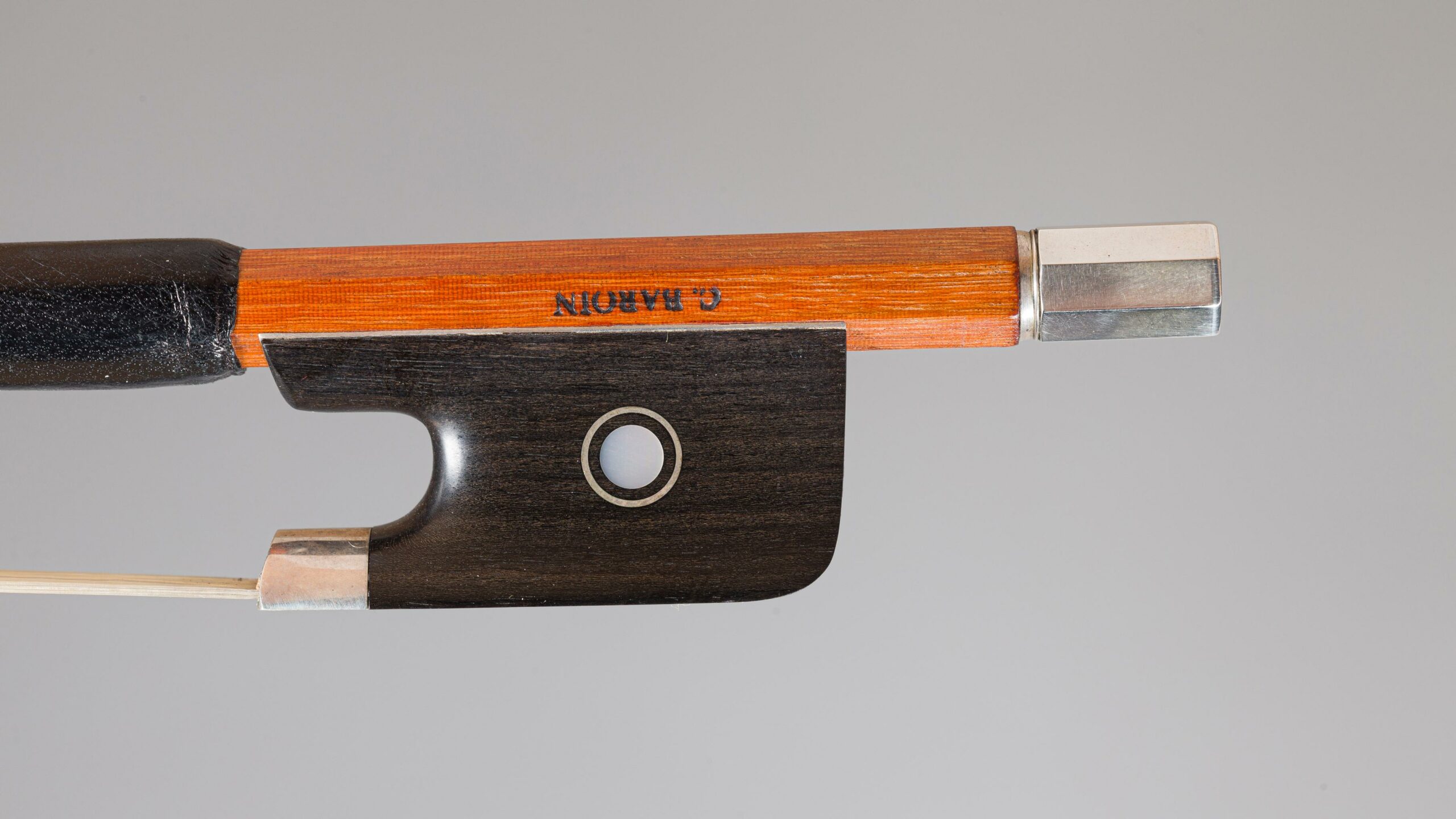
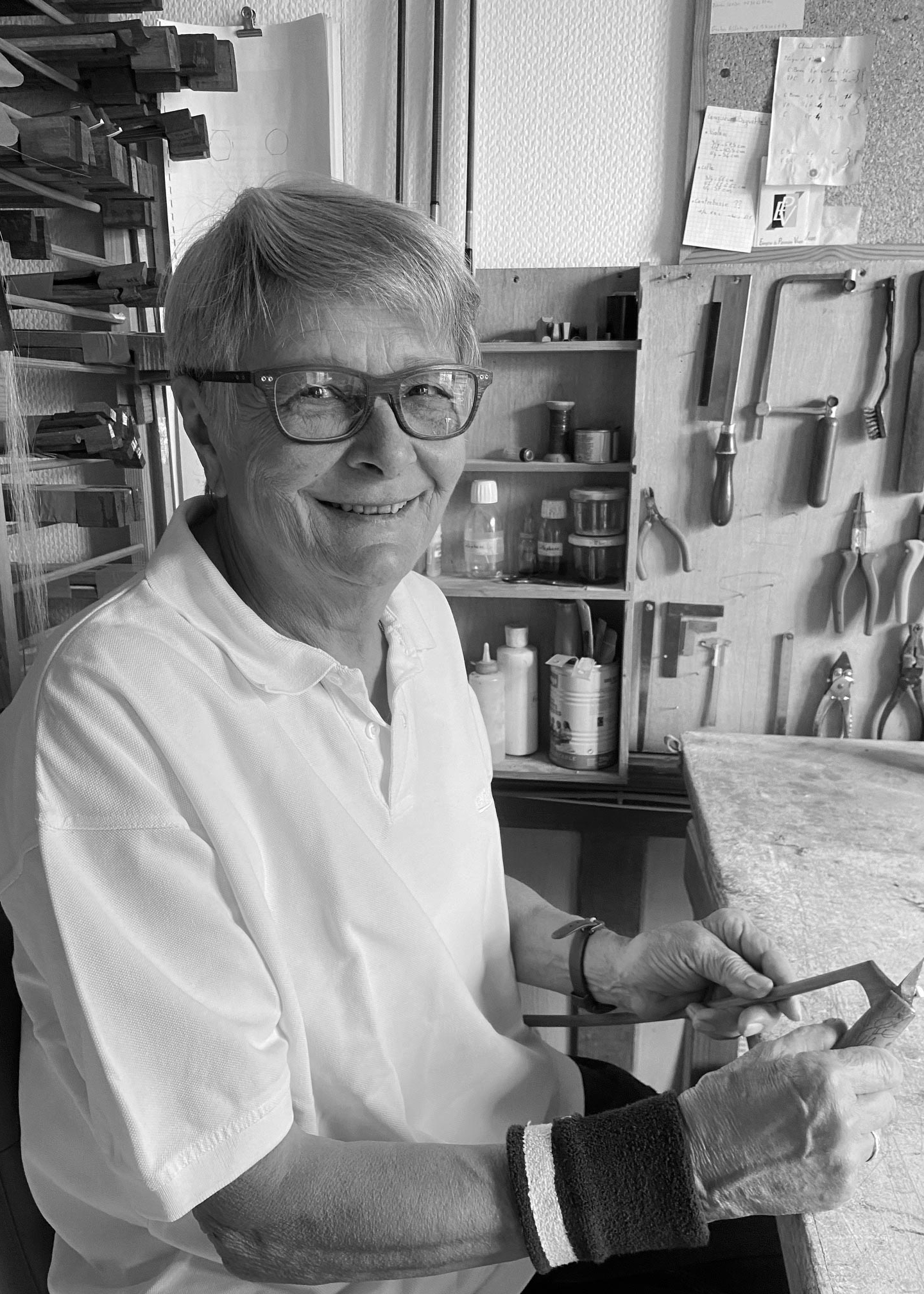
Née à Mirecourt en avril 1958, Catherine Baroin suit des études de sculpture sur bois à Neufchâteau, qui lui permettent d’entrer à SOFRALUT comme sculptrice en lutherie, puis comme luthière en mai 1979, avant de rejoindre SOMIFI. En novembre 1987, elle commence une formation d’archèterie chez Gilles Duhaut à Mirecourt.
En 1991, Alain Moinier l’invite à créer le secteur archèterie au sein de son entreprise. En parallèle, elle effectue des stages chez Franck Daguin, archetier à Lyon.
En février 1998, après une année de chômage durant laquelle elle suit une formation en comptabilité-gestion et effectue un stage chez Pierre Guillaume, archetier à Bruxelles, elle ouvre son propre atelier d’archèterie à Mirecourt. Elle travaille principalement à la fabrication et à l’entretien d’archets du quatuor et complète la formation de jeunes archetiers.
Après toutes ces années enrichissantes de rencontres, d’échanges et de plaisir à pratiquer ce métier, Catherine Baroin ferme définitivement son atelier fin décembre 2025.
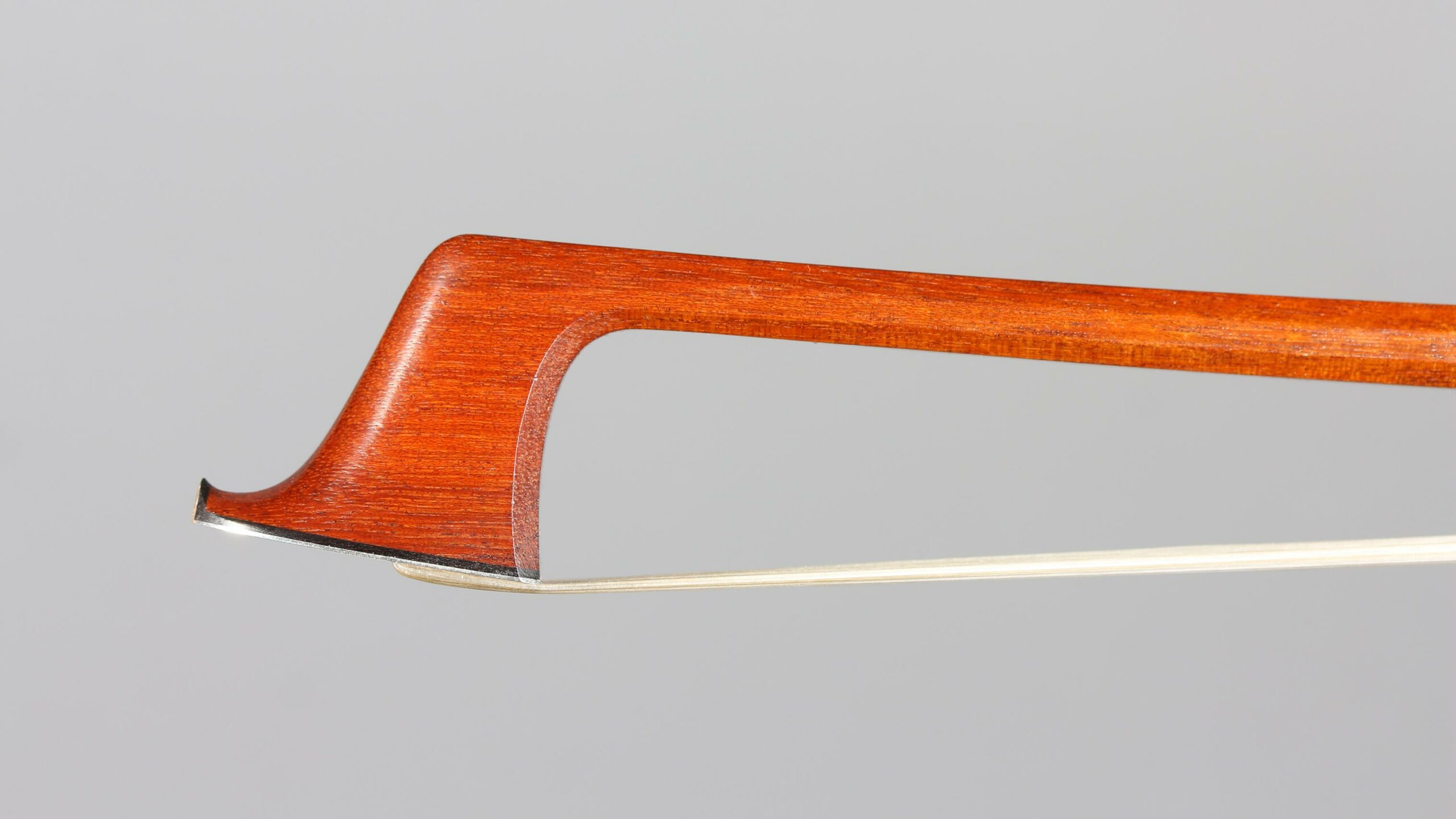
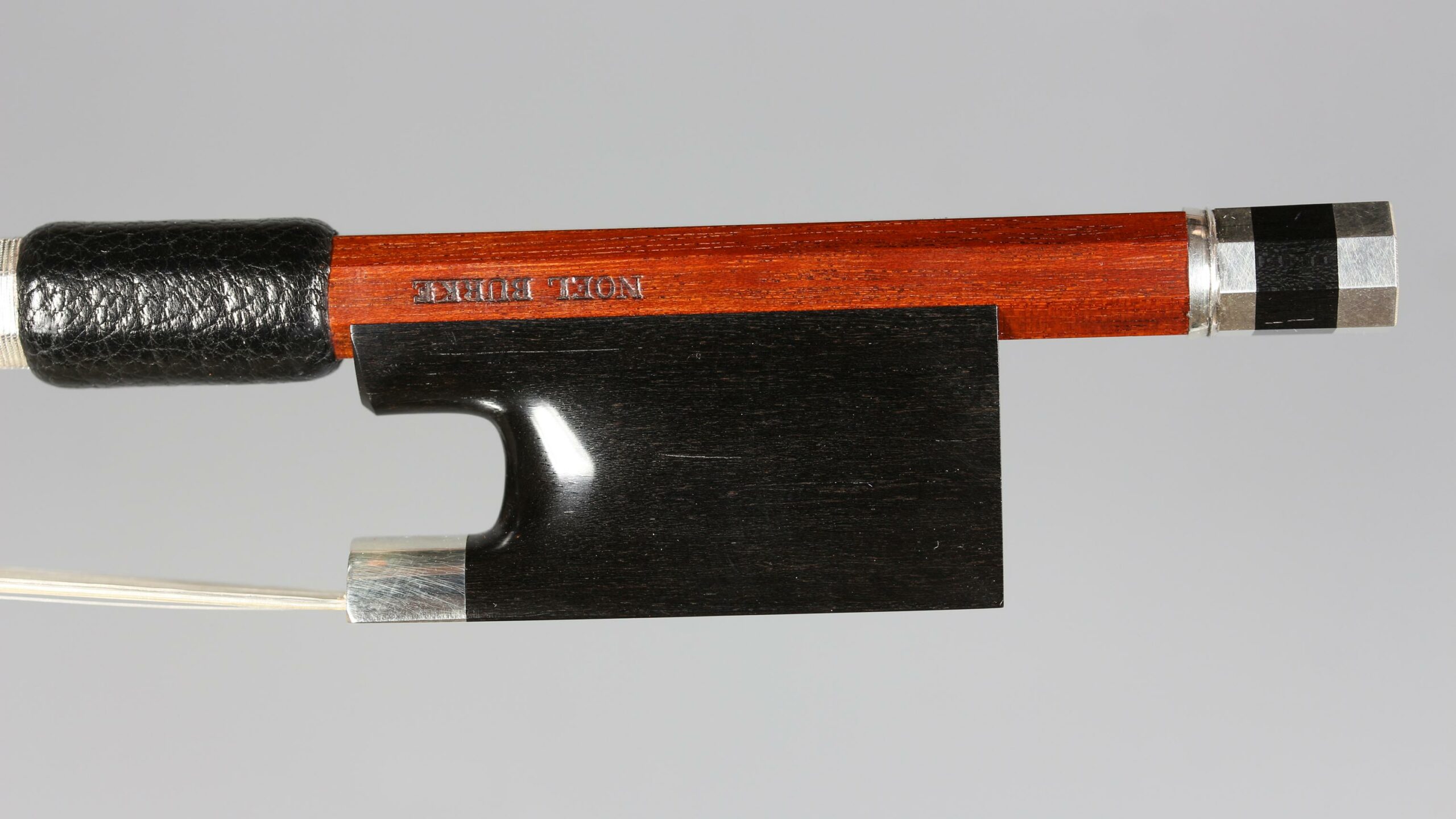
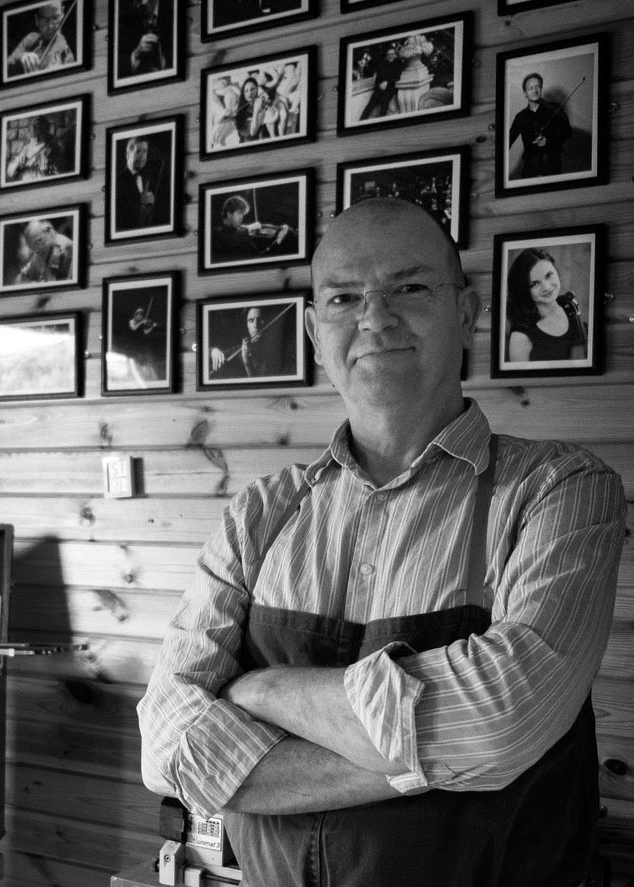
Les archets de Noel Burke, destinés au violon, à l’alto et au violoncelle et réalisés dans la tradition française, sont utilisés dans le monde entier par les orchestres et les ensembles de musique de chambre les plus prestigieux, ainsi que par certains des plus grands solistes du monde. Noel Burke a fait partie du jury de plusieurs concours internationaux et a formé de nombreux archetiers de renom dans son atelier.
Son travail a été récompensé par huit médailles d’or lors de concours internationaux, dont le Grand Prix de la Ville de Paris pour un archet de violon en 1999, et six médailles d’or pour des archets de violon, d’alto et de violoncelle lors de deux concours de la Violin Society of America en 1994 et 1996. Il a également été récompensé au concours RNCM de Manchester en 1998.
Noel Burke a débuté sa carrière en 1989 par un apprentissage d’un an auprès de Charles Espey à Seattle (Washington, États-Unis), avant de s’installer à Paris où il a étudié avec Stéphane Thomachot pendant deux ans. Il est resté à Paris après sa formation, y vivant et travaillant pendant cinq ans.
Il vit et travaille actuellement à Carlow, en Irlande.
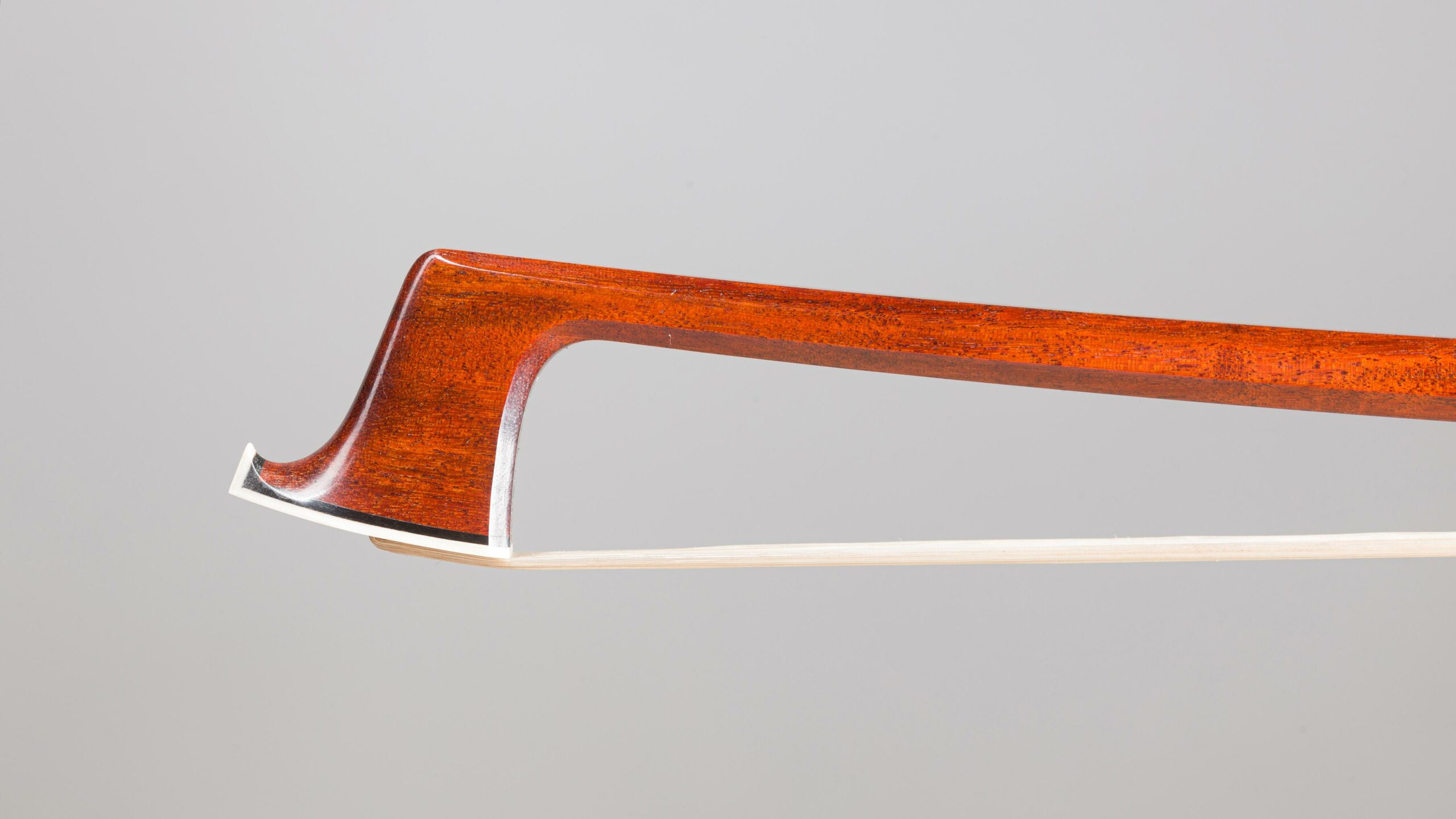
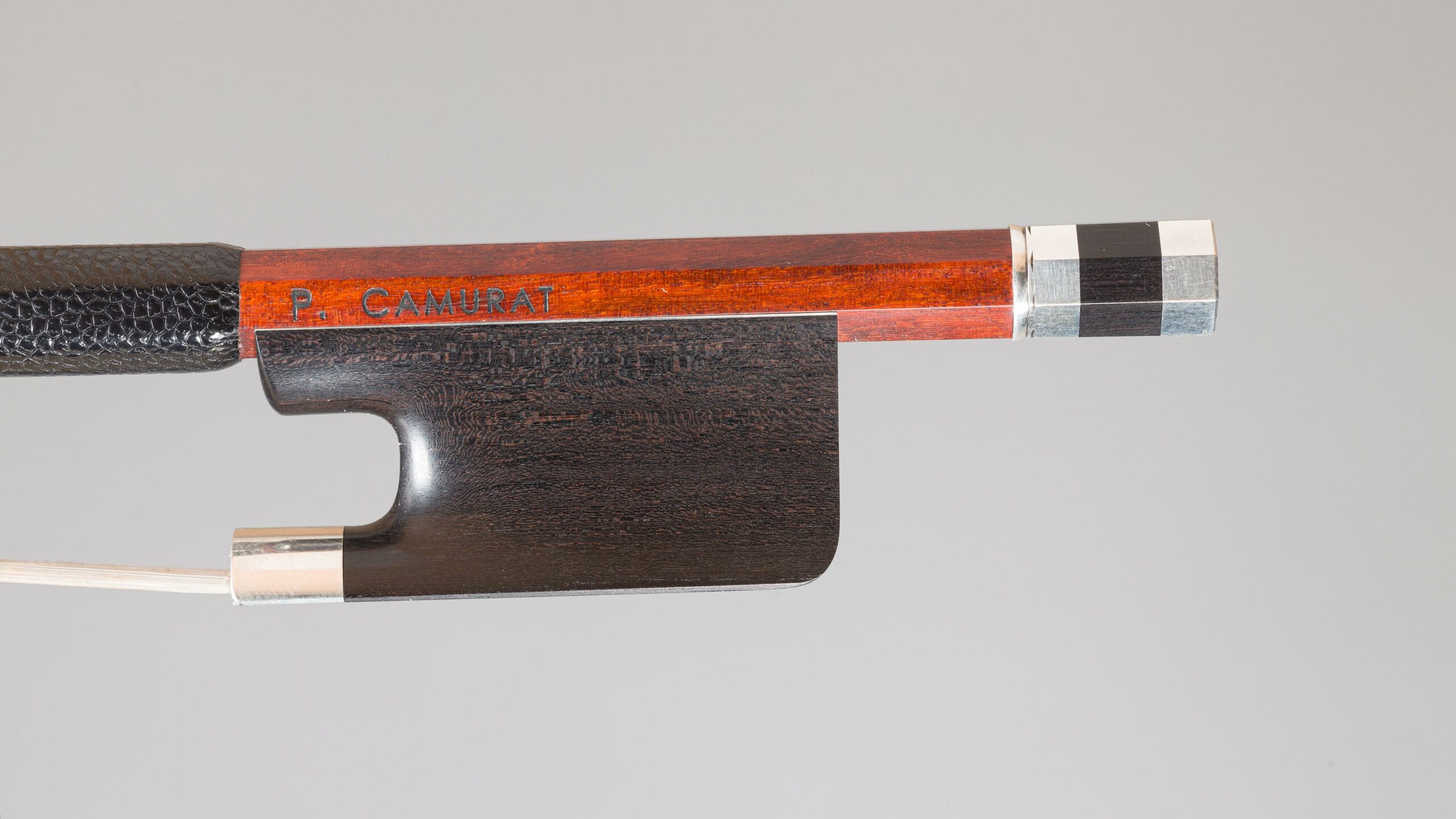
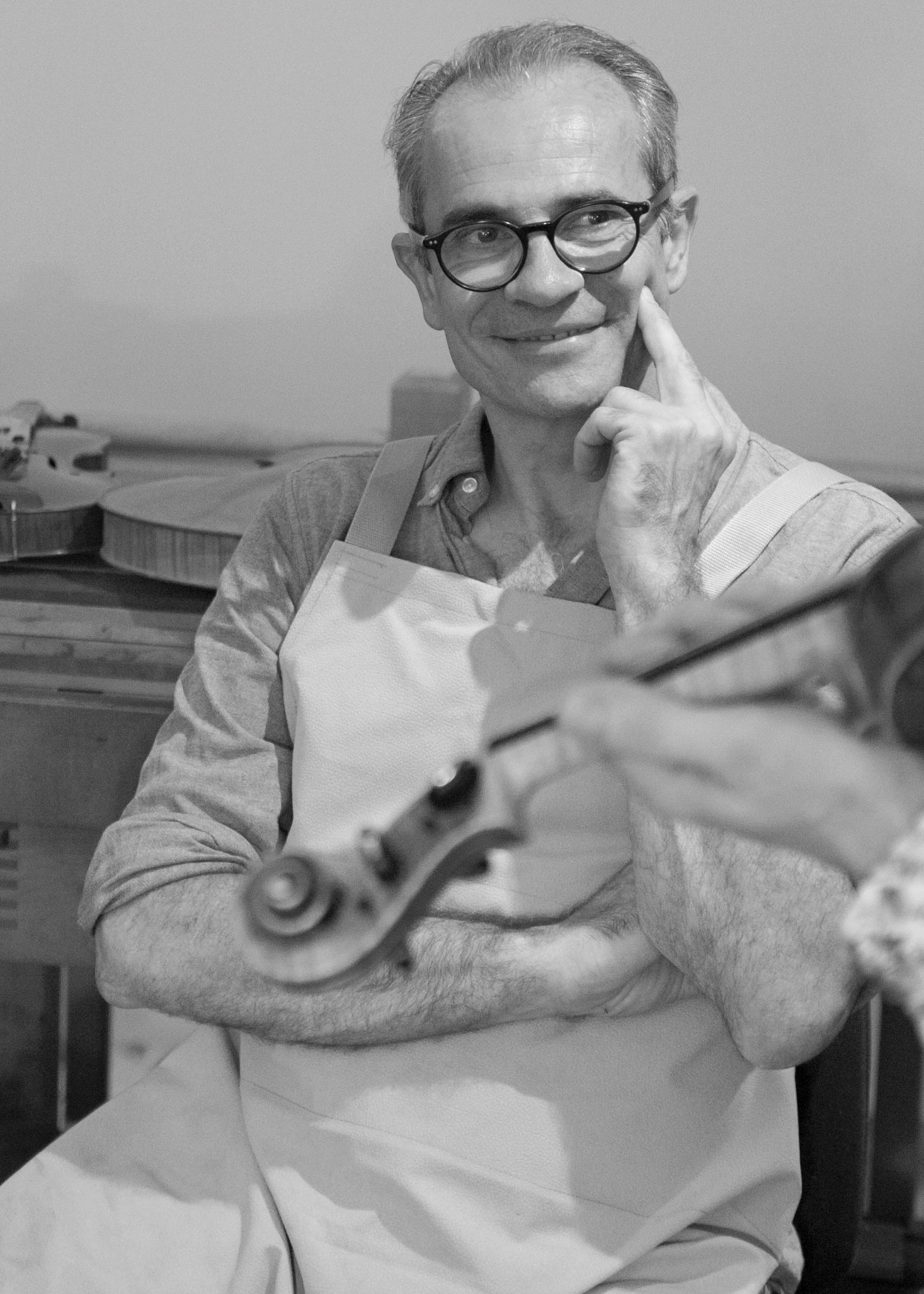
Fils du luthier Jacques Camurat, Pascal Camurat grandit dans l’atelier familial de la rue de Rome à Paris. En 1979, il entre à l’école de lutherie de Mittenwald, où il se forme auprès de Roland Sandner et obtient son diplôme en 1983. En 1984, il rejoint son frère Bernard à Los Angeles, où il fréquente l’atelier de Hans Weisshaar et réalise son premier archet auprès de Paul Siefried.
De retour à Paris, il se perfectionne en archèterie auprès de Stéphane Thomachot, avant de rejoindre en 1987 l’atelier Charles Beare à Londres. En 1990, Pascal Camurat reprend avec son frère Bernard l’atelier familial, sous le nom de « Camurat Frères ». Depuis 2000, il se consacre principalement à la fabrication d’archets, tout en continuant à produire des violons.
Il est aujourd’hui installé à Montpellier. Son travail a été récompensé par une mention spéciale pour un archet de violoncelle au concours de Paris en 1991, un accessit pour un archet de violoncelle au concours de Manchester en 2001, ainsi que des mentions spéciales pour des archets de violon et de violoncelle au concours de Paris en 2004.
En 2023, il obtient le prix spécial du jury pour un archet de violon et le troisième prix pour un archet de violoncelle au concours de Mirecourt.
Retrouvez notre article sur Pascal Camurat.
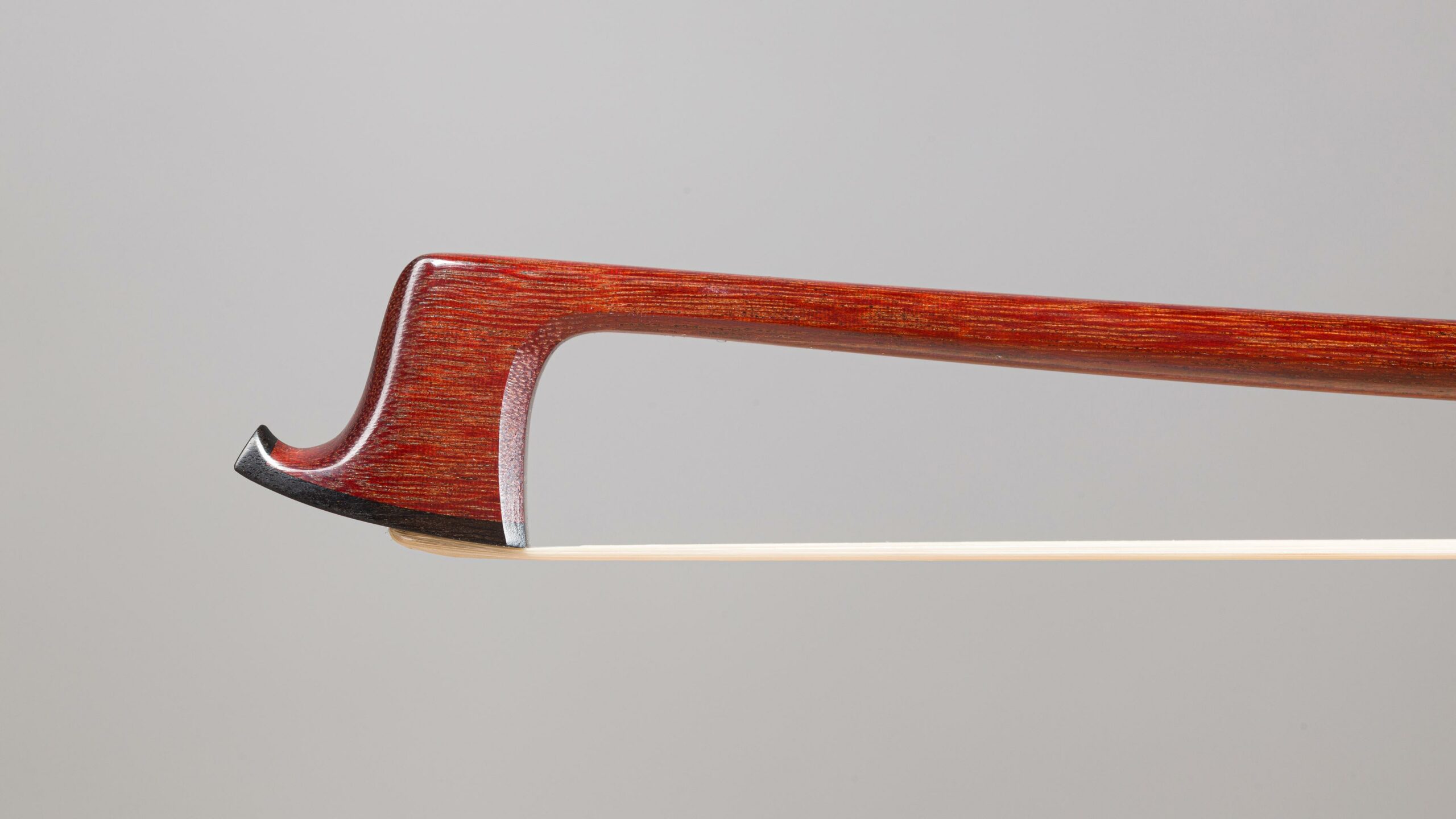
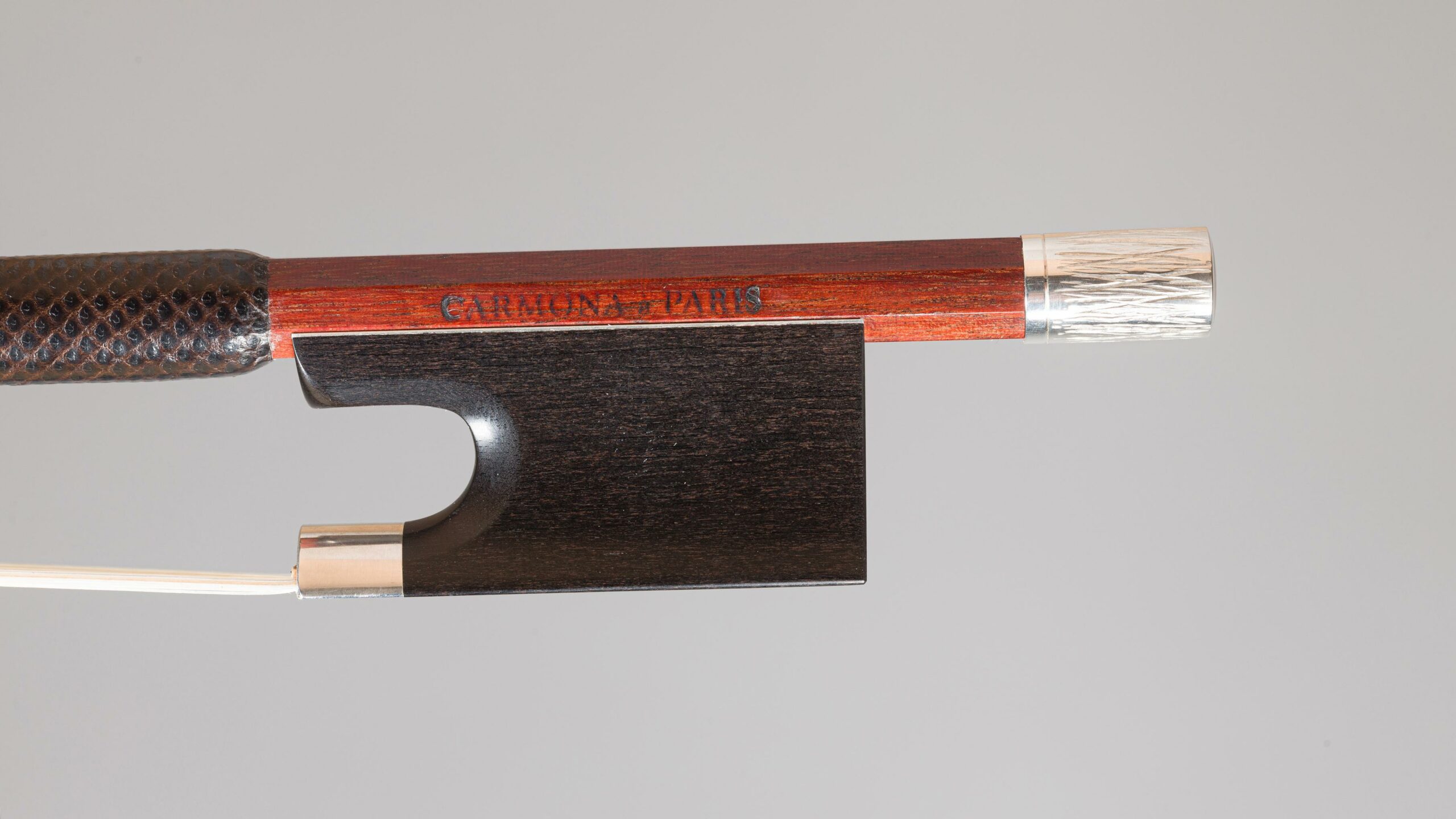
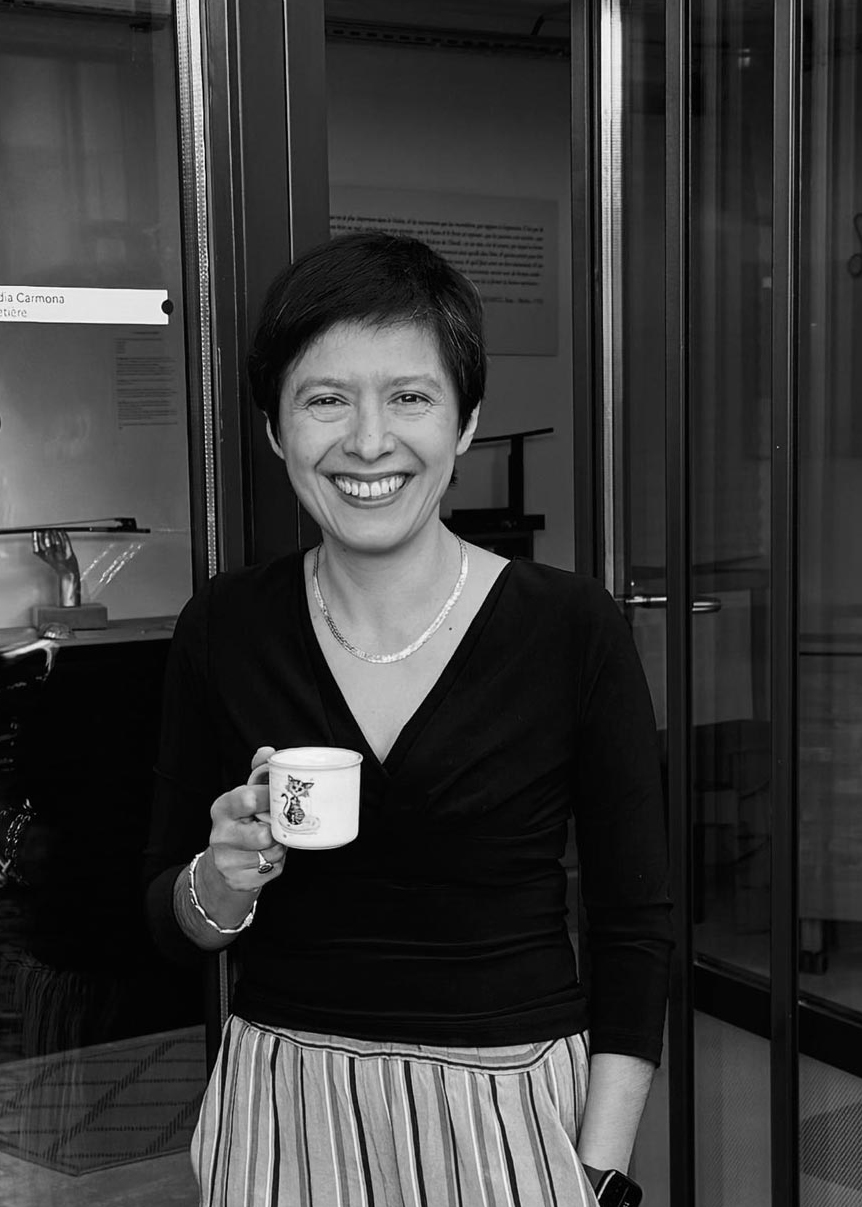
Claudia Carmona a suivi sa formation d’archetière à la Bow Making School of America auprès du maître Jean Grunberger. Rapidement son travail s’impose par le caractère et la qualité de ses archets qui sont reconnus au niveau international par de grands artistes.
En 2010 elle s’installe à Angers puis en 2022, elle est sélectionnée pour intégrer la Cite Artisanale des Taillandiers à Paris. C’est dans ce cadre d’exception dédié à la création d’art que Claudia travaille directement avec les musiciens venus du monde entier.
Forte de son savoir-faire et de sa qualité d’écoute, ses recherches se nourrissent de l’exigence technique toujours croissante que les interprètes ont par rapport à l’évolution de la musique et de son contexte.
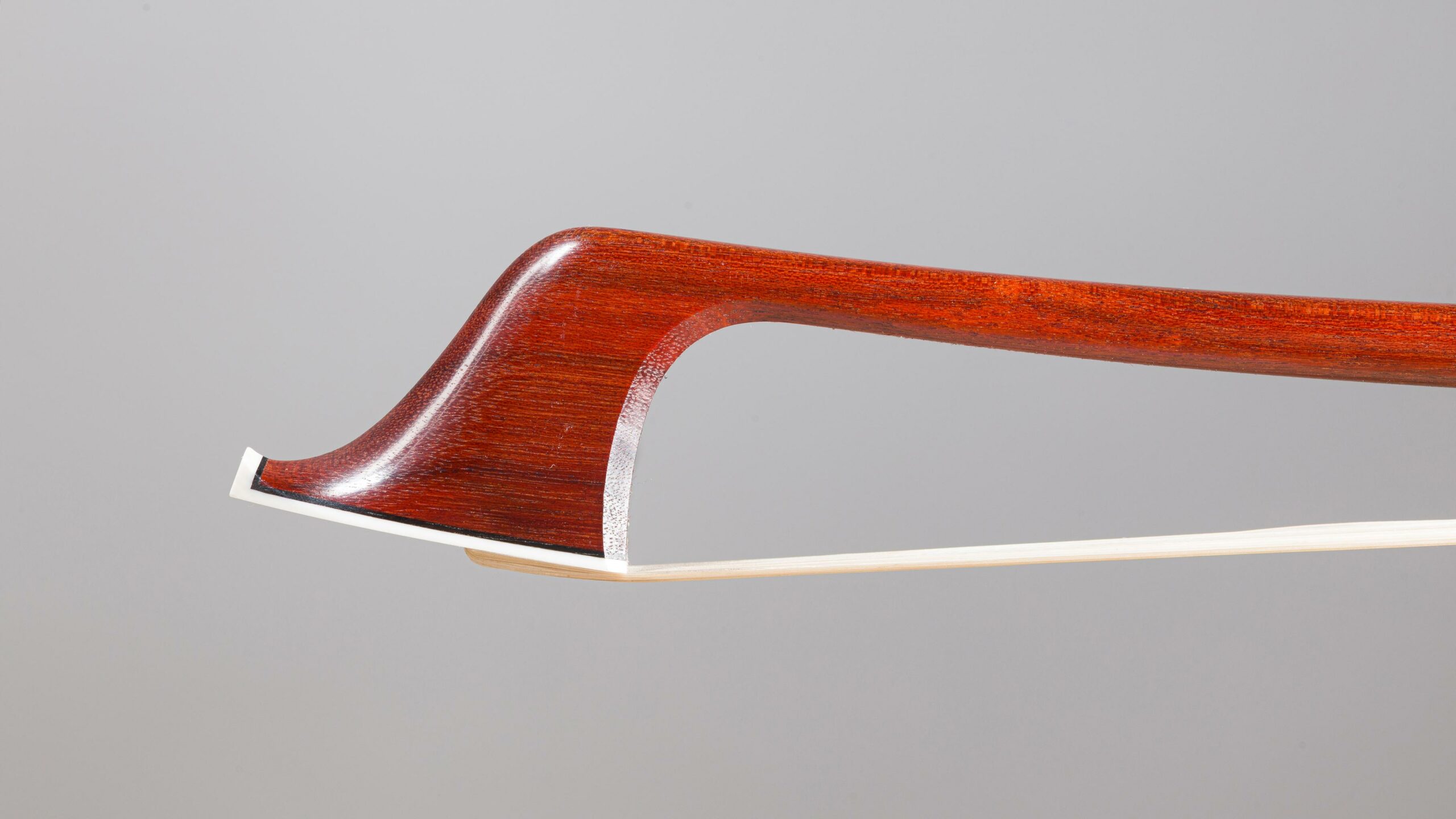
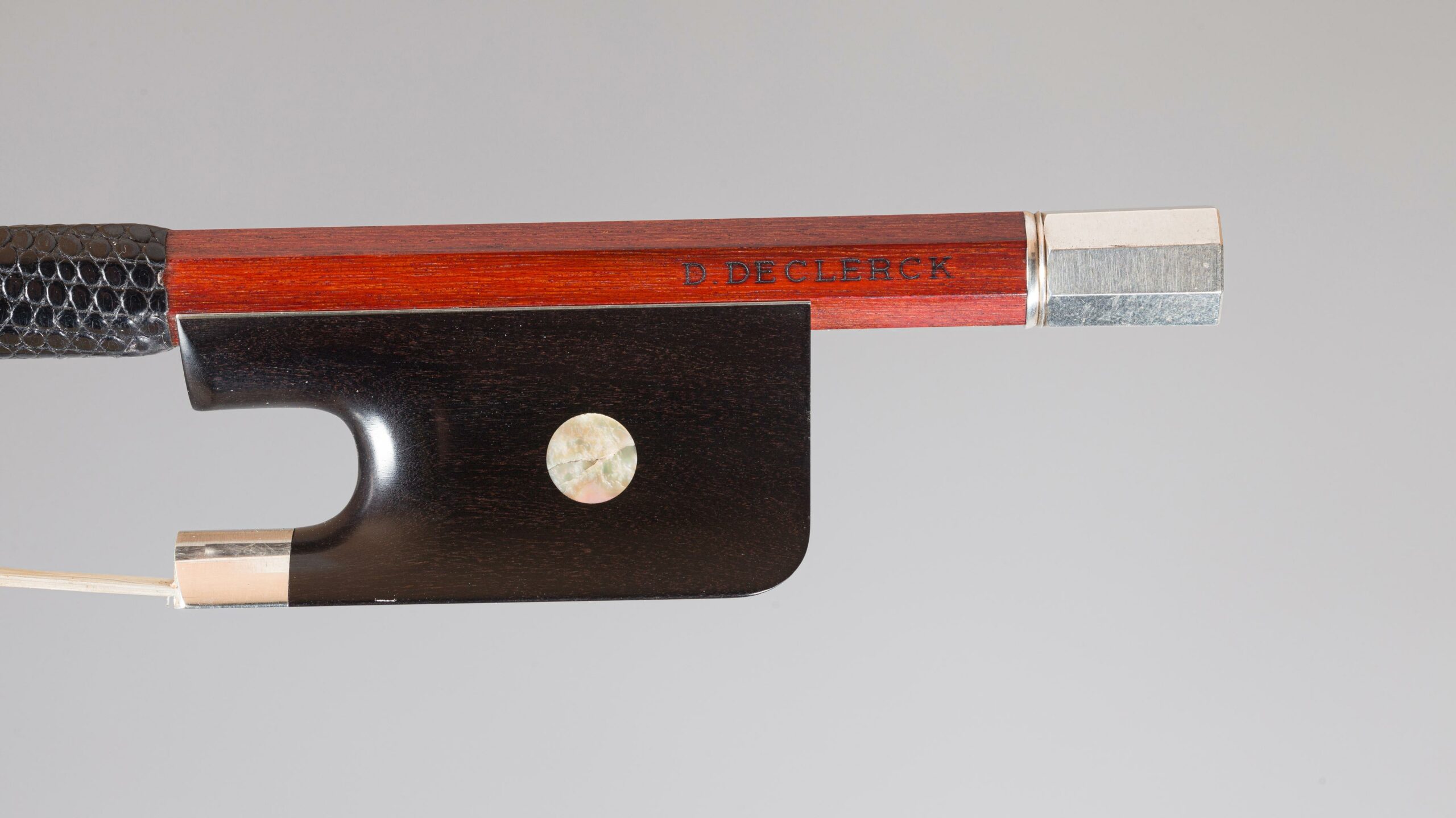
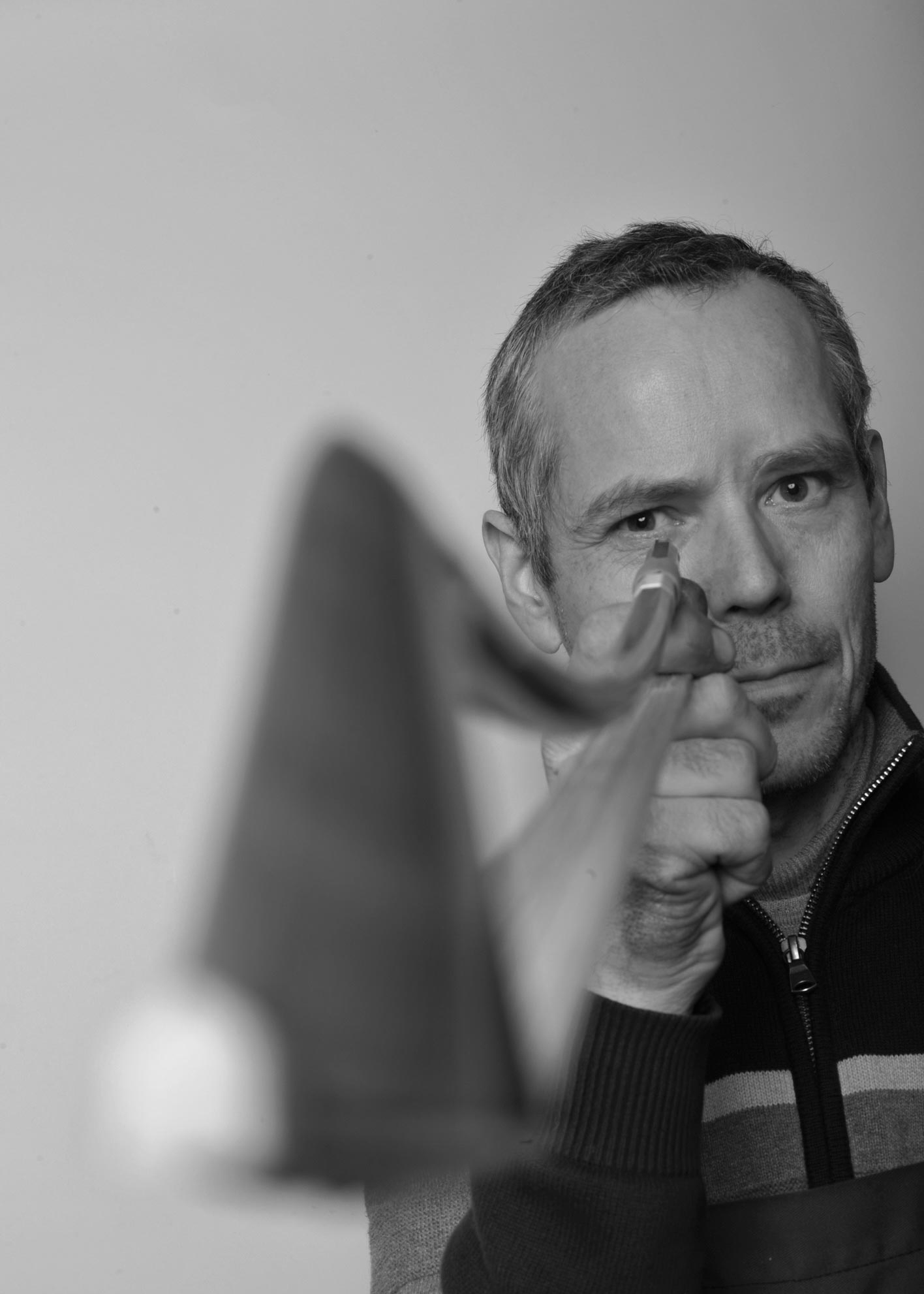
Denis Declerck est luthier et archetier. Originaire de Belgique, il a appris son métier durant 12 ans en Belgique, en Allemagne et en France avant de s’installer à Nice en 2003, où il reprend un atelier historique de lutherie fondé en 1929 par Silvio Tua, au 14 boulevard Jean-Jaurès.
En 2009, il rencontre Jean Grunberger lors d’un stage sur la cambrure des archets, qui lui donne la possibilité de raboter sa première baguette.
Il termine cet archet avec Mitsuaki Sasano qui, par la suite, lui enseigne l’archèterie, son second métier. Installé dans le Vieux-Nice, Denis Declerck se consacre à la fabrication, à la restauration et à l’entretien des instruments à cordes et des archets.
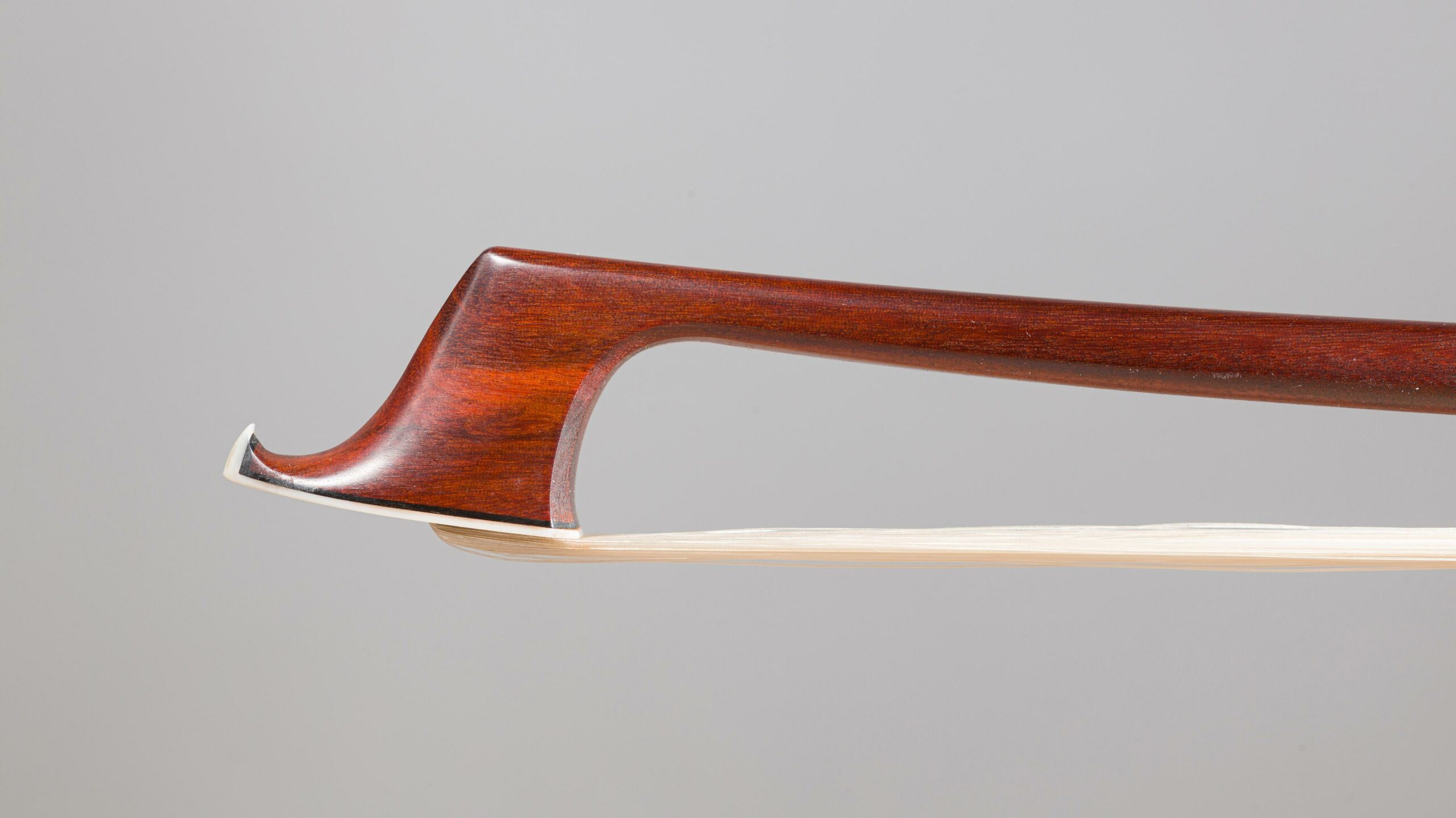
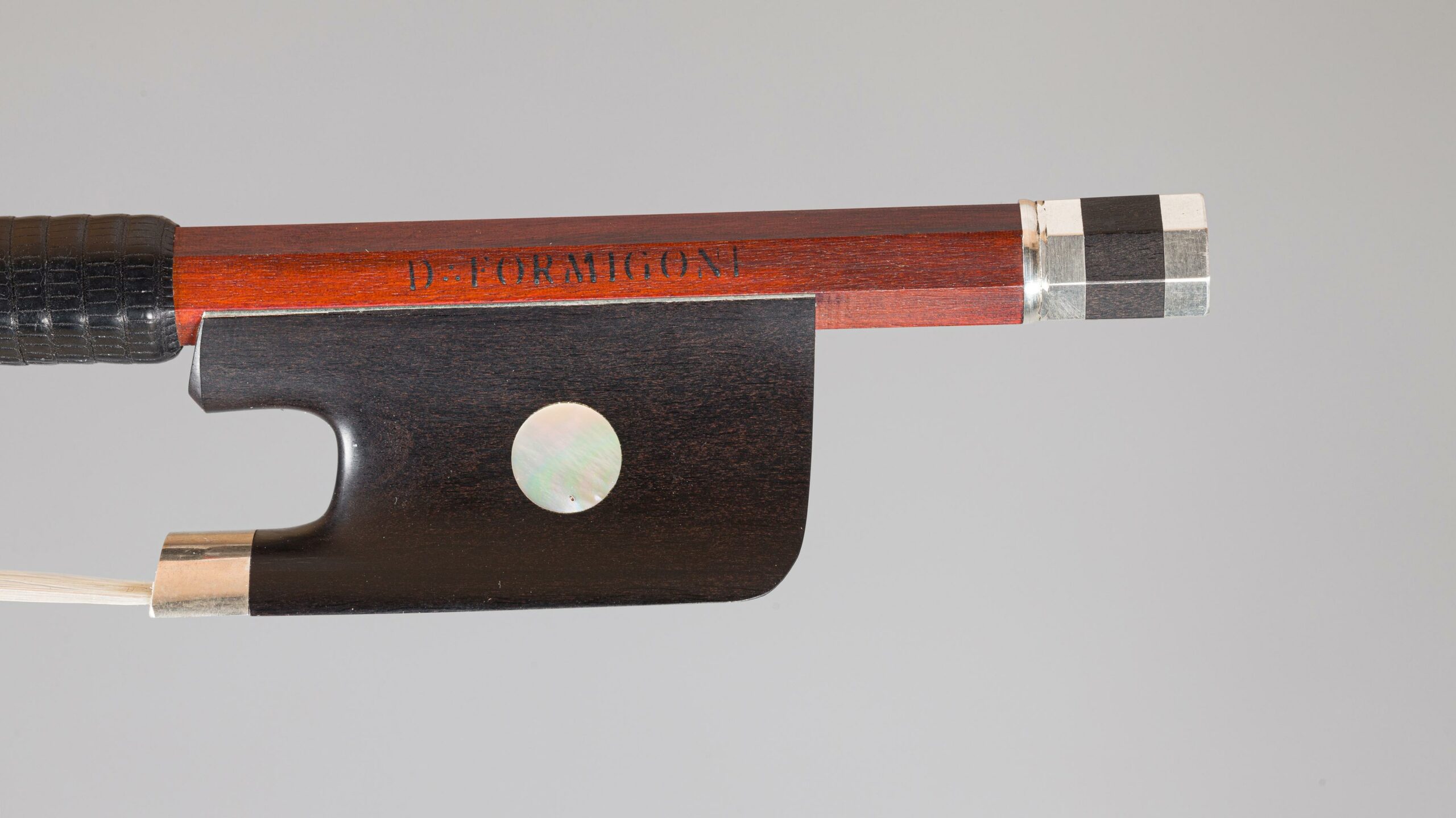
Depuis son enfance, la magie de la création artisanale et l’univers de la musique l’ont toujours fasciné.
Au fil des années, il a eu la chance d’apprendre son métier dans plusieurs ateliers, où des maîtres artisans lui ont transmis les techniques traditionnelles tout en l’incitant à explorer de nouvelles idées et tendances.
Cette expérience lui a permis de perfectionner son art et de comprendre l’importance de l’équilibre entre tradition et innovation.
Aujourd’hui, il est fier de proposer des archets artisanaux de qualité, façonnés avec soin et passion. Chaque pièce est unique, un reflet de son amour pour son métier et de son engagement à répondre aux attentes de ses clients, tant sur le plan esthétique que fonctionnel.
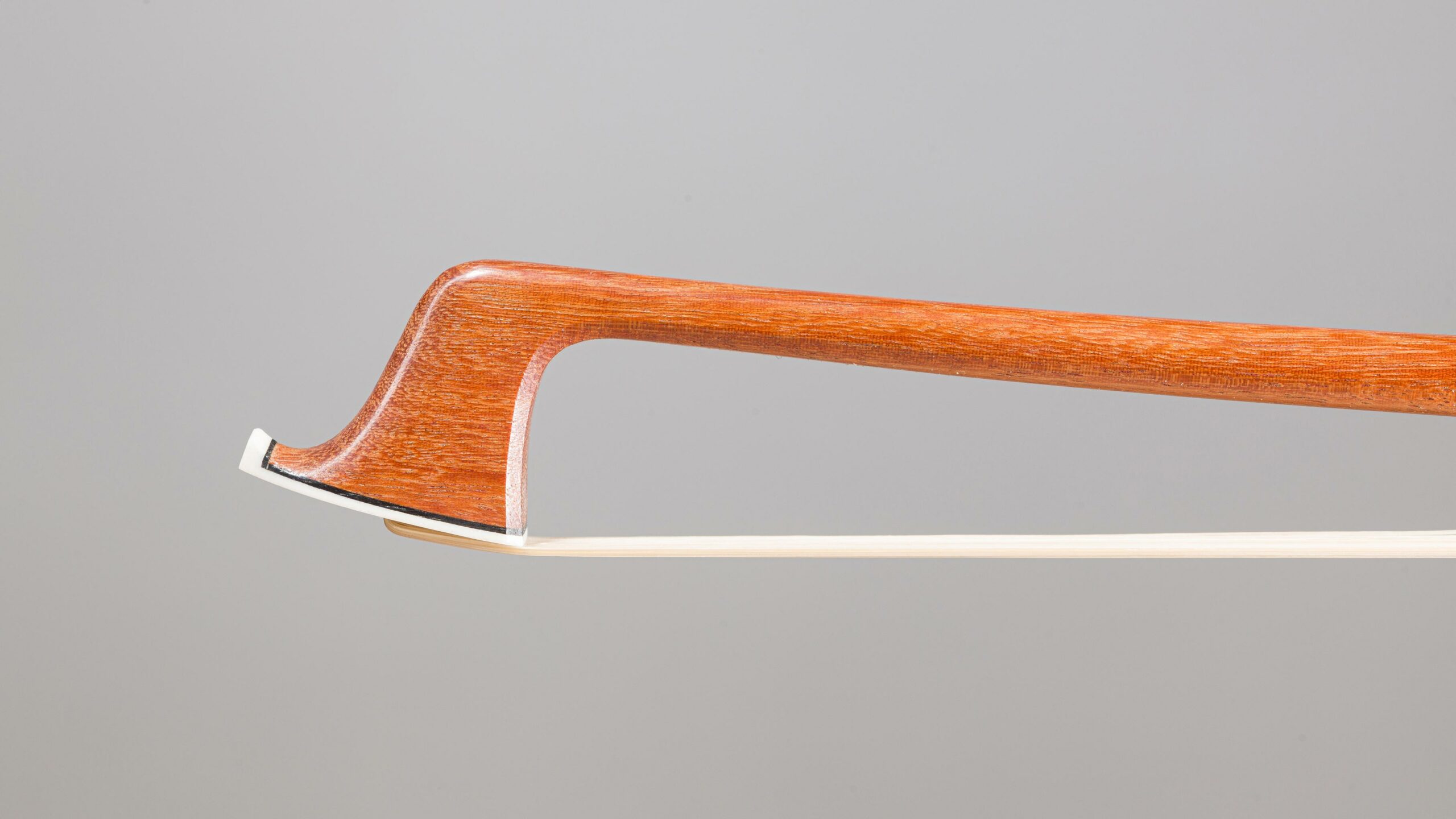
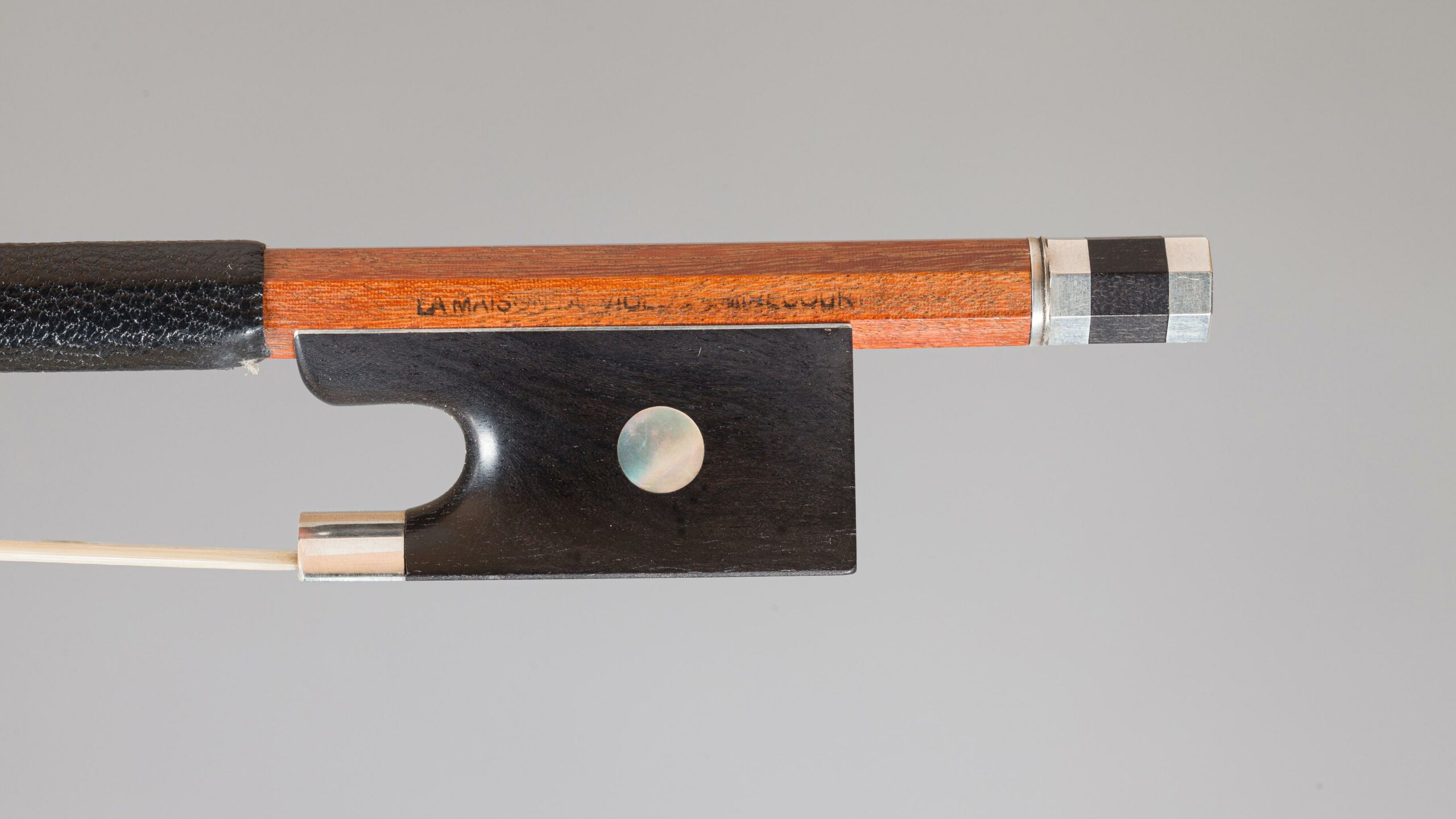
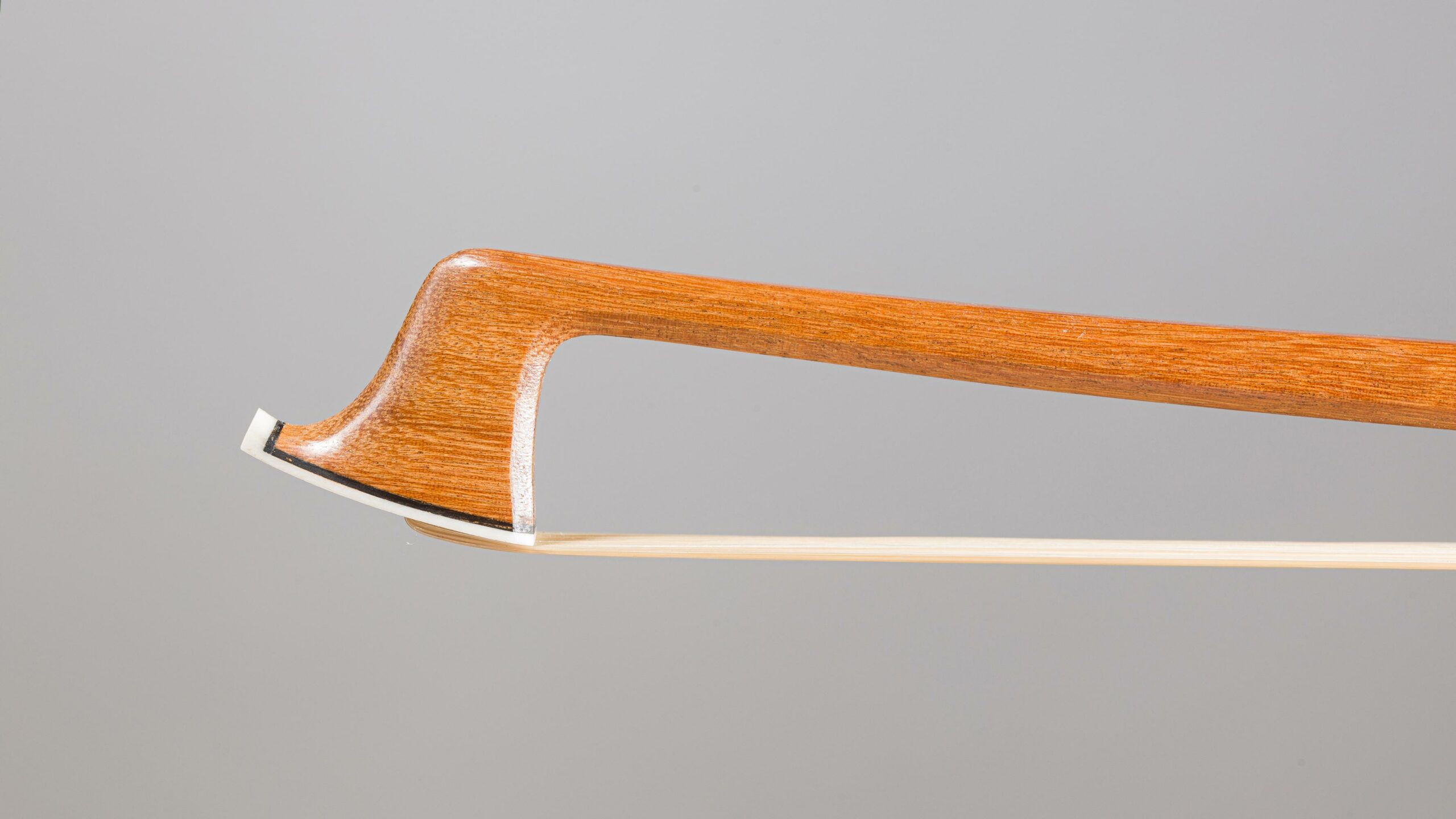
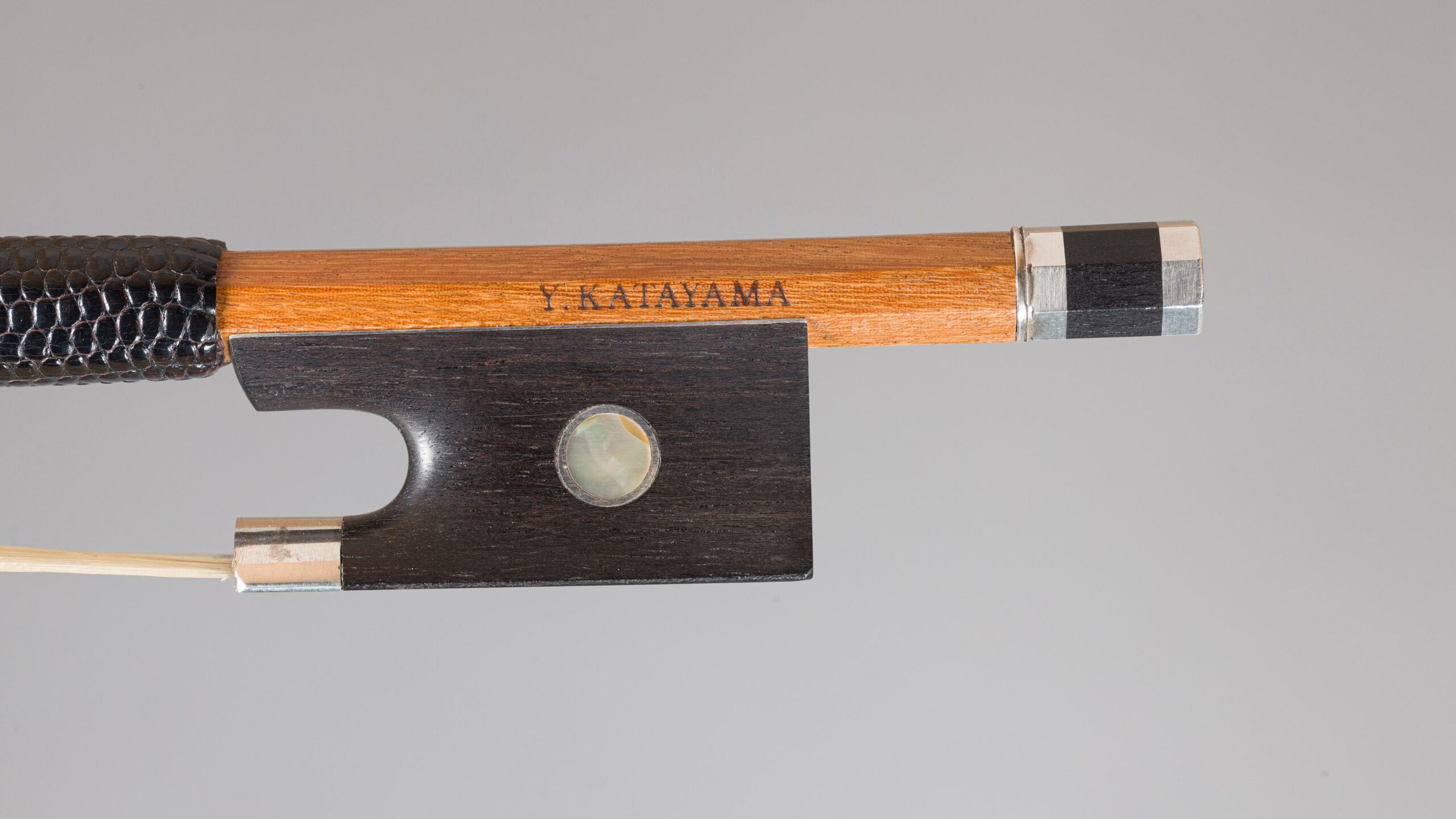
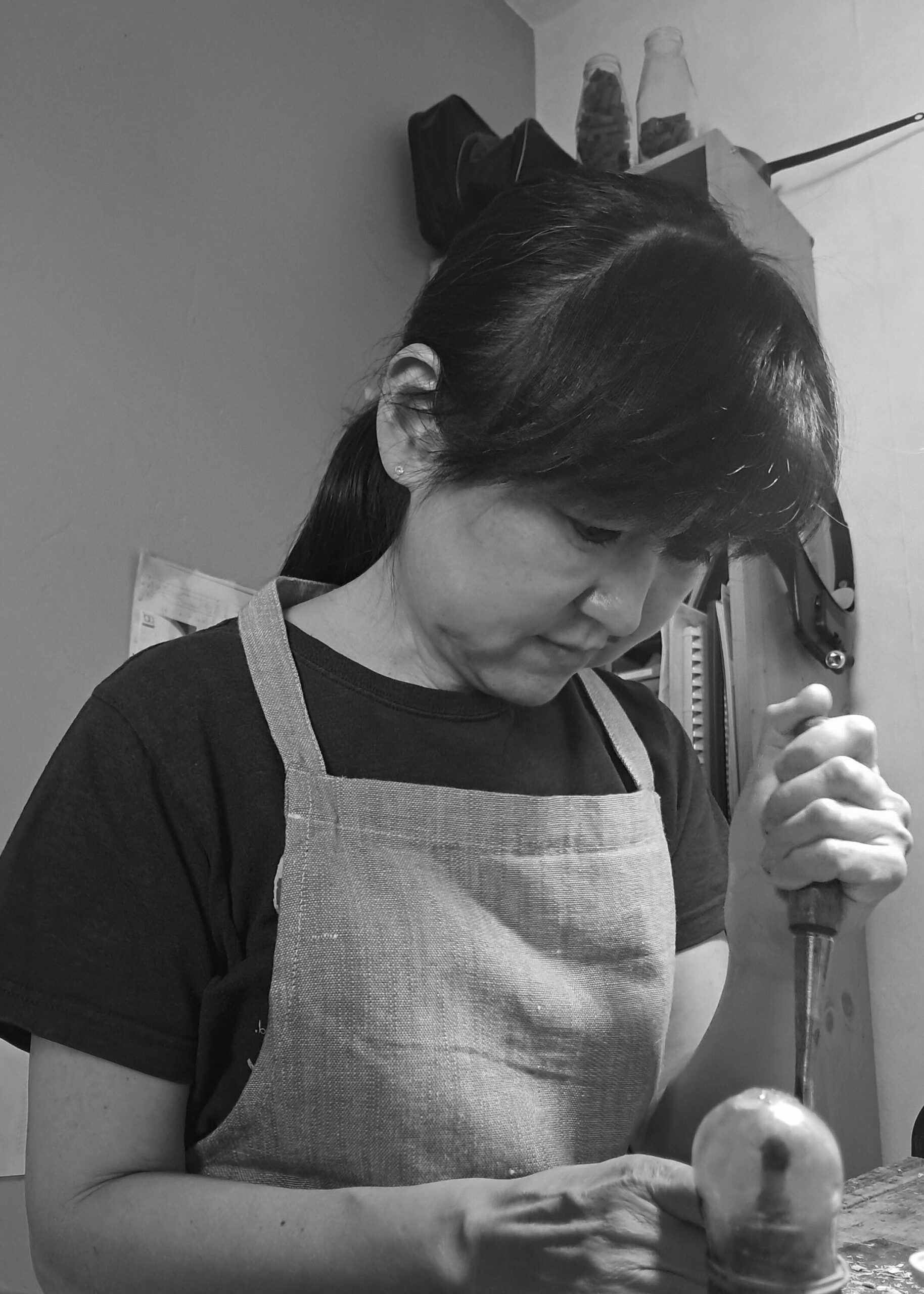
Originaire de Saitama, au Japon, Yukari Katayama suit une formation dans une école de lutherie au Japon, puis travaille pendant plusieurs années comme réparatrice dans différents ateliers spécialisés dans les instruments à cordes. S’intéressant particulièrement à la facture des archets, elle se forme d’abord au Canada auprès de l’archetier Michael Vann.
Après son installation en France en 2016, elle poursuit sa formation auprès de l’archetiere Cathy Baroin à Mirecourt.
Installée comme archetière indépendante à Mirecourt, elle se consacre à la fabrication, à la restauration et à l’entretien des archets de violon, d’alto et de violoncelle, dans le respect de la tradition française.
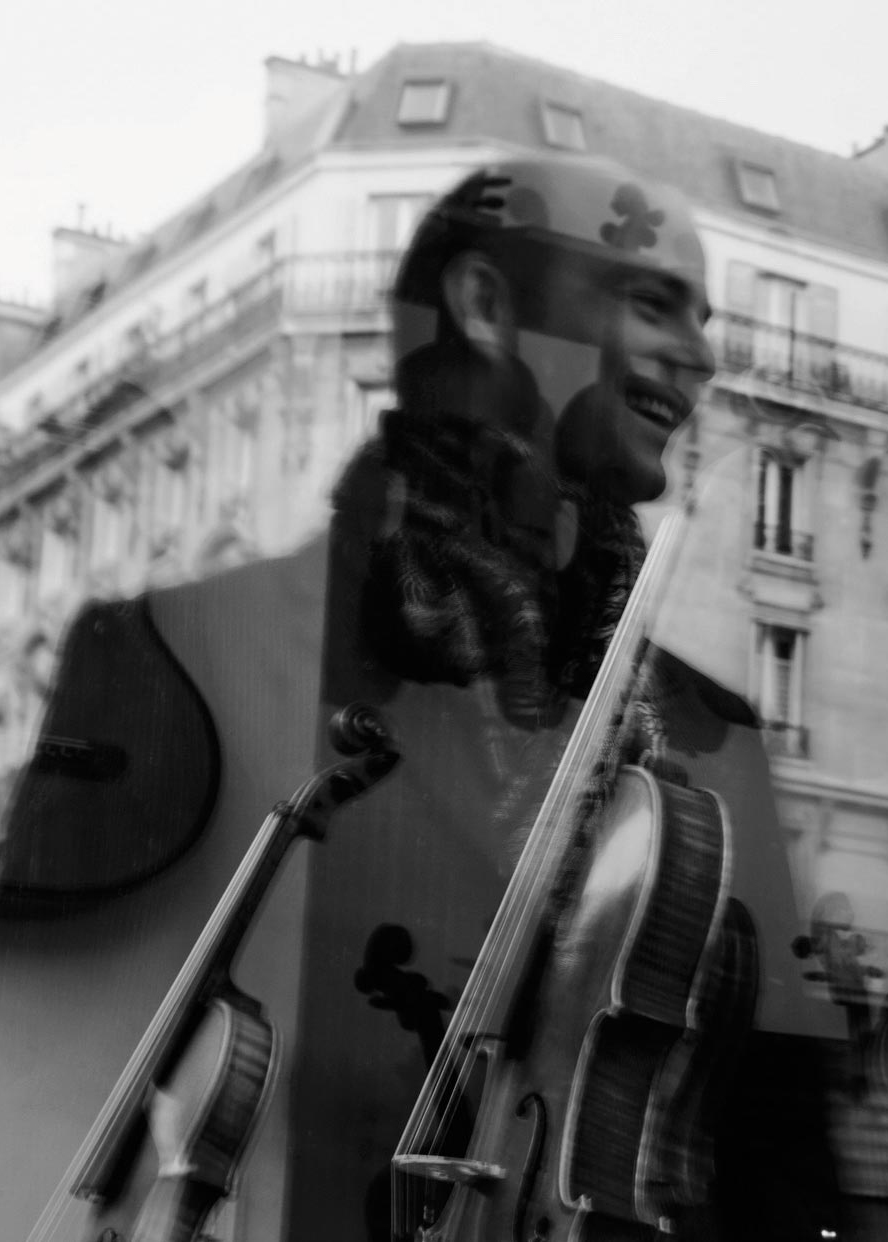
En 1996, Tibor Kovács s’inscrit à l’Ecole Régionale d’Archèterie de Crémone, dont il sort diplômé en 1998.
Cette même année Tibor Kovács commence à travailler avec son maître Emilio Slaviero, qui l’initie aux techniques de fabrication des archets modernes et baroques ainsi qu’aux techniques de restauration, et dans l’atelier duquel il restera plusieurs années.
Simultanément, à partir de 1996 il apprend la lutherie à l’Ecole Internationale de Lutherie « Antonio Stradivari » de Crémone (Italie) dont il obtient le diplôme en 2001. En 2003, il s’installe à Paris où il travaille comme assistant chez Jean-François Raffin pendant 3 ans, peaufinant ainsi son style et sa technique.
Après de nombreux voyages professionnels en Italie, en Europe et en Amérique latine, Tibor Kovács est maintenant installé, depuis 2011, au 46 rue de Rome, dans l’atelier de Guy Coquoz avec lequel il a entrepris une fructueuse collaboration.
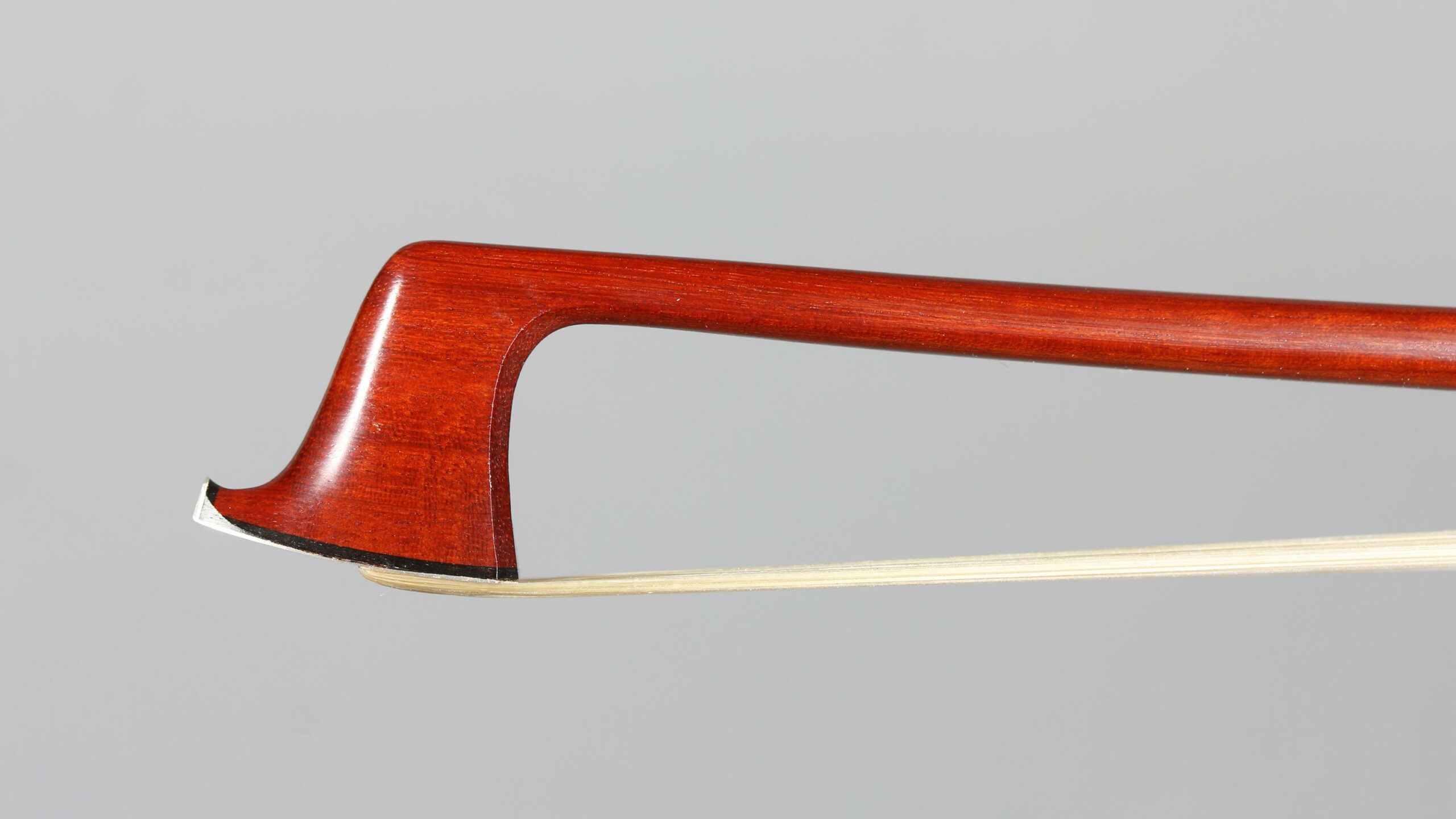
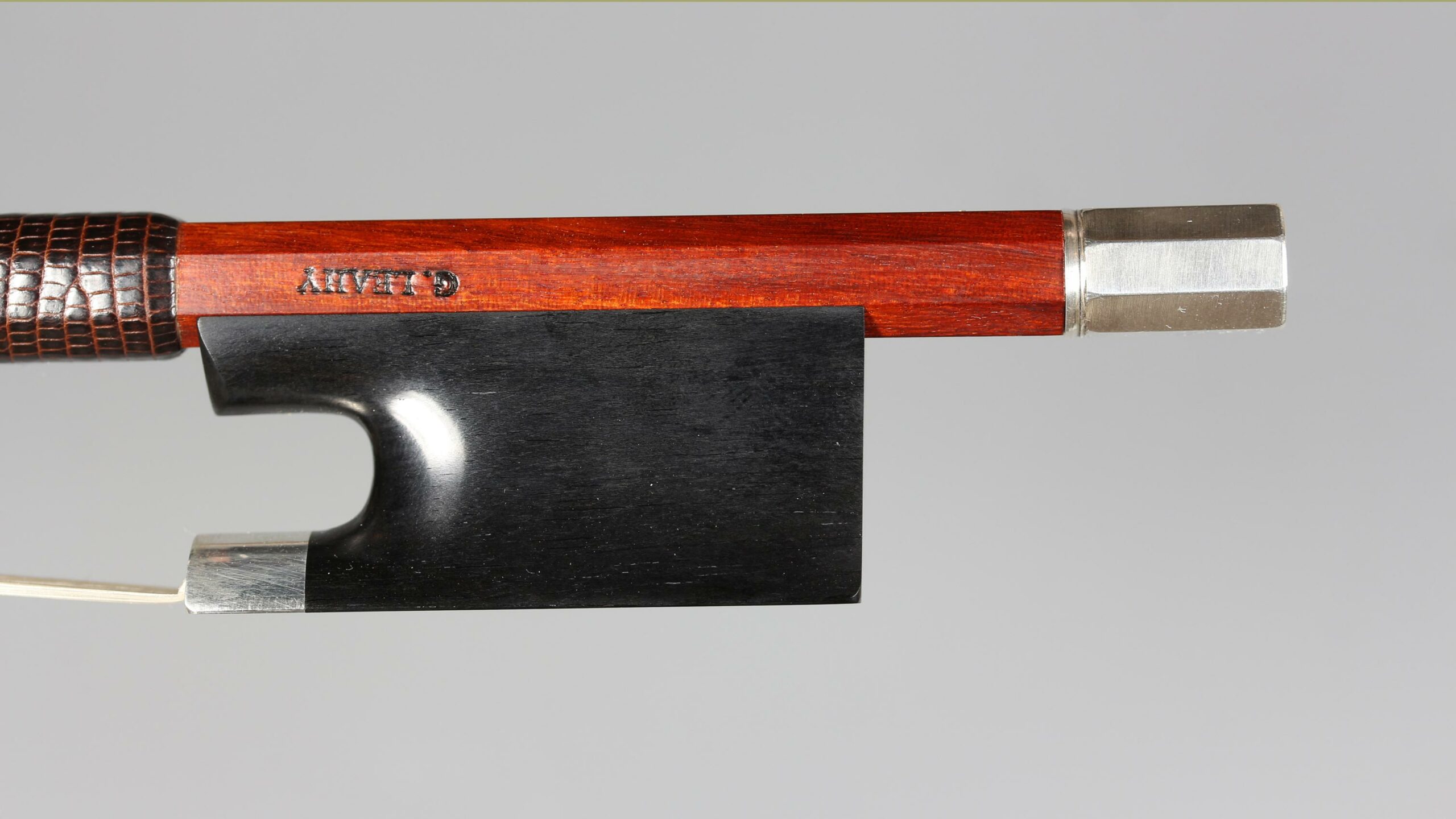
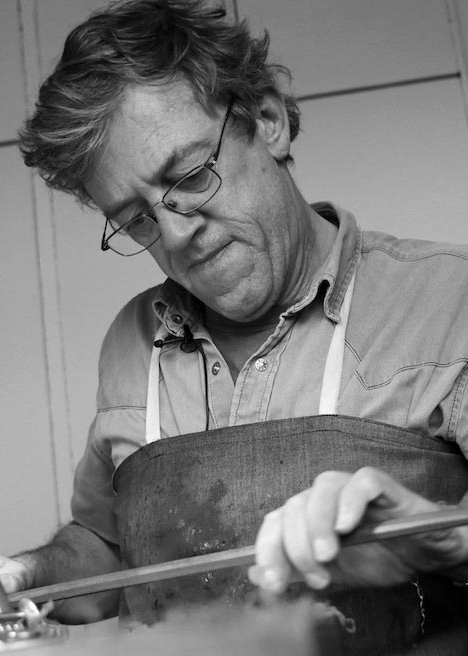
Gary Leahy a d’abord suivi une formation en réparation et restauration de violons auprès de John Harte, à l’atelier de violons Antonio Strings, en Nouvelle-Zélande. C’est en travaillant là-bas qu’il s’est de plus en plus passionné pour les archets.
Il est rentré en Irlande en 2002 pour suivre une formation de fabricant d’archets et a créé son propre atelier en 2005. À l’exception d’une année passée à travailler à Paris (à L’Atelier d’Arthur), il est depuis lors installé dans le comté de Mayo, en Irlande. Ses archets de violon, d’alto et de violoncelle s’inspirent largement de la fabrication française d’archets de la fin du XVIIIe siècle et du début au milieu du XIXe siècle.
Parmi les distinctions qu’il a remportées, citons des médailles d’or pour des archets de violon, d’alto et de violoncelle au Concours VSA 2010, des médailles d’or pour des archets de violon et d’alto au Concours VSA 2012, ainsi que le Grand Prix de la Ville de Paris pour un archet d’alto en 2011.
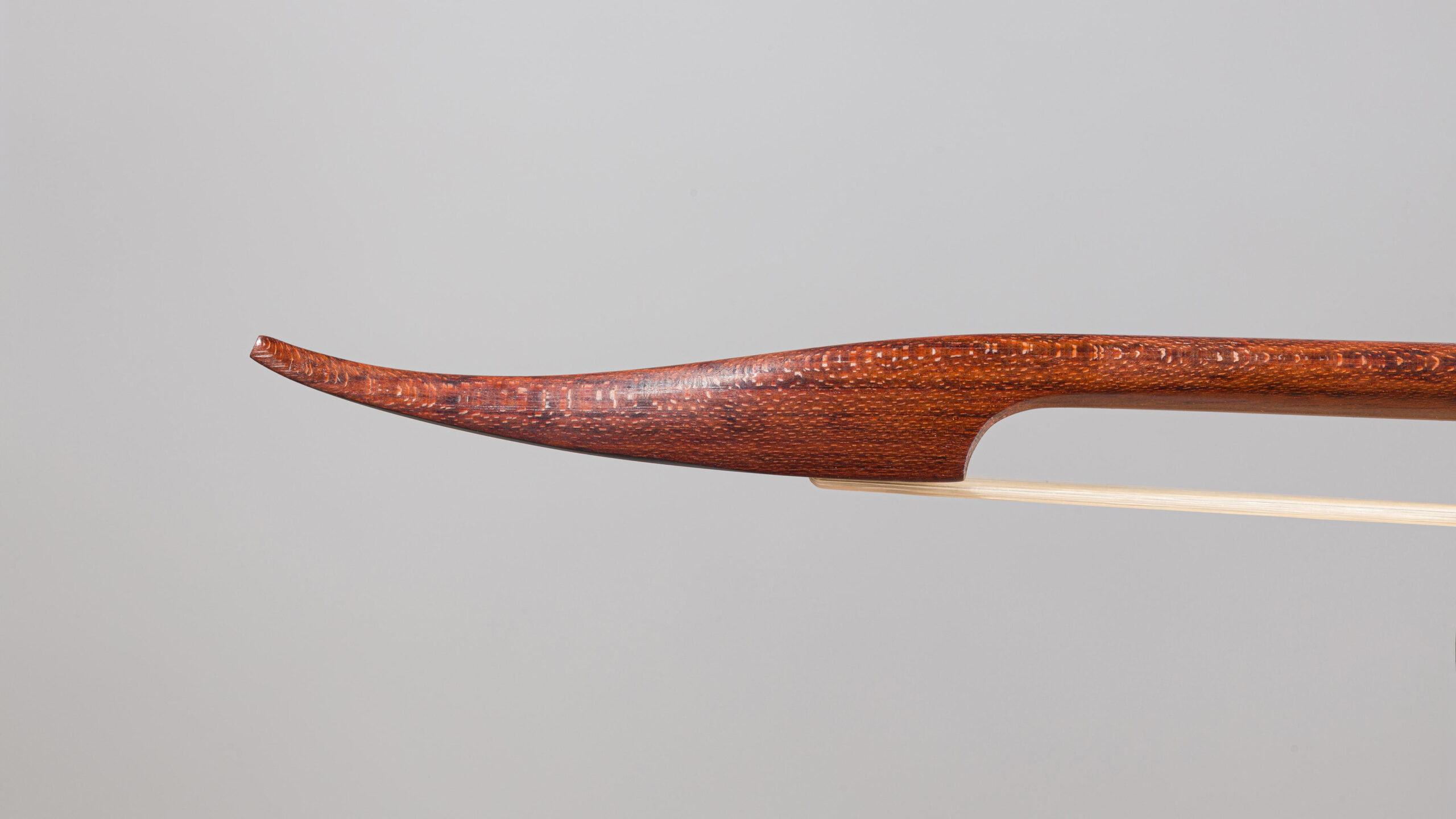
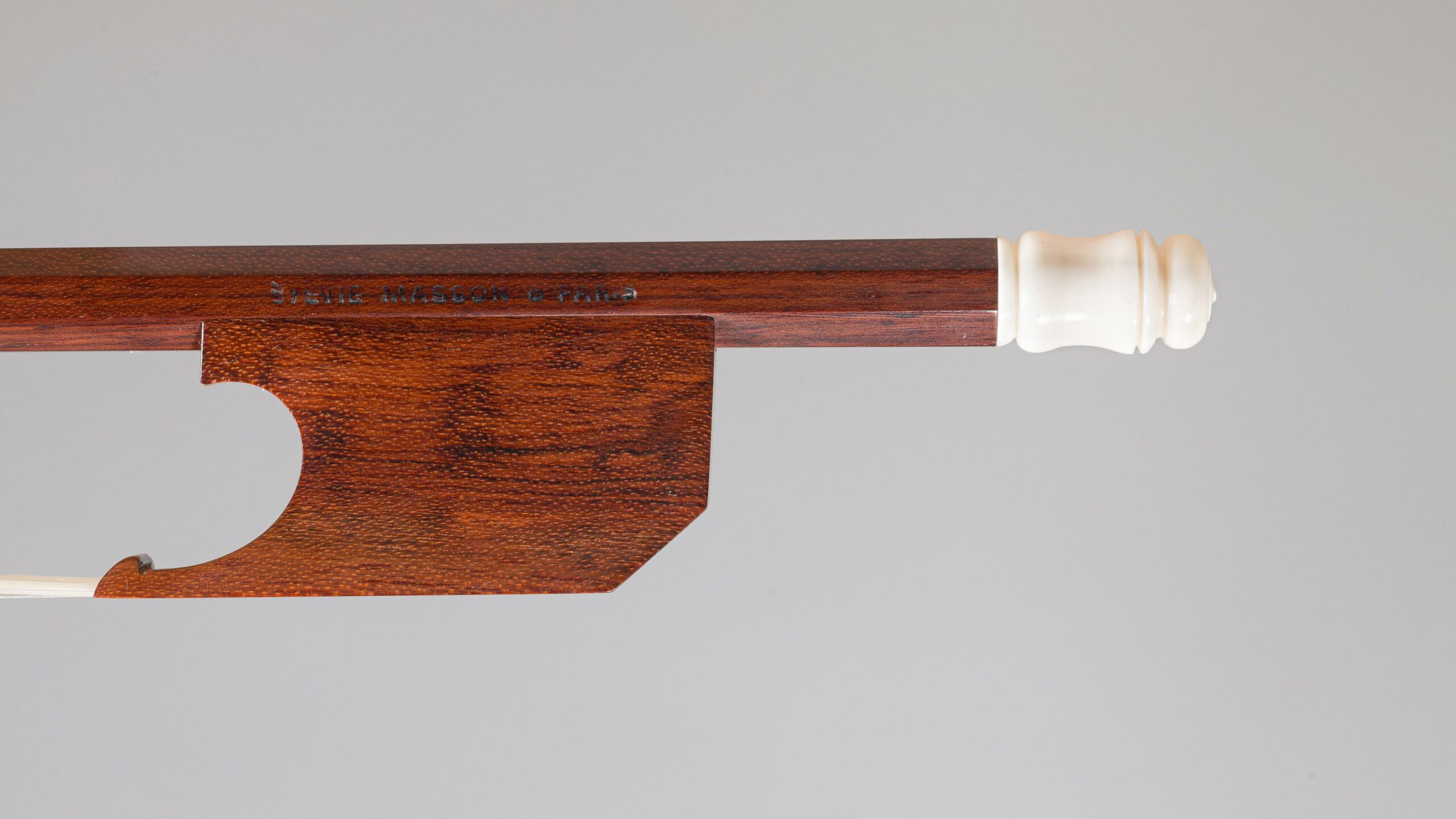
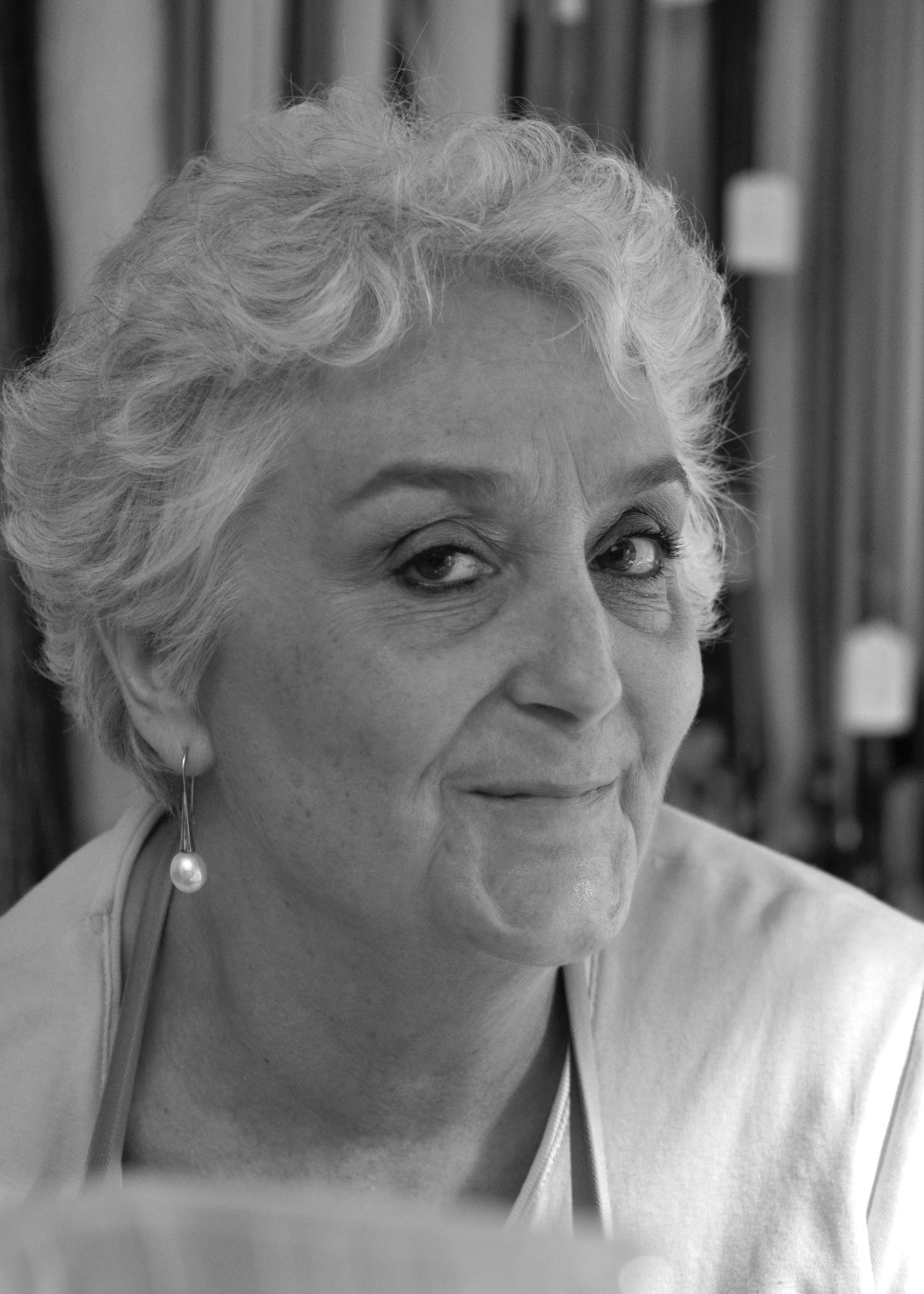
Sylvie Masson est archetière, spécialisée dans la fabrication et la réparation d’archets baroques et modernes.
Élève de Bernard Ouchard à l’École d’archèterie de Mirecourt, elle complète sa formation auprès de Benoît Rolland et Roger Lotte.
Installée depuis 1978 rue de Moscou à Paris, elle consacre son activité à l’entretien des archets et à la fabrication d’archets baroques, classiques et modernes.
Elle est membre actif du Groupement des Luthiers et Archetiers d’Art de France (GLAAF), de l’IPCI France-Europe et de l’organisation du Concours international de lutherie et d’archèterie de Mirecourt. Elle est également membre de l’Entente Internationale des Luthiers et Archetiers.
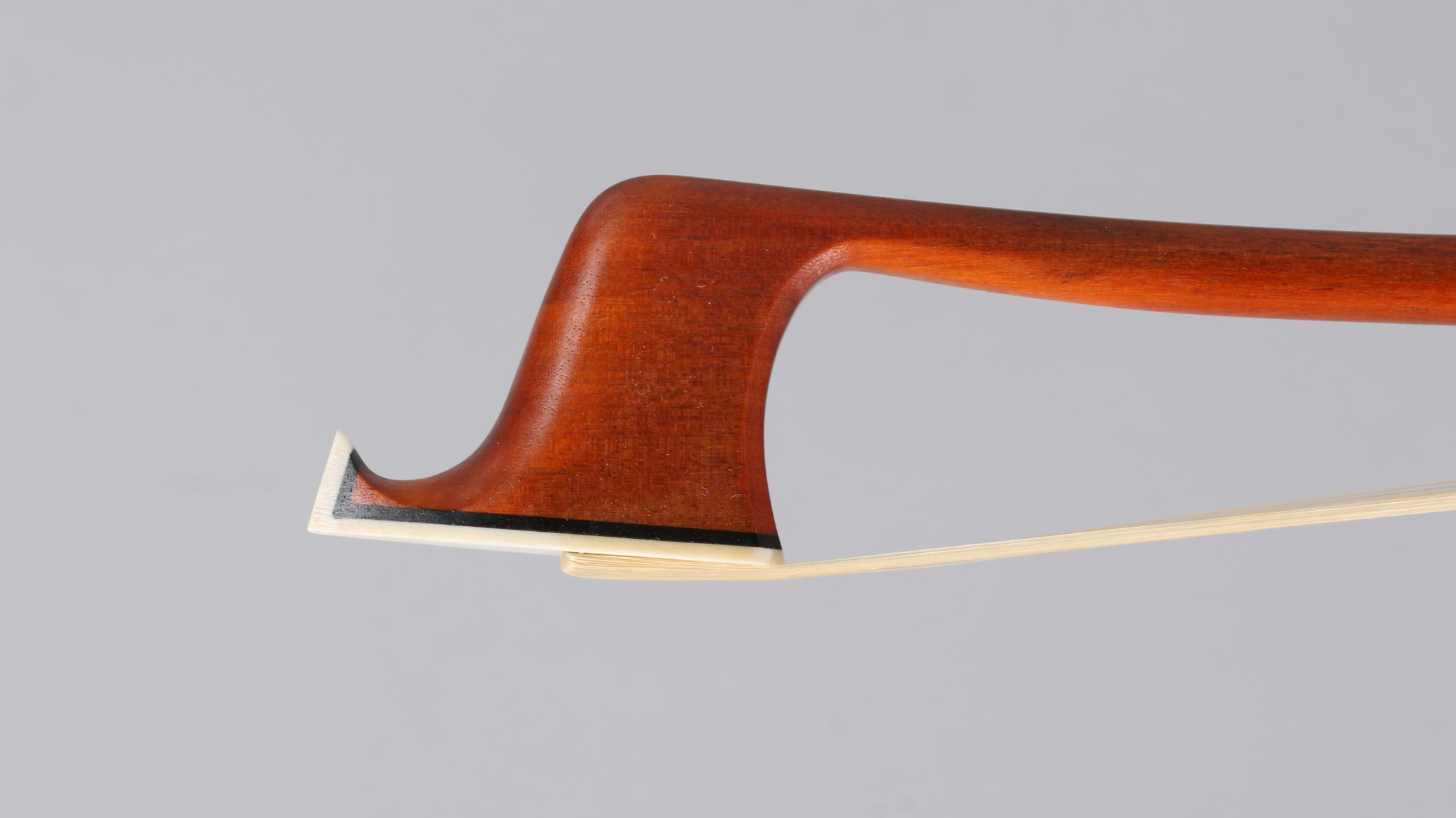
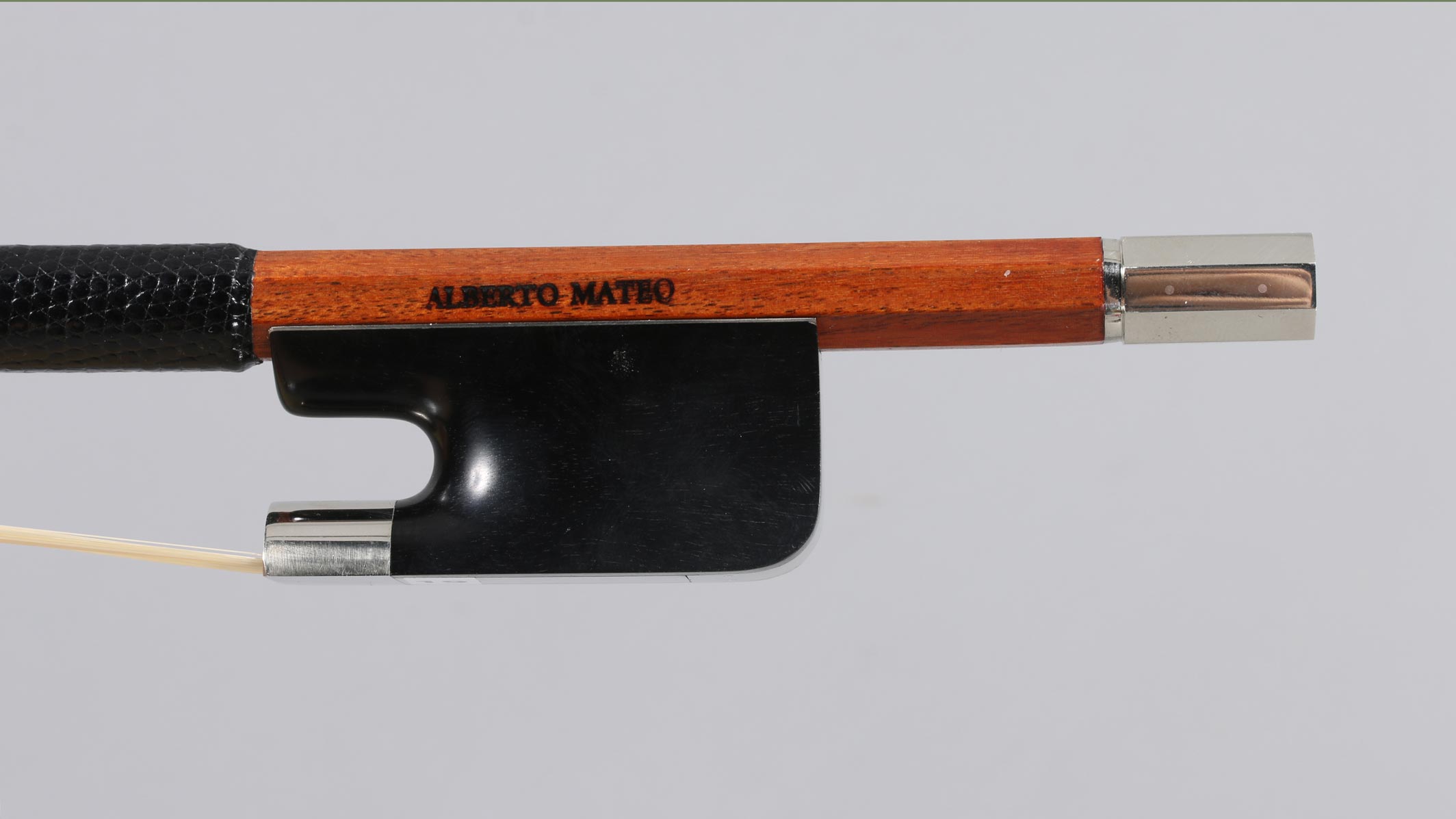
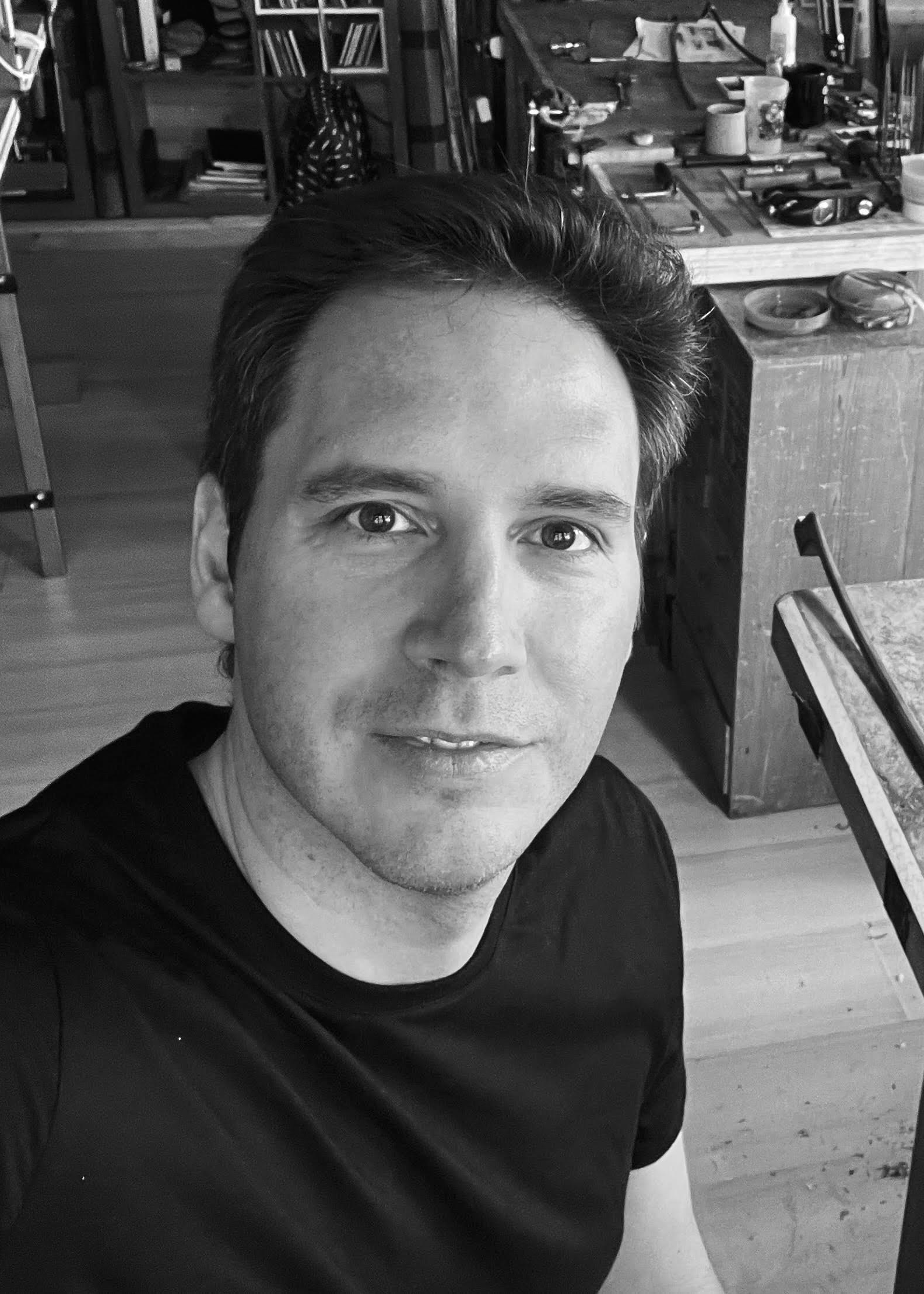
Né en Espagne, Alberto Mateo s’est formé au métier d’archetier en Angleterre auprès de Chris Halstead, puis en France auprès de Gilles Duhaut.
Installé dans son atelier à Valladolid, en Espagne, il se consacre à la fabrication d’archets modernes et de modèles historiques, ainsi qu’à la réparation et à la restauration d’archets.
Son travail associe savoir-faire artisanal traditionnel et compréhension des exigences musicales, nourrie par son expérience de violoncelliste et de professeur de violoncelle.
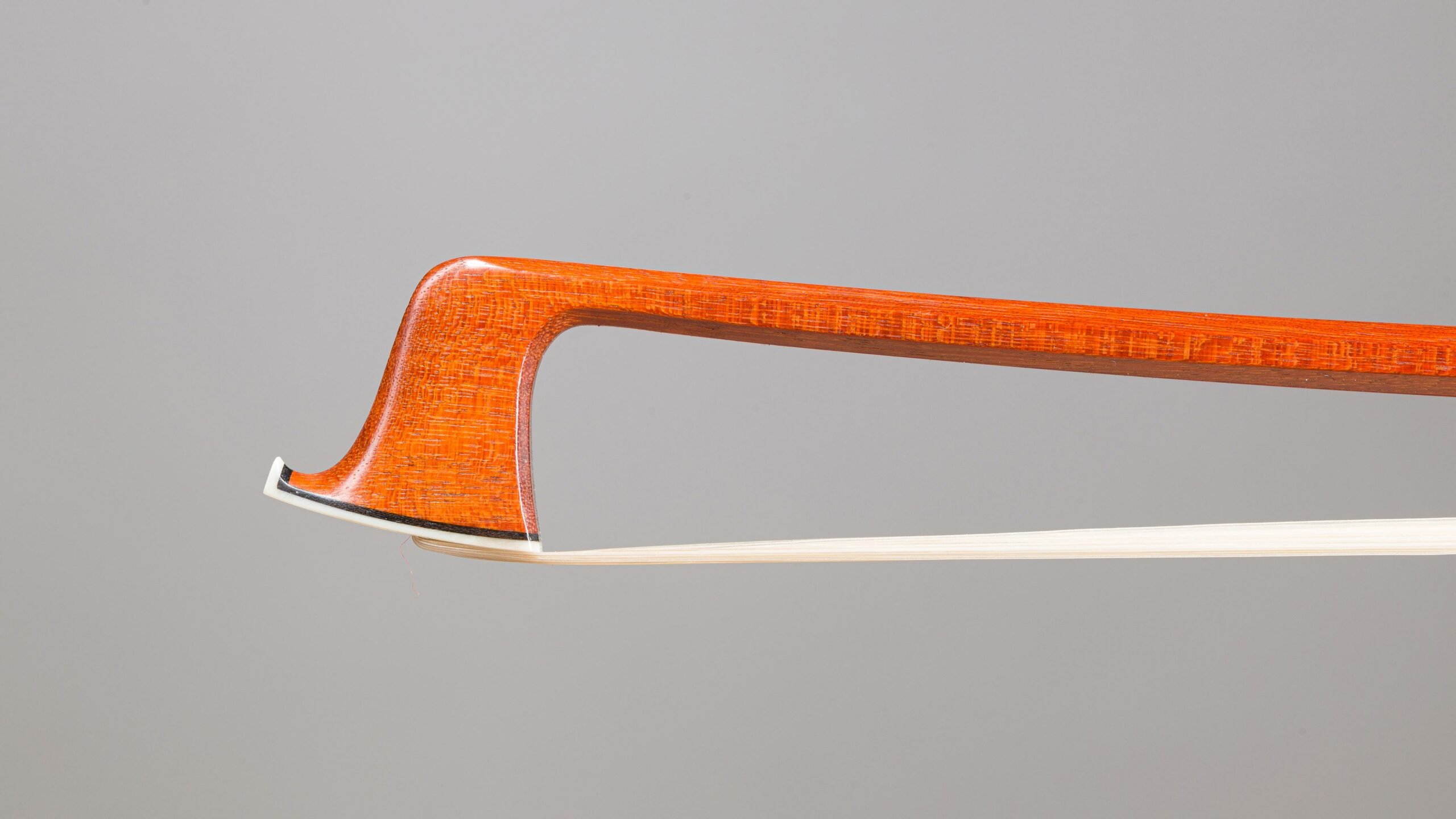
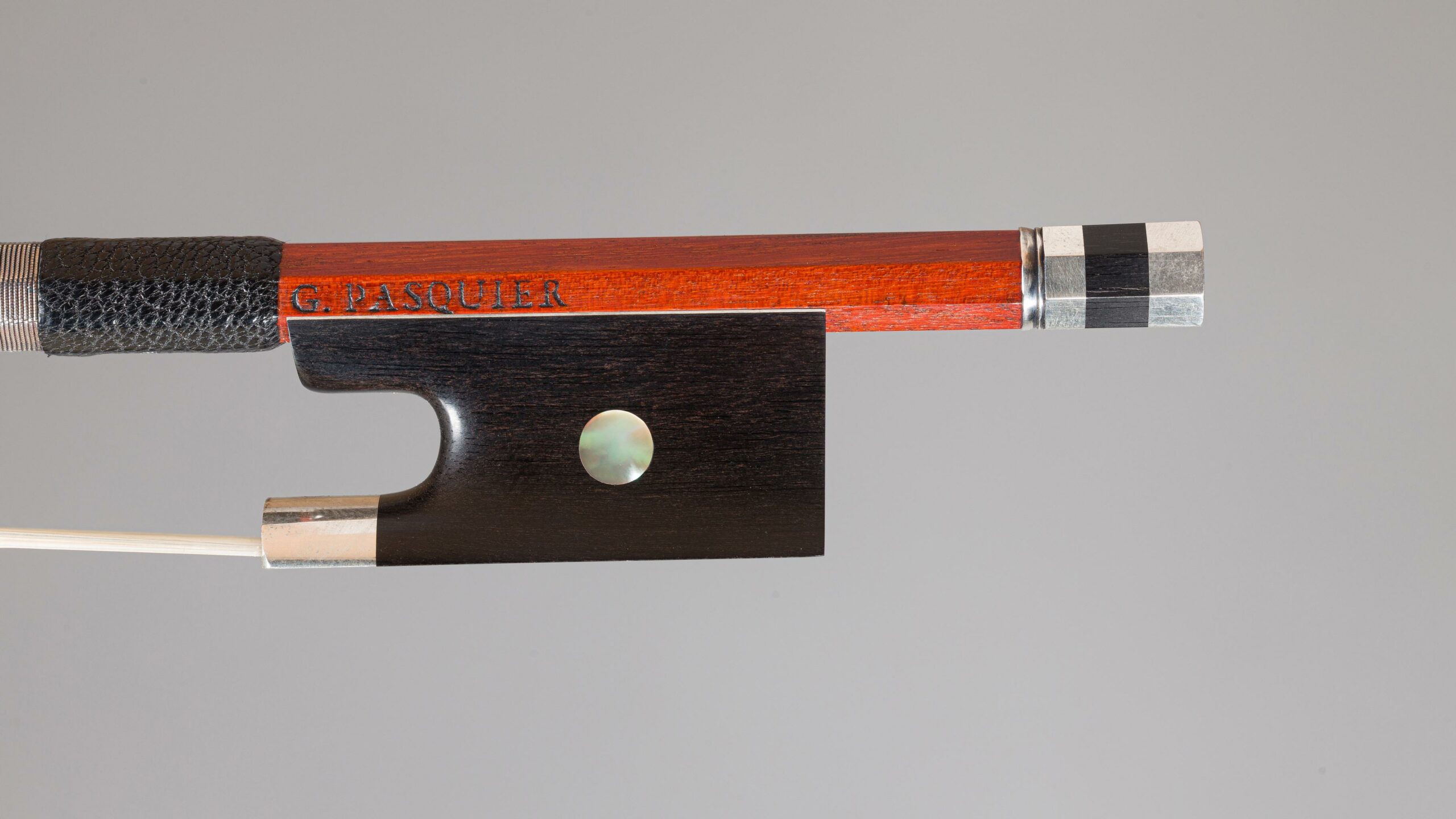
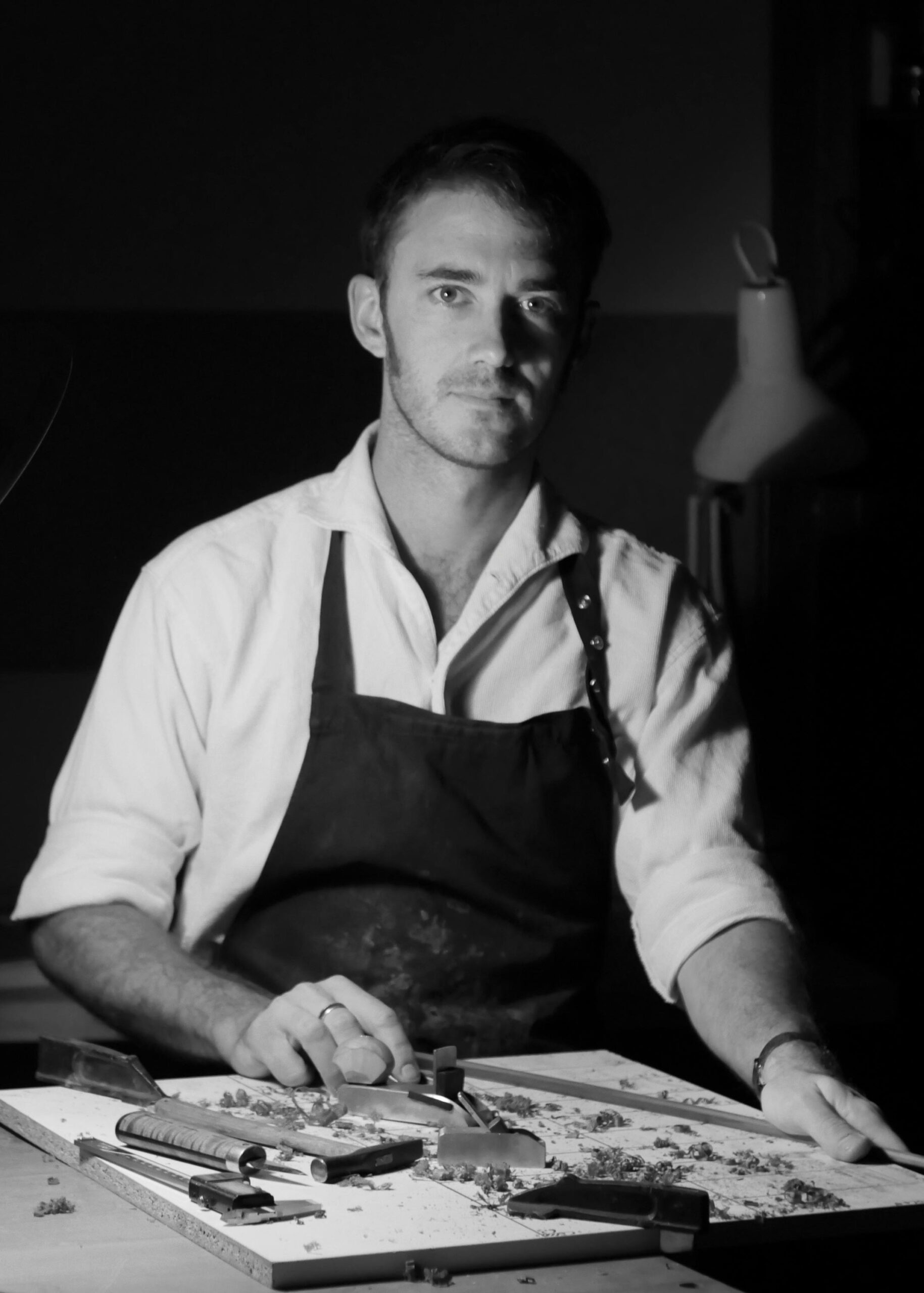
Gabriel Pasquier débute sa formation en 2007, en rentrant à l’école de lutherie de Mirecourt, dans laquelle il a été formé à la lutherie du quatuor pendant 3 ans.
Après l’obtention du D.M.A. Il devient l’assistant de Sylvain BIGOT à Lyon. Pendant 6 ans il y restaure des archets de tous les grands maîtres français, tout en étant initié à la fabrication.
Il crée son atelier à Caromb (Provence) en 2016. Il se consacre principalement à la fabrication d’archets d’après les modèles des grands maîtres du 19ème siècle, et continue en parallèle la restauration d’archets anciens.
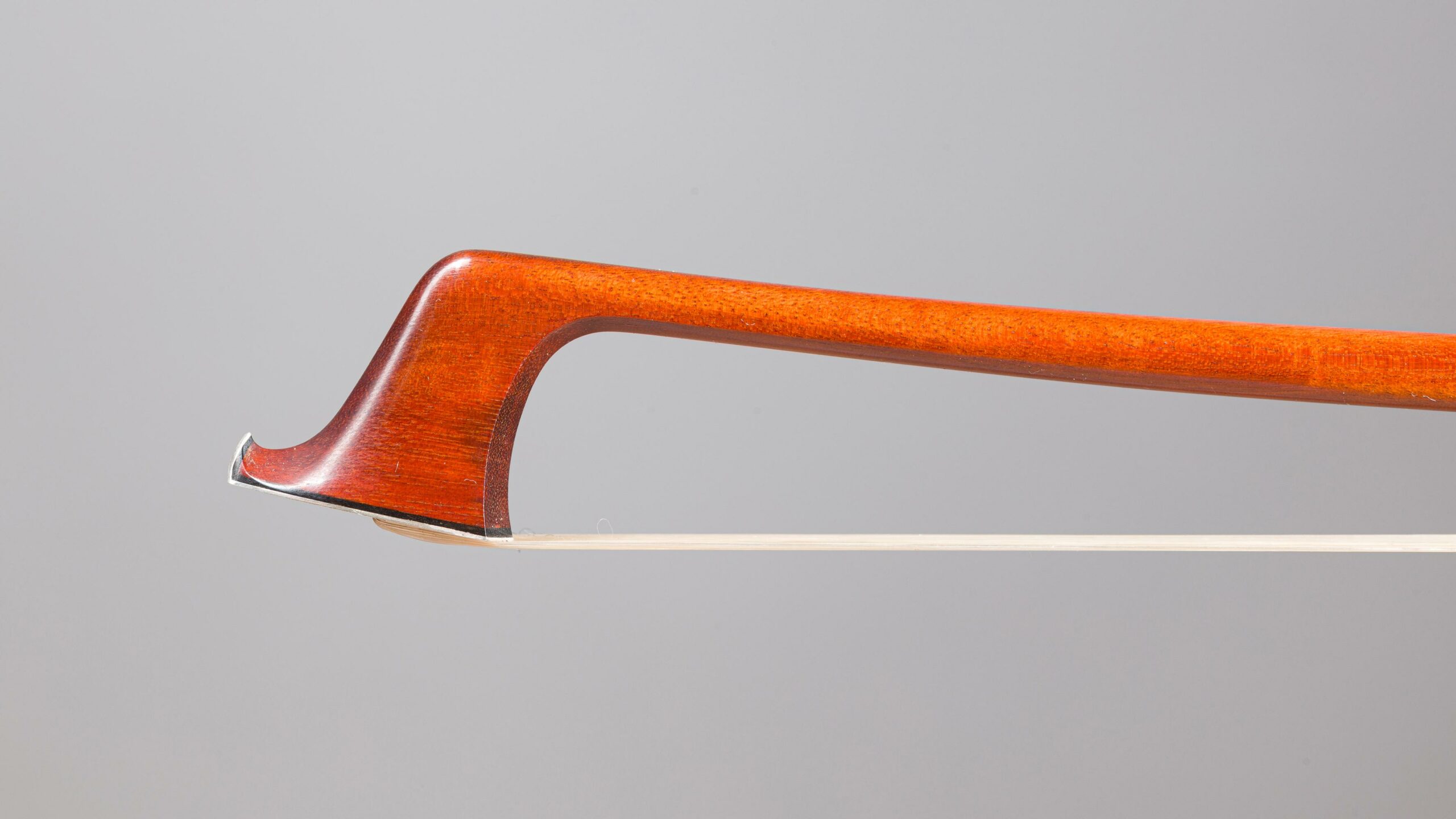
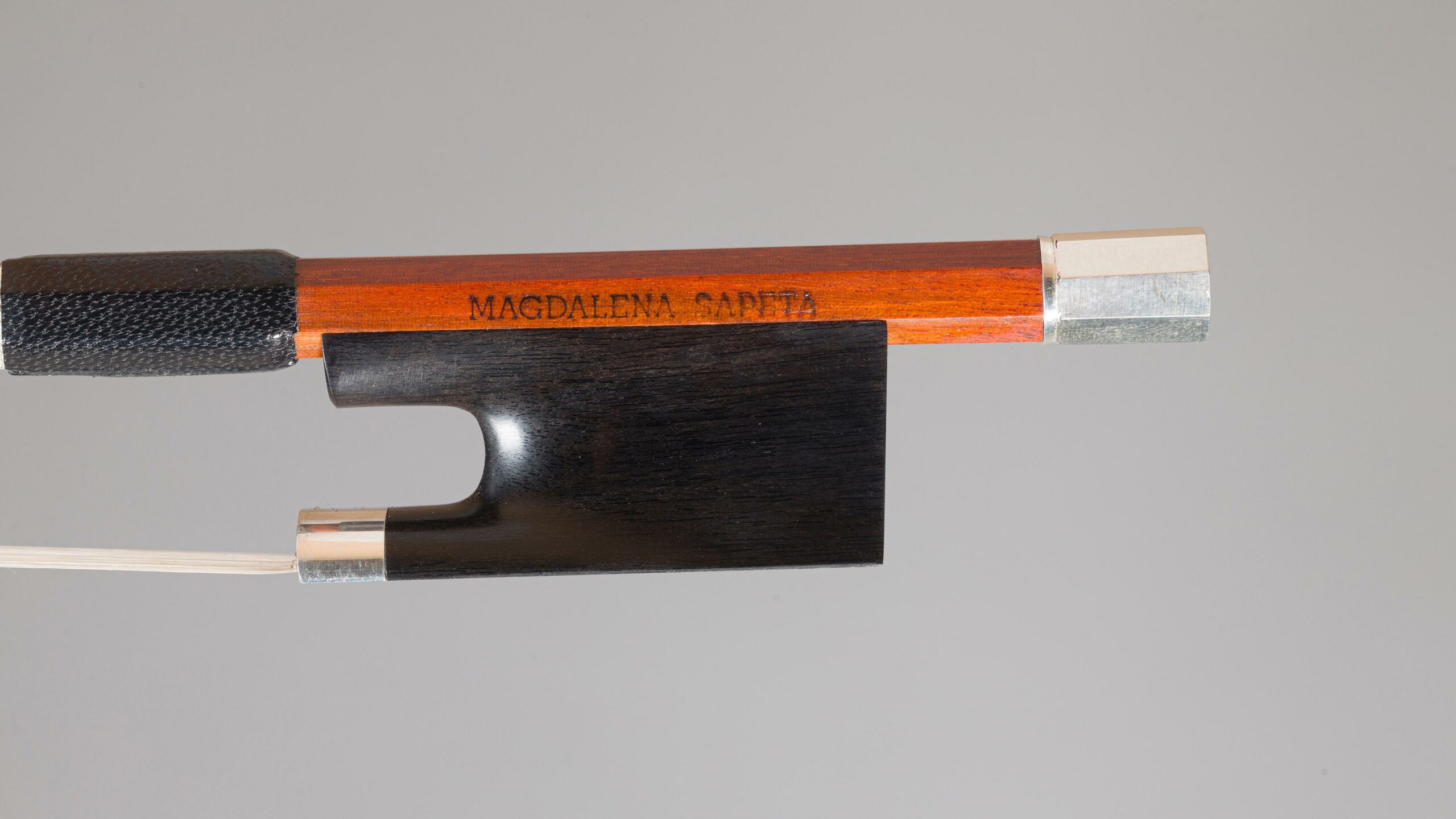
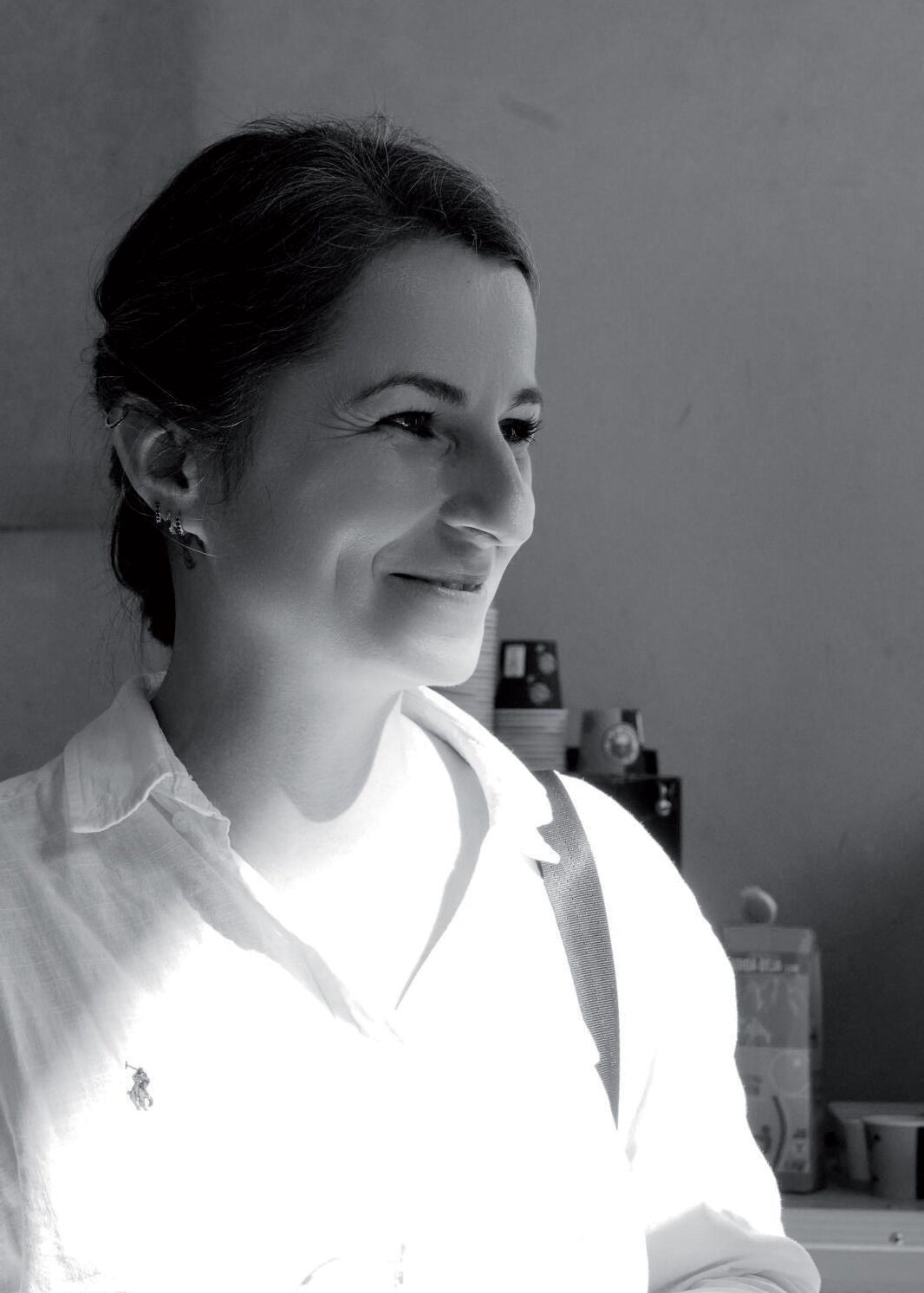
Magdalena Sapeta commence sa formation en lutherie et en restauration d’instruments dans un atelier de Katowice, en Pologne, avant de poursuivre ses études à l’École internationale de lutherie de Crémone, en Italie. En 2006, elle ouvre son propre atelier en Espagne, où elle approfondit sa formation en archèterie auprès de Tibor Kovács. Depuis 2020, elle travaille également à Leśna, ville d’origine de sa famille en Pologne, ainsi qu’à Cracovie. Elle vit et travaille actuellement à Rouvroy-sur-Marne, en France.
Son travail a été récompensé par une médaille d’or pour un archet de violoncelle au concours international de Mittenwald en 2022, un deuxième prix pour un archet de violon au concours international de Pisogne en 2024, ainsi que deux deuxièmes prix pour des archets de violon et d’alto et un troisième prix pour un archet de violoncelle au concours international de Mirecourt en 2026.
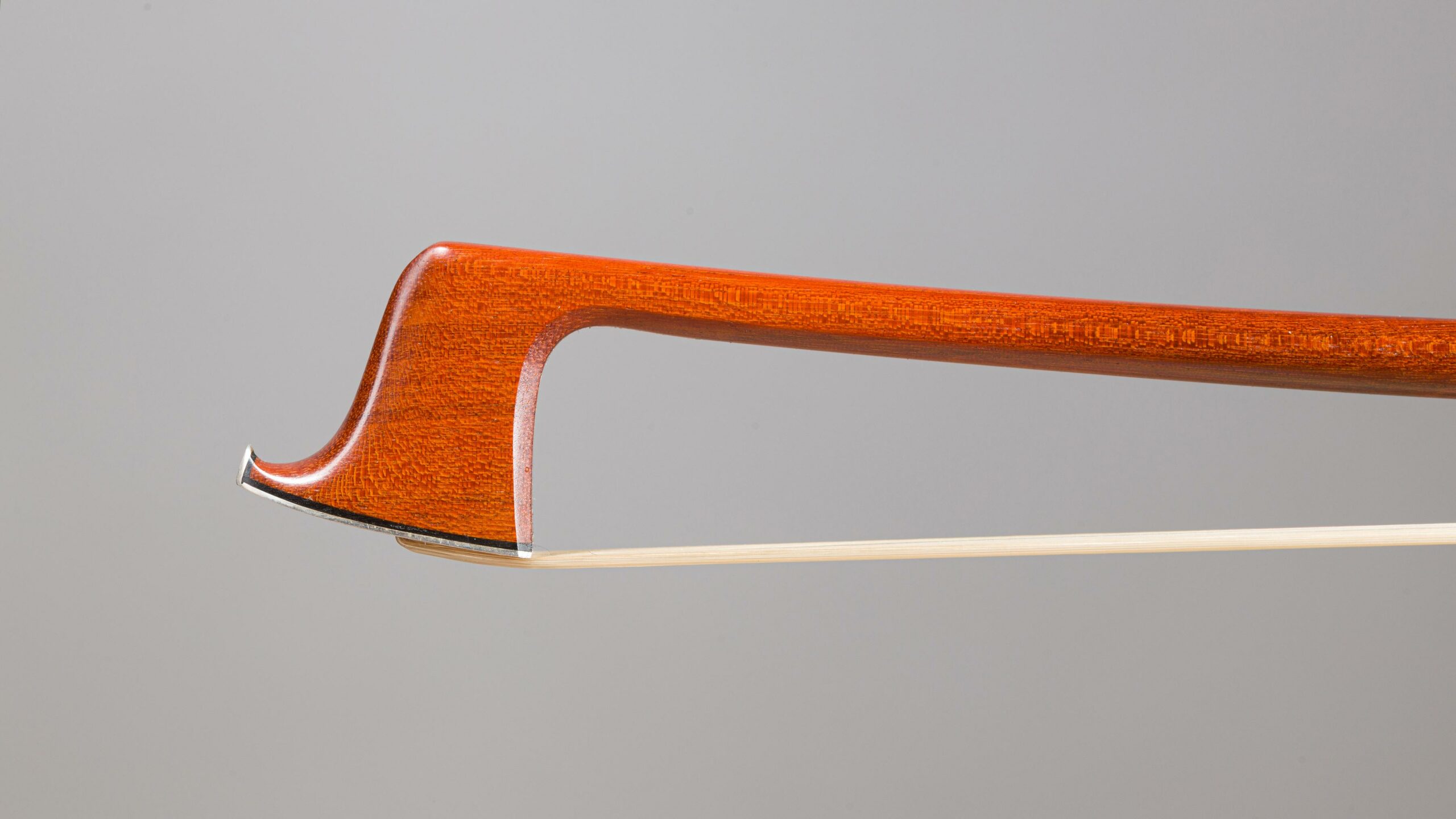
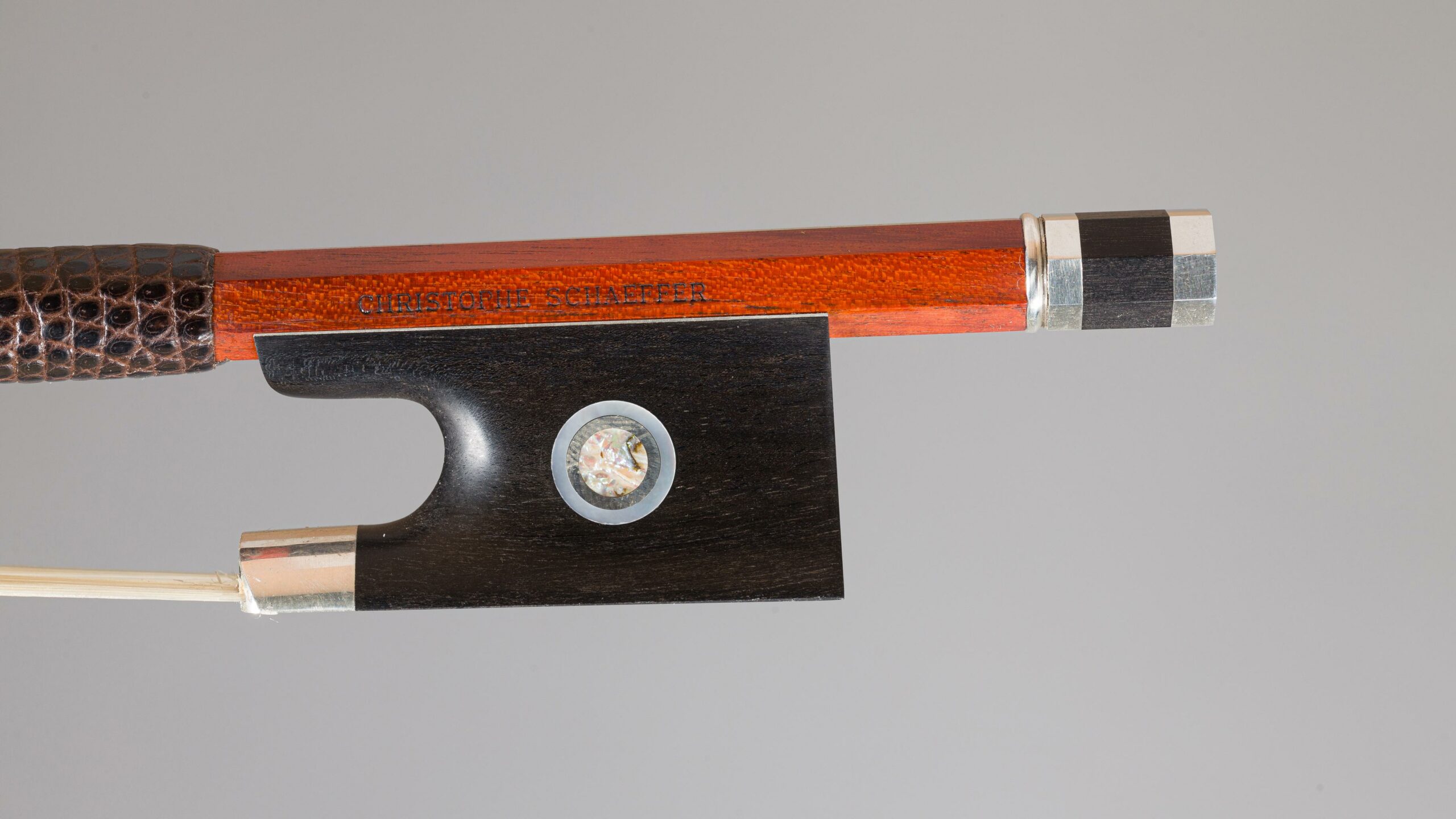
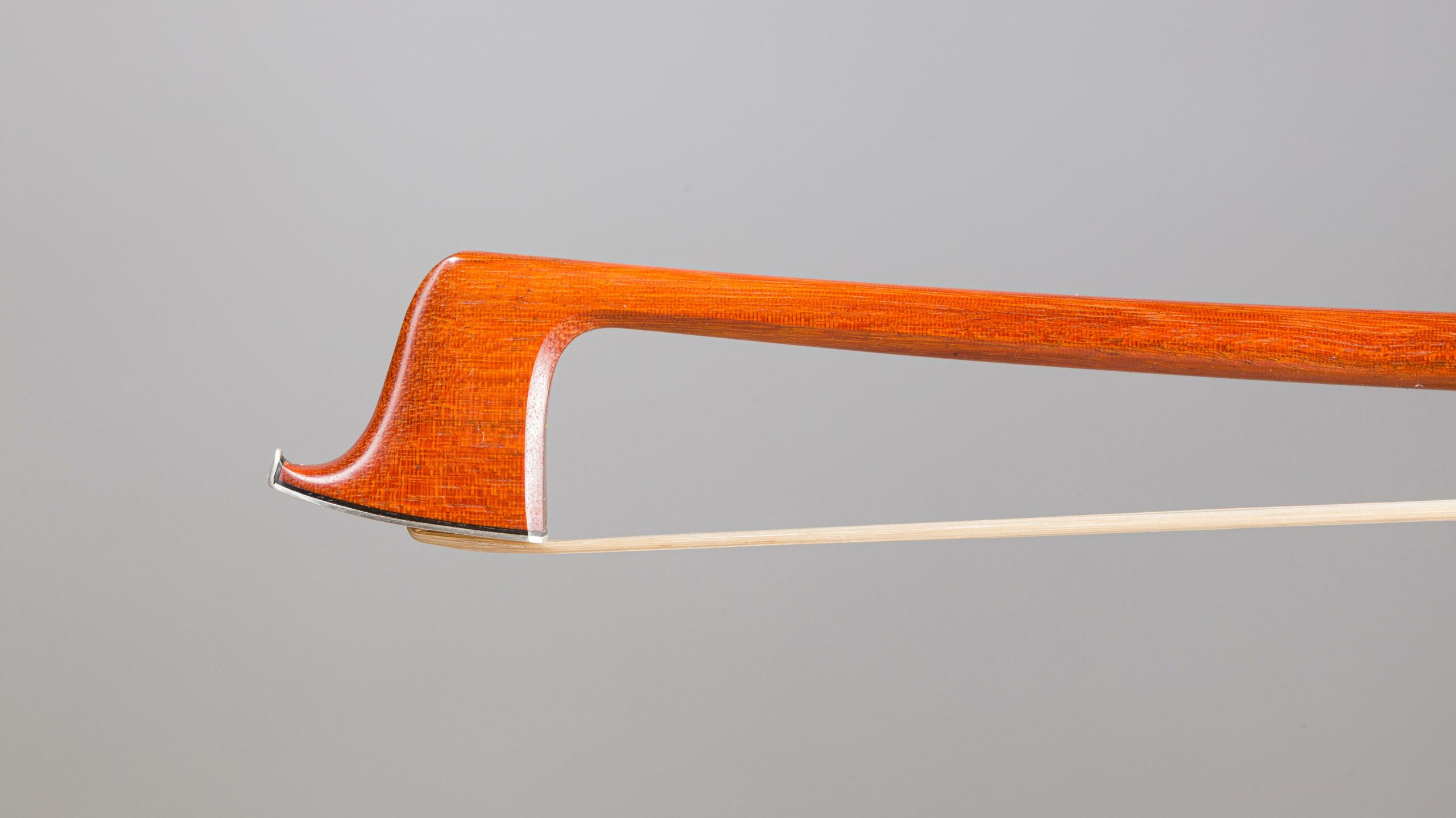
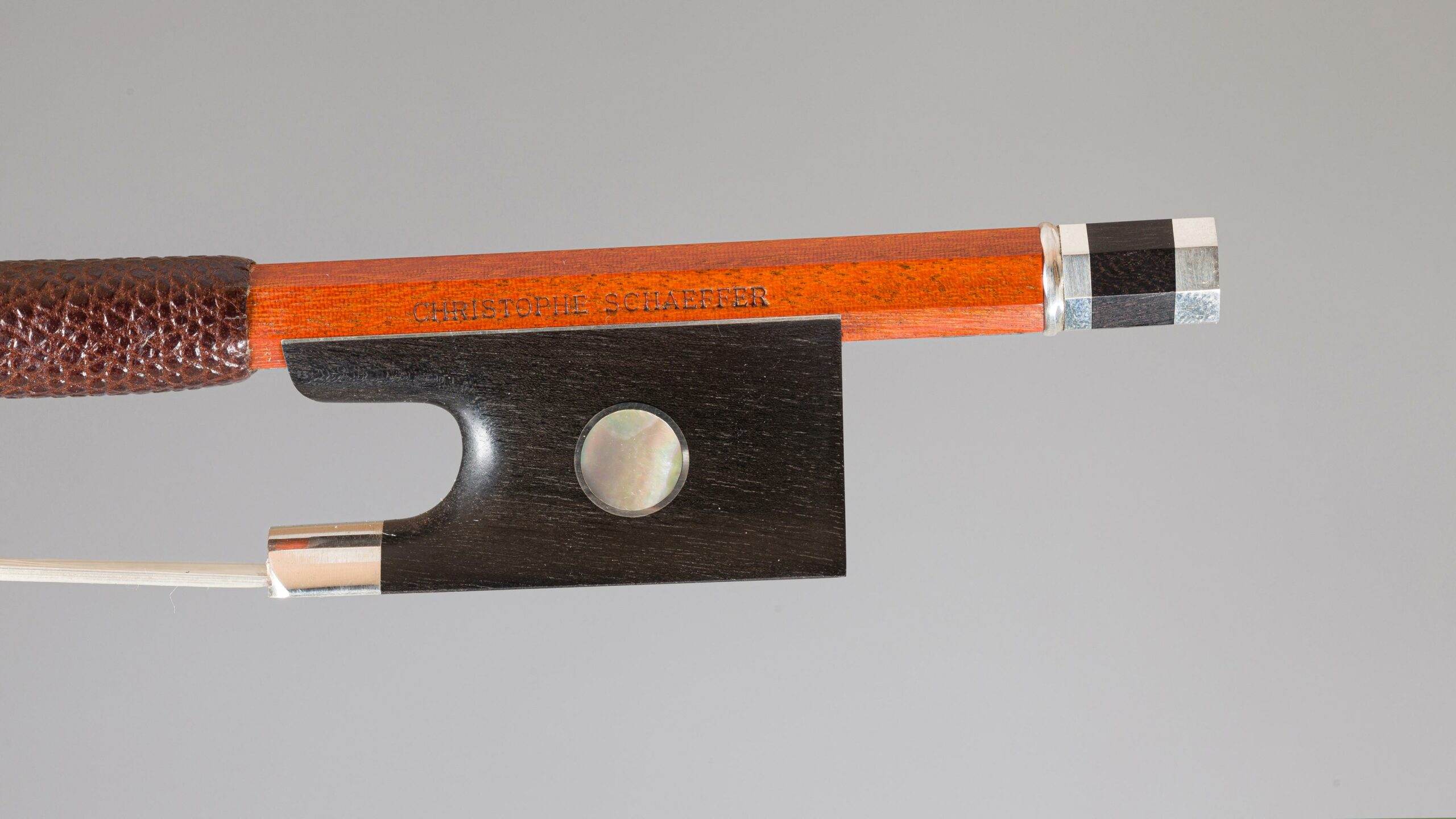
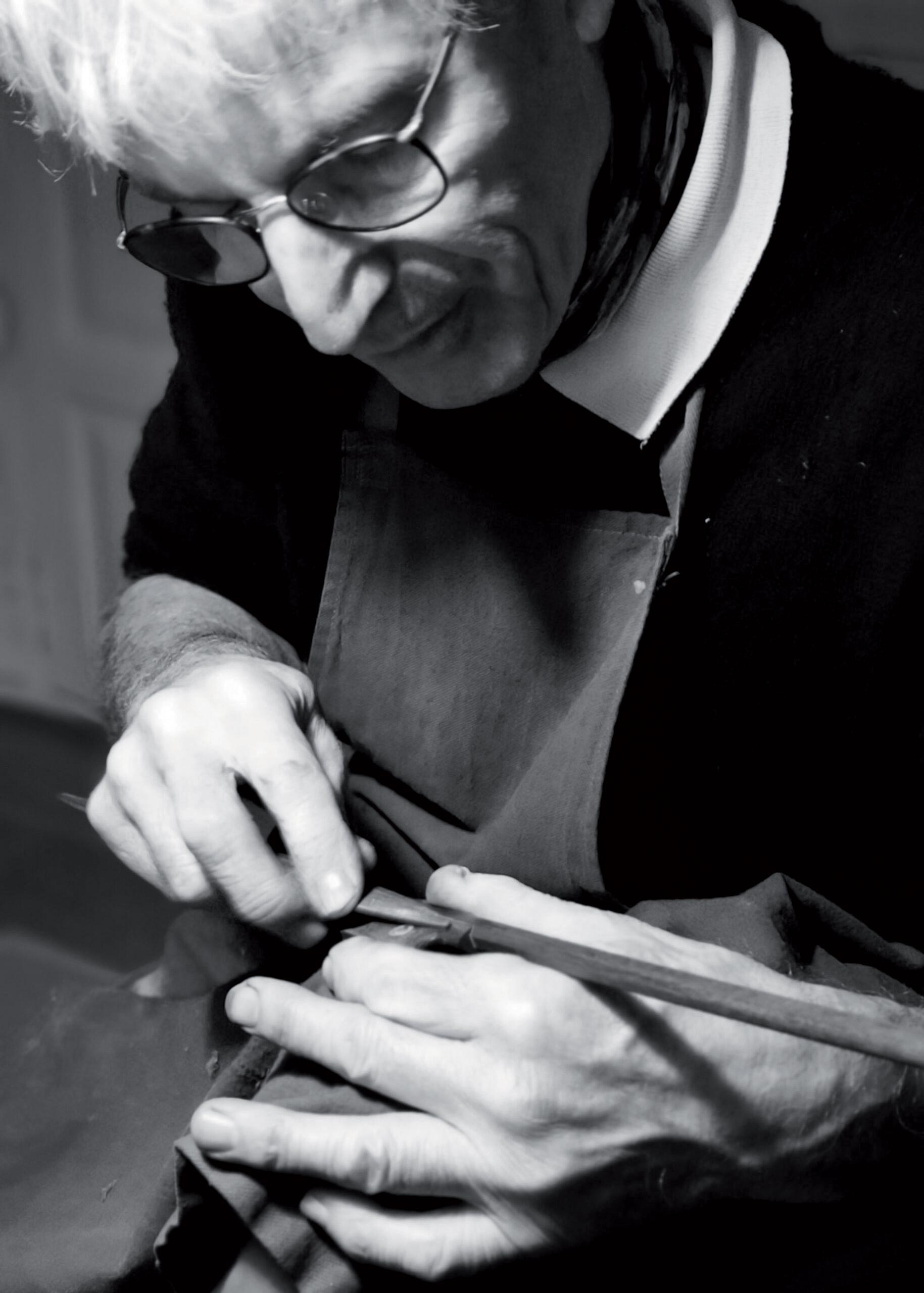
Né en 1958 au Mans, Christophe Schaeffer grandit à Valence, dans la Drôme. Attiré par la musique et particulièrement par le violon, il s’oriente vers la facture instrumentale sur les conseils du luthier Jean-Yves Rouveyre.
En 1974, il intègre l’École nationale de lutherie de Mirecourt, où il se forme à l’archèterie auprès de Bernard Ouchard jusqu’en 1977. En 1978, il reçoit une médaille d’or de la Violin Society of America pour un archet de violoncelle. Il rencontre ensuite Philippe Dupuy, luthier parisien et petit-fils d’Eugène Sartory, qui lui propose de travailler dans un atelier à Avignon.
Pendant plusieurs années, Christophe Schaeffer y fabrique des archets sous la signature « Dupuy à Paris ».
À partir des années 1990, il développe un style personnel fondé sur la sobriété, la qualité de la cambrure et la recherche sonore.
Son travail s’inspire notamment de Nicolas Voirin, Lamy Père et Eugène Sartory, avec une attention particulière portée à l’équilibre de la baguette et aux qualités musicales de l’archet.
Retrouvez notre article sur Christophe Schaeffer.
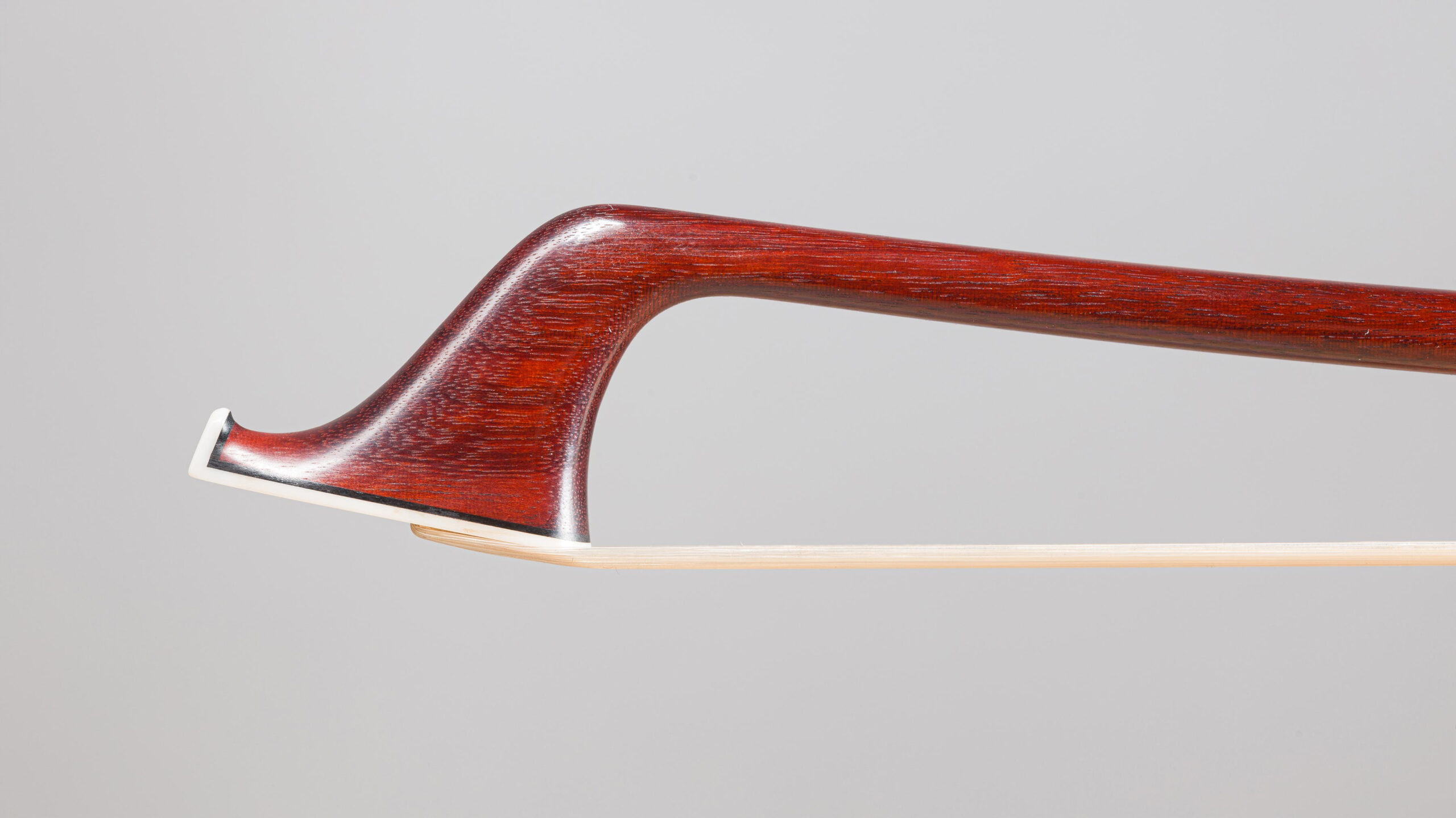
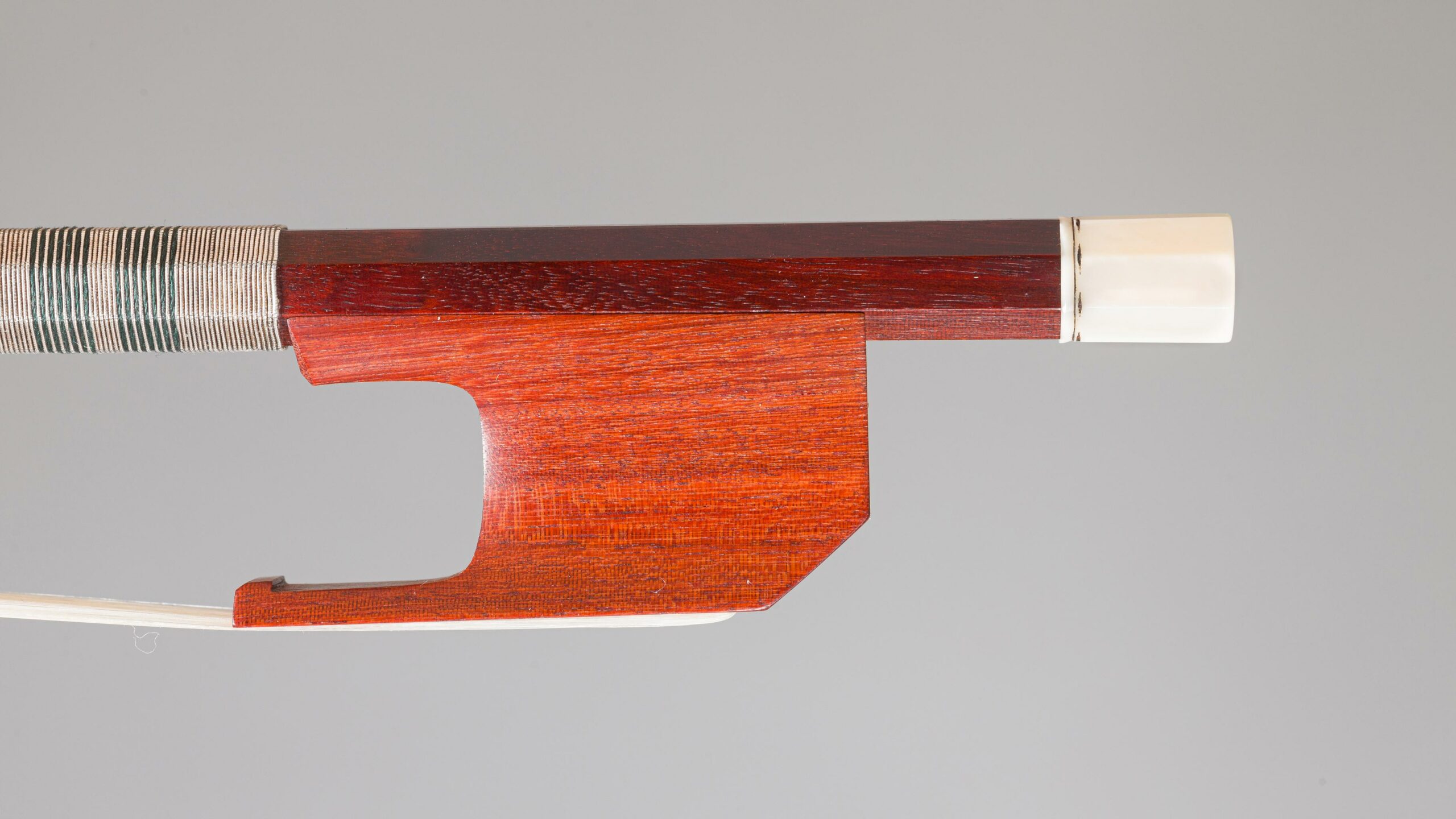
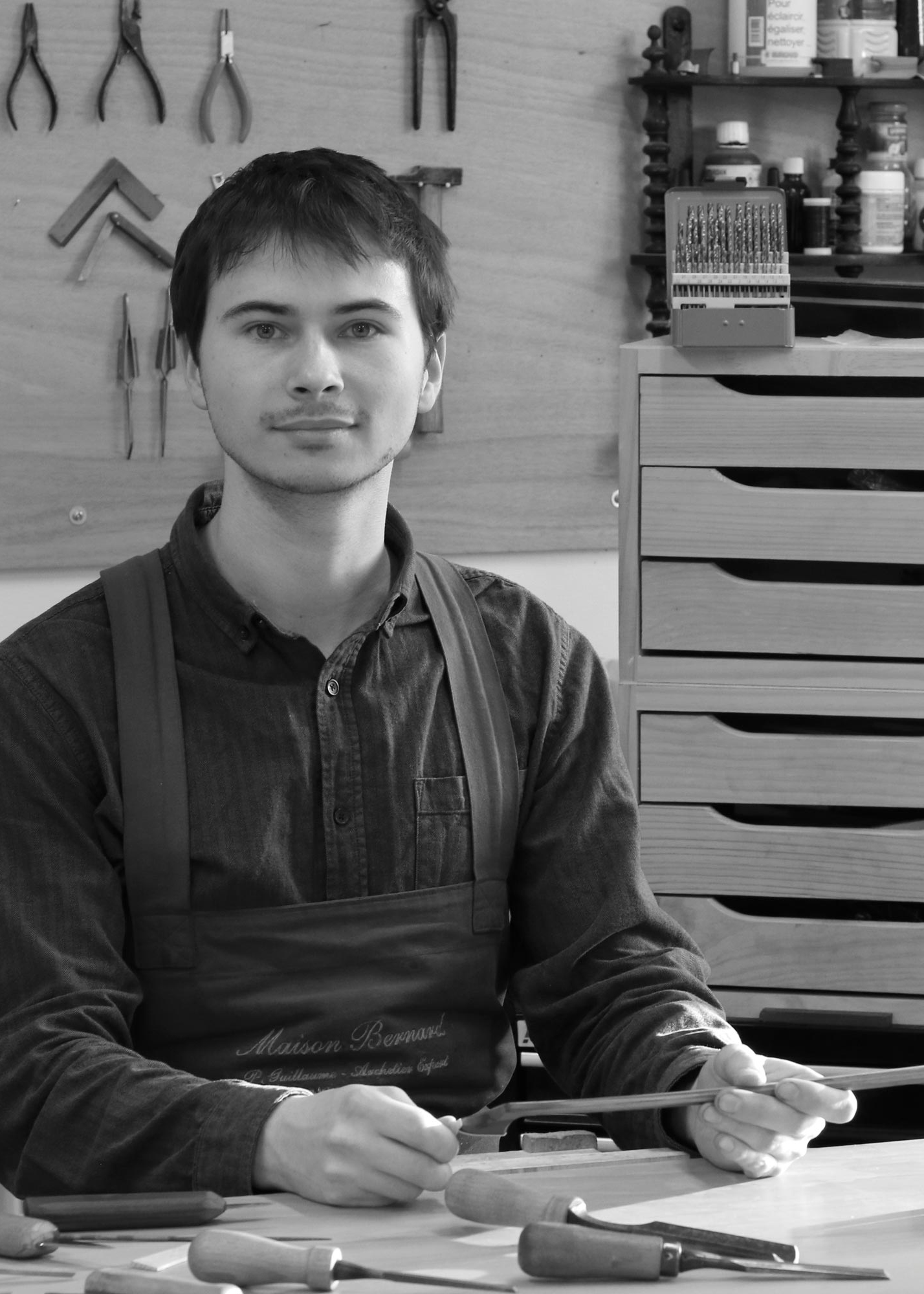
Paul-Hugo Schloeder a commencé à apprendre l’archeterie auprès de Gilles Duhaut en 2020.
Il intègre ensuite la Maison Bernard et assiste Pierre Guillaume dans la fabrication, la restauration et l’expertise des archets.
C’est une période riche en découvertes qui lui a permis de développer un goût certain pour les archets anciens. Après cinq années d’expérience en fabrication et restauration d’archets, il s’installe à Mirecourt en janvier 2026, où il exerce au service des musiciens du quatuor. Comme il le précise, l’idée de l’archet de violoncelle classique de la vente au profit de l’IPCI est inspirée par François Xavier Tourte, afin de mettre le plus possible en valeur ce bois magnifique qu’est le pernambouc.
Ainsi la hausse est également faite en pernambouc tandis que le bouton est en ivoire de phacochère. C’est une mise en lumière de ce qui fait l’essence d’un archet : le pernambouc.
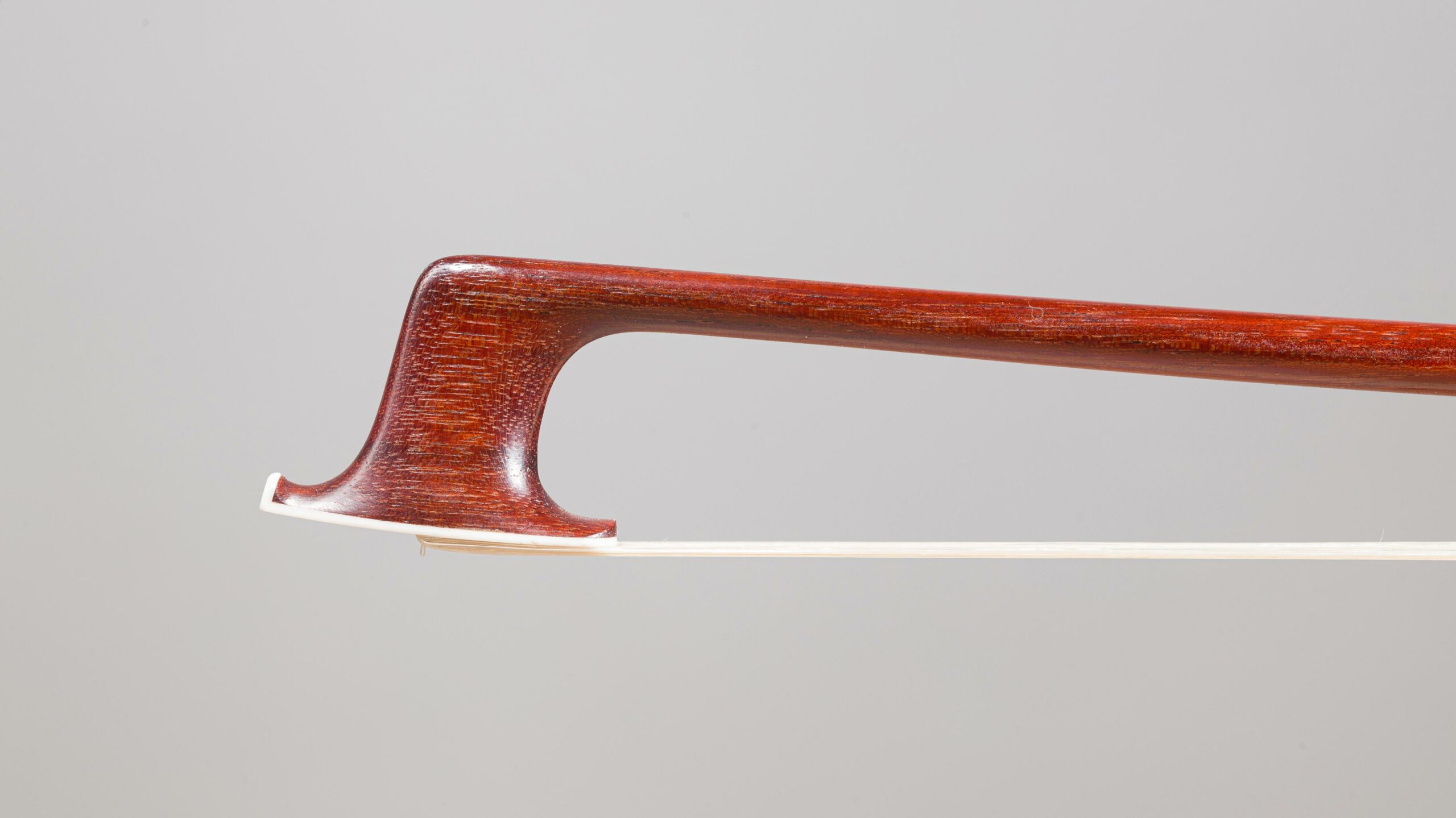
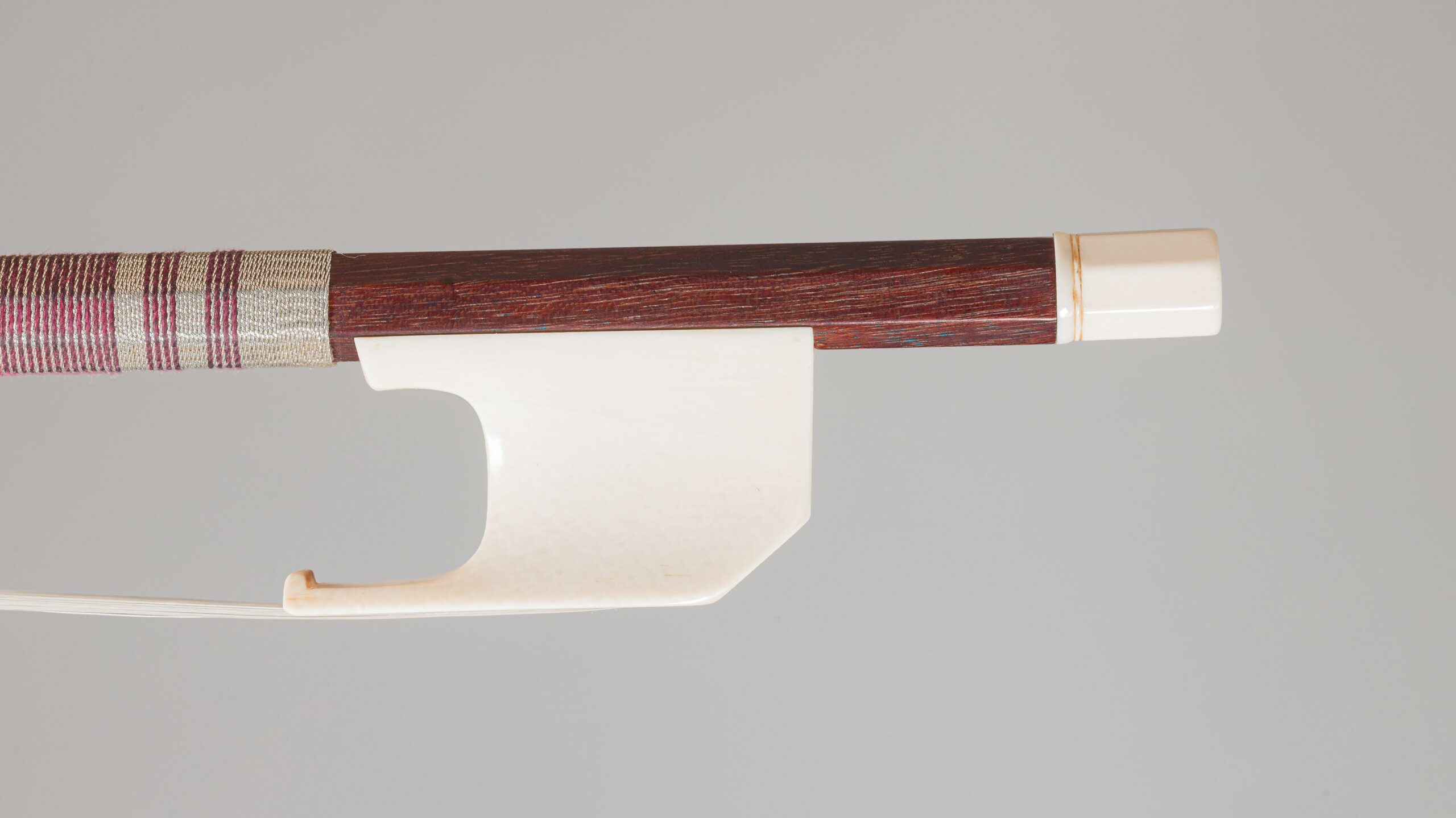
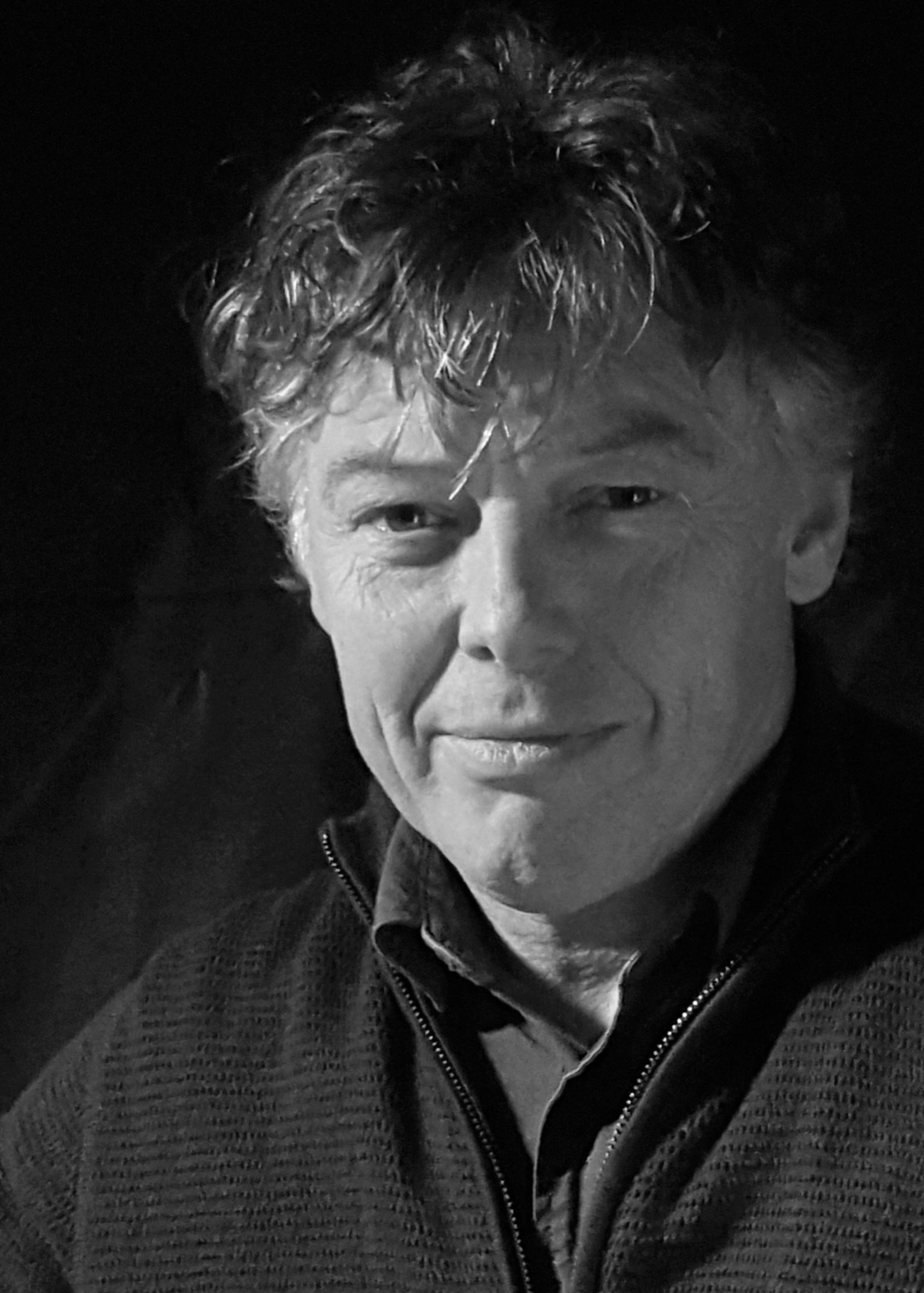
Jean-Yves Tanguy s’installe à Caen en 1984 et partage son temps entre construction, restauration, réparation et réglages tant en lutherie qu’en archèterie. Passionné de musique ancienne, il s’intéresse aux instruments « baroques » et côtoie nombre de musiciens spécialisés dans ce répertoire avec lesquels il travaille notamment à la reconstitution d’archets pour interpréter la musique ancienne, à partir des rares exemplaires originaux issus des collections privées ou conservés dans les musées.
En octobre 2018, il ouvre un nouvel atelier pour se consacrer exclusivement aux archets historiques.
Il participe régulièrement à des séminaires, expositions et ateliers sur les archets historiques et intervient dans différents conservatoires, orchestres ou ensembles orchestraux pour faire découvrir et « goûter » ces archets (originaux et copies).
Il organise régulièrement des rencontres ou workshops avec des archetiers et des musiciens spécialisés pour faire progresser la connaissance de ces archets, réfléchir et échanger sur les techniques de construction et les outils d’autrefois.
Il est membre fondateur de l’Aladfi dont il a été président pendant de nombreuses années.
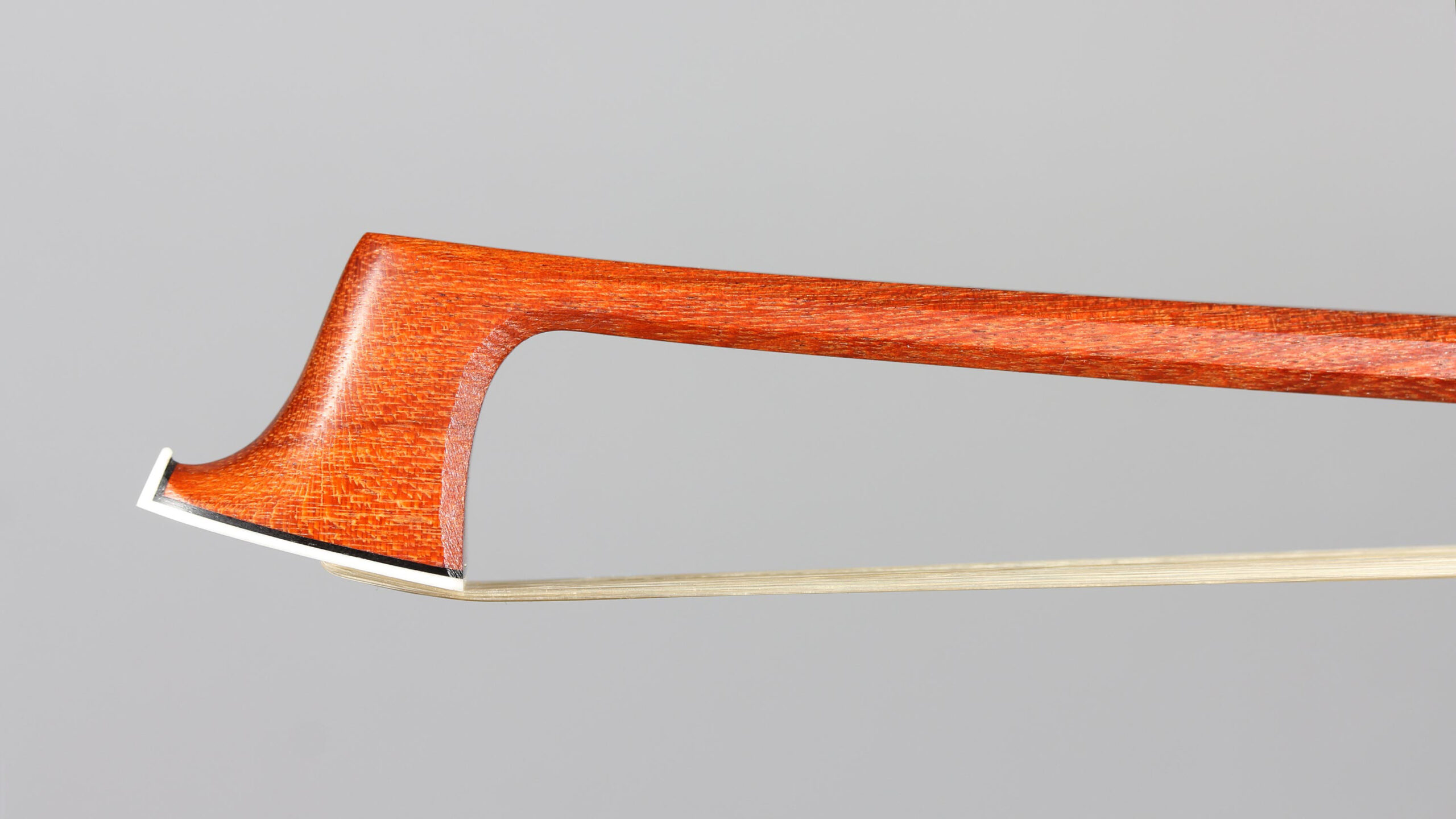
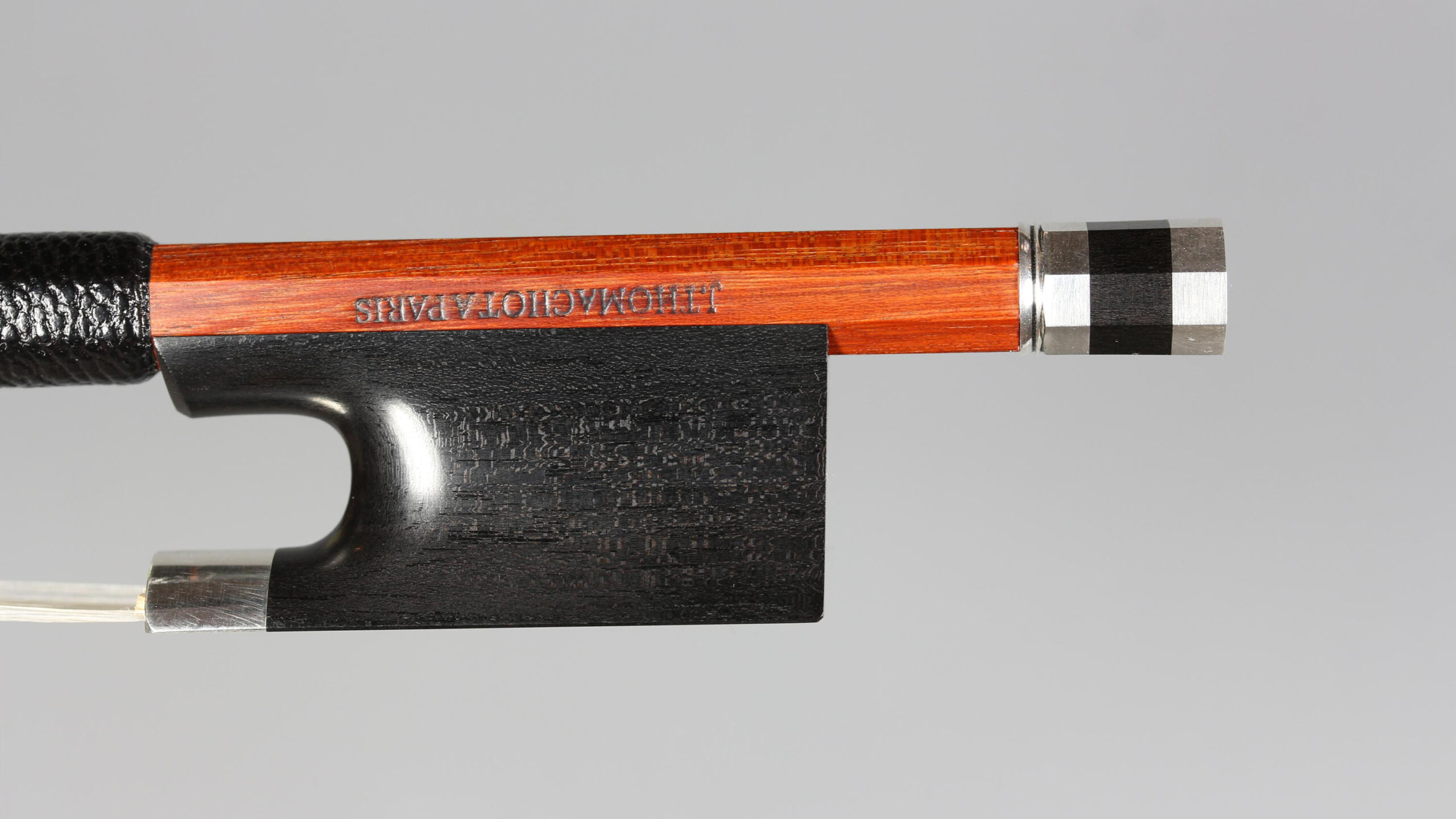
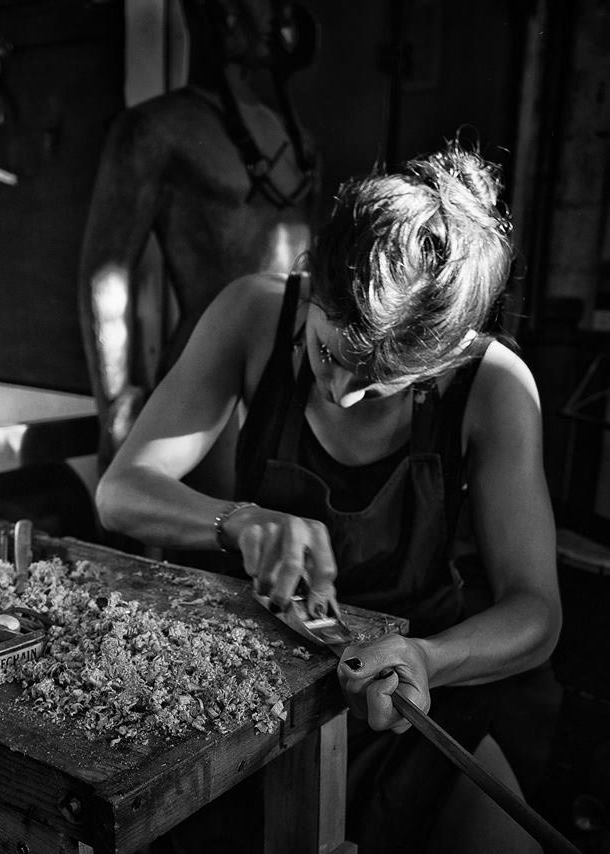
C’est après des études de géologie que Joséphine Thomachot décide de s’orienter vers l’archèterie, en 2013. Elle passe ses deux premières années à découvrir le métier dans l’atelier de son père, Stéphane Thomachot. Il lui enseigne la méthode d’archèterie française, telle qu’il l’a lui-même apprise auprès de son professeur Bernard Ouchard, à l’école de Mirecourt.
À partir de 2015, Joséphine Thomachot a l’opportunité, à plusieurs reprises, d’approfondir son travail dans les ateliers de Noel Burke, d’Emmanuel Carlier, ainsi que d’Arthur Dubroca et Alexandre Aumont.
Aujourd’hui, son atelier est installé dans sa maison à Romainville, près de Paris. Son travail a été récompensé par trois certificats de mérite aux concours de la Violin Society of America : en 2016 pour un archet d’alto, en 2018 pour un archet de violon et en 2024 pour un archet de violoncelle.
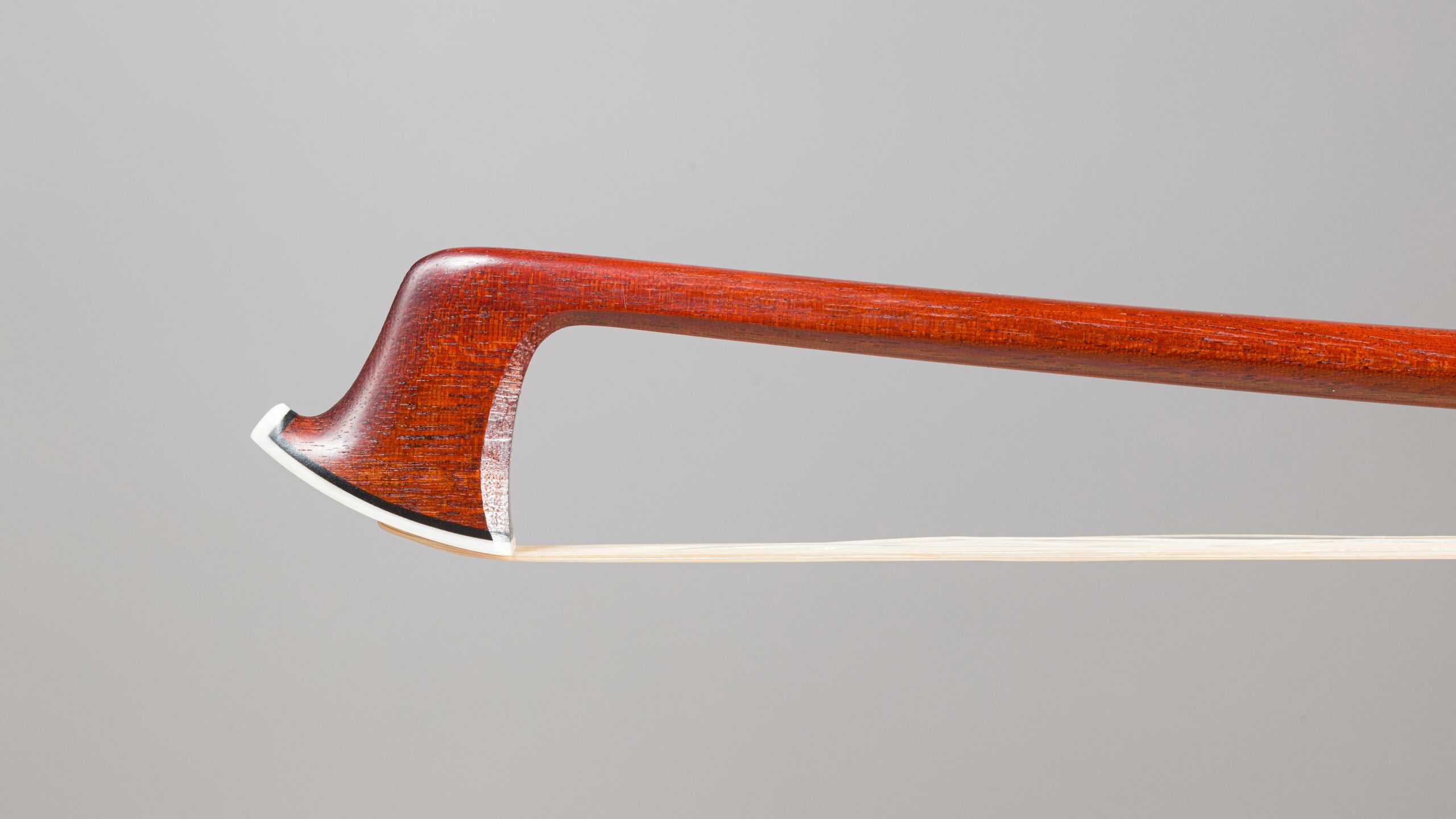
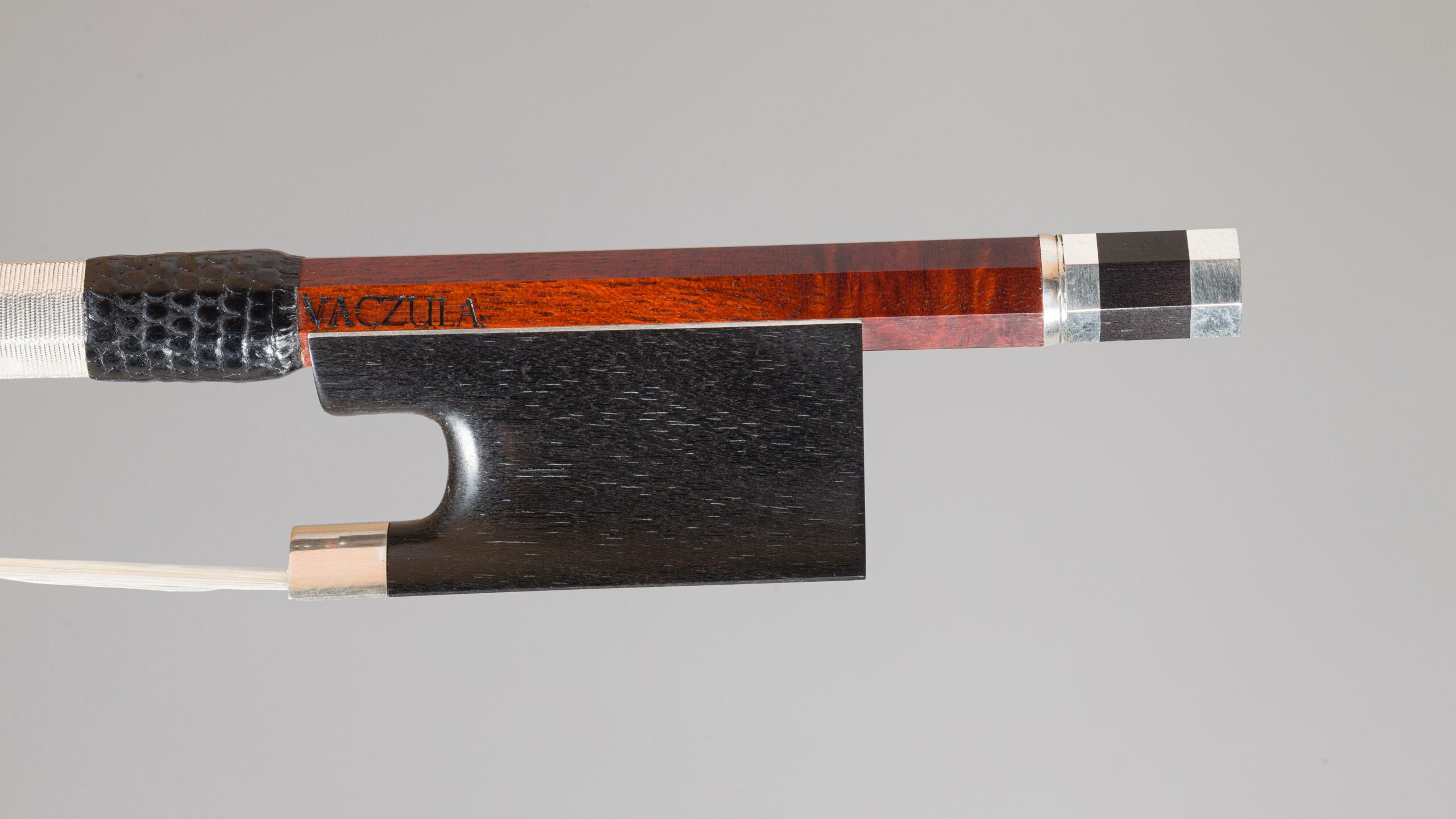
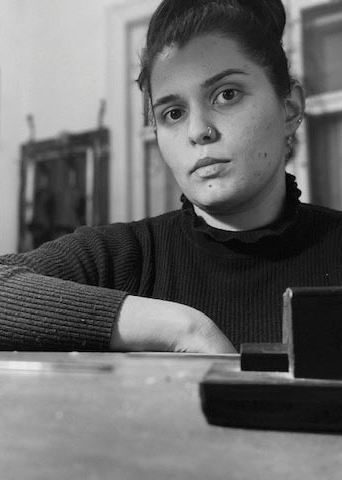
Née en 1993 en Hongrie, Anna Vaczula commence l’apprentissage du violoncelle en 1999. De 2011 à 2014, elle étudie l’alto au conservatoire Richter János de Győr, avant d’intégrer l’école de lutherie de l’Académie de musique Franz Liszt de Budapest, où elle se forme de 2016 à 2019.
En 2019, elle rencontre l’archetier Tibor Kovács, auprès duquel elle poursuit depuis sa formation en archèterie. Son travail a notamment été récompensé par un deuxième prix dans la catégorie des archets d’alto au concours international de Mittenwald en 2022, puis par un troisième prix pour un archet de violon au concours international de lutherie et d’archèterie de Mirecourt en 2023.
On 3 December 2026, Vichy Enchères will host a rather unique auction of bows, held in aid of the IPCI France-Europe – one of the four branches of the international association dedicated to the preservation of pernambuco. To this end, several prominent figures in contemporary bow making have agreed to make bows specially for the occasion, in order to contribute to the conservation of a wood species whose extinction would jeopardize both tangible and intangible cultural heritage.
Vichy Enchères wishes to extend its heartfelt gratitude to the bow makers who have agreed to participate in this sale and support the IPCI. We would therefore like to thank Samuel Barreau, Catherine Baroin, Victor Bernard, Sylvain Bigot, Doriane Bodart, Noel Burke, Pascal Camurat, Emmanuel Carlier, Claudia Carmona, Denis Declerck, Niall Flemming, Daniel Formigoni, Jon Hess, Yukari Katayama, Tibor Kovács, Gary Leahy, Yannick Le Canu, Sylvie Masson, Alberto Mateo, Pierre Nehr, Gabriel Pasquier, Magdalena Sapeta, Christophe Schaeffer, Paul Hugo Schloeder, Jean-Yves Tanguy, Joséphine Tomachot and Anna Vaczula.
In response to the severe depletion of Brazil’s Atlantic tropical forest and the threats facing pernambuco – a tree species indigenous to that region – hundreds of bow makers from around the world joined forces in the 2000s to work towards the species’ conservation by establishing the International Pernambuco Conservation Initiative (IPCI).
Today, the association has over 400 members across 24 countries, organized into the following four main branches: IPCI-Canada, IPCI France-Europe, IPCI-Germany and IPCI-USA. The association develops action plans to reverse the downward spiral affecting pernambuco, ensuring its preservation, and the restoration of the species through the implementation of the conditions required for its use in a sustainable way.
The IPCI’s initiatives are funded by its members, the vast majority of whom are bow makers, who have been committed to the preservation of pernambuco for several years.
Seeking in turn to support this mobilization and contribute to the funding of the association’s conservation programmes, Vichy Enchères is organizing a charity auction on 3 December 2026 that will bring together nearly thirty bow makers, who have agreed to dedicate their time and expertise to creating bows specially for this occasion.
It should be noted that Brazil’s Atlantic Forest has lost a significant portion of its total area since the beginning of the country’s colonization. According to the SOS Mata Atlântica Foundation, only 12.4% of the original forest cover remains in the form of relatively well-preserved mature forests.
This loss is primarily due to the expansion of agriculture, in particular sugarcane and coffee plantations, followed by the growth of pastureland and urbanization.
While pernambuco has also been harvested for its wood, the disappearance of its natural habitat is the result of much broader transformations that began centuries ago.
In an effort to halt this decline, the IPCI has established partnerships with several Brazilian scientific and environmental organizations, as well as with local farmers.
Between 2001 and 2022, these collaborations led to the planting of 340,800 young pernambuco saplings, including in areas designated for the species’ conservation and within agricultural settings, such as cacao plantations..
In time, these trees may contribute to the renewal of the pernambuco population and, in some cases, provide wood for bow making, in full compliance with Brazilian law.
However, it will be several decades before they reach sufficient maturity.
Beyond the environmental tragedy, the depletion of pernambuco reserves represents a cultural impoverishment, as it threatens, more broadly, the entire musical supply chain. For over 200 years – thanks in large part to the work of François Xavier Tourte (1747 – 1835), considered the father of the modern bow – this wood has been inextricably linked to the manufacturing of bows.
Its survival is vital to the musical community, as pernambuco is tied to the history of string instruments and the evolution of their repertoire.
Its disappearance would threaten far more than just a craft, as it would affect the transmission of a musical heritage that, over centuries, has been enriched through cross-cultural exchanges and now forms part of our shared cultural legacy.
“The conservation of pernambuco is of crucial importance to our profession and to string instruments’ music.
For accomplished musicians and professionals, there is simply no substitute for the playability and richness of tone made possible by pernambuco.
As with instruments, every bow has unique qualities and is, in itself, a work of art and a historical artefact. It is no exaggeration to say that the future of music for string instruments as we know it depends both on the conservation of the species and on a balanced approach to commercial regulation.”
Les actions de l’IPCI en faveur de la conservation du pernambouc au Brésil, 2001-2022. Document de synthèse publié par l’International Pernambuco Conservation Initiative (IPCI), 27 octobre 2022.
The auction on 3 December will feature bows made specially for the occasion by several prominent figures in contemporary bow making.
In addition to individual pieces, there will be two collaborative works: one created by Doriane Bodart, Pierre Nehr, Niall Flemming, Samuel Barreau, Victor Bernard and Jon Hess, under the name Viola’s 22, and another produced by Emmanuel Carlier, Yannick Le Canu and Sylvain Bigot, as part of the YES collective.
Some bow makers, such as Christophe Schaeffer, All have agreed to dedicate a portion of their work to this initiative, whose proceeds will be donated to the IPCI France-Europe and will help fund ongoing programmes for the conservation of pernambuco.
Join us on Thursday 3 December 2026 at Vichy Enchères to discover these creations and support the IPCI.
During the Viola’s 2022 congress, a first viola bow was made and presented to the winner of the competition for young musicians. We decided to build on this initiative by creating a second viola bow in our workshops. This bow was loaned for one year to the competition’s runner-up. We are now pleased to offer this bow for sale, in aid of the IPCI France-Europe and to support its efforts towards the preservation and protection of pernambuco.
Following violin studies at the Toulouse Conservatory, he left the south of France for Mirecourt to learn the basics of instrument making at the Jean-Jacques Pages school. He worked as a violin maker for several years, but after training with Emmanuel Bégin in Montreal (Canada) in 2013, he shifted his career focus towards a specialization in bow making. He subsequently refined his skills under the guidance of prominent figures in contemporary bow making, including Arthur Dubroca, Alexandre Aumont, Yannick Le Canu and Jean-Luc Tauziede. In 2015, he opened his own bow-making workshop in Toulouse, sharing the space with a fellow luthier (Benoît Germain) and a music bookshop (Le Croquenotes).
In 2019, he was a laureate of the Viola’s competition, where he received the “Coup de cœur Etienne Tavitian” prize.
Victor Bernard was born in 1985 near Paris, France. After graduating from the Newark School of Violin Making in England, and driven by a passion for bow making, he gained extensive professional experience working with renowned bow makers across Europe. In 2014, he joined Atelier Flagey in Brussels, working alongside violin maker Joanne Van Bosterhaut.
Victor is a founding member of both Ekho in Belgium and Klanggestalten in Germany, which are associations established to promote contemporary violin and bow making through exhibitions, concerts, masterclasses and lectures. He regularly takes part in international bow-making events in Belgium, France, Germany, England, Ireland, the United States, Japan, etc.
He has won six gold medals at the Violin Society of America competition, earning him « hors concours » status, which means he is no longer permitted to enter his work. He also won first prize at the Viola’s Paris bow-making competition, as well as one gold, two silver and one bronze medal at the international bow-making competition in Mittenwald, Germany.
Born to parents who were both luthiers, she began her apprenticeship in 1994 studying under Gilles Duhaut in Mirecourt, Pierre Guillaume in Brussels, and subsequently Stéphane Thomachot in Paris, with whom she spent three years. She further honed her skills under the guidance of Noel Burke in Ireland. In 1999, she settled in Paris, where she started developing her own bows, working exclusively in the French tradition.
Her bows are played by quartet members, soloists and orchestral musicians all over the world.
Niall is an award-winning bow maker who lives and works in Brussels, Belgium. His accolades include two gold medals from the Violin Society of America (2022), second prize at the Viola’s Paris bow-making competition (2019), and four certificates of craftsmanship from the Violin Society of America (2018/2024). In his work, Niall draws inspiration from the golden age of French bow making. Some of his primary influences include the works of E. Pajeot, N. Maire and F. X. Tourte. Niall was trained in the traditional French method by Noel Burke, and his professional lineage traces back to Bernard Ouchard, through Noel Burke and Stéphane Thomachot.
Niall was born in 1987 in Brisbane, Australia, and grew up in Ireland. A passionate musician of traditional Irish music from a young age, he received several awards for his playing when he was younger. His interest in lutherie emerged at the age of 16, when he attended a summer course in instrument making led by Juliet Barker in Cambridge. It was there that he learned about the Newark School of Violin Making and, upon finishing his secondary education, he enrolled there, completing the programme in 2010. During his final year in Newark, Niall worked part-time at the London branch of Stringers of Edinburgh, where he gained his initial experience in basic bow maintenance. It was during this time that he decided to pursue bow making, securing an apprenticeship with Pierre Guillaume at Maison Bernard in Brussels. His work there focused primarily on the restoration and maintenance of bows, but he had the opportunity to handle many fine French examples, which fuelled his determination to pursue bow making in that exquisite style.
Following the completion of this apprenticeship, Niall sought out the renowned Irish bow maker Noel Burke to further refine his craft. He spent two years working at a bench next to Noel in his workshop, absorbing as much knowledge as possible. He subsequently opened his first workshop in Kilkenny, Ireland, while maintaining a collaborative relationship with his former mentor to further refine his skills and style. In 2020, Niall returned to Brussels, where he continues to work from his small workshop.
A violinist and bow maker, Jon Hess began learning the violin and piano at a young age, which led him to study the violin at music academies in Denmark, Germany and France. He went on to perform as a chamber musician and soloist across several European countries. A position at the State Opera in Kassel, Germany, introduced him to the world of opera. During this period, his passion for bows grew, and in the summer of 2015, a meeting with master bow maker Gilles Duhaut provided him the opportunity to spend two years in his workshop, where he was able to study closely the making of new bows according to the French tradition passed down by Bernard Ouchard. Following this apprenticeship, he continued to hone his craft in the workshops of master bow makers such as Ulf Johansson, Pascal Camurat and Pierre Nehr, and also collaborated with various professional musicians to improve the tonal qualities of his bows.
In 2018, he established his own workshop in France, which he relocated to Alsace in 2019 to focus entirely on the making of new bows. He received the « Coup de cœur Marion DUCHESNE » prize at the « CONCOURS D’ARCHETERIE VIOLA’S 2019 » (Viola’s 2019 bow-making competition) in Paris, where he was the youngest contestant. In 2023, he won third prize in the viola category at the first international violin- and bow-making competition in Mirecourt (LAME). In 2025, he won first prize at the international double bass bow-making competition in Namur.
Today, he makes handcrafted bows in the French tradition. His work draws inspiration from the 19th-century French masters, while incorporating his own personal touch. In July 2026, he won three awards at the second international violin- and bow-making competition in Mirecourt (LAME): the jury’s special prize for a double bass bow, the Léo Genet musicians’ special prize for a double bass bow, and third prize for a violin bow.
In September 1995, at the age of 16, Pierre Nehr began his apprenticeship under his brother, Jean-Pascal, in Marseille. In 1998, he obtained his diploma as a bow maker upon completing his apprenticeship in Mirecourt. In 2002, he opened his own workshop in Paris, where he focused on making bows of his own design, and restoring antique bows for violin makers, dealers and international collectors.
In the summer of 2024, after more than 20 years in Paris, he relocated near Aix-en-Provence to devote himself entirely to the making of his bows. Each of his bows is entirely made by hand. His work is rooted in the great tradition of the 19th-century French masters, whose legacy he upholds while infusing it with his own sensibility, vision and personal touch.
His work was notably awarded a certificate of merit for a violin bow at the Violin Society of America competition in 2008, a gold medal for a cello bow and a bronze medal for a violin bow at the Mittenwald competition in 2010, and a certificate of merit for a cello bow at the Violin Society of America competition in 2012. In 2023, he received the Grand Prix from the bow-making juries for a cello bow at the international competition in Mirecourt.
Sylvain Bigot – who was awarded a silver medal at the competition of the city of Paris and the title of « Un des Meilleurs Ouvriers de France » in 2011 for his lutherie work – serves as an expert to the Court of Appeal of Paris.
Whenever an antique bow is presented to him, Sylvain Bigot embarks on a new historical investigation. « I examine the construction details, as well as the technical and stylistic features, in order to date it accurately and identify its maker. Indeed, the great French bow makers of the 18th and 19th centuries never signed their work », explains this enthusiast of the history of French bow making. Each year, more than 1,000 antique bows are submitted to him for appraisal, ahead of their inclusion in the prestigious musical instrument auctions held in Vichy.
In 1994, Sylvain Bigot had just graduated from the prestigious Jean-Baptiste Vuillaume National School of Violin Making in Mirecourt. The young 23-year-old maker accepted, out of curiosity, an invitation from Jean-François Raffin to complete an internship at his bow-making workshop. It proved to be more than just a discovery; bows quickly became his passion. From his very first week as an apprentice, the young violin maker knew that he would dedicate his career to bow making.
After spending 10 years in the workshop of Jean-François Raffin – making, repairing, maintaining and appraising bows – Sylvain Bigot opened his own bow-making workshop in 2003. Following his appointment as an expert to the Court of Appeal of Lyon in 2011, he received an offer from Jean-François Raffin, which he promptly accepted: to join his appraisal firm alongside Yannick Le Canu. In 2024, Sylvain Bigot was appointed as an expert to the Court of Appeal of Paris.
Read our article on Sylvain Bigot.
Yannick Le Canu – a bow maker awarded two silver medals at the competition of the city of Paris, five gold medals at international competitions, and the title of « Un des Meilleurs Ouvriers de France » in 2008 – serves as an expert to the Court of Appeal of Douai.
As a teenager, Yannick Le Canu spent most of his time in his uncle’s violin- and bow-making workshop, the renowned establishment run by Loïc Le Canu and Bernard Millant. He soon developed a keen interest in bows: their making, restoration and appraisal. Having made bow appraisal his profession, he plays a key role in the preparation for the prestigious international auctions of bows held at Vichy Enchères. He was introduced to this auction house by another celebrated bow expert, Jean-François Raffin, who himself worked under the guidance of Bernard Millant for over 17 years. « In 2012, Jean-François Raffin invited me to collaborate with him and Sylvain Bigot at his appraisal firm.
Since then, we have met every Friday in Paris to analyse the thousands of bows brought to us, many of which subsequently appear in the Vichy auction catalogues. Every appraisal is conducted jointly by the three of us », explains Yannick Le Canu. Despite being now classed as « hors concours » due to his numerous awards, Yannick Le Canu has not left the world of competitions: he now serves as a juror and guest speaker.
Emmanuel Carlier began his training in bow making in 2005. After working as an assistant to Pierre Guillaume, he left Brussels for a residency at the Villa Medici, the French Academy in Rome. Since 2014, he has been based in Paris, where, in early 2022, he opened a new workshop with violin maker Charles Coquet. Many of his bows are currently played in major orchestras around the world.
His work has earned him seven gold medals at the Violin Society of America competitions in 2012, 2016 and 2024, earning him « hors concours » status.
He also earned the title of « Meilleur Ouvrier de France » in 2019, the prize for the best viola bow, judged on its playing qualities, at the Darling competition in Amsterdam in 2016, as well as a gold medal and a silver medal at the Mittenwald competition in 2010.
Born in Mirecourt in April 1958, Catherine Baroin studied wood carving in Neufchâteau, which allowed her to join SOFRALUT as a violin-making sculptor, and subsequently as a violin maker in May 1979, before joining SOMIFI. In November 1987, she began training in bow making under Gilles Duhaut in Mirecourt.
In 1991, Alain Moinier invited her to establish a bow-making department within his company. Concurrently, she completed internships with Franck Daguin, a bow maker based in Lyon.
In February 1998, following a year of unemployment during which she took a course in accounting and management and completed an internship with Pierre Guillaume, a bow maker in Brussels, she opened her own bow-making workshop in Mirecourt.
Her work focused primarily on the making and maintenance of bows for the string quartet, alongside the training of young bow makers. After many rewarding years filled with meaningful encounters, exchanges and the joy of practicing her craft, Catherine Baroin permanently closed her workshop at the end of December 2025.
Noel Burke’s bows – designed for violin, viola and cello, and made in accordance with the French tradition – are used worldwide by the most prestigious orchestras and chamber music ensembles, as well as by some of the world’s leading soloists.
Noel Burke has served on the juries of several international competitions and has trained many renowned bow makers in his workshop.
His work has been recognized with eight gold medals at international competitions, including the Grand Prix de la Ville de Paris for a violin bow in 1999, and six gold medals for violin, viola and cello bows at two Violin Society of America competitions in 1994 and 1996. He was also an award winner at the RNCM competition in Manchester in 1998.
Noel Burke began his career in 1989 with a one-year apprenticeship under Charles Espey in Seattle (Washington, USA), before moving to Paris, where he studied with Stéphane Thomachot for two years. He remained in Paris after his training, living and working there for five years.
He currently lives and works in Carlow, Ireland.
Pascal Camurat, the son of luthier Jacques Camurat, grew up in the family workshop on rue de Rome in Paris. In 1979, he entered the school of violin making in Mittenwald, where he trained under Roland Sandner, graduating in 1983. In 1984, he joined his brother Bernard in Los Angeles, where he spent time at the workshop of Hans Weisshaar and made his first bow under the guidance of Paul Siefried.
Upon returning to Paris, he furthered his bow making skills with Stéphane Thomachot, before joining the Charles Beare workshop in London in 1987. In 1990, Pascal Camurat and his brother Bernard took over the family workshop, under the name « Camurat Frères ». Since 2000, he has focused primarily on bow making, while continuing to produce violins.
He is now based in Montpellier. His work has been recognized with a special mention for a cello bow at the Paris competition in 1991, an honourable mention for a cello bow at the Manchester competition in 2001, and further special mentions for both violin and cello bows at the Paris competition in 2004.
In 2023, he received the jury’s special prize for a violin bow and the third prize for a cello bow at the Mirecourt competition.
Read our article on Pascal Camurat.
Claudia Carmona trained as a bow maker at the Bow Making School of America under master Jean Grunberger.
Her work quickly stood out for the character and quality of her bows, which have gained international recognition among prominent artists.
In 2010, she settled in Angers, and in 2022, was invited to join the Cité Artisanale des Taillandiers in Paris. In this exceptional setting dedicated to artistic creation, Claudia works directly with musicians from all over the world. Drawing on her expertise and her ability to listen, her creative process is informed by the ever-increasing technical demands of performers, as they navigate the evolution of music and its context.
Denis Declerck is a violin and bow maker. Originally from Belgium, he spent 12 years honing his craft in Belgium, Germany and France before settling in Nice in 2003, where he took over a historic violin-making workshop, founded in 1929 by Silvio Tua and located at 14 boulevard Jean-Jaurès.
In 2009, he met Jean Grunberger during a workshop on bow cambering, an experience that provided him with the opportunity to plane his first bow stick.
He completed this bow under the guidance of Mitsuaki Sasano, who subsequently taught him bow making, his second profession. Based in Vieux-Nice, Denis Declerck dedicates himself to the making, restoration and maintenance of string instruments and bows.
Since childhood, he has been fascinated by the magic of artisanal creation and the world of music.
Over the years, he has had the opportunity to learn his craft in various workshops, where master craftspeople passed on traditional techniques while encouraging him to explore new ideas and trends.
This experience allowed him to refine his craft and understand the importance of balancing tradition with innovation.
Today, he takes pride in offering high-quality handcrafted bows, created with care and passion.
Each piece is unique, and a reflection of his love for his profession and his commitment to meeting his clients’ expectations, in terms of both aesthetics and functionality.
Originally from Saitama, Japan, Yukari Katayama trained at a violin making school in Japan, before spending several years working as a repairer in various workshops specializing in string instruments.
She developed a particular interest in bow making, and initially pursued training in Canada under bow maker Michael Vann.
After moving to France in 2016, she continued her training with bow maker Cathy Baroin in Mirecourt. Now established as an independent bow maker in Mirecourt, she focuses on the making, restoration and maintenance of violin, viola and cello bows, in accordance with the French tradition.
In 1996, Tibor Kovács enrolled at the Regional School of Bow Making in Cremona, graduating in 1998.
That same year, Tibor Kovács began working with his mentor, Emilio Slaviero, who introduced him to the techniques for making both modern and baroque bows, as well as the techniques for restoration. This partnership would span several years.
Simultaneously, from 1996, he studied violin making at the « Antonio Stradivari » International School of Violin Making in Cremona (Italy), graduating in 2001.
In 2003, he moved to Paris, where he worked as an assistant to Jean-François Raffin for three years, refining his style and technique. After several professional trips throughout Italy, Europe and Latin America, Tibor Kovács is now based, since 2011, at 46 rue de Rome, in the workshop of Guy Coquoz, with whom he has established a fruitful collaboration.
Gary Leahy first trained in violin repair and restoration under John Harte at the Antonio Strings violin workshop in New Zealand. It was during his time there that he developed an increasing passion for bows.
He returned to Ireland in 2002 to train as a bow maker and established his own workshop in 2005. With the exception of one year spent working in Paris (at L’Atelier d’Arthur), he has since been based in County Mayo, Ireland.
His violin, viola and cello bows draw significant inspiration from the French tradition of bow making from the late 18th century and the early-to-mid 19th century. Among the distinctions he has earned are gold medals for violin, viola and cello bows at the 2010 VSA competition, gold medals for violin and viola bows at the 2012 VSA competition, and the Grand Prix de la Ville de Paris for a viola bow in 2011.
Sylvie Masson is a bow maker specializing in the making and repair of both baroque and modern bows.
A student of Bernard Ouchard at the École d’Archèterie de Mirecourt, she furthered her training under the guidance of Benoît Rolland and Roger Lotte.
She is established on rue de Moscou in Paris since 1978, where she focuses on the maintenance of bows, and the making of baroque, classical and modern bows.
She is an active member of the Groupement des Luthiers et Archetiers d’Art de France (GLAAF), the IPCI France-Europe, and the organizing committee for the international competition for violin and bow making in Mirecourt. She is also a member of the Entente Internationale des Luthiers et Archetiers.
Alberto Mateo was born in Spain and trained as a bow maker in England under Chris Halstead, and subsequently in France under Gilles Duhaut.
Working from his workshop in Valladolid, Spain, he dedicates himself to the manufacture of modern bows and historical models, as well as to the repair and restoration of bows.
His work combines traditional artisanal craftsmanship with an understanding of musical requirements, an insight informed by his own experience as a cellist and cello teacher.
Gabriel Pasquier began his training in 2007 by enrolling at the school of violin making in Mirecourt, where he spent three years studying the craft of making quartet string instruments.
After earning his Diplôme des Métiers d’Art, he became an assistant to Sylvain Bigot in Lyon. Over the course of six years, he restored bows by all the great French masters, while also learning bow making.
In 2016, he established his own workshop in Caromb (Provence). He focuses primarily on making bows based on models by the great 19th-century masters, while continuing to restore antique bows.
Magdalena Sapeta began her training in violin making and instrument restoration at a workshop in Katowice, Poland, before continuing her studies at the International School of Violin Making in Cremona, Italy.
In 2006, she opened her own workshop in Spain, where she furthered her training in bow making under the guidance of Tibor Kovács.
Since 2020, she has also been working in Leśna, her family’s town of origin in Poland, as well as in Kraków.
She currently lives and works in Rouvroy-sur-Marne, France.
Her work has been recognized with a gold medal for a cello bow at the 2022 international competition in Mittenwald, a second prize for a violin bow at the 2024 international competition in Pisogne, and two second prizes (for violin and viola bows) and a third prize (for a cello bow) at the 2026 international competition in Mirecourt.
Born in 1958 in Le Mans, Christophe Schaeffer grew up in Valence, in the Drôme department of France. Drawn to music, and the violin in particular, he pursued a career in instrument making on the advice of luthier Jean-Yves Rouveyre.
In 1974, he enrolled at the National School of Violin Making in Mirecourt, where he trained in bow making under Bernard Ouchard until 1977.
In 1978, he was awarded a gold medal by the Violin Society of America for a cello bow. He subsequently met Philippe Dupuy, a Parisian luthier and the grandson of Eugène Sartory, who invited him to work in a workshop in Avignon.
For several years, Christophe Schaeffer made bows there stamped « Dupuy à Paris ».
From the 1990s onwards, he developed a personal style characterized by restraint, the quality of the cambering, and tonal research.
His work draws inspiration from makers such as Nicolas Voirin, Lamy Père and Eugène Sartory, with particular attention paid to the balance of the stick and the musical qualities of the bow.
Read our article on Christophe Schaeffer.
Paul-Hugo Schloeder began his training in bow making under Gilles Duhaut in 2020.
He subsequently joined Maison Bernard, where he assisted Pierre Guillaume with the making, restoration and appraisal of bows.
This was a period rich in discoveries, which allowed him to develop a keen appreciation for antique bows. Following five years of experience in bow making and restoration, he established his own workshop in Mirecourt in January 2026, where he provides his services to string quartet instruments’ musicians. As he explains, the concept for the classical-style cello bow in the sale in aid of the IPCI was inspired by François Xavier Tourte, in order to showcase the magnificent wood that is pernambuco to its fullest potential.
Accordingly, the frog is also made from pernambuco, while the button is made from warthog ivory. This serves to highlight the very essence of a bow: pernambuco wood.
Jean-Yves Tanguy settled in Caen in 1984, dividing his time between the making, restoration, repair and adjustment of both string instruments and bows. Passionate about early music, he took a keen interest in « baroque » instruments and frequently collaborates with musicians who specialize in this repertoire, with whom he works to recreate bows designed for the historical performance of early music, based on the few surviving original examples held in private collections or museums.
In October 2018, he opened a new workshop in order to focus exclusively on historical bows.
He regularly participates in seminars, exhibitions and workshops focused on historical bows, and frequently visits conservatories, orchestras and musical ensembles to introduce these bows (both originals and replicas), and allow performers to experience them firsthand.
He also organizes regular meetings and workshops with fellow bow makers and specialized musicians, to advance the collective understanding of these bows, fostering discussion and the exchange of ideas regarding historical construction techniques and traditional tools.
He is a founding member of Aladfi, of which he has served as president for many years.
Following studies in geology, Joséphine Thomachot decided to pursue a career in bow making in 2013. She spent her first two years learning the craft in the workshop of her father, Stéphane Thomachot. He taught her to make bows in the French style, which he himself learned from his teacher, Bernard Ouchard, at the Mirecourt school.
From 2015, Joséphine Thomachot had several opportunities to further refine her skills by working in the workshops of Noel Burke, Emmanuel Carlier, Arthur Dubroca and Alexandre Aumont.
Today, her workshop is located at her home in Romainville, near Paris. Her work has been recognized with three certificates of merit at the Violin Society of America competitions: in 2016 for a viola bow, in 2018 for a violin bow, and in 2024 for a cello bow.
Born in Hungary in 1993, Anna Vaczula began learning the cello in 1999. From 2011 to 2014, she studied the viola at the Richter János conservatory in Győr, before enrolling at the violin making school of the Franz Liszt Academy of Music in Budapest, where she trained from 2016 to 2019.
In 2019, she met the bow maker Tibor Kovács, with whom she has since continued her training in bow making. Her work has been recognized with several awards, including a second prize in the viola bow category at the 2022 international competition in Mittenwald, and a third prize for a violin bow at the 2023 international violin- and bow-making competition in Mirecourt.