Le 4 juin 2026, Vichy Enchères, en collaboration avec la maison Rouillac, présentera un violon de Giovanni Paolo Maggini, réalisé à Brescia vers 1620. Comptant parmi les figures les plus importantes de l’école bresciane, Maggini occupe une place majeure dans l’histoire de la lutherie italienne du XVIIème siècle. Rares sur le marché, ses instruments témoignent d’un moment décisif de l’évolution du violon moderne, à une époque où Brescia rivalise avec Crémone dans le domaine de la facture instrumentale. Ce violon est ainsi un témoignage particulièrement précieux de la lutherie bresciane au début du XVIIème siècle, d’autant plus qu’à peine une douzaine d’instruments de Maggini ont été recensés sur le marché depuis les années 2000.
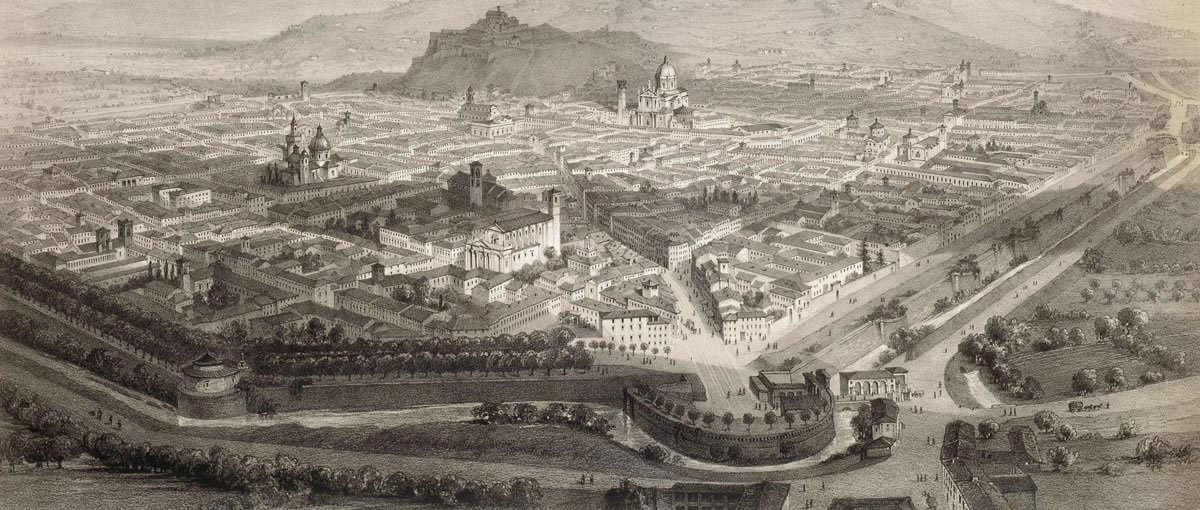
Lorsque Giovanni Paolo Maggini entre dans l’atelier de Gasparo da Salò à la fin du XVIème siècle, Brescia est l’un des principaux centres européens de la lutherie. Plusieurs ateliers y sont actifs, bien avant l’apogée des grands maîtres crémonais. Des luthiers comme Giacomo della Corna, Zanetto Micheli da Montichiari ou encore Pellegrino Micheli participent alors au développement des instruments à archet qui donneront naissance à la famille du violon moderne.
Le terme même de “violino” est attesté à Brescia dès les années 1530. D’abord employé pour désigner les musiciens jouant de ces nouveaux instruments, il apparaît ensuite dans les documents notariés sous la forme “magister a violinis” à partir de 1558 – preuve que la lutherie de violon est déjà reconnue comme une spécialité à part entière[1].
Cette période correspond à une époque charnière dans l’évolution des instruments à cordes. Les techniques héritées du luth et des instruments médiévaux – travail des éclisses cintrées, usage des colles animales, maîtrise des tables et fonds sculptés – atteignent alors un degré de perfection permettant l’apparition d’un instrument nouveau, plus puissant et mieux adapté aux exigences de la Renaissance tardive.
[1] Eric Blot, Liutai in Brescia, 1520–1724, Cremona, Eric Blot Edizioni, 2008
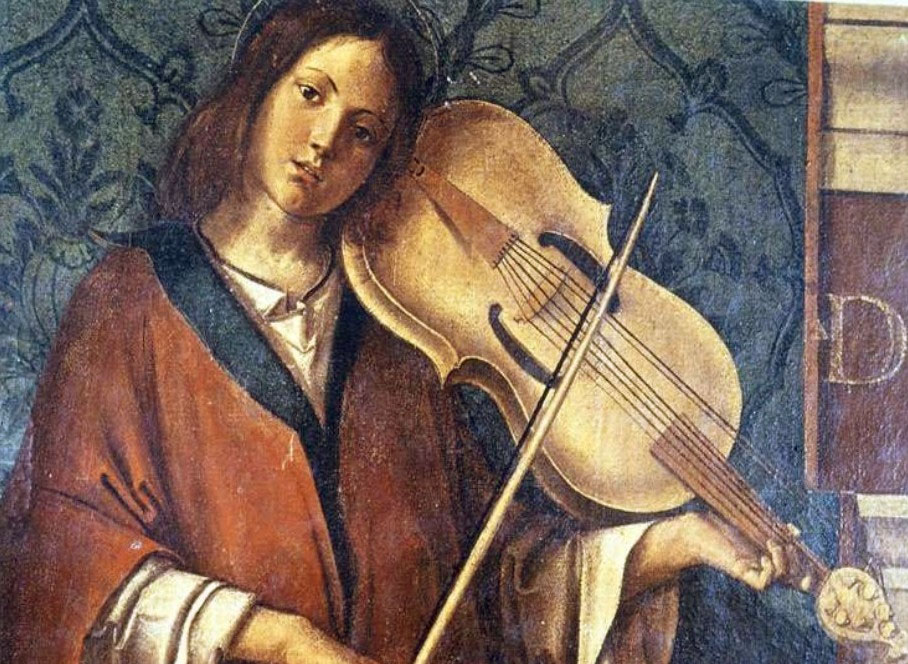
C’est dans ce contexte particulièrement fécond que s’impose Gasparo da Salò, figure majeure de l’école bresciane. Son atelier contribue à affirmer la réputation de Brescia dans toute l’Italie du Nord. Il y accueille de jeunes artisans prometteurs, parmi lesquels Giovanni Paolo Maggini, probablement né à Botticino Sera vers 1580. Formé au contact direct de Gasparo, Maggini hérite de la tradition bresciane tout en développant progressivement un langage stylistique personnel qui fera de lui l’un des luthiers les plus admirés de son temps.
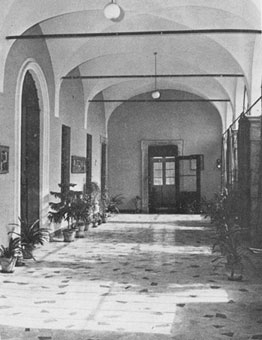
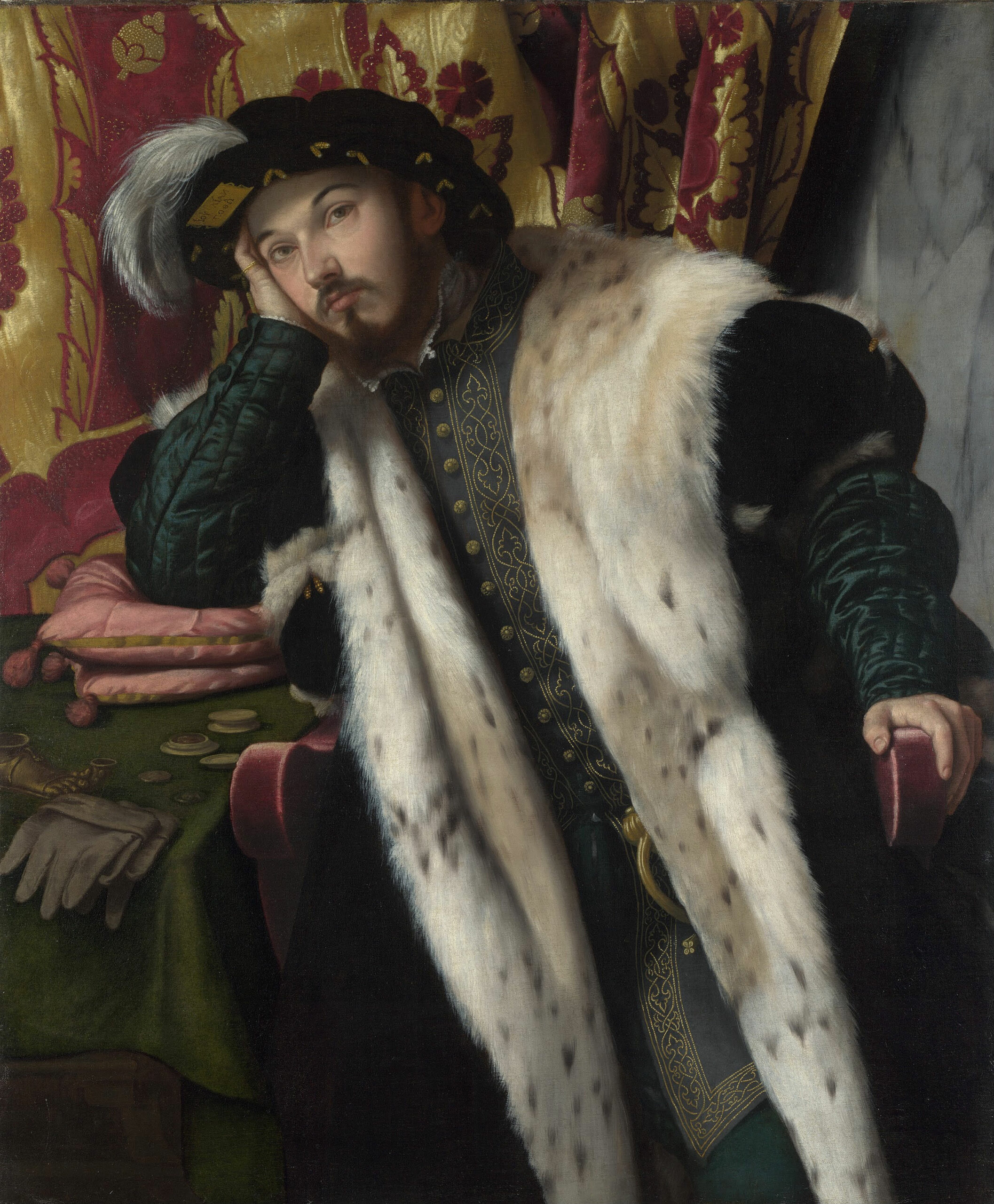
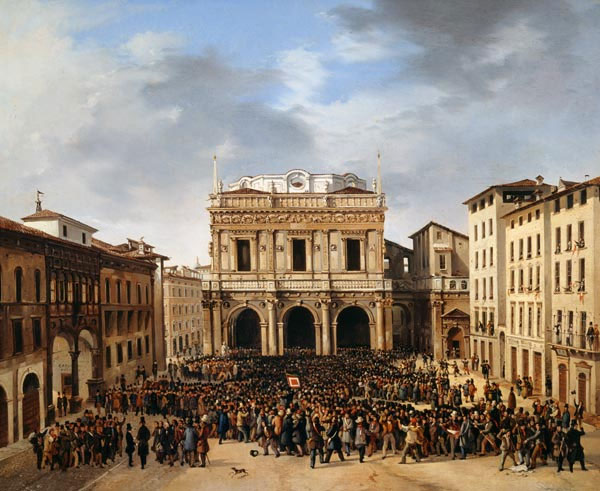
Les sources anciennes présentent Maggini comme le plus grand représentant de l’école de Brescia après Gasparo da Salò. Walter Hamma le décrit comme “le maître le plus célébré de l’école bresciane”, dont les créations surpassent largement celles de ses contemporains “tant dans l’exécution que dans la sonorité”[1].
Issu d’une famille modeste de Botticino, Maggini rejoint très jeune Brescia et travaille auprès de Gasparo da Salò. En 1606, après plusieurs années d’apprentissage, il acquiert sa propre maison et son atelier à proximité des principaux luthiers et musiciens de la ville.
Il fréquente alors de nombreuses figures du milieu musical brescian, tels que des organistes, facteurs d’instruments et notables. Son activité semble prendre un nouveau tournant dans les années 1610, période durant laquelle il affirme progressivement son propre style, s’émancipant de celui de son maître Gasparo da Salò.
Maggini travaille dans un contexte troublé. Les premières décennies du XVIIème siècle sont marquées par des tensions politiques et économiques dans le nord de l’Italie. Malgré cela, son atelier prospère suffisamment pour lui permettre d’employer plusieurs assistants. Les actes de 1617 et 1626 mentionnent explicitement son activité de “master of violins in Palazzo Vecchio del Podestà”, ainsi que des stocks importants de bois et de cordes[2].
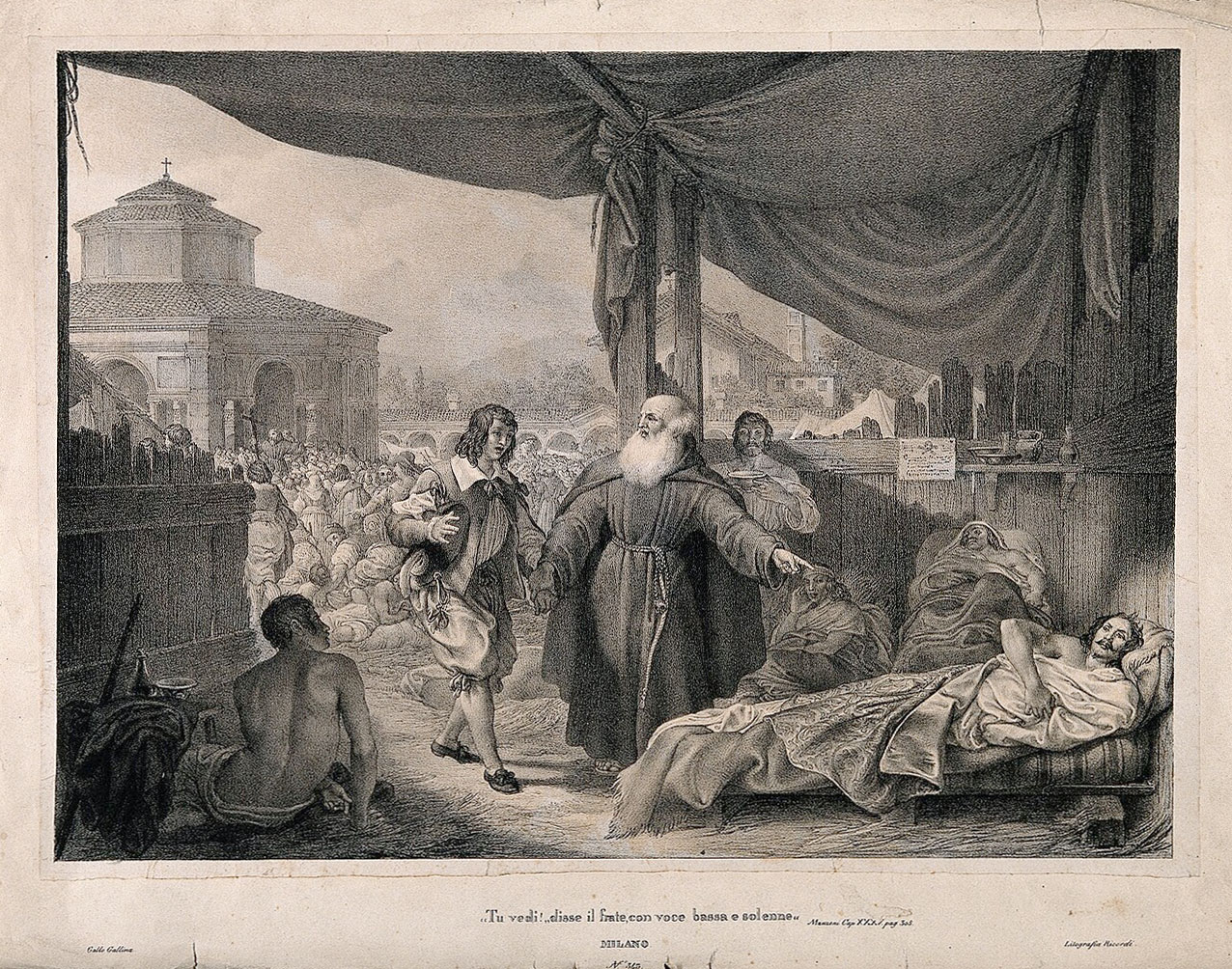
Comme de nombreux artistes italiens de son temps, Maggini est probablement victime de la grande peste de 1630 qui frappe durement la Lombardie. Sa disparition marque le déclin progressif de l’école bresciane face à la montée en puissance de Crémone.
[1] Walter Hamma, Meister Italienischer geigenbaukunst, maestri liutai italiani, Mapitres luthiers italiens, Florian Noetzel, Ars Musica, Allemagne, 1993
[2] Eric Blot, Liutai in Brescia, 1520–1724, Cremona, Eric Blot Edizioni, 2008
Les instruments de Maggini se distinguent par des caractéristiques très personnelles qui contribuèrent à leur renommée. Les auteurs contemporains soulignent tous la puissance et la profondeur sonore de ses violons, souvent décrits comme sombres et riches de timbre.
Walter Hamma rappelle que Maggini utilisait principalement deux modèles : un petit format et un modèle plus grand et plus large, aux contours fortement arrondis. Les voûtes de ses instruments sont généralement pleines, peu creusées, tandis que les ouïes sont plutôt longues, droites et ouvertes[1].
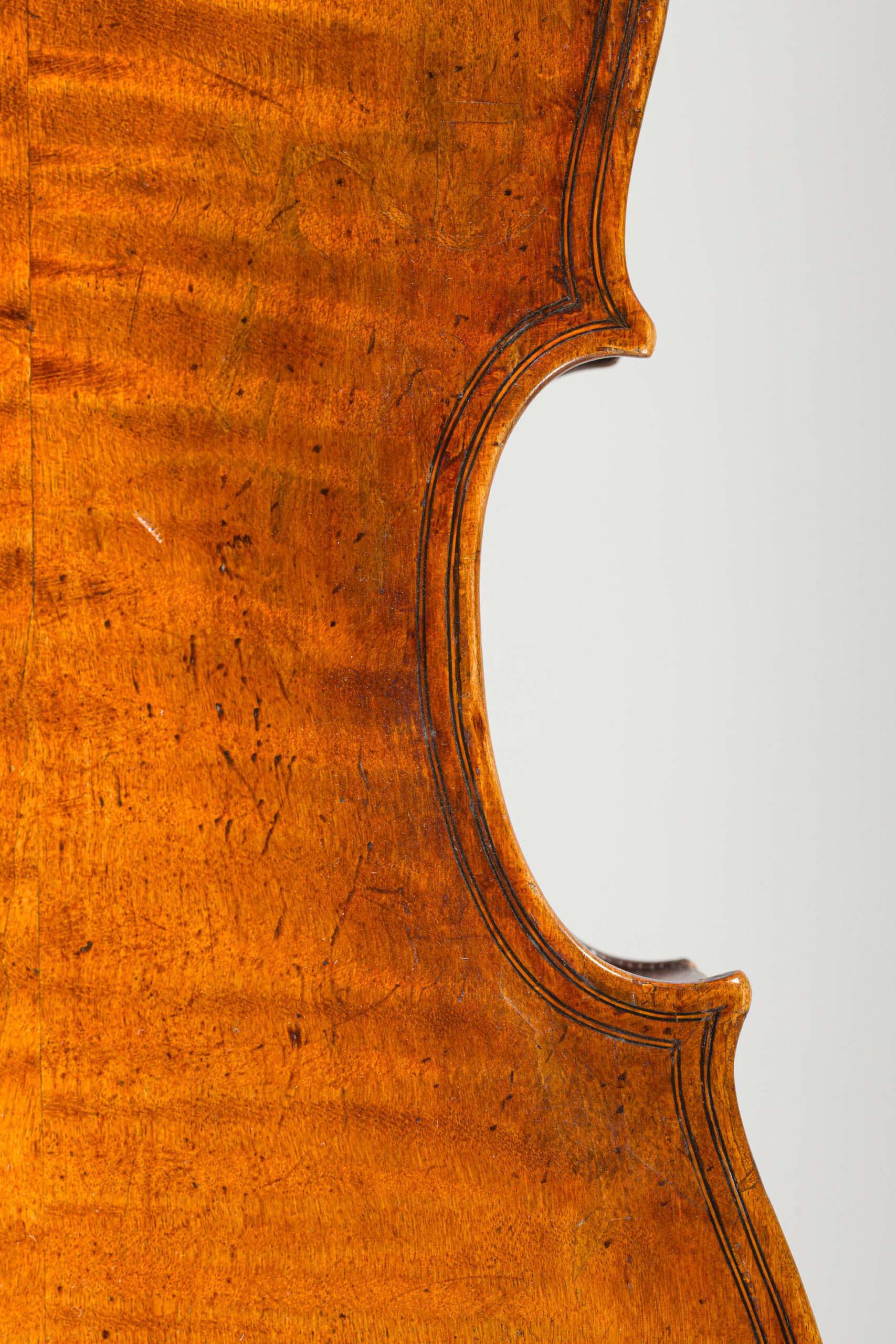
L’une des caractéristiques stylistiques incontournables du maître est l’usage du double filet, devenu emblématique de l’école de Brescia. Ce motif, à la fois structurel et ornemental, confère aux instruments de Maggini une singularité et un style immédiatement identifiable.
[1] Walter Hamma, Meister Italienischer geigenbaukunst, maestri liutai italiani, Mapitres luthiers italiens, Florian Noetzel, Ars Musica, Allemagne, 1993
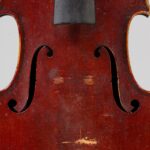
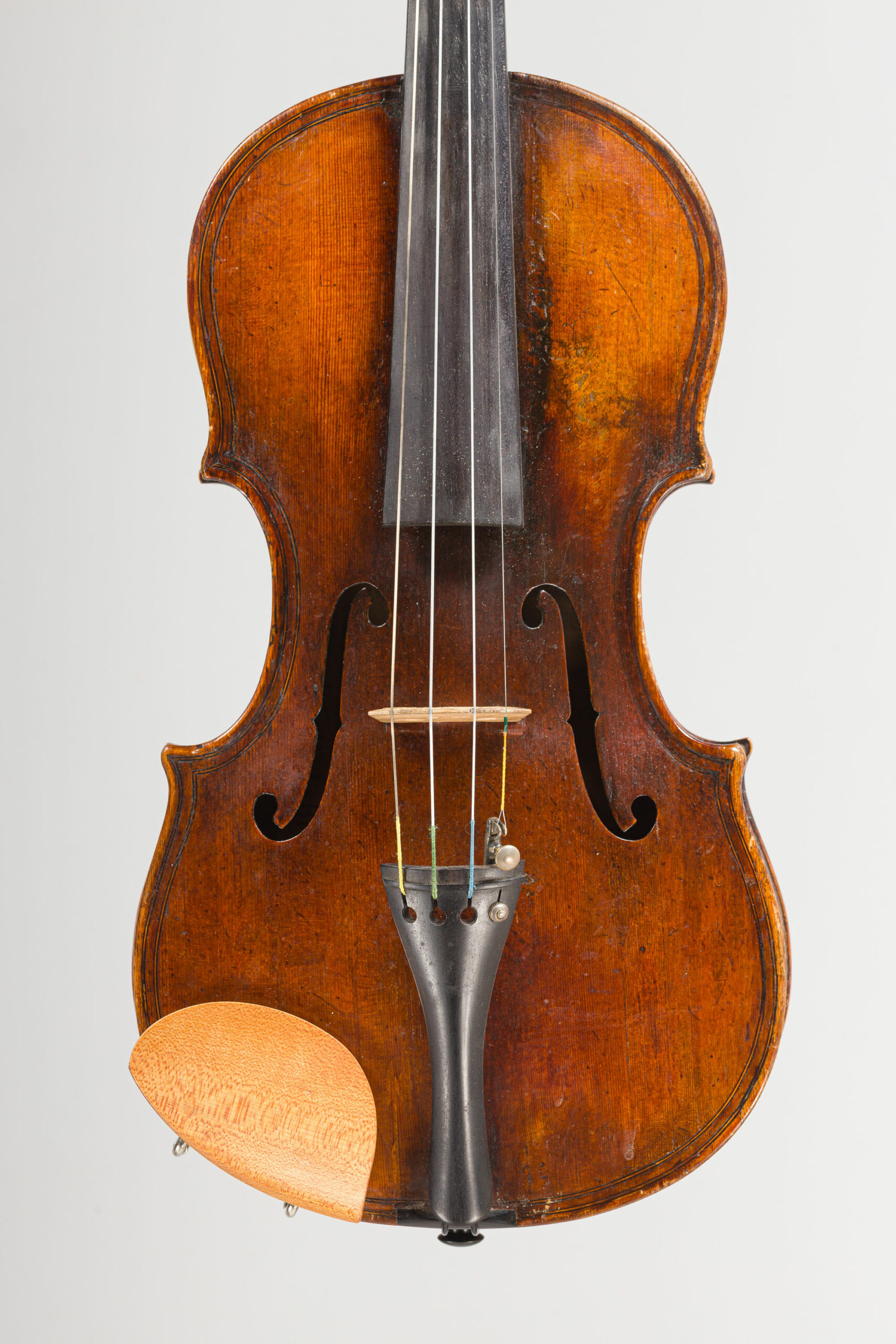
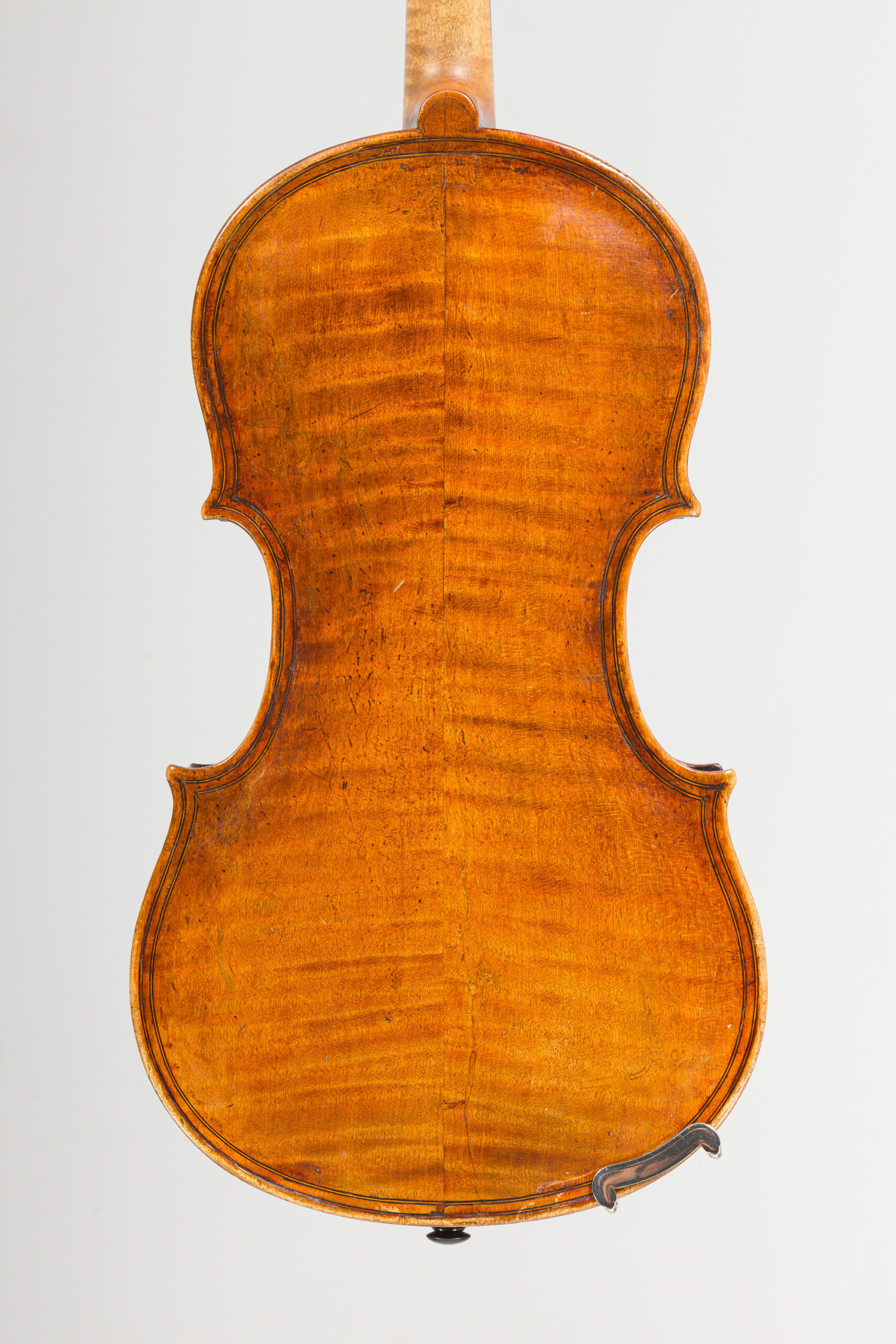
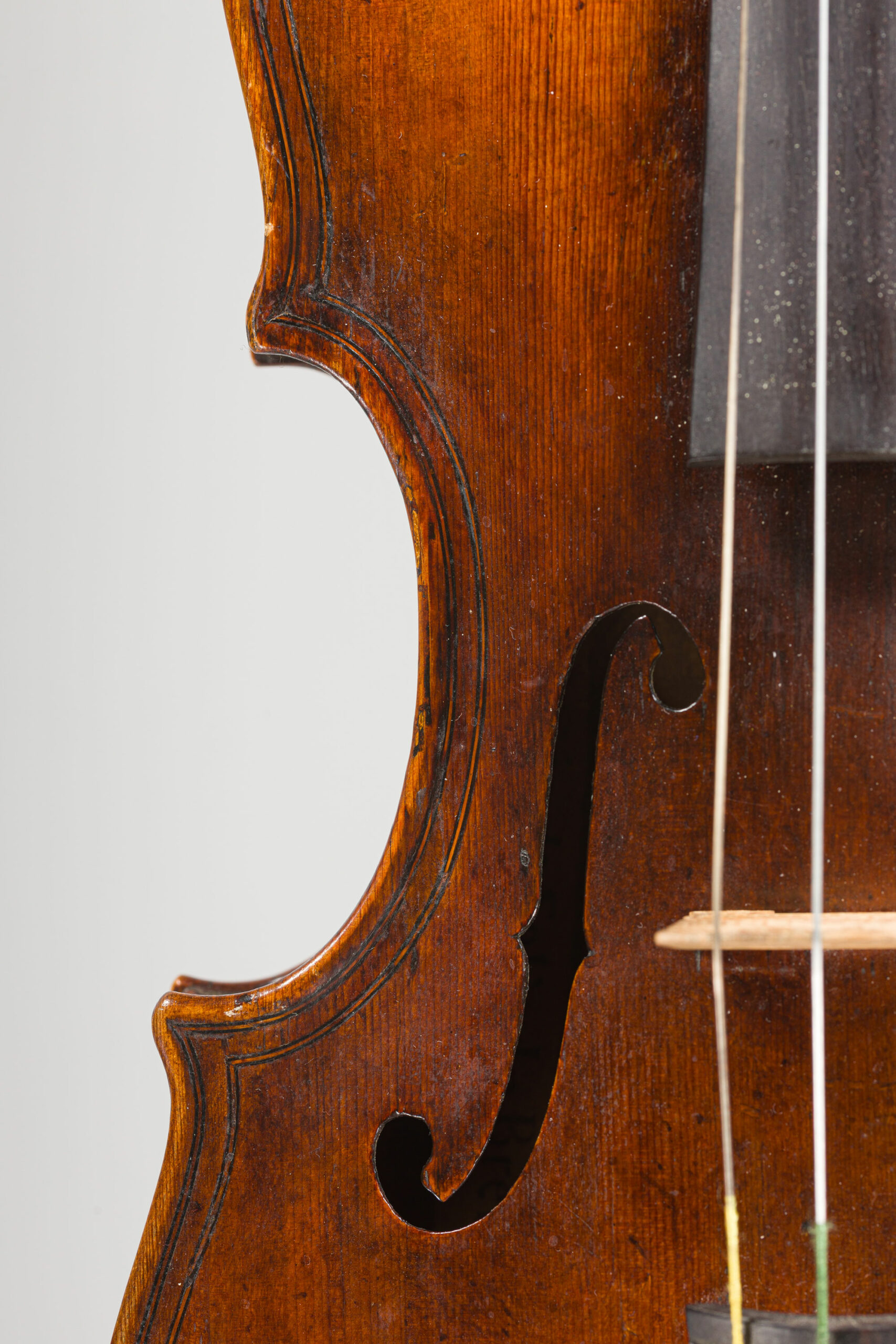
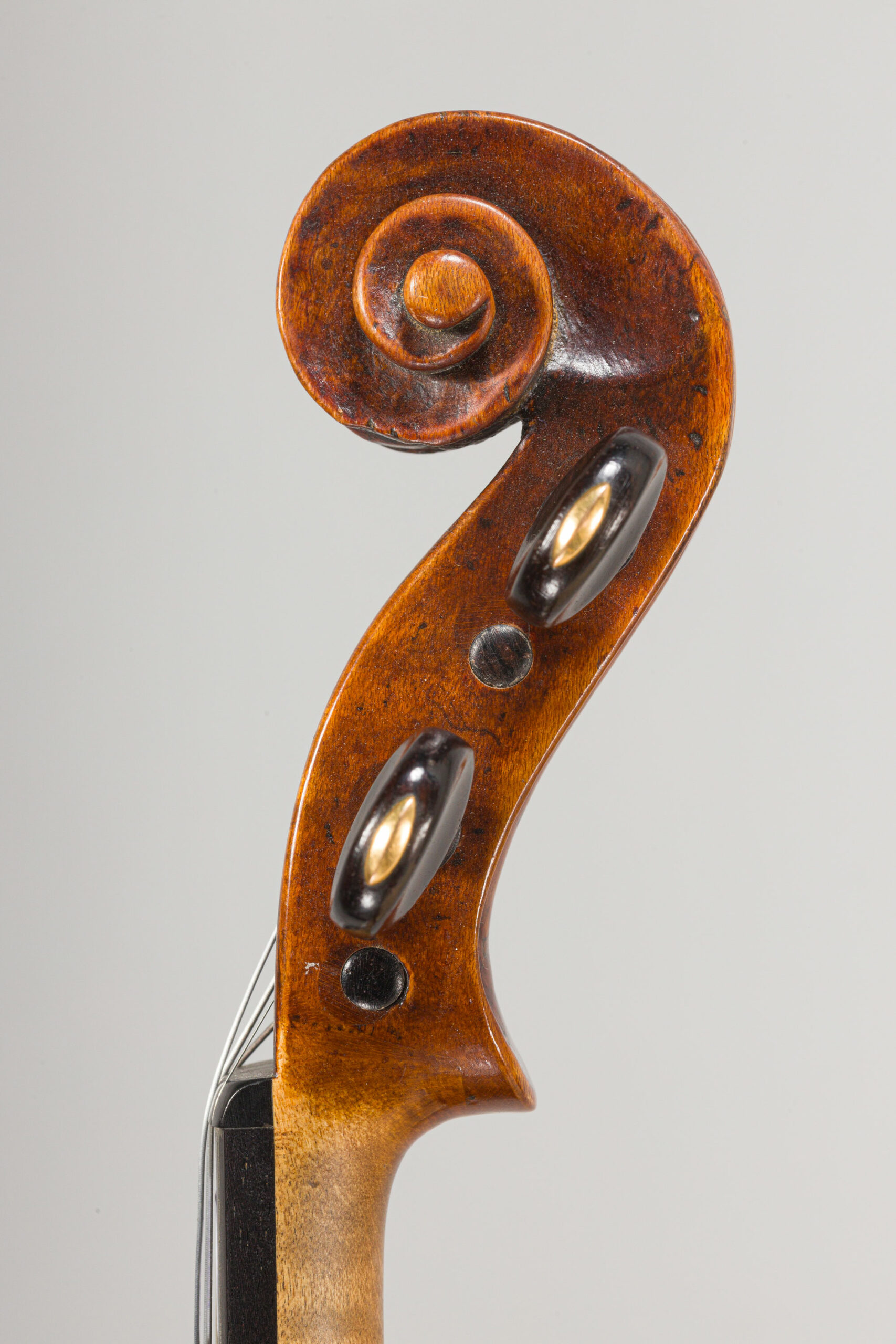
Le violon présenté à Vichy Enchères, réalisé à Brescia vers 1620, offre un parfait témoignage de ces caractéristiques stylistiques :
“Il s’agit d’un modèle typique de Maggini, avec une longueur de coffre de 353 mm. On retrouve le double filet caractéristique de la tradition bresciane, ainsi que des voûtes relativement pleines. Le modèle des ouïes est également très représentatif, avec des olives supérieures et inférieures de même diamètre, parfois même légèrement plus ouvertes dans la partie haute.”
Jonathan Marolle, de la Maison Vatelot-Rampal et expert près la Cour d’appel de Paris
L’instrument porte une étiquette de Gasparo da Salò, auprès duquel Giovanni Paolo Maggini effectua sa formation à Brescia à la fin du XVIème siècle. Cette proximité entre les deux luthiers explique les liens stylistiques souvent observés entre leurs productions respectives, et la présence de cette étiquette.
L’influence de Maggini sur la lutherie européenne fut considérable. Dès le XIXème siècle, plusieurs théoriciens considéraient que certaines évolutions du violon classique dérivaient directement de ses recherches formelles.
Margaret L. Huggins écrivait ainsi en 1892 que l’influence de Maggini pouvait se percevoir jusque dans les grands modèles allongés de Stradivari à la fin du XVIIème siècle :
“Nous pensons que le travail de Stradivari après 1700 aurait été différent sans l’influence de Maggini ; certaines des plus belles innovations de Stradivari pourraient avoir été inspirées par Maggini.”
Voir Eric Blot, Liutai in Brescia, 1520–1724, Cremona, Eric Blot Edizioni, 2008
Tim Ingles souligne lui-aussi que les grands modèles de Maggini auraient probablement inspiré les célèbres “Long Pattern” de Stradivari dans les années 1690[1].
L’importance historique de Maggini tient ainsi, autant à la qualité intrinsèque de ses instruments, qu’à leur rôle dans l’évolution du violon moderne. Ses recherches sur les dimensions, les voûtes et la sonorité ont ouvert une nouvelle voie, poursuivie par les grands maîtres italiens du XVIIème siècle.
[1] Tim Ingles, four Centuries of Violin Making : Fine Instruments from the Sotheby’s Archive, 2006
Les instruments authentiques de Giovanni Paolo Maggini demeurent rares. Walter Hamma soulignait déjà que “ses œuvres se rencontrent peu”[1]. Cette rareté explique l’intérêt constant et l’enthousiasme que suscitent l’apparition de ses instruments sur le marché auprès des collectionneurs, musiciens et institutions.
À titre d’exemple, depuis les années 2010, seule une douzaine d’instruments de Giovanni Paolo Maggini ont été recensés en ventes publiques, ce qui souligne le caractère exceptionnel de la vente Vichy Enchères du 4 juin 2026. Ce violon présenté en collaboration avec la Maison Rouillac s’offre ainsi à nous comme un témoignage particulièrement précieux de la grande tradition bresciane. Par son ancienneté, ses caractéristiques stylistiques et sa place dans l’histoire de la facture instrumentale italienne, il illustre un moment fondamental de l’histoire du violon européen.
[1] Walter Hamma, Meister Italienischer geigenbaukunst, maestri liutai italiani, Mapitres luthiers italiens, Florian Noetzel, Ars Musica, Allemagne, 1993
À travers cet instrument, c’est tout un pan de l’histoire du violon italien qui réapparaît : celui des ateliers de Brescia qui contribuèrent à la naissance du violon moderne. Alors, ne manquez pas cette vente historique et retrouvez-nous en salle ou en live sur Interencheres le 4 juin 2026 !
On 4 June 2026, Vichy Enchères, in collaboration with the auction house Rouillac, will present a violin by Giovanni Paolo Maggini, made in Brescia around 1620. As one of the most important figures of the Brescian school, Maggini occupies a prominent place in the history of 17th-century Italian violin making. His instruments, which rarely appear on the market, bear witness to a pivotal moment in the evolution of the modern violin, at a time when Brescia rivalled Cremona in the field of instrument making. This violin is therefore a particularly valuable example of Brescian violin making in the early 17th century, in particular considering that only about a dozen instruments by Maggini have been recorded on the market since the 2000s.
When Giovanni Paolo Maggini joined Gasparo da Salò’s workshop at the end of the 16th century, Brescia was one of the main European centres of violin making. Several workshops were active there, well before the golden age of the great Cremonese masters. Makers such as Giacomo della Corna, Zanetto Micheli da Montichiari and Pellegrino Micheli contributed to developments in bowed string instruments that would give rise to the modern violin family.
The very term “violino” is recorded in Brescia as early as the 1530s. Initially used to designate musicians playing these new instruments, it then appeared in legal documents in the form of “magister a violinis” from 1558 onwards – proof that violin making was already recognized as a speciality in its own right[1].
This period corresponds to a pivotal era in the evolution of stringed instruments. Techniques inherited from the lute and medieval instruments – the bending of curved ribs, the use of animal glue, and the meticulous carving of fronts and backs – reached a degree of perfection that paved the way for the emergence of a new instrument, more powerful and better suited to the demands of the late Renaissance.
[1] Eric Blot, Liutai in Brescia, 1520–1724, Cremona, Eric Blot Edizioni, 2008
It is in this particularly fertile environment that Gasparo da Salò, a major figure of the Brescian school, emerged. His workshop contributed to establishing Brescia’s reputation throughout Northern Italy. He welcomed promising young craftsmen there, among them Giovanni Paolo Maggini, who was probably born in Botticino Sera around 1580. By training directly by Gasparo, Maggini inherited the Brescian tradition, while gradually developing an individual style that would make him one of the most admired makers of his time.
Early sources present Maggini as the greatest representative of the Brescian school, after Gasparo da Salò. Walter Hamma described him as “the most celebrated master of the Brescian school”, whose creations far surpass those of his contemporaries “in both craftsmanship and sound”[1].
Born into a modest family in Botticino, Maggini moved to Brescia at a young age and worked with Gasparo da Salò. In 1606, after several years of apprenticeship, he acquired his own house and workshop near the city’s leading makers and musicians.
He was then in regular contact with many figures in Brescia’s musical circles, including organists, instrument makers and prominent citizens. His work seems to have taken a new turn in the 1610s, a period during which he gradually asserted his own style, breaking free from that of his master, Gasparo da Salò.
Maggini worked in a turbulent context. The first decades of the 17th century were marked by political and economic tensions in northern Italy. Despite this, his workshop prospered sufficiently to allow him to employ several assistants. Documents from 1617 and 1626 make mention of his activity as “master of violins in Palazzo Vecchio del Podestà”, as well as significant stocks of wood and strings[2].
Like many Italian artists of his time, Maggini was likely a victim of the Great Plague of 1630, which struck Lombardy hard. His death marked the gradual decline of the Brescian school in the face of the rise of Cremona.
[1] Walter Hamma, Meister Italienischer geigenbaukunst, maestri liutai italiani, Mapitres luthiers italiens, Florian Noetzel, Ars Musica, Allemagne, 1993
[2] Eric Blot, Liutai in Brescia, 1520–1724, Cremona, Eric Blot Edizioni, 2008
Maggini’s instruments have very unique features that set them apart and contributed to their renown. Contemporary authors all emphasize the power and depth of sound of his violins, often described as having a dark and rich tone.
Walter Hamma noted that Maggini primarily used two models: a small one, and a larger and wider one, with a particularly rounded outline. The arches of his instruments are usually full, with only shallow cuts at the channels, while the f-holes are rather long, straight and open[1].
One of the master’s signature stylistic features is the use of double purfling, which became symbolic of the Brescian school. This feature, which has both a structural and ornamental function, gives Maggini’s instruments a unique and immediately recognizable style.
[1] Walter Hamma, Meister Italienischer geigenbaukunst, maestri liutai italiani, Mapitres luthiers italiens, Florian Noetzel, Ars Musica, Allemagne, 1993
The violin presented at Vichy Enchères, made in Brescia around 1620, provides a perfect example of these stylistic features
“This is a typical example of Maggini’s work, with a body length of 353mm. It features the double purfling characteristic of the Brescian tradition, as well as relatively full arches. The f-hole design is also very typical, with upper and lower eyes of the same diameter, or sometimes even slightly more open at the top.”
Jonathan Marolle, de la Maison Vatelot-Rampal et expert près la Cour d’appel de Paris
The instrument bears a label of Gasparo da Salò, with whom Giovanni Paolo Maggini trained in Brescia at the end of the 16th century. This close relationship between the two makers explains the stylistic similarities often observed when comparing their works, and the presence of this label.
Maggini’s influence on European violin making is considerable. As early as the 19th century, several experts considered that certain developments in the classical violin could be directly attributed to his experiments with form.
Margaret L. Huggins wrote in 1892 that Maggini’s influence could be seen even in Stradivari’s large elongated examples of the end of the 17th century:
“We believe that Stradivari’s work after 1700 would have been different without Maggini’s influence; some of Stradivari’s finest innovations may well have been inspired by Maggini.”
Voir Eric Blot, Liutai in Brescia, 1520–1724, Cremona, Eric Blot Edizioni, 2008
Tim Ingles also points out that Maggini’s large models likely inspired Stradivari’s famous “Long Pattern” violins in the 1690s[1].
Maggini’s historical importance therefore lies as much in the inherent quality of his instruments as in their role in the evolution of the modern violin. His research into dimensions, arching and tone gave rise to new ideas, further developed by the great Italian masters of the 17th century.
[1] Tim Ingles, four Centuries of Violin Making : Fine Instruments from the Sotheby’s Archive, 2006
Authentic instruments by Giovanni Paolo Maggini remain rare. Walter Hamma already pointed out that “his works are seldom encountered”[1]. This rarity explains the sustained interest and excitement that the appearance of his instruments on the market generates among collectors, musicians and institutions.
Indeed, since the 2010s, only about a dozen instruments by Giovanni Paolo Maggini have been recorded at public auctions, which underscores the exceptional nature of the sale at Vichy Enchères on 4 June 2026. This violin, presented in collaboration with Maison Rouillac is therefore a particularly precious testament to the great Brescian tradition. Its date of manufacture, stylistic features and place in the history of Italian instrument making make it a key witness to a pivotal moment in the history of the European violin.
[1] Walter Hamma, Meister Italienischer geigenbaukunst, maestri liutai italiani, Mapitres luthiers italiens, Florian Noetzel, Ars Musica, Allemagne, 1993
This instrument brings to light a whole chapter of Italian violin history: that of the Brescian workshops which contributed to the birth of the modern violin. Don’t miss this historic sale and join us in person or online on Interencheres on 4 June 2026!