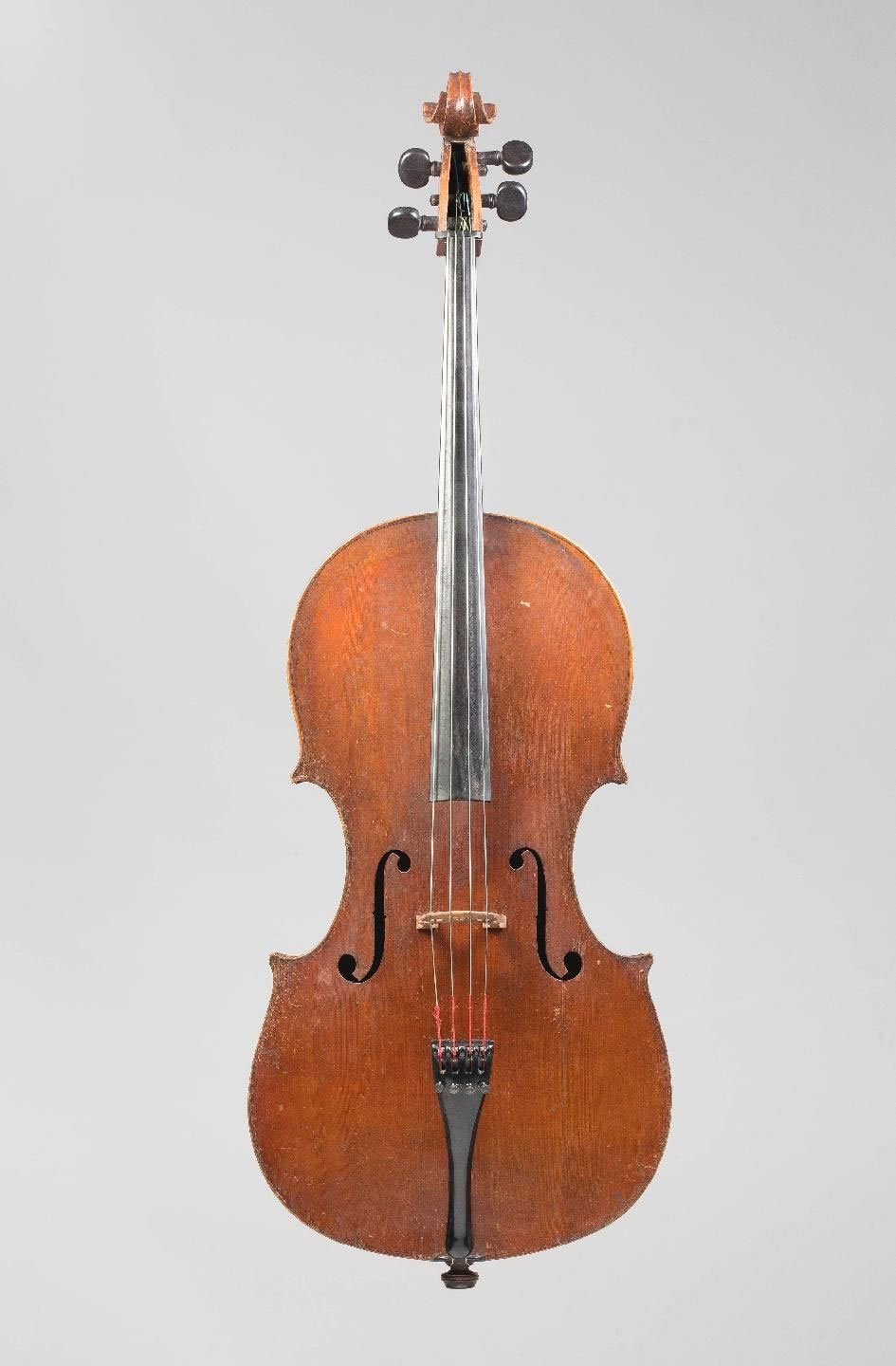
Présenté à Vichy Enchères le 4 juin 2026, ce violoncelle de Francesco Guadagnini, réalisé à Turin en 1888, s’inscrit dans l’âge d’or de la production du luthier, c’est-à-dire des années 1880 jusqu’à la fin du XIXème siècle – années durant lesquelles il réalise ses instruments les plus aboutis. Référencé dans l’ouvrage d’Eric Blot consacré à la lutherie piémontaise, ce violoncelle est l’un des rares de cette période à être parvenus jusqu’à nous en bon état. Il a également l’intérêt de bénéficier d’une provenance clairement établie, puisque il est passé entre les mains de plusieurs musiciens en lien avec de grandes institutions parisiennes.
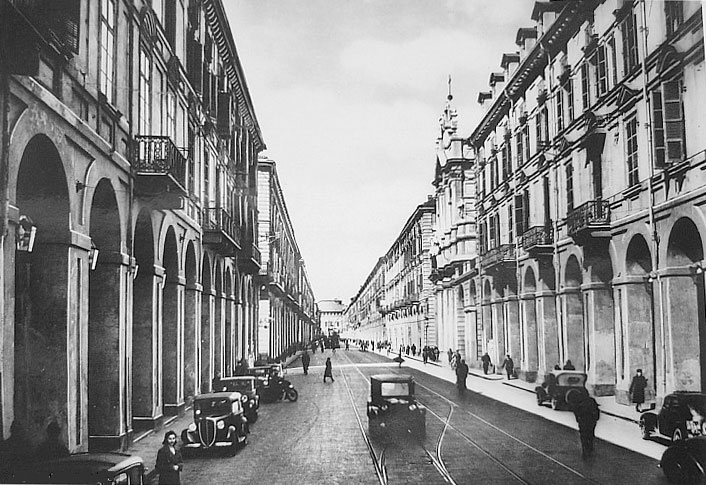
Francesco Guadagnini (Turin, 1863 – 1948) appartient à la dernière génération active d’une des plus importantes dynasties de luthiers italiens. Héritier d’un nom prestigieux associé à Giovanni Battista Guadagnini, il reprend très tôt l’atelier familial à la mort de son père Antonio, en 1881, alors qu’il n’a que dix-huit ans. L’atelier, situé via Po à Turin, compte parmi les plus actifs de la ville à la fin du XIXème siècle.
Comme le souligne Eric Blot[1], Francesco Guadagnini est l’un des derniers de la lignée à exercer la lutherie. Il se distingue par l’importance de sa production, qui le place, par le nombre d’instruments réalisés, immédiatement après son ancêtre Giovanni Battista. Très tôt à la tête de l’atelier après la mort de son père, il en assure la direction tout en poursuivant la fabrication et la restauration d’instruments. En outre, il participe avec son frère à plusieurs expositions internationales – notamment à Turin en 1884, où les “Fratelli Guadagnini” obtiennent une médaille d’argent, mais aussi à Anvers en 1885, et à Vienne en 1892 où il reçoit une médaille d’or.
À la fin du XIXème siècle, Turin est l’un des principaux centres de lutherie italienne. Dans le sillage de Pressenda et de la tradition des Guadagnini, se déploie une nouvelle génération de luthiers particulièrement intéressants, parmi lesquels Enrico Marchetti, Annibale Fagnola ou encore Evasio Emilio Guerra.
[1] Eric Blot, Liuteria Italiana, vol. IV : 1800–1950. 150 anni di liuteria. 150 years of violinmaking in Piemonte (Piedmont), Eric Blot Edizioni
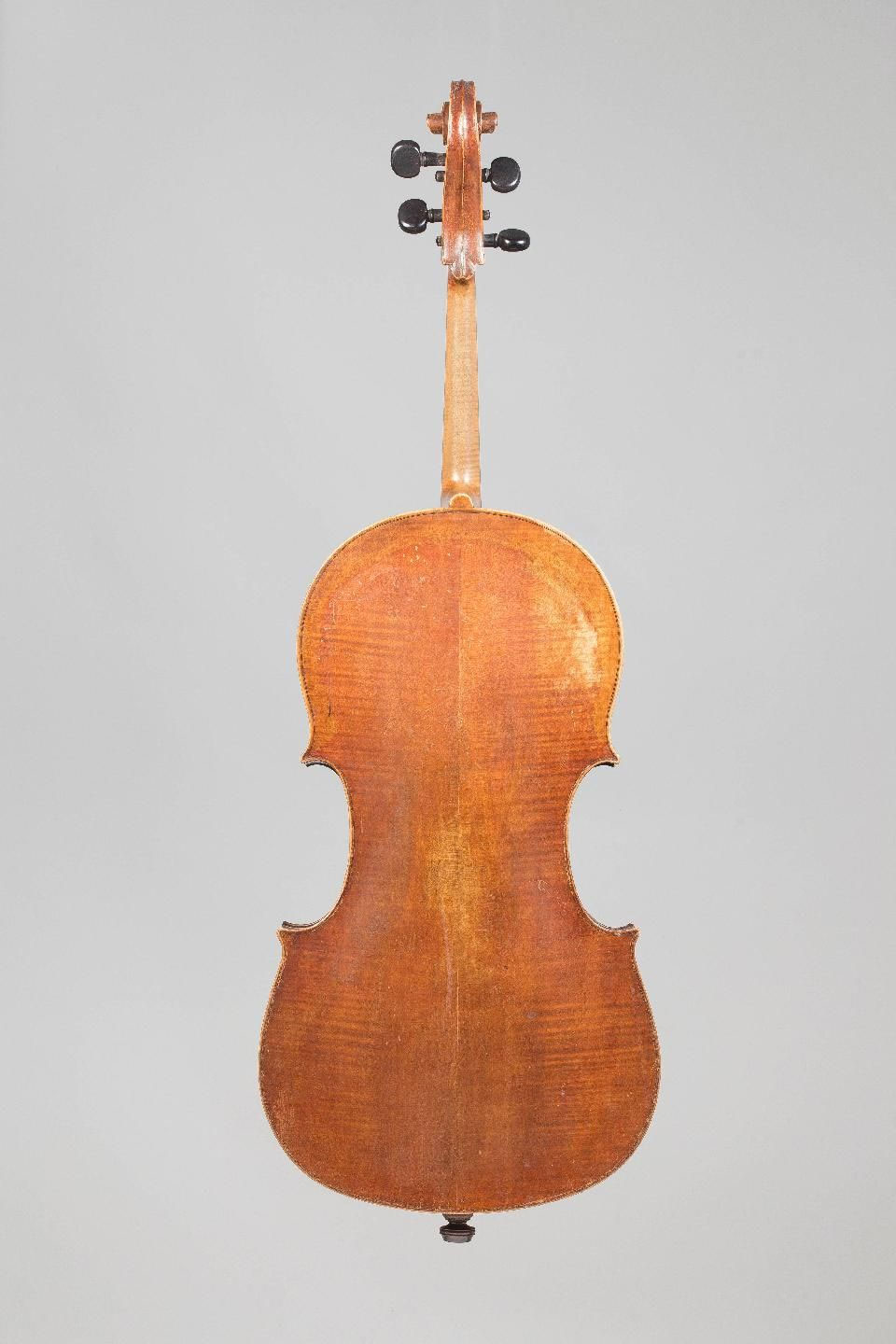
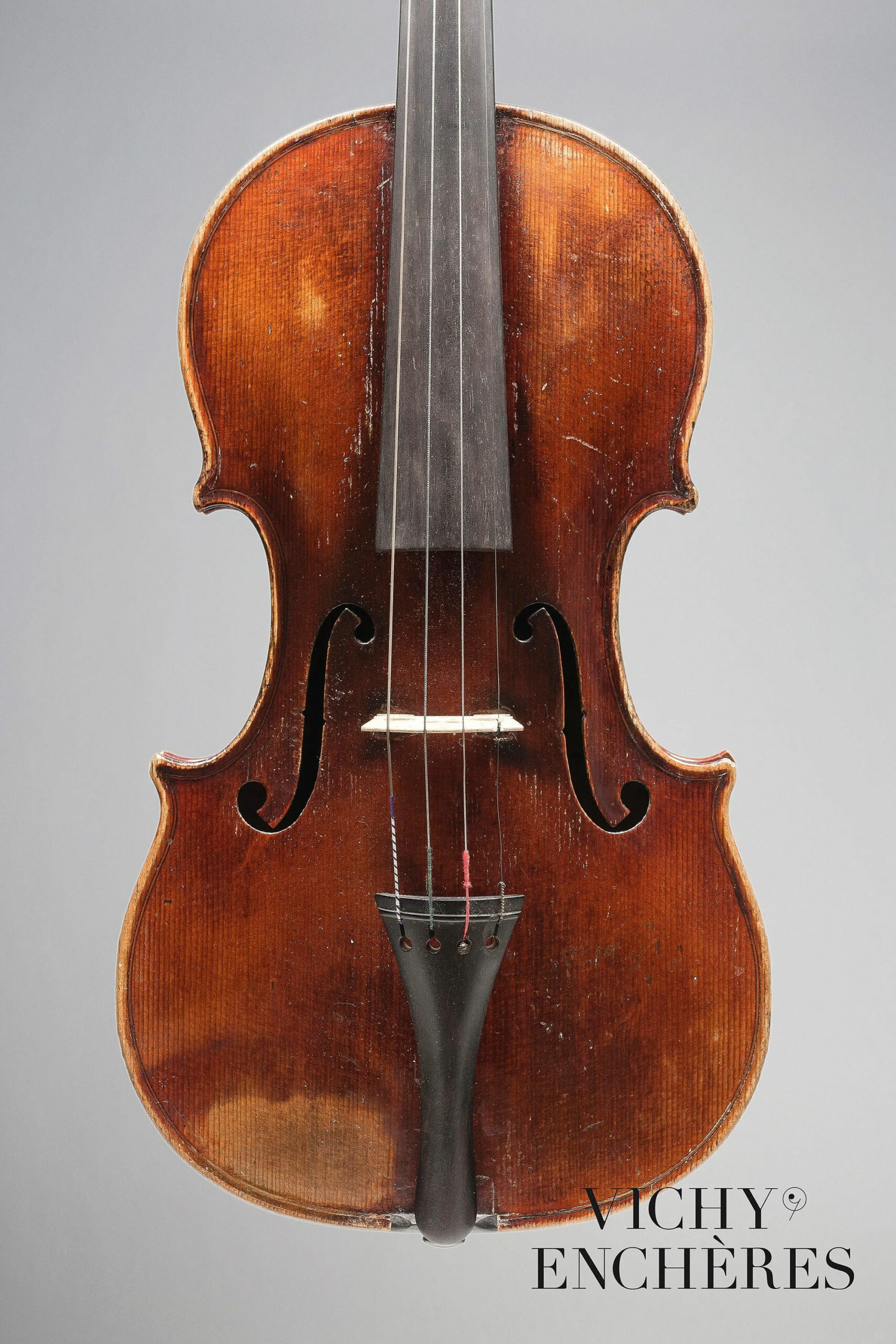
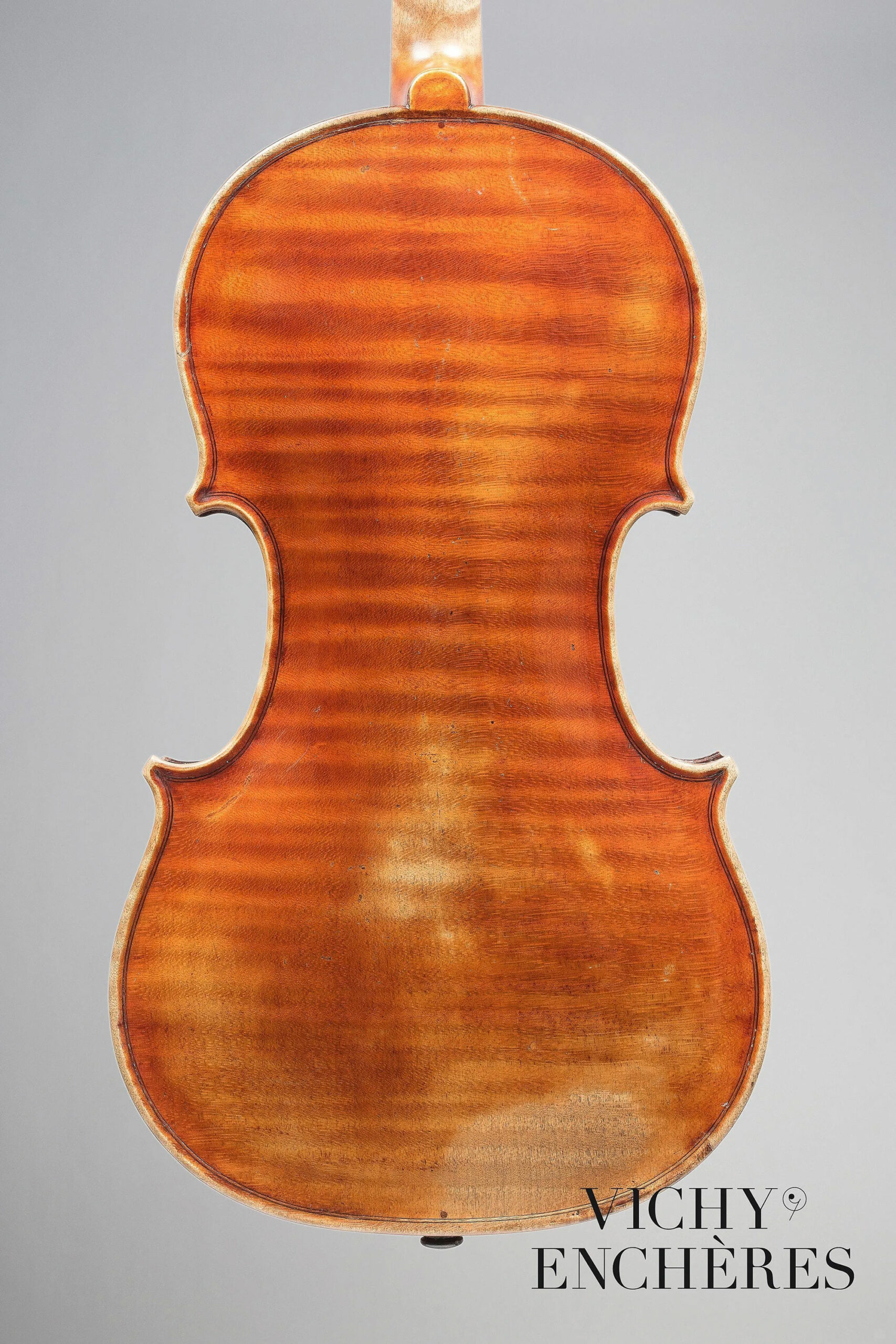
La production de Francesco Guadagnini est difficile à organiser en phases nettement distinctes en raison de sa diversité. Dans les années 1880, elle reste encore étroitement liée à celle de son père, tant dans son organisation que dans son orientation largement commerciale. C’est toutefois à cette époque que se développe son intérêt croissant pour la fabrication, probablement sous l’influence d’Enrico Marchetti – le dernier élève de son père encore actif au sein de l’atelier.
Selon Blot, c’est à la fin des années 1880/1990 – c’est-à-dire à l’époque de la fabrication du violoncelle de 1888 présenté dans cette vente – que “Francesco réalisa ses meilleurs instruments”, dans un contexte d’émulation artistique stimulé par la présence de jeunes luthiers turinois. Comme en témoigne notre instrument, les modèles s’inspirent alors directement de Giovanni Battista Guadagnini, tout en s’adaptant aux goûts et usages de l’époque, avec un tracé plus régulier, des lignes plus nettes et des coins plus carrés. Le vernis est également caractéristique de sa production, lisse, de teinte rouge rosée, pas totalement transparent, proche de celui utilisé par Marchetti.
Après 1910-1912, la production tend à se stabiliser, avant d’évoluer dans les années 1920-1930 vers des instruments parfois jugés plus rigides dans leur conception, voire réalisés en partie par des collaborateurs, notamment Evasio Emilio Guerra, et recouverts d’un vernis plus dur et cassant.
Dans ce contexte, les instruments de la fin du XIXème siècle apparaissent aujourd’hui comme particulièrement intéressants et recherchés, tant pour la qualité de leur facture que pour leur position dans l’évolution stylistique du luthier.
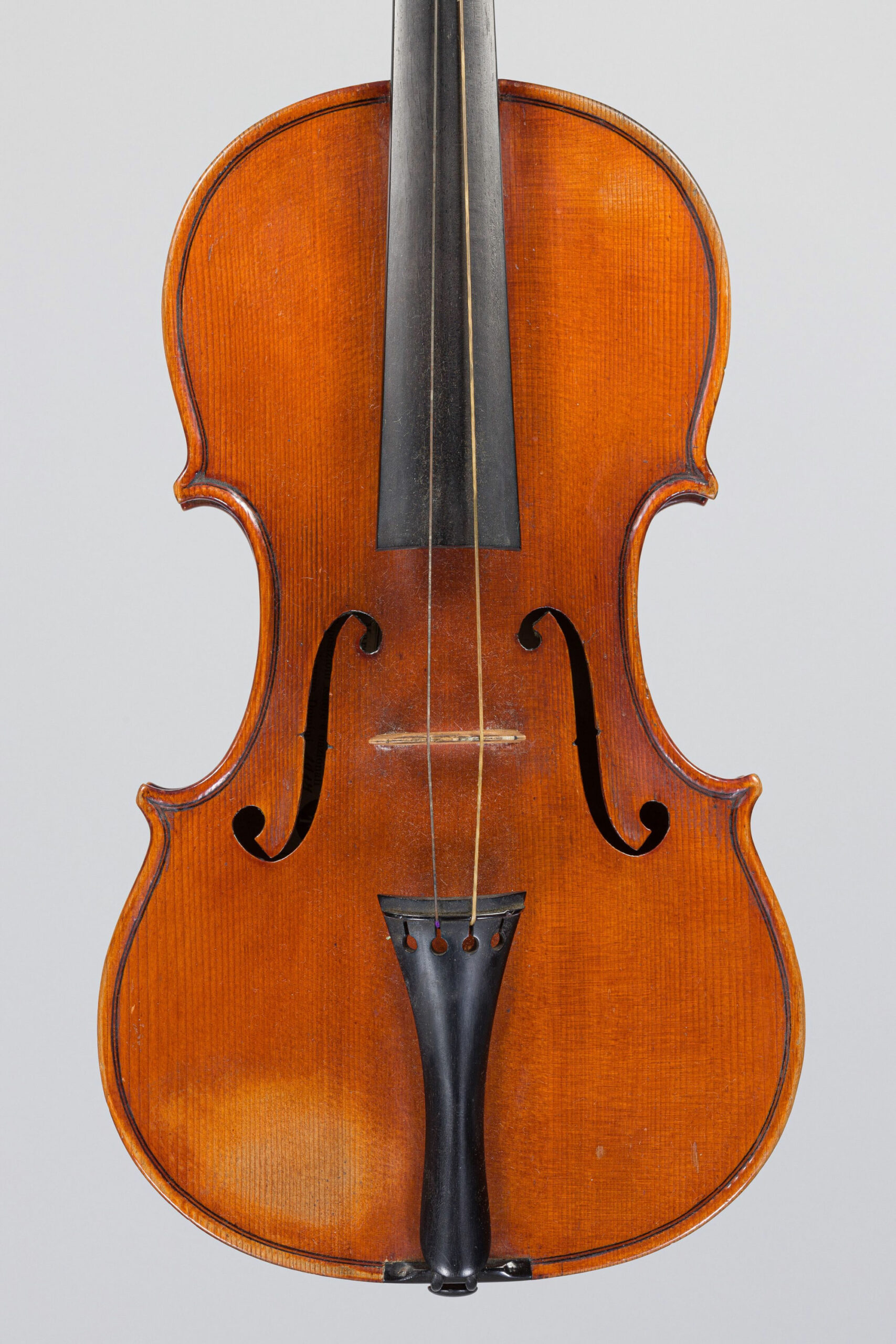
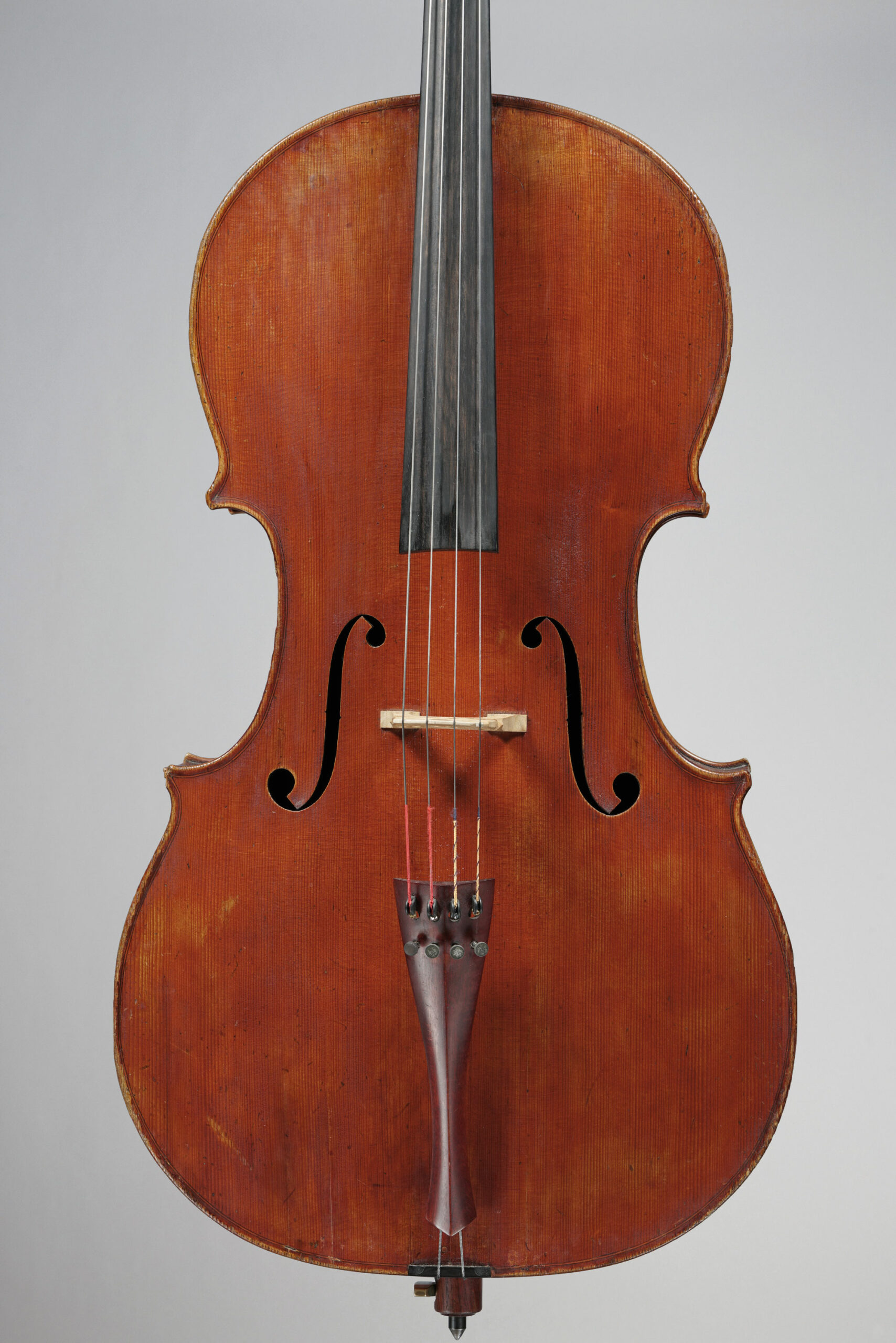
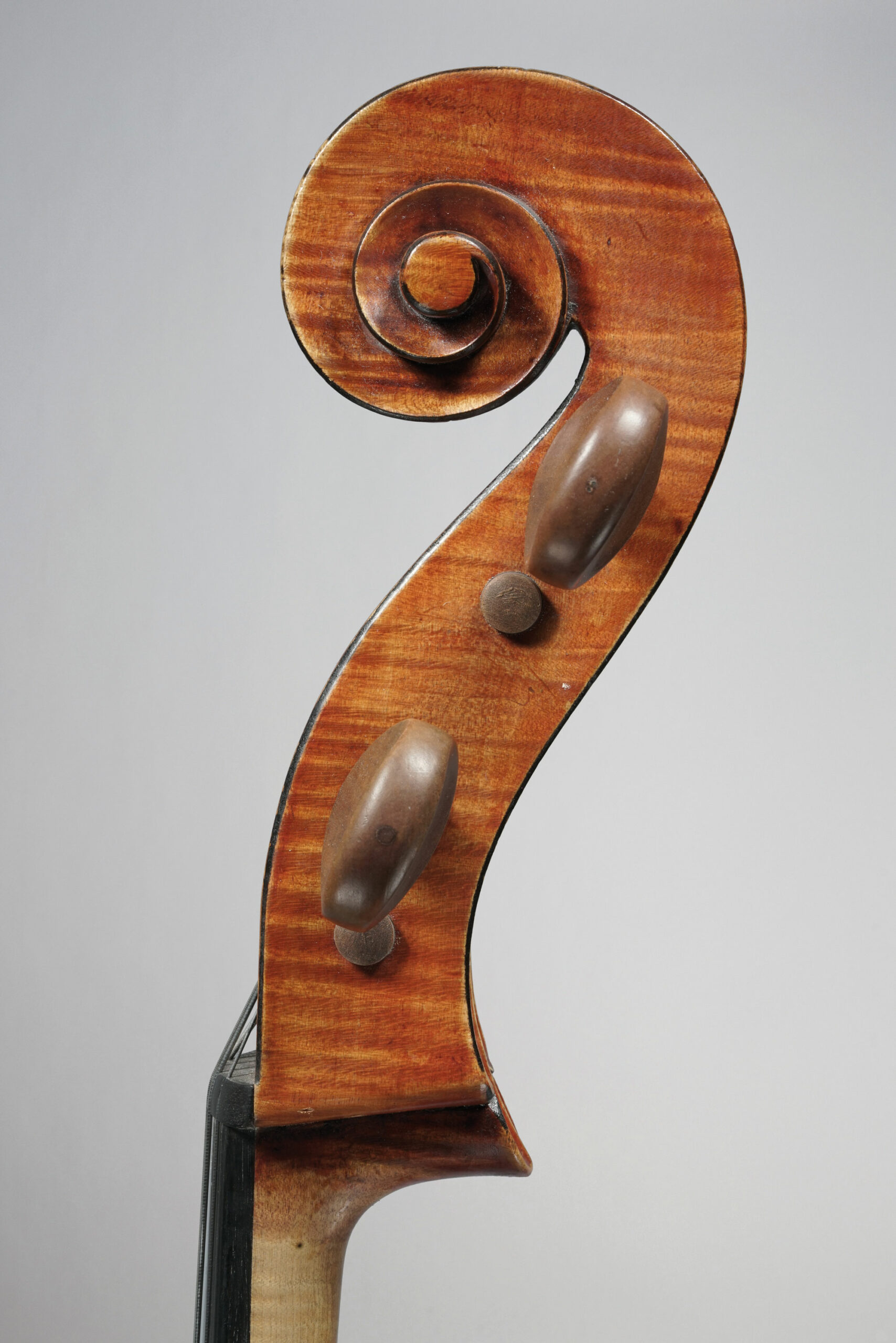
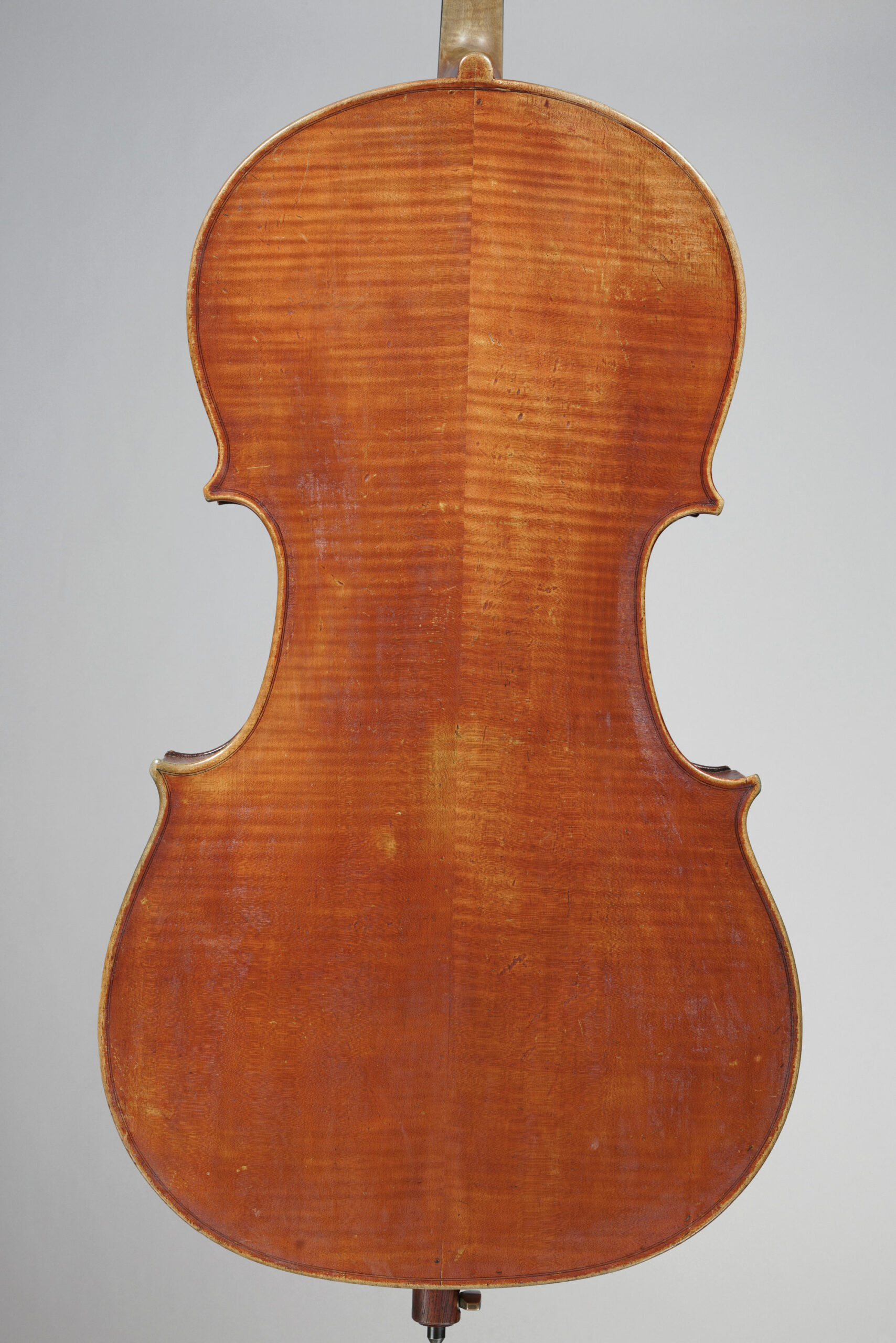
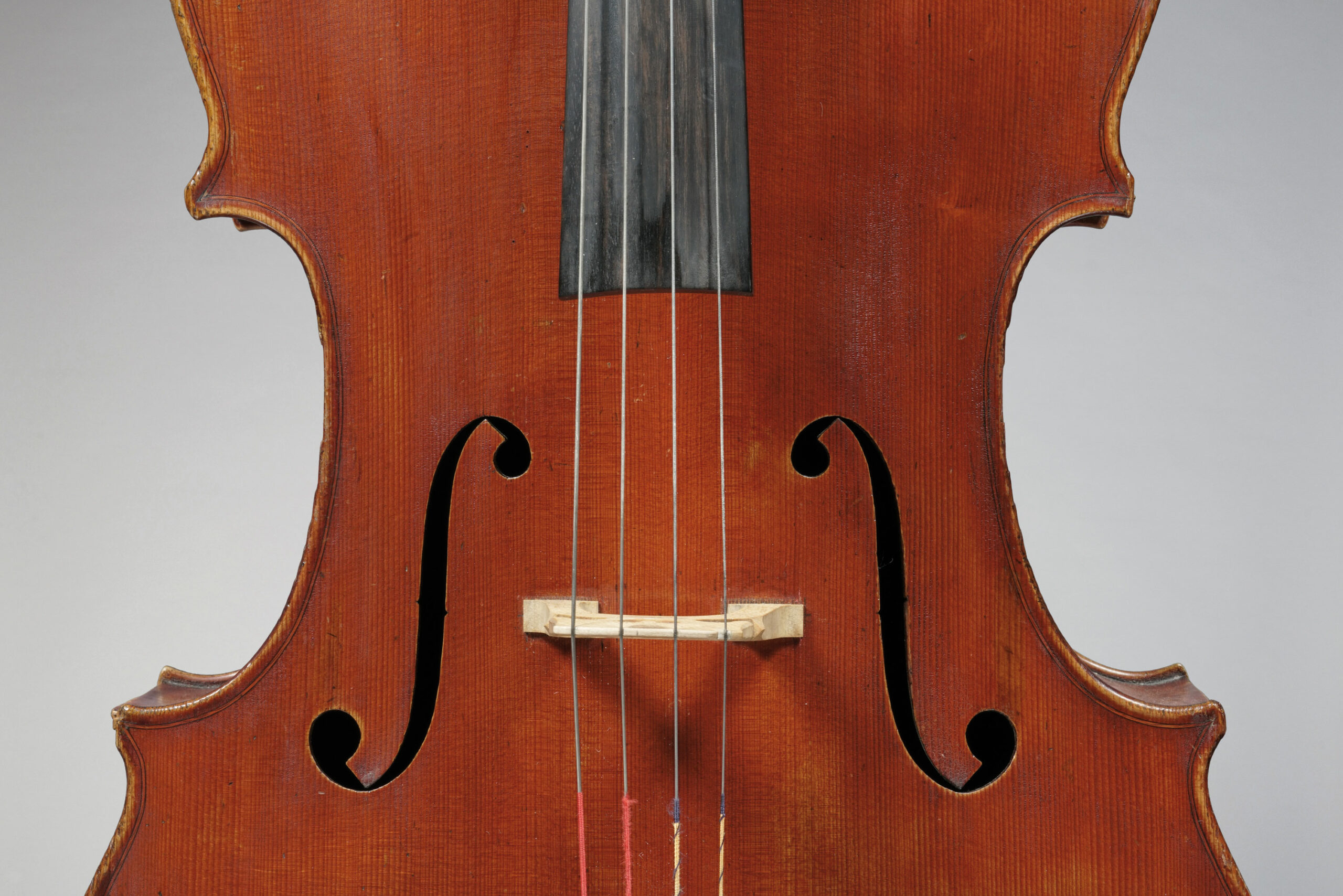
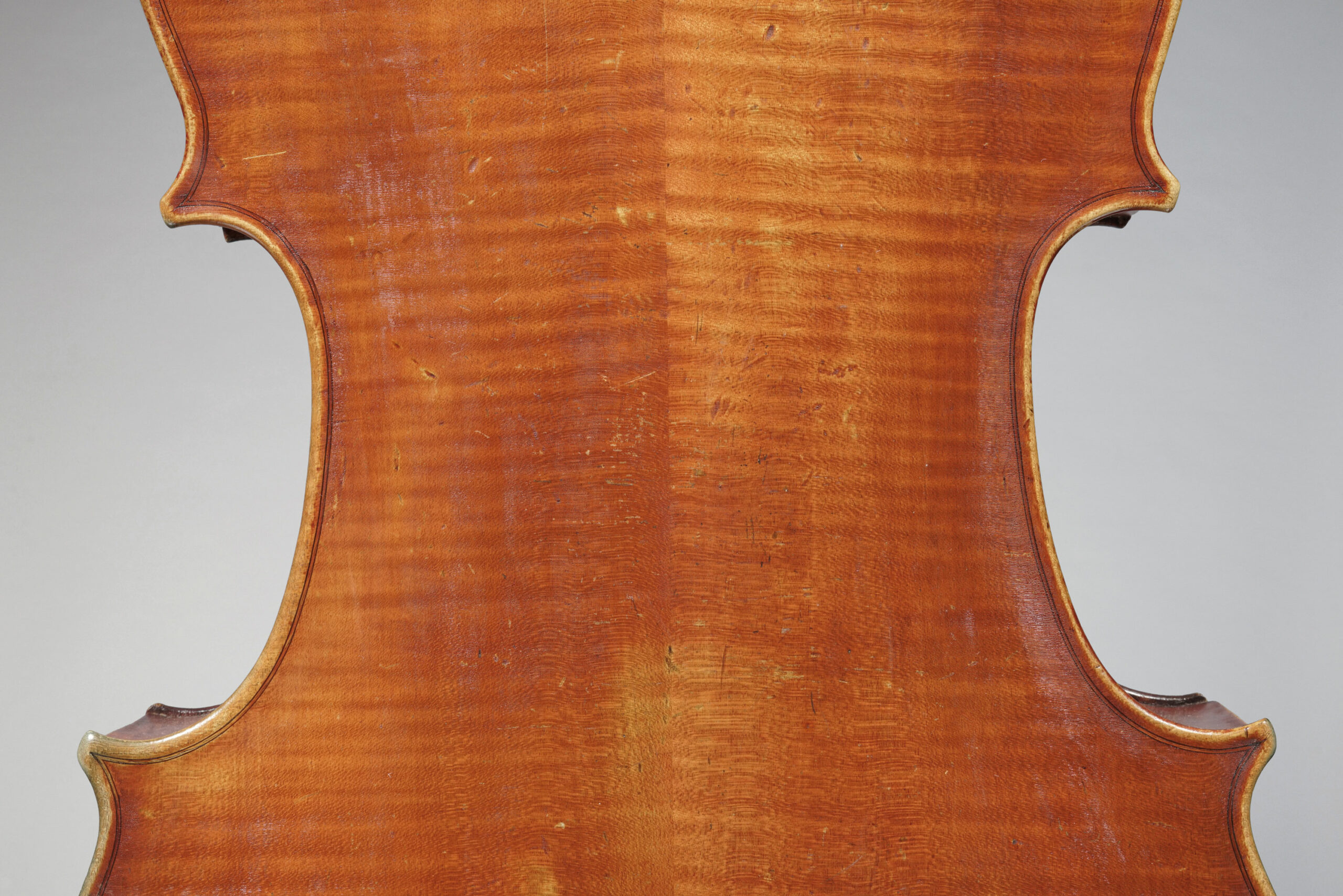
Le violoncelle proposé à la vente à Vichy Enchères le 4 juin 2026 offre un rare exemple de la production de Francesco Guadagnini à cet âge d’or. Comme l’indique l’étiquette, l’instrument a été réalisé à Turin en 1888 et porte également plusieurs marques au fer du luthier sur le fond. Le modèle est d’ailleurs référencé dans l’ouvrage d’Eric Blot sur La lutherie piémontaise (tome IV, p. 326), comme un exemple rare et remarquable de la production de la fin de siècle :
“Il s’agit d’un instrument très intéressant, car il fait partie des rares exemples de la production de l’atelier Guadagnini à la fin du XIXème siècle. Il a été construit avec soin.”
Eric Blot, Liuteria Italiana, vol. IV : 1800–1950. 150 anni di liuteria. 150 years of violinmaking in Piemonte (Piedmont), Eric Blot Edizioni
Blot relève également l’intérêt du vernis :
“Le vernis […] a été appliqué en deux couches de compositions différentes. La couche inférieure est jaune et présente une composition plus dure et plus résistante, tandis que la couche supérieure est rouge rosé, plus souple et pas tout à fait transparente.”
Eric Blot, Liuteria Italiana, vol. IV : 1800–1950. 150 anni di liuteria. 150 years of violinmaking in Piemonte (Piedmont), Eric Blot Edizioni
Cette application en deux couches relève à la fois d’une logique de protection et d’une recherche esthétique. La superposition d’une base résistante et d’une couche plus souple et colorée confère au vernis une profondeur et une texture caractéristiques. Elle rapproche l’instrument des pratiques de certains luthiers turinois contemporains, notamment Marchetti.
La provenance de l’instrument est clairement établie puisque celui-ci est passé entre les mains de musiciens issus de grandes institutions.
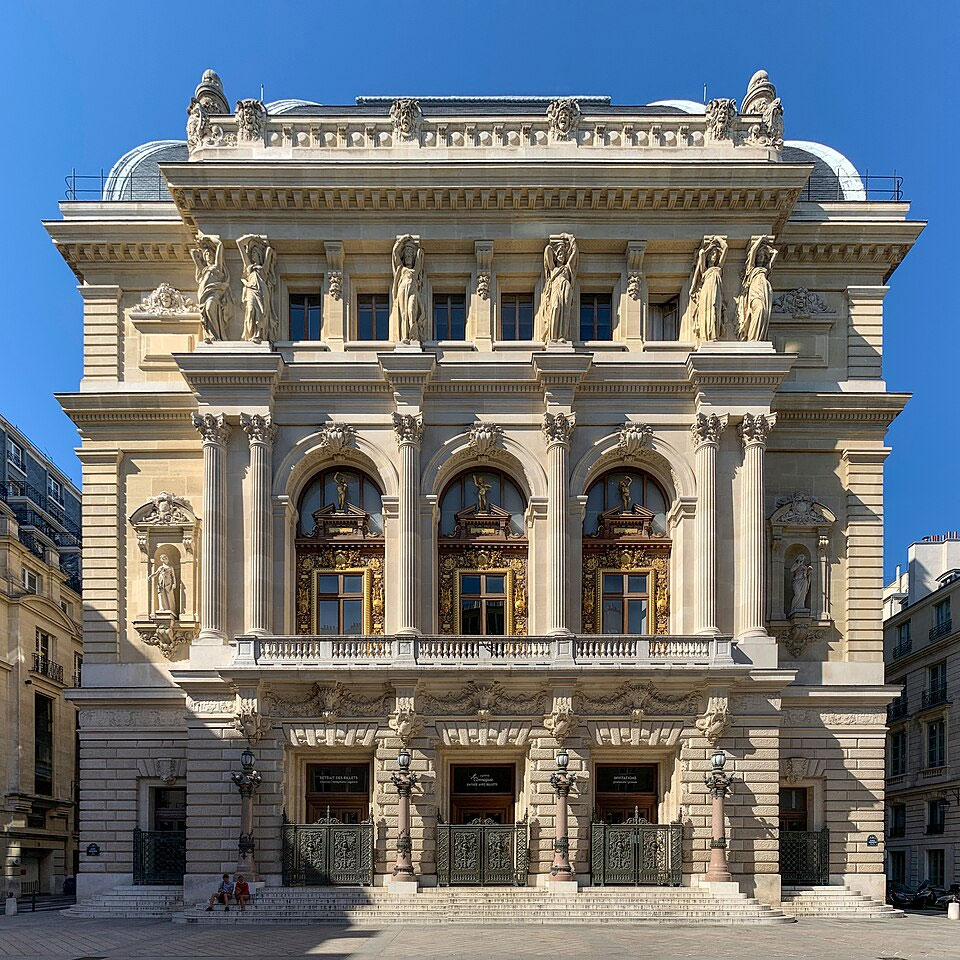
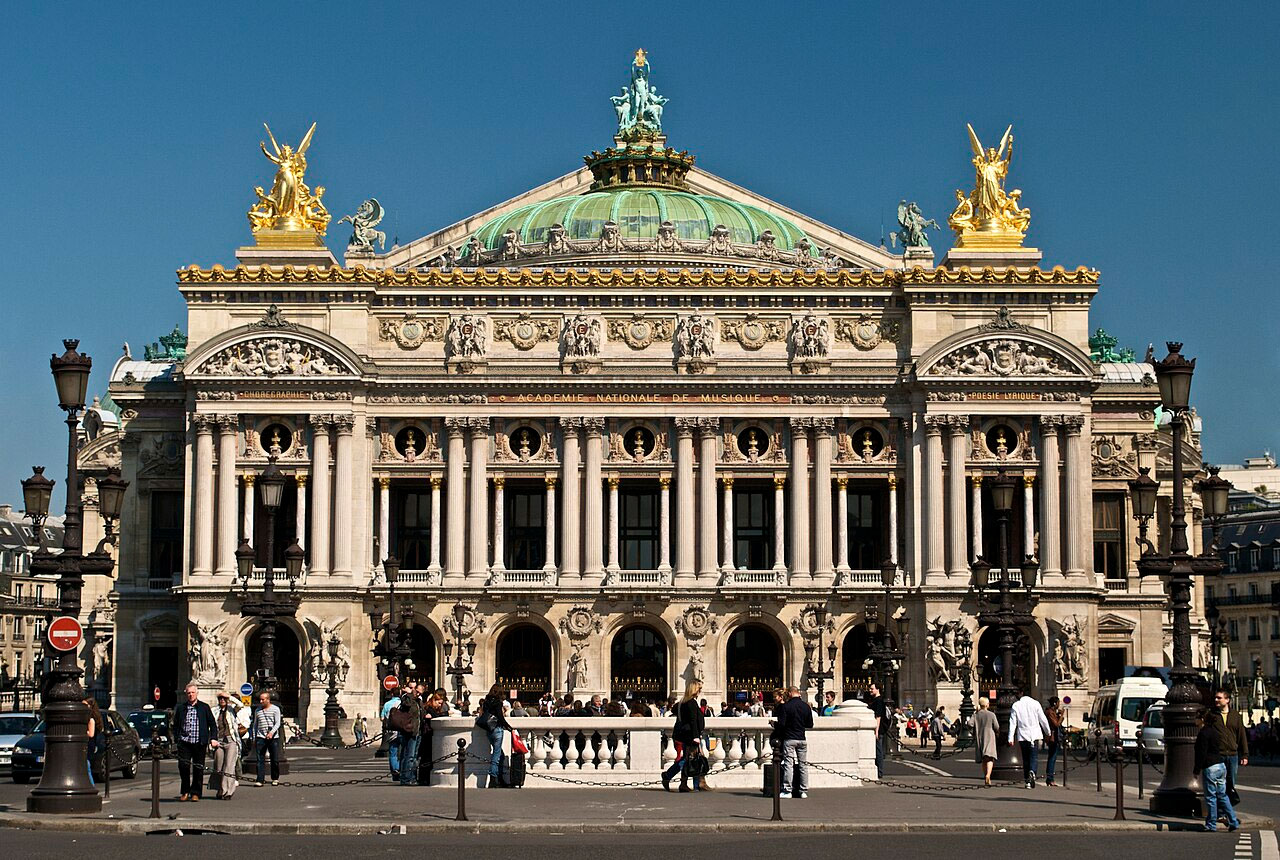
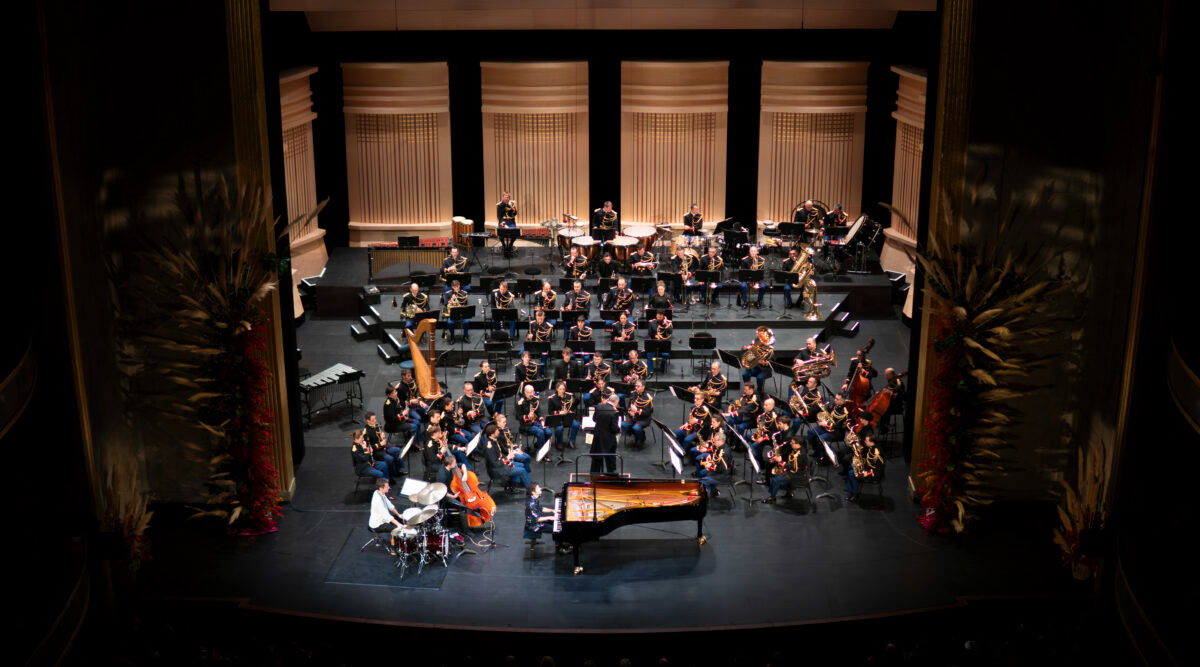
Il a été acquis neuf par le violoncelliste italien M. Verchelesi, avant d’être joué à partir des années 1930 par Fernand Benedetti, violoncelle solo de l’Opéra-Comique. Il passe ensuite entre les mains de son fils, René Benedetti, violoncelle solo de l’Opéra national de Paris, qui l’utilise tout au long de sa carrière. L’instrument a ainsi été joué par deux générations de violoncellistes solos dans des grandes institutions parisiennes. Le propriétaire actuel, ancien élève de René Benedetti au Conservatoire national supérieur de musique de Paris, en fait l’acquisition dans les années 2000 et l’utilise depuis au sein de l’orchestre à cordes de la Garde républicaine.
Cette transmission directe, d’un maître à son élève, atteste à la fois de la clarté de sa provenance et de la continuité de son usage.
Ainsi, sur près d’un siècle, ce violoncelle apparaît étroitement lié à une pratique orchestrale française de premier plan, depuis l’Opéra-Comique et l’Opéra national de Paris jusqu’à la Garde républicaine. Une telle continuité, associée à des interprètes identifiés, constitue un élément particulièrement intéressant dans l’appréciation historique de l’instrument. Elle donne également une indication quant aux qualités acoustiques de l’instrument, que le propriétaire actuel décrit comme ayant “une qualité de son italienne, facile à jouer”.
Ce violoncelle de Francesco Guadagnini réalisé à Turin en 1888 s’inscrit ainsi dans l’âge d’or de l’activité du luthier, lorsque sa production atteint son plus haut degré de perfectionnement. La qualité de sa facture et ses caractéristiques techniques, relevées notamment dans l’ouvrage d’Éric Blot, témoignent du haut degré d’aboutissement atteint par la lutherie piémontaise de la fin du XIXème siècle. À ces éléments s’ajoute une provenance clairement établie, marquée par une continuité d’usage au sein de prestigieuses institutions françaises, renforçant l’intérêt historique de l’instrument.
This cello by Francesco Guadagnini, offered at Vichy Enchères on 4 June 2026, was made in Turin in 1888, and therefore dates from the maker’s golden age, when he made his most accomplished instruments, during the period from the 1880s until the end of the 19th century. This cello, which features in Eric Blot’s work on Piedmontese violin making, is one of the few from this period to have survived to the present day in good condition. It is also notable for its clearly established provenance, having passed through the hands of several musicians associated with major Parisian institutions.
Francesco Guadagnini (Turin, 1863 – 1948) belongs to the last active generation of one of the most important dynasties of Italian violin makers. He bore a prestigious name in violin making, associated with Giovanni Battista Guadagnini, and took over the family workshop very early on, when he was only 18 years old, upon the death of his father Antonio in 1881. The workshop, located on via Po in Turin, was among the most active in the city at the end of the 19th century.
As Eric Blot points out[1], ], Francesco Guadagnini was one of the last members of the family to practice violin making. He is notable for the high volume of his production, which, in terms of the number of instruments made, places him immediately after his ancestor Giovanni Battista. He took over the workshop at a young age, after his father’s death, and managed it, while continuing to make and restore instruments. He also took part, with his brother, in several international exhibitions – in particular in Turin in 1884, where the « Fratelli Guadagnini » won a silver medal, but also in Antwerp in 1885, and in Vienna in 1892 where he was awarded a gold medal.
At the end of the 19th century, Turin was one of the main centres of violin making in Italy. Following in the footsteps of Pressenda and the Guadagnini tradition, a new generation of particularly interesting makers emerged, including Enrico Marchetti, Annibale Fagnola and Evasio Emilio Guerra.
[1] Eric Blot, Liuteria Italiana, vol. IV : 1800–1950. 150 anni di liuteria. 150 years of violinmaking in Piemonte (Piedmont), Eric Blot Edizioni
The production of Francesco Guadagnini is difficult to organize into clearly distinct phases due to its diversity. In the 1880s, it remained closely linked to that of his father, both in its organization and its largely commercial focus. However, it was during this period that his growing interest in instrument making developed, likely under the influence of Enrico Marchetti – the last of his father’s pupils to still be active in the workshop.
According to Blot, it was in the late 1880s to 1890s – i.e., around the time of the 1888 cello offered in this sale – that “Francesco produced his finest instruments”, in a context of artistic competition stimulated by the presence of young Turin makers. As our instrument demonstrates, the models were then directly inspired by Giovanni Battista Guadagnini, while being adapted to the tastes and practices of the time, with a more continuous outline, cleaner lines and squarer corners. The varnish is also typical of his work: smooth, rosy-red in colour, not entirely transparent, and similar to the one used by Marchetti.
After 1910 – 1912, the style of his production settled, before evolving in the 1920s and 1930s towards instruments sometimes considered more rigid in their design, sometimes made in collaboration with other makers, in particular Evasio Emilio Guerra, and coated with a harder and more brittle varnish.
In this context, his instruments from the late 19th century are today particularly interesting and sought after, both for the quality of their craftsmanship and for their place in the stylistic evolution of his production.
The cello offered for sale at Vichy Enchères on 4 June 2026 is a rare example of Francesco Guadagnini’s work during this golden age. As the label indicates, the instrument was made in Turin in 1888, and it also bears several of the maker’s brands on the back. This example is indeed referenced in Eric Blot’s work La lutherie piémontaise (volume IV, p. 326) as a rare and remarkable example of late 19th-century production:
“This is a very interesting instrument, as it is one of the rare examples produced by the Guadagnini workshop at the end of the 19th century. It was made with care.”
Eric Blot, Liuteria Italiana, vol. IV : 1800–1950. 150 anni di liuteria. 150 years of violinmaking in Piemonte (Piedmont), Eric Blot Edizioni
Blot also notes the significance of the varnish:
“The varnish […] was applied in two layers of different compositions. The lower layer is yellow and has a harder and more resistant composition, while the upper layer is pinkish-red, more flexible, and not entirely transparent.”
Eric Blot, Liuteria Italiana, vol. IV : 1800–1950. 150 anni di liuteria. 150 years of violinmaking in Piemonte (Piedmont), Eric Blot Edizioni
This two-layer application serves both a protective and an aesthetic function. The layering of a resistant base under a more flexible and coloured layer gives the varnish a characteristic depth and texture. This is reminiscent of the practices of certain contemporary Turin violin makers, in particular Marchetti.
The instrument’s provenance is clearly established, as it has passed through the hands of musicians from major institutions.
It was acquired new by the Italian cellist M. Verchelesi, before being played from the 1930s onward by Fernand Benedetti, principal cellist of the Opéra-Comique. It then passed into the hands of his son, René Benedetti, principal cellist of the Paris Opera, who used it throughout his career. Therefore, the instrument was played by two generations of principal cellists in major Parisian institutions. The current owner, a former student of René Benedetti at the Paris Conservatory, acquired it in the 2000s and has used it since with the string orchestra of the French Republican Guard.
This direct transmission, from master to student, attests to both the clarity of its provenance and the continuity of its use.
Therefore, for nearly a century, this cello appears to have been closely linked to leading French orchestral performance, from the Opéra-Comique and the Paris Opera to the French Republican Guard. Such continuity, combined with identified performers, constitutes a particularly interesting element in the historical appreciation of the instrument. It also provides an indication of the instrument’s acoustic qualities, with the current owner describing it as having « an Italian sound quality, easy to play ».
This cello by Francesco Guadagnini, made in Turin in 1888, dates from the maker’s golden age, when his production reached its highest level of refinement. The quality of its construction and its technical features, noted in particular in the work by Éric Blot, testify to the high degree of proficiency attained by Piedmontese instrument making at the end of the 19th century. Added to these elements is a clearly established provenance, marked by continuous use within prestigious French institutions, reinforcing the historical significance of the instrument.