Vichy Enchères est heureuse de vous présenter une sélection d’archets de la collection de Jean-François Raffin, expert auprès de ses ventes de 1995 à 2023. Formé à Mirecourt puis à Paris, notamment auprès de Bernard Millant dont il fut l’élève pendant près de vingt ans, Jean-François Raffin s’est imposé comme l’un des grands spécialistes de l’expertise d’archets. Il débute comme luthier, avant de se consacrer à l’archèterie, puis à l’expertise. Reçu expert près la Cour d’Appel de Paris en 1996, il a participé à la rédaction de L’Archet, ouvrage de référence et a établi, seul ou en association, plusieurs dizaines de milliers de certificats.
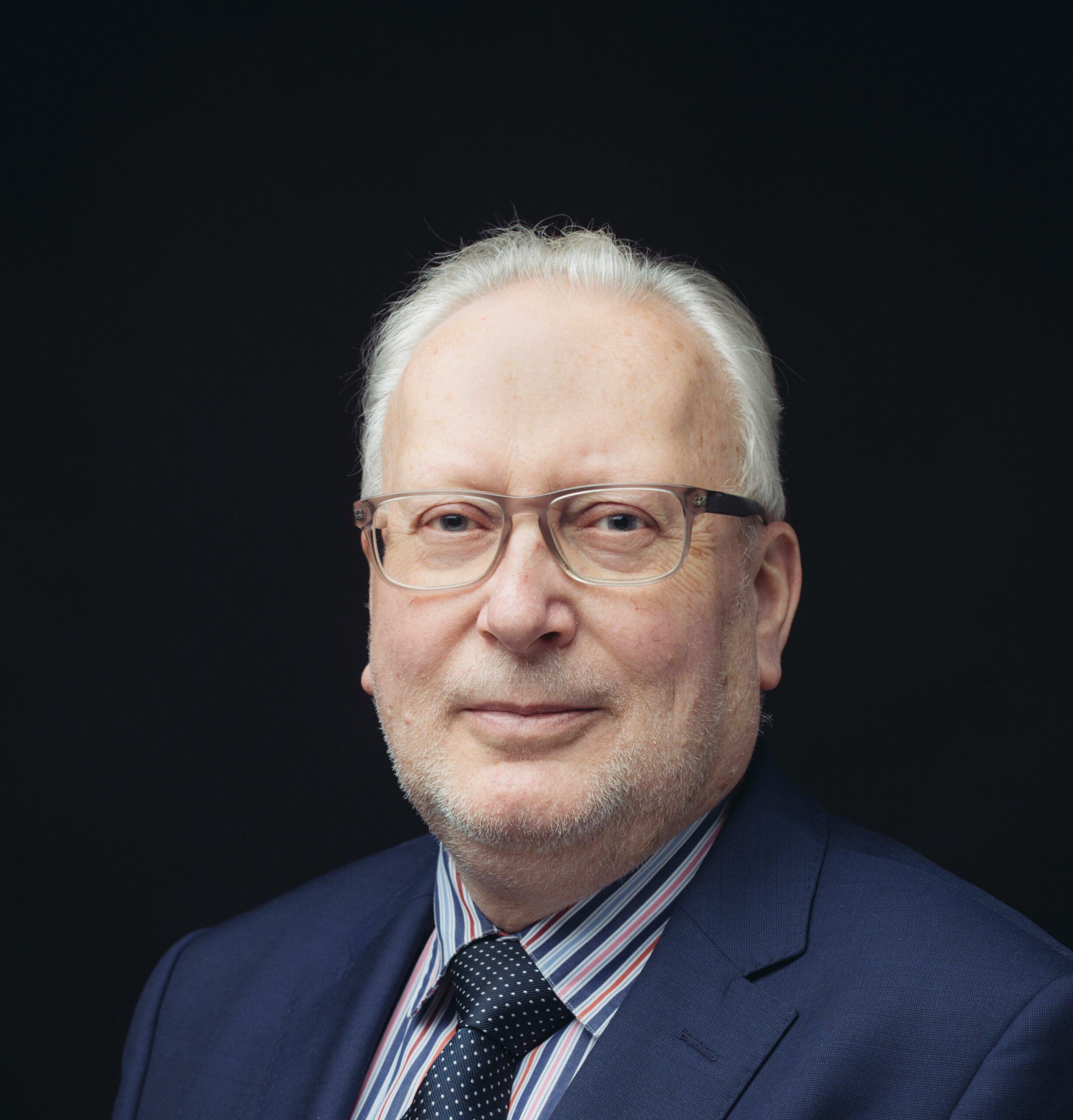
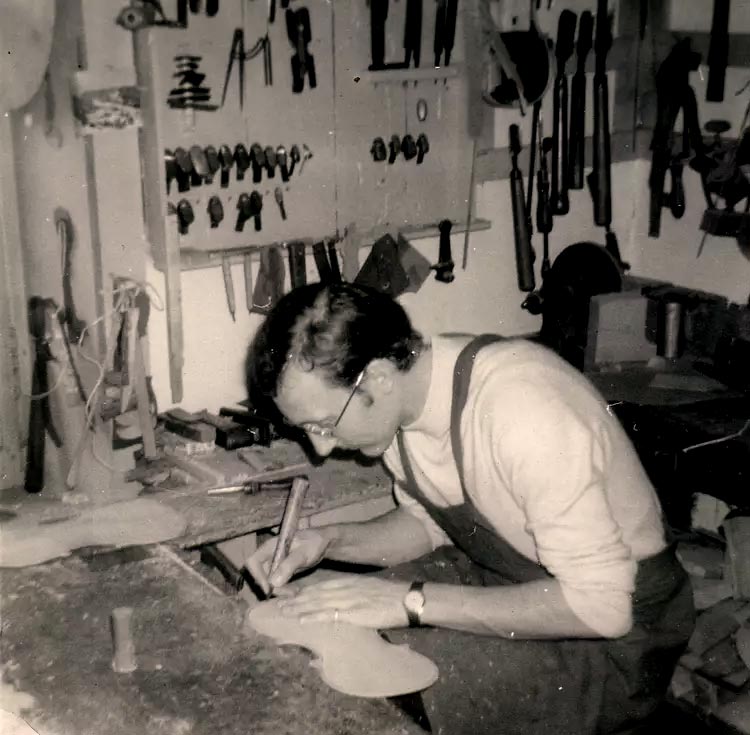
C’est à Mirecourt, dans l’atelier Apparut et Hilaire, que Jean-François Raffin se forme d’abord à la lutherie sous la direction de Jean Eulry. Après un passage à Paris dans l’atelier d’Etienne Vatelot, il rejoint en 1972 celui de Bernard Millant. Il y découvre l’archèterie et s’y forme durant près de dix-sept ans. Au sein de l’atelier, l’examen des archets, leur comparaison et leur mémorisation sont au cœur du travail. Ces pratiques et méthodes resteront à la base de toute son activité.
En effet, ce travail d’expertise se poursuivra par la suite dans son propre atelier, puis au sein du cabinet qu’il fonde avec Sylvain Bigot et Yannick Le Canu. Parallèlement, Jean-François Raffin transmet son savoir-faire à de nombreux élèves et collaborateurs, en France comme à l’étranger. Parmi eux, Sylvain Bigot, aujourd’hui expert aux ventes de Vichy aux côtés de Yannick Le Canu.
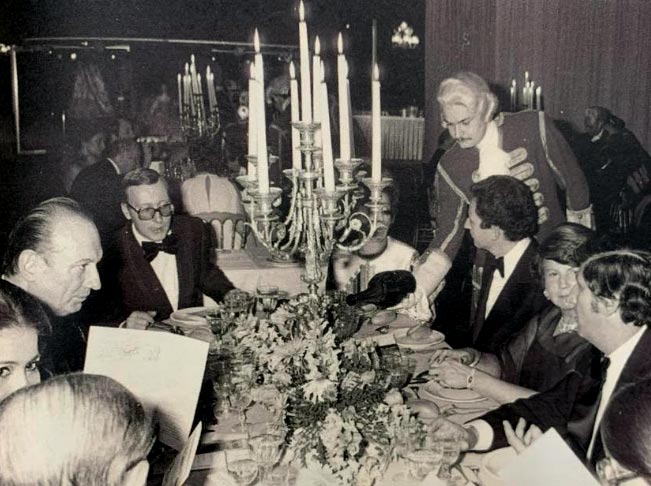
Formé d’abord comme luthier puis comme archetier, Jean-François Raffin s’impose rapidement par la qualité de son travail. Distingué par une médaille d’argent au concours des Meilleurs Ouvriers de France en 1979, ses archets sont adoptés par de nombreux musiciens.
Progressivement, son activité se recentre sur l’expertise. À partir des années 1990, celle-ci prend une place centrale, tant en France qu’à l’international. Son travail, fondé sur l’étude des modèles et la connaissance des écoles, s’impose comme une référence.
La rédaction de L’Archet, entreprise avec Bernard Millant, contribue à structurer et diffuser ses connaissances. Publié en plusieurs volumes, cet ouvrage reste aujourd’hui un outil essentiel pour l’étude de l’archèterie française.
L’ensemble ici présenté a été formé au fil des années, comme un prolongement direct de son activité. Elle réunit des archets conservés pour la qualité de leur modèle, leur état et l’intérêt qu’ils présentaient pour l’étude, ainsi que pour leur place dans l’histoire de l’archèterie.
Jean-François Raffin s’en servait comme points de comparaison dans le travail d’identification, mais aussi comme supports d’enseignement. Ces archets lui ont servi de références dans son travail d’expertise et ont également été utilisés dans la formation de ceux qui ont travaillé auprès de lui.
L’ensemble couvre une large période de l’archèterie française, du XVIIIème au XXème siècle, et rassemble des archets de figures majeures. On y trouve notamment des instruments de la famille Tourte, dont une baguette de François-Xavier Tourte, vers 1825, ou encore un archet de Nicolas Pierre Tourte du XVIIIème siècle, témoignant des origines de l’archet moderne.
Le XIXème siècle est représenté par des figures majeures comme Peccatte, Pajeot, Maline ou Bazin, avec plusieurs archets en bon ou très bon état, caractéristiques de leur facture. Enfin, le XXème siècle est également représenté par des maîtres incontournables, comme Sartory, Ouchard, Morizot ou Thomassin – dont le travail prolonge la grande école française d’archeterie.
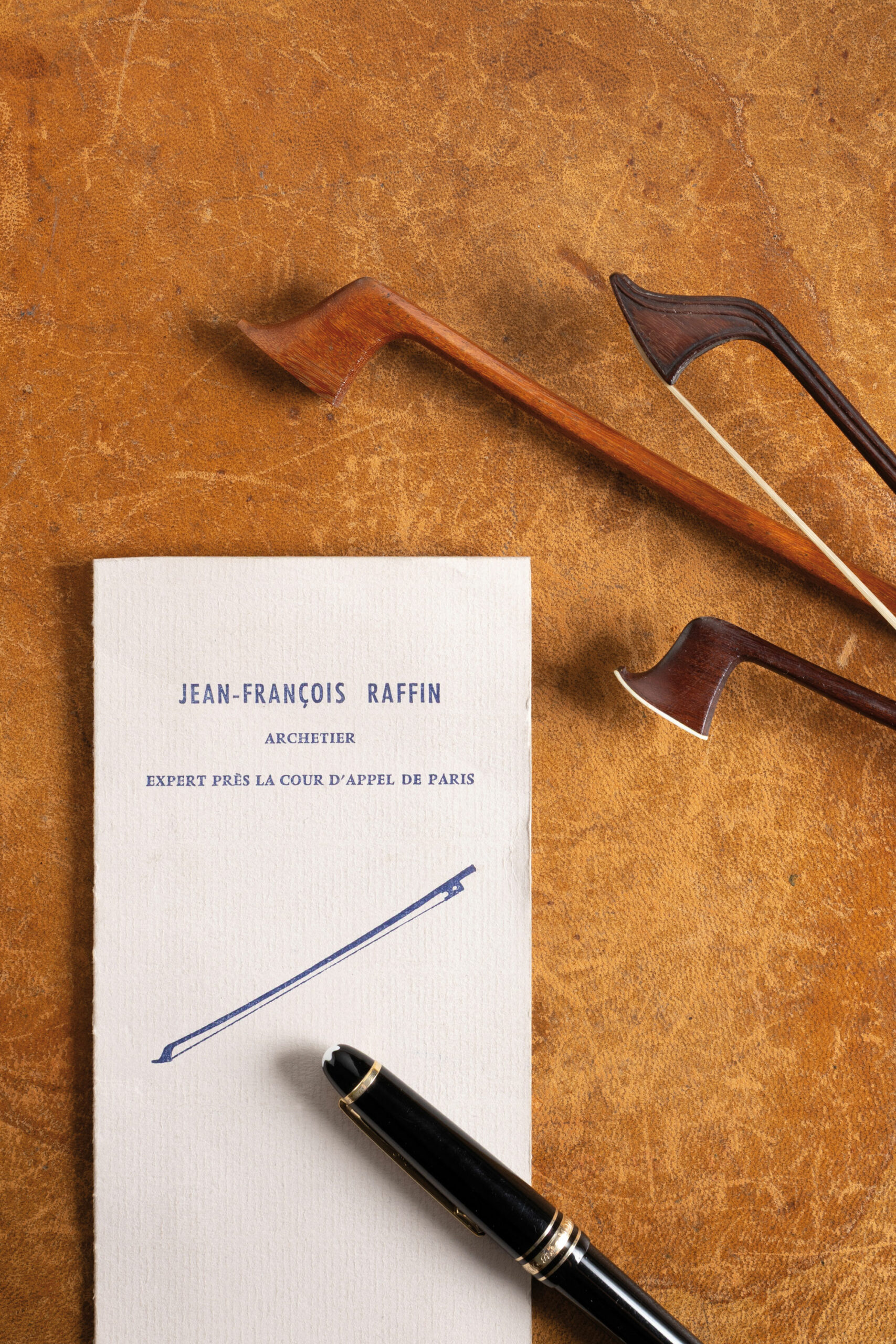
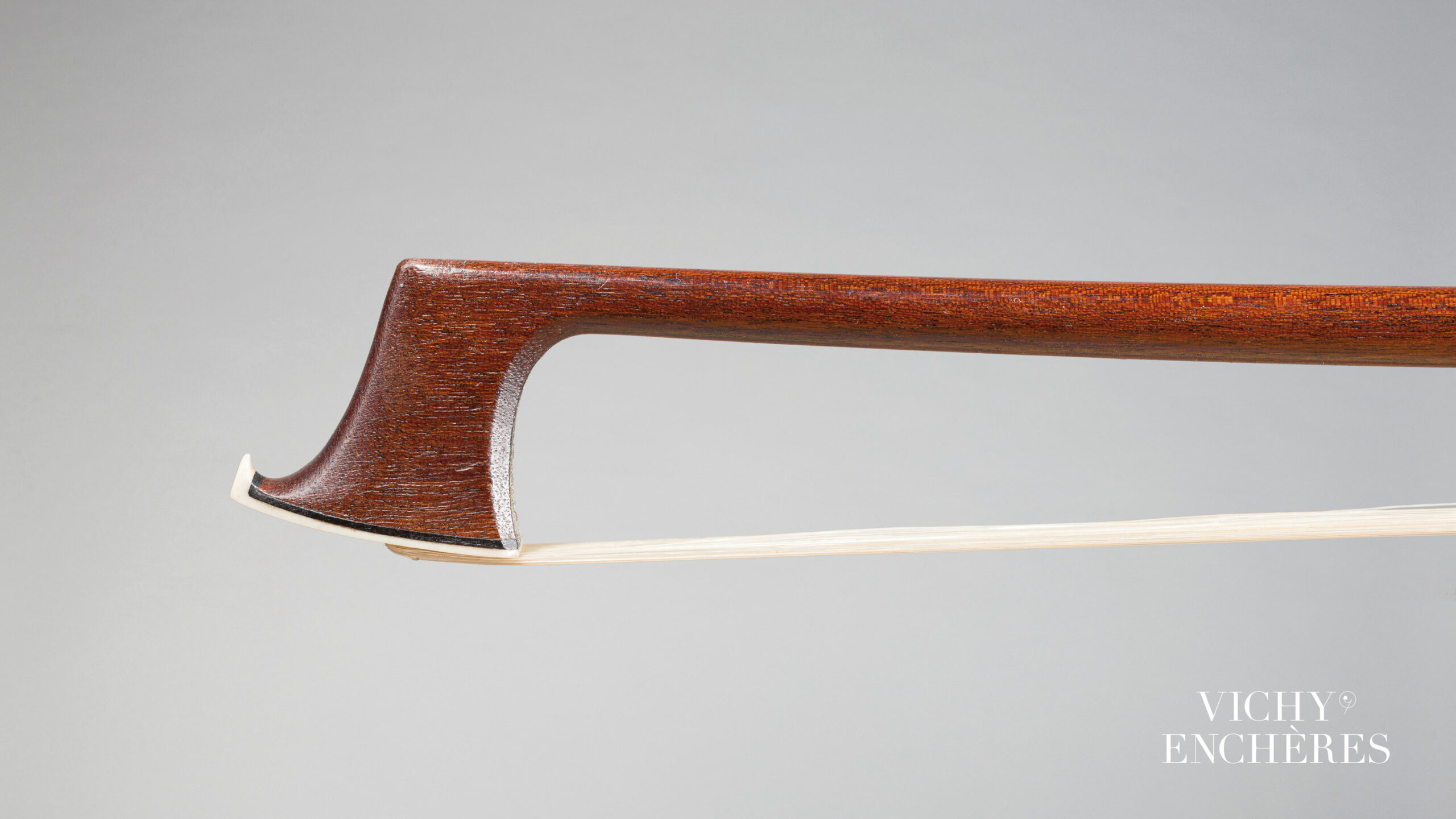
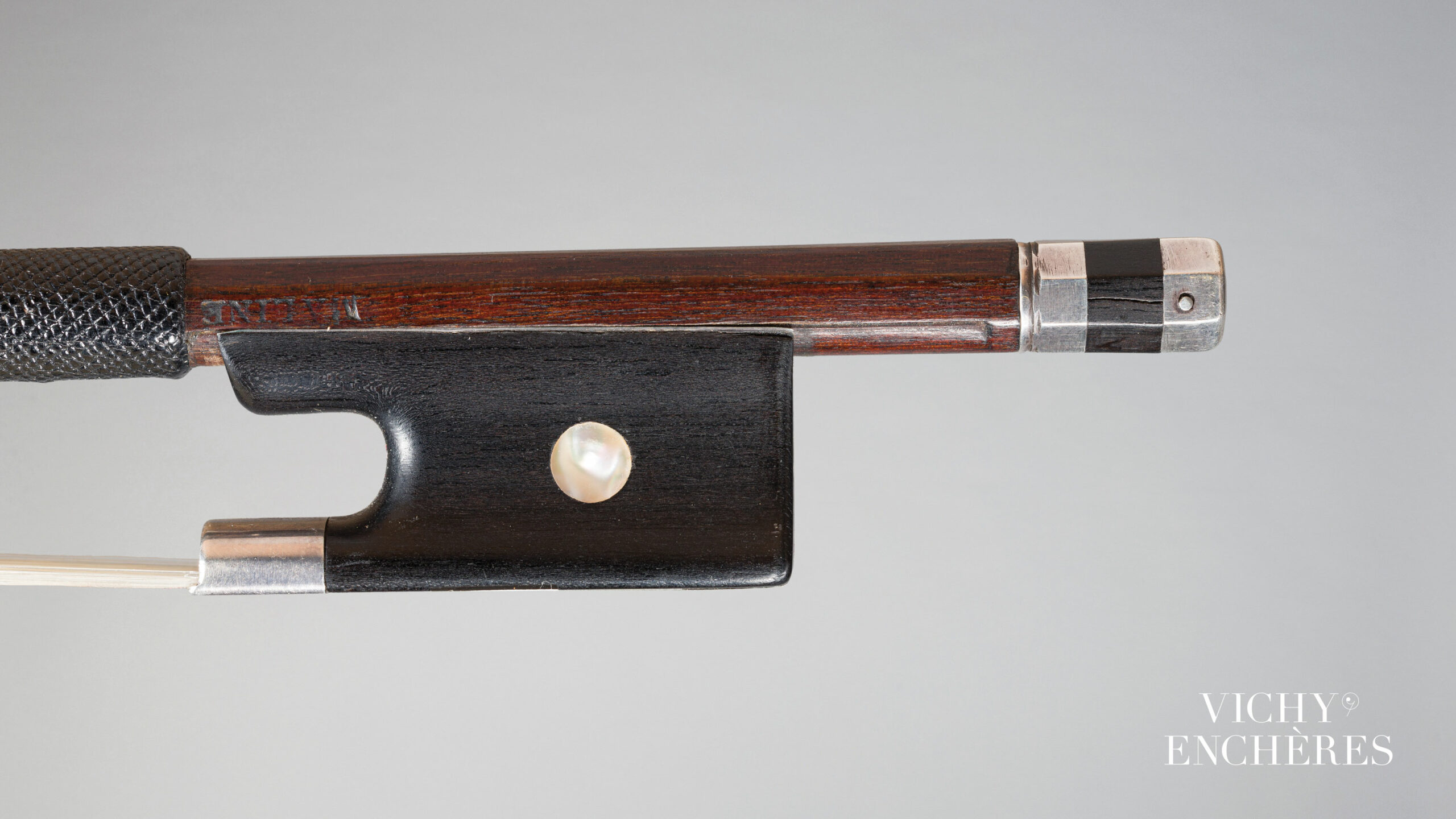
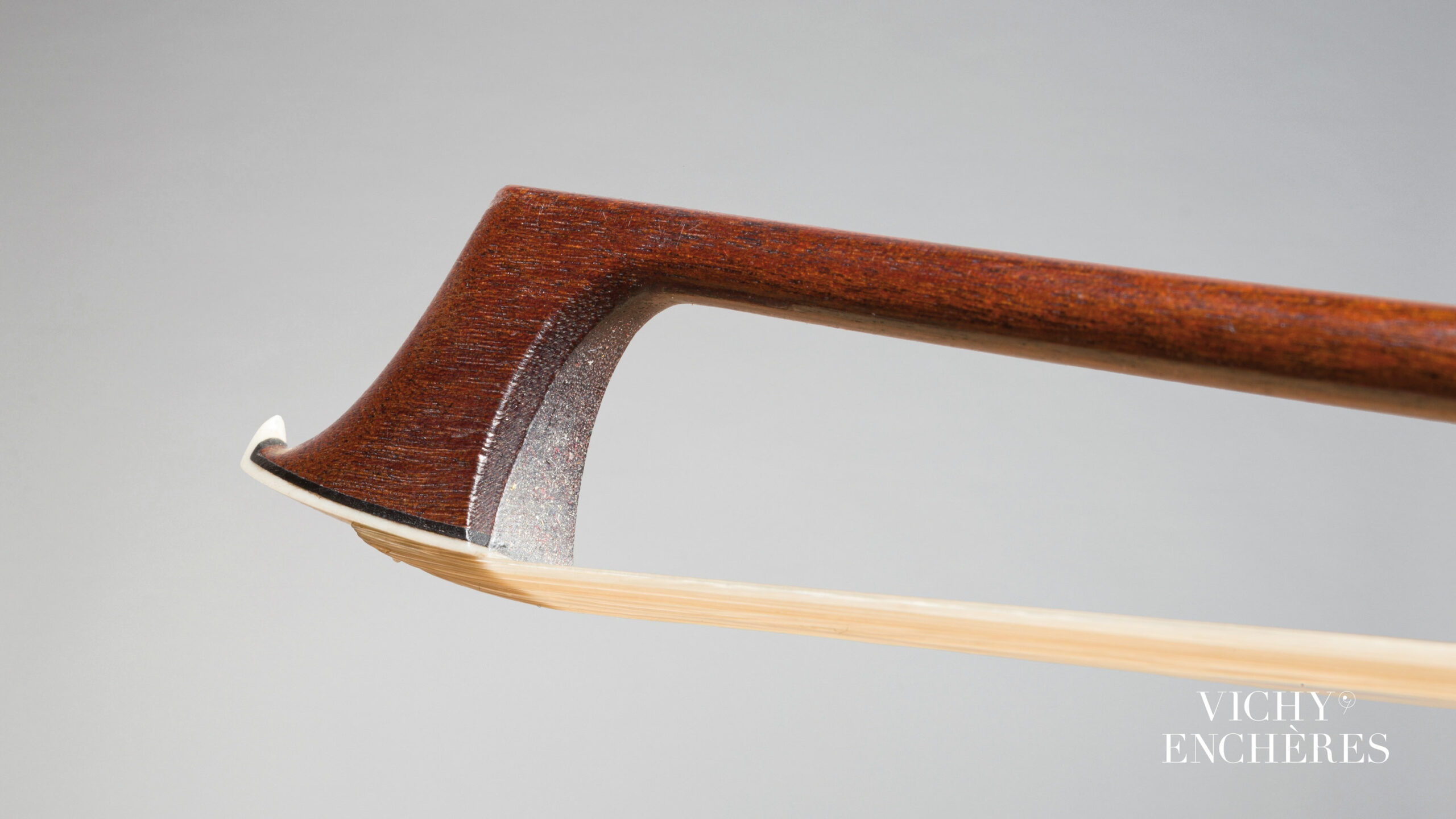
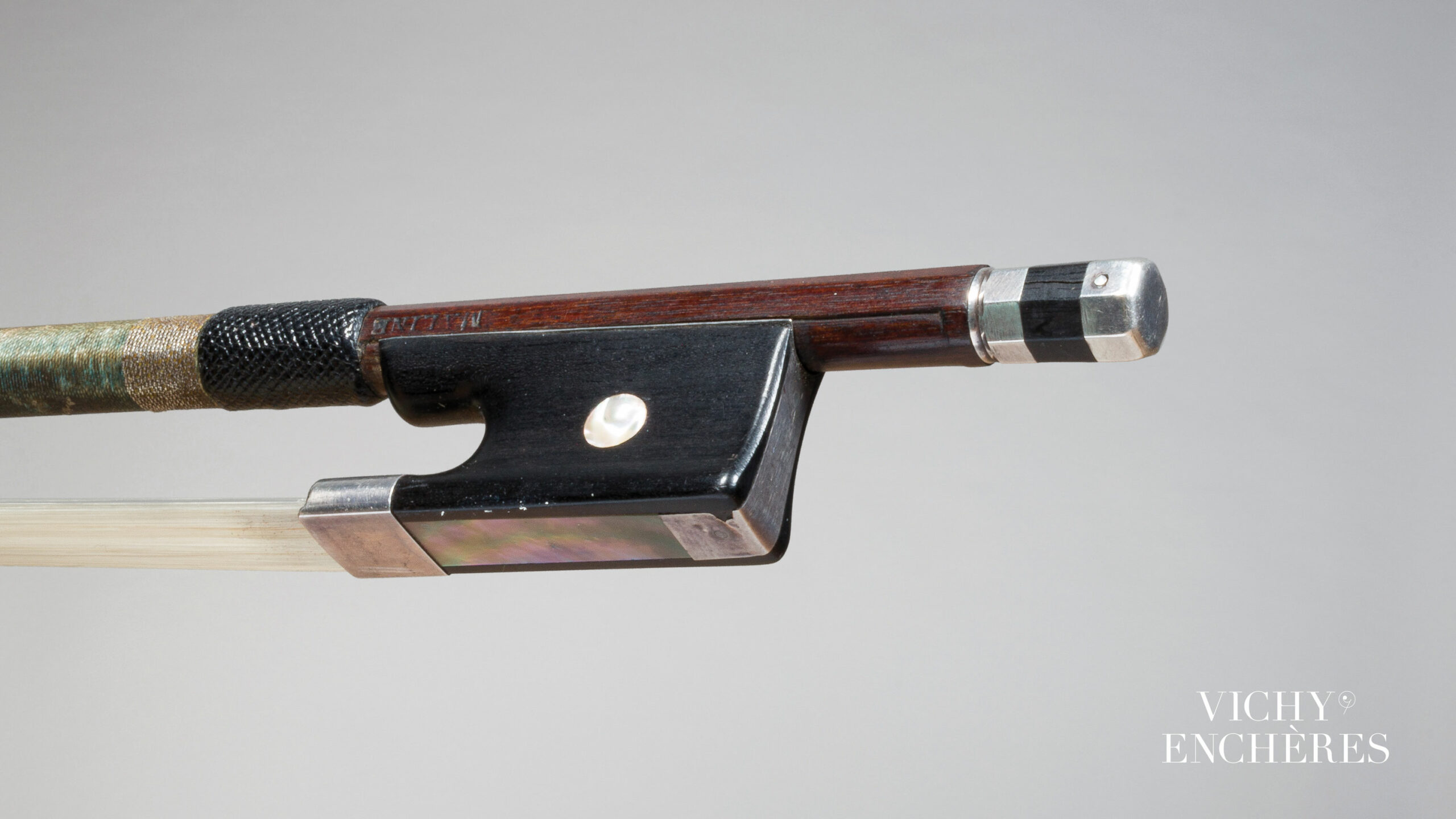
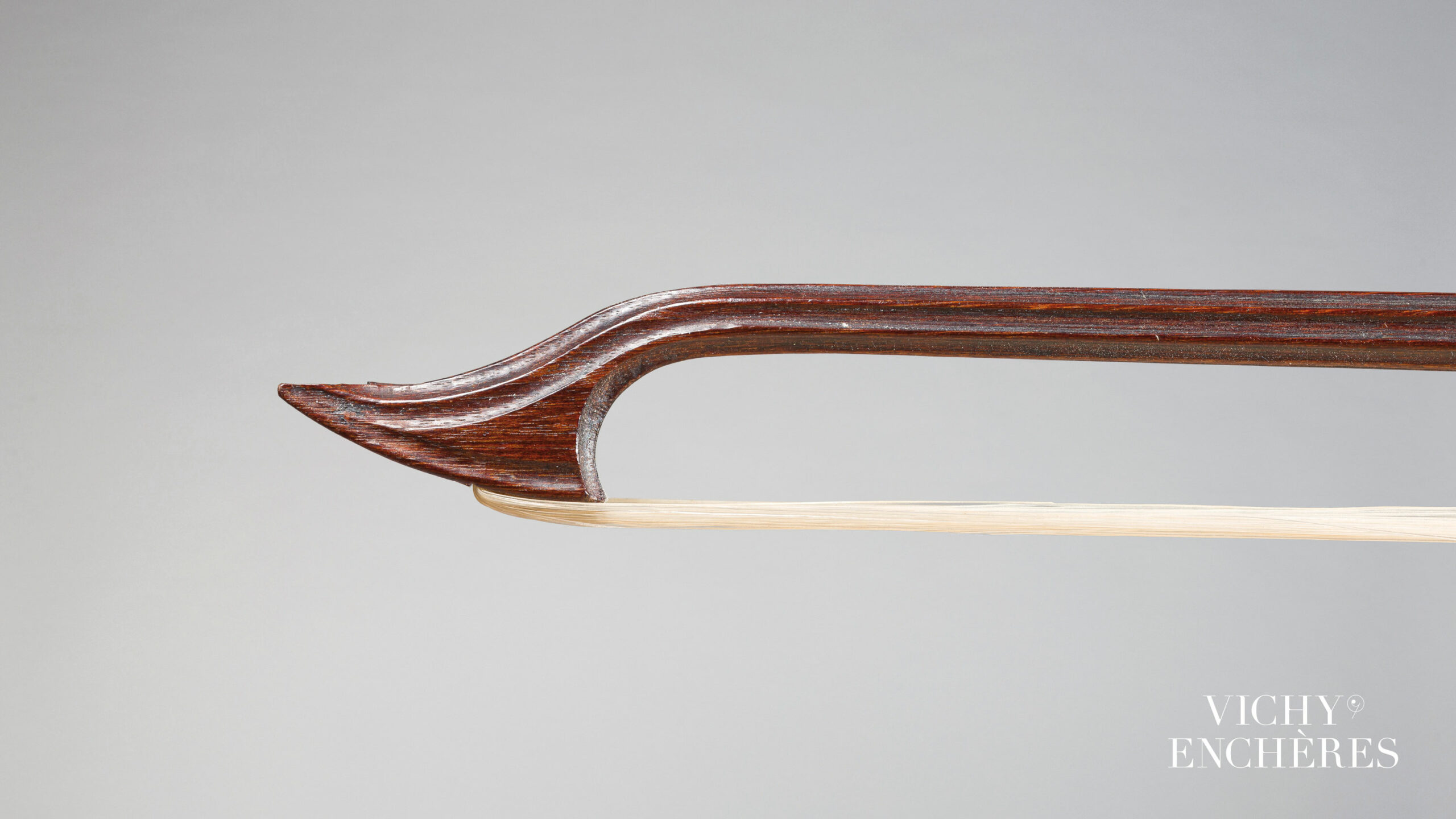
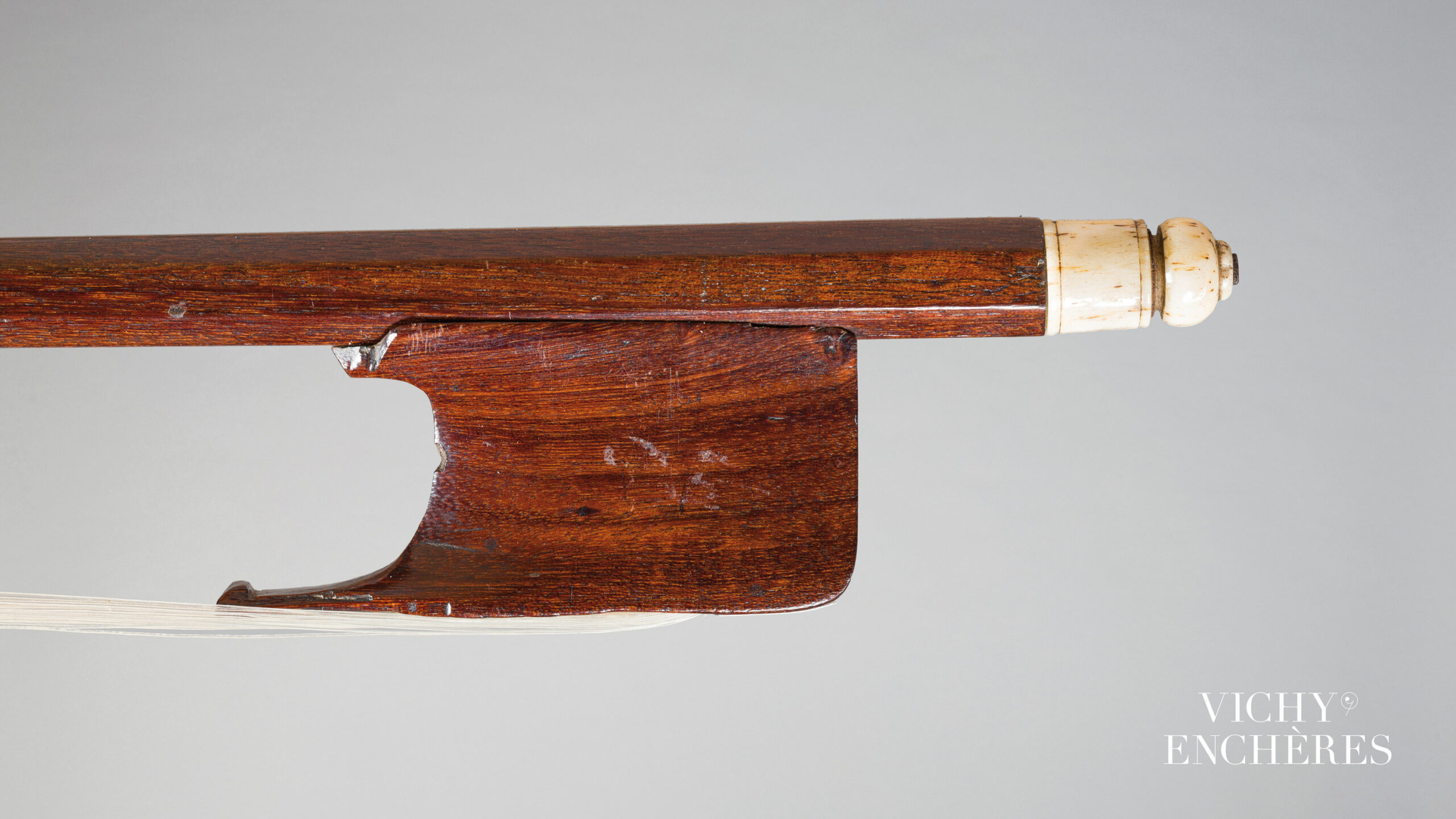
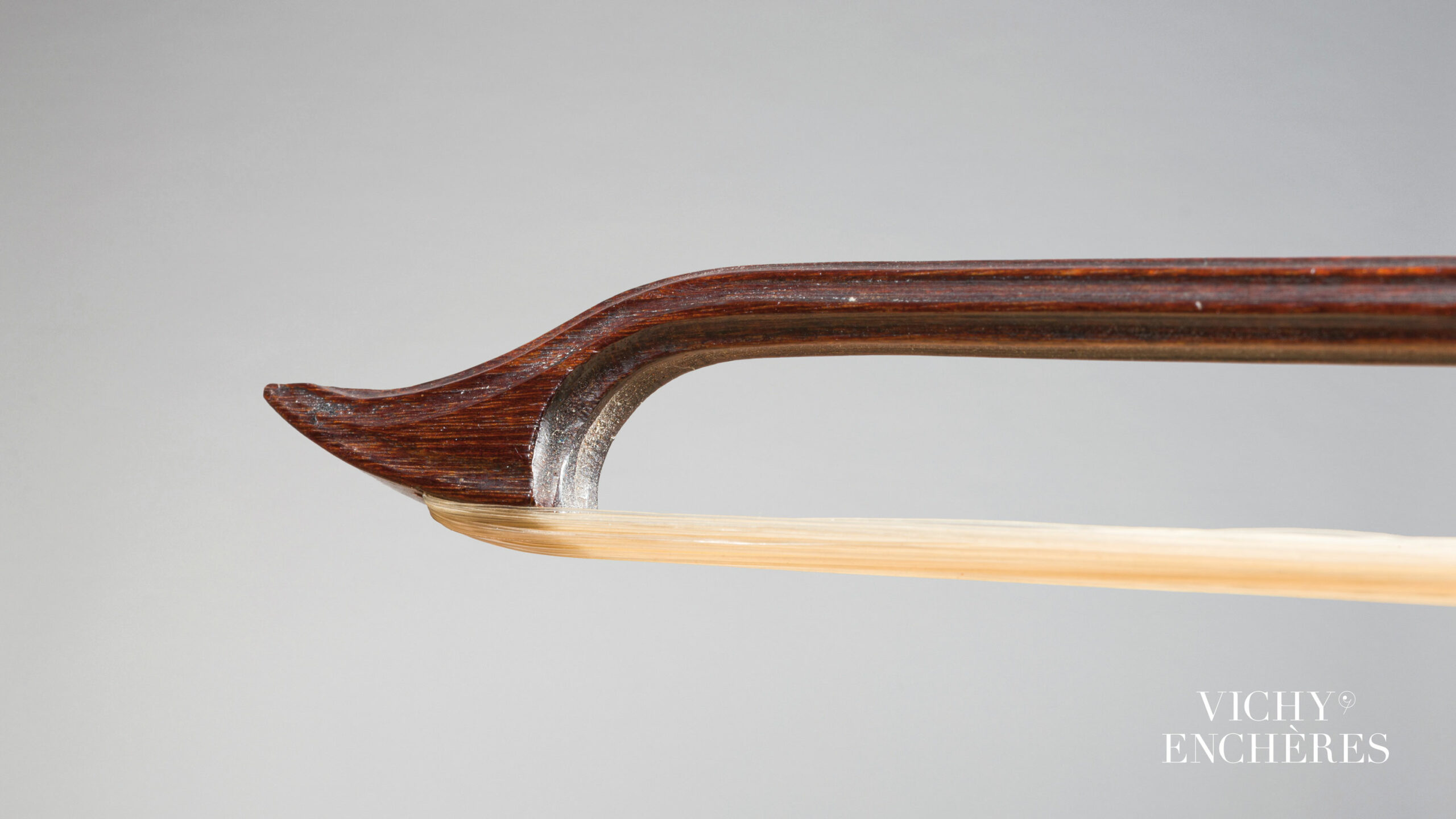
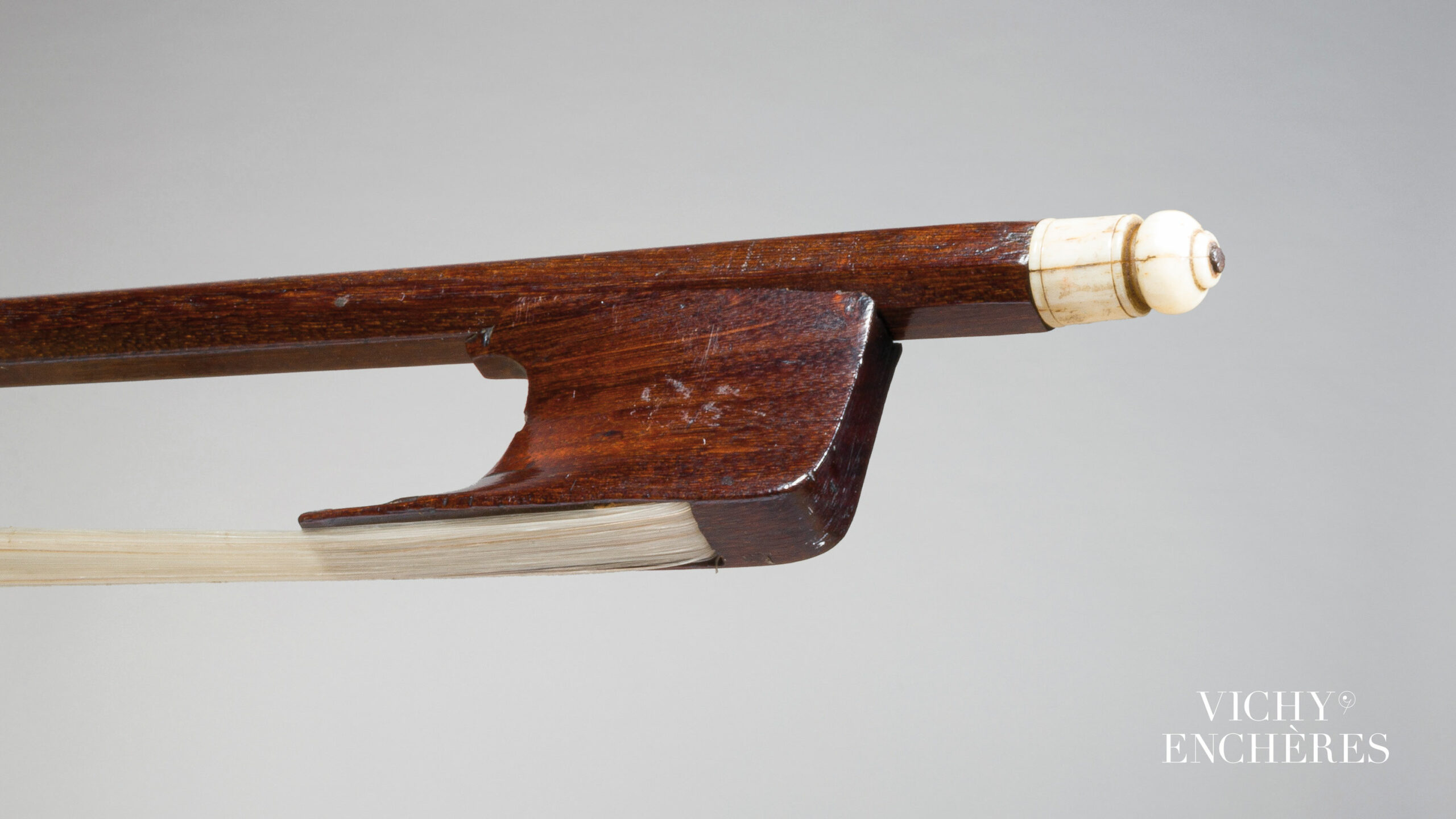
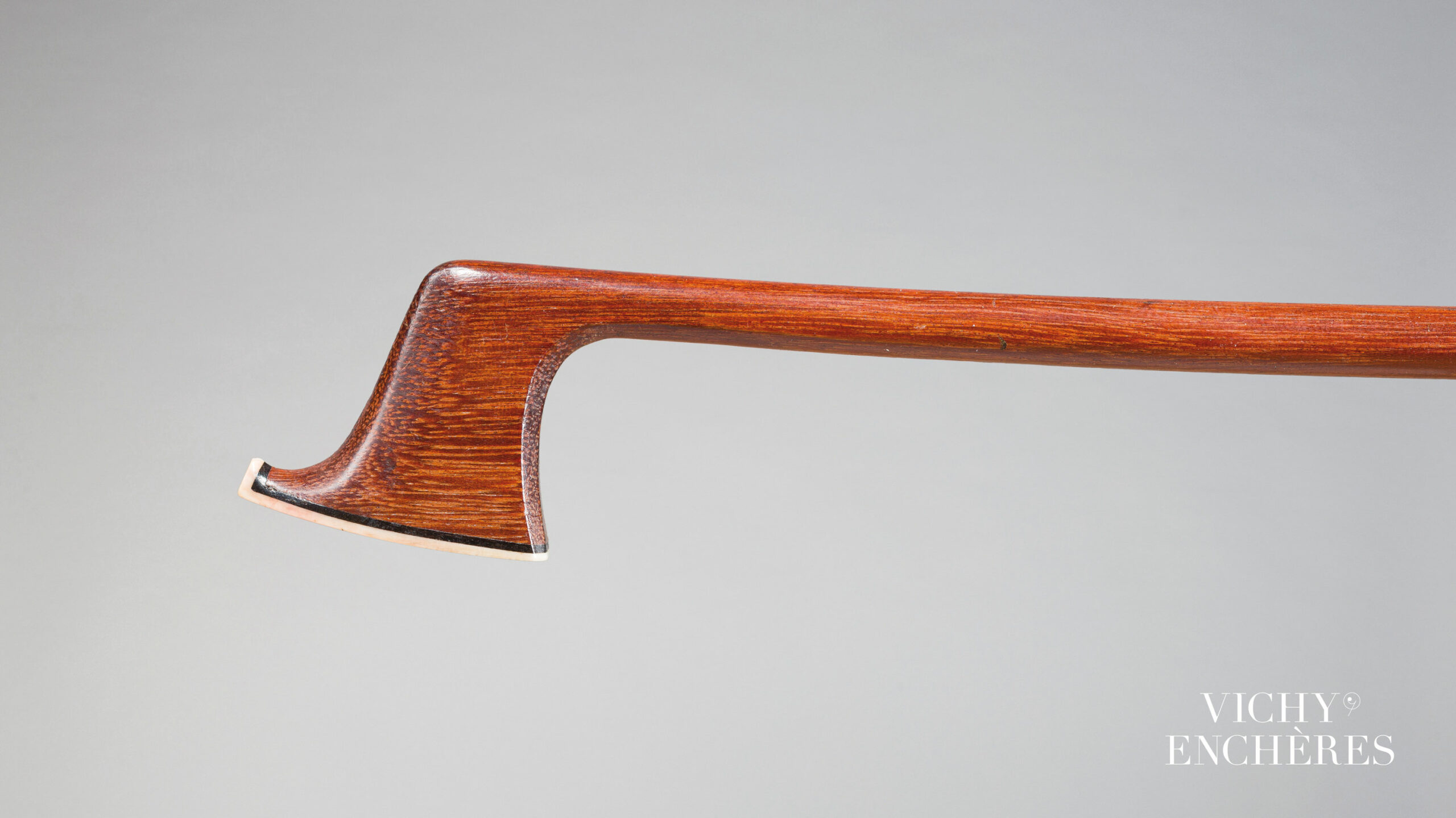
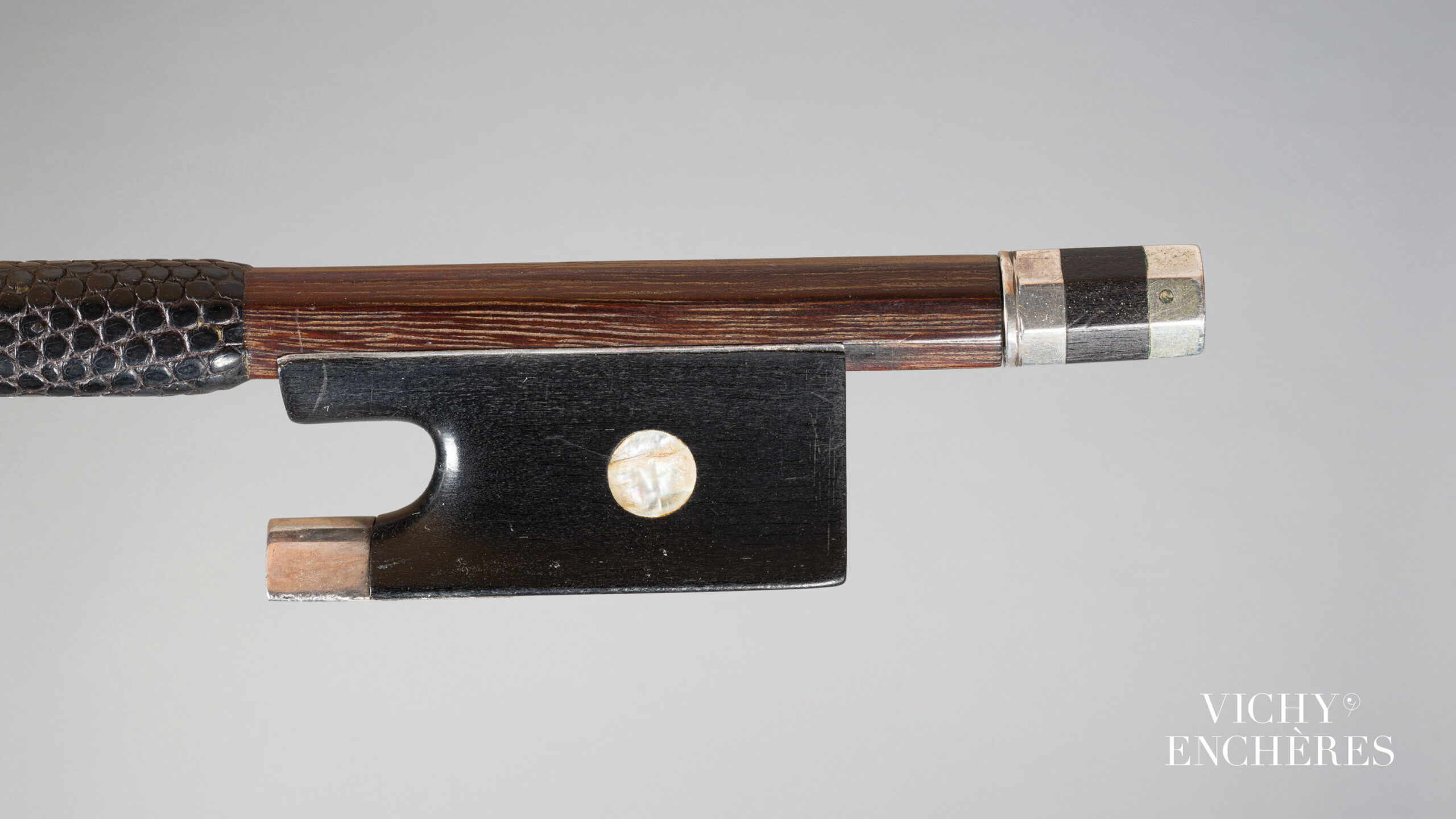
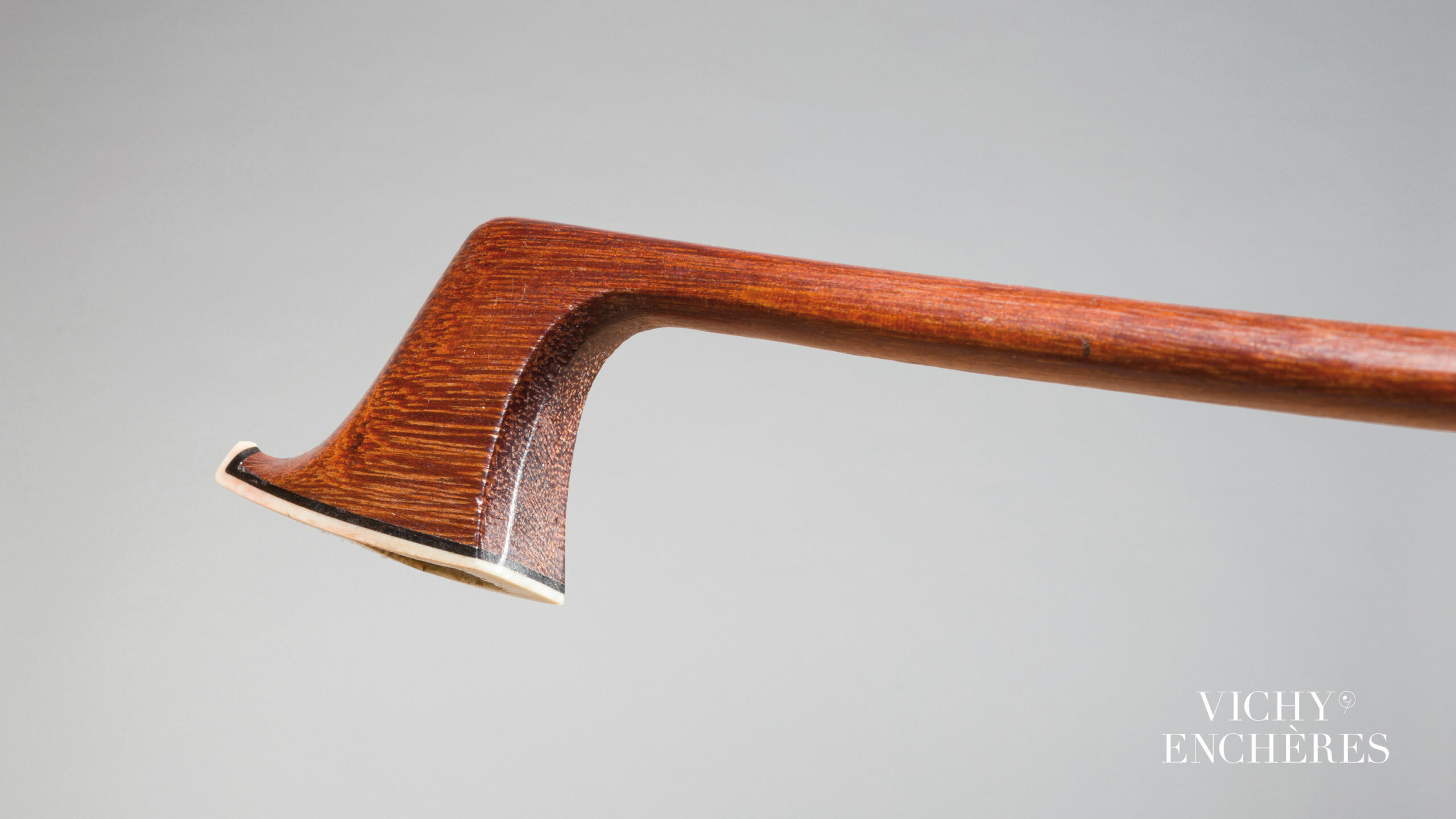
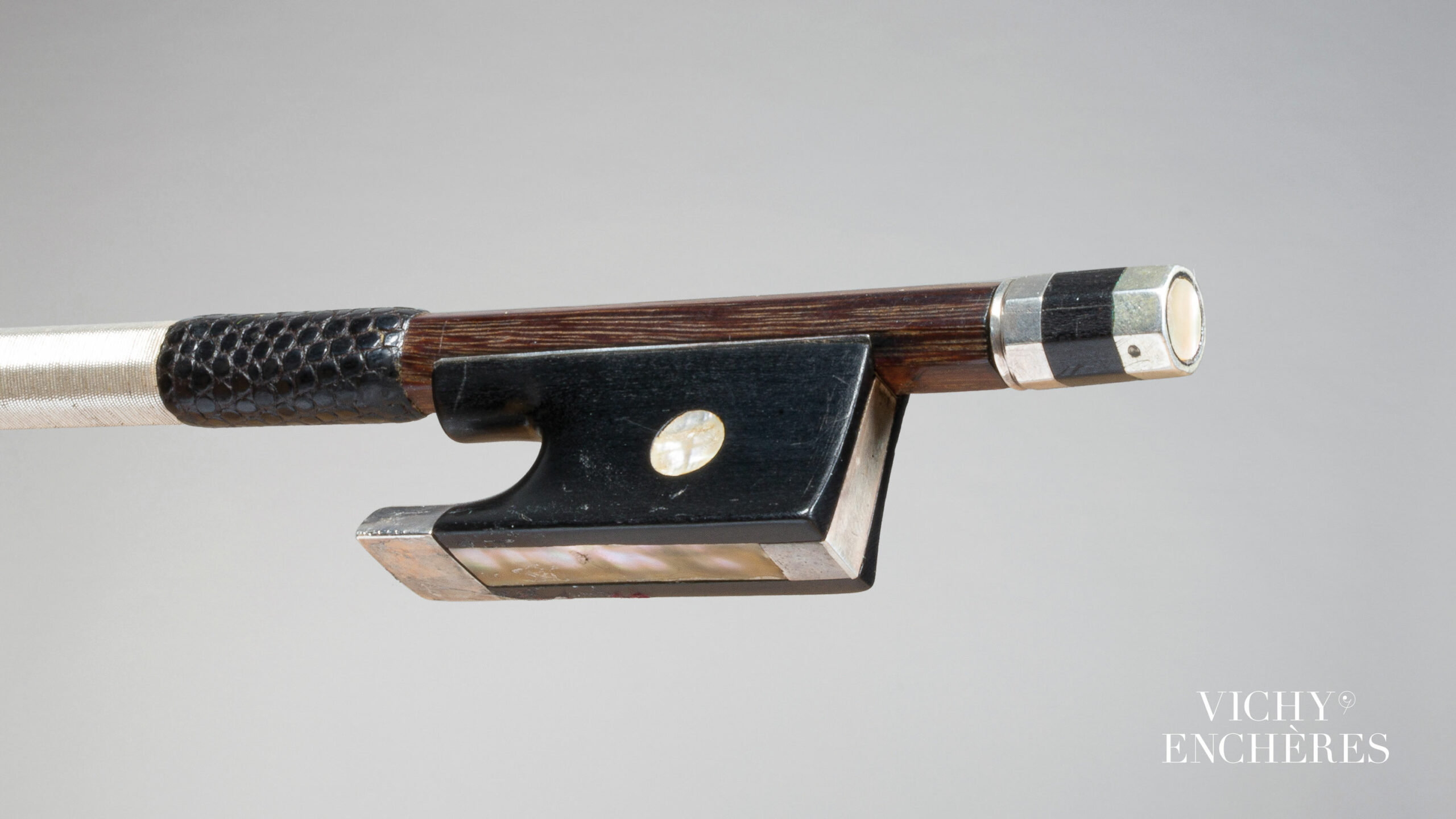
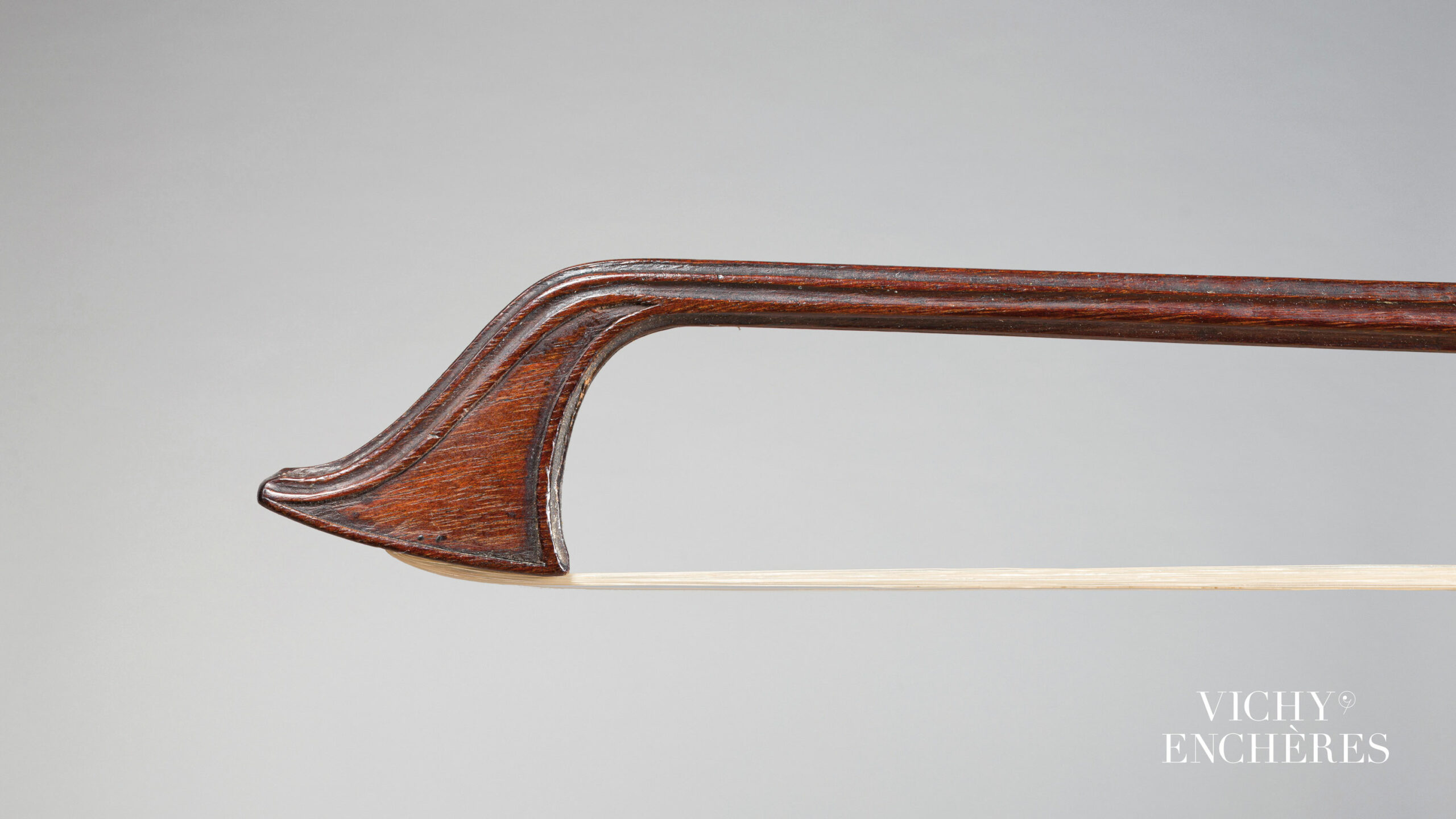
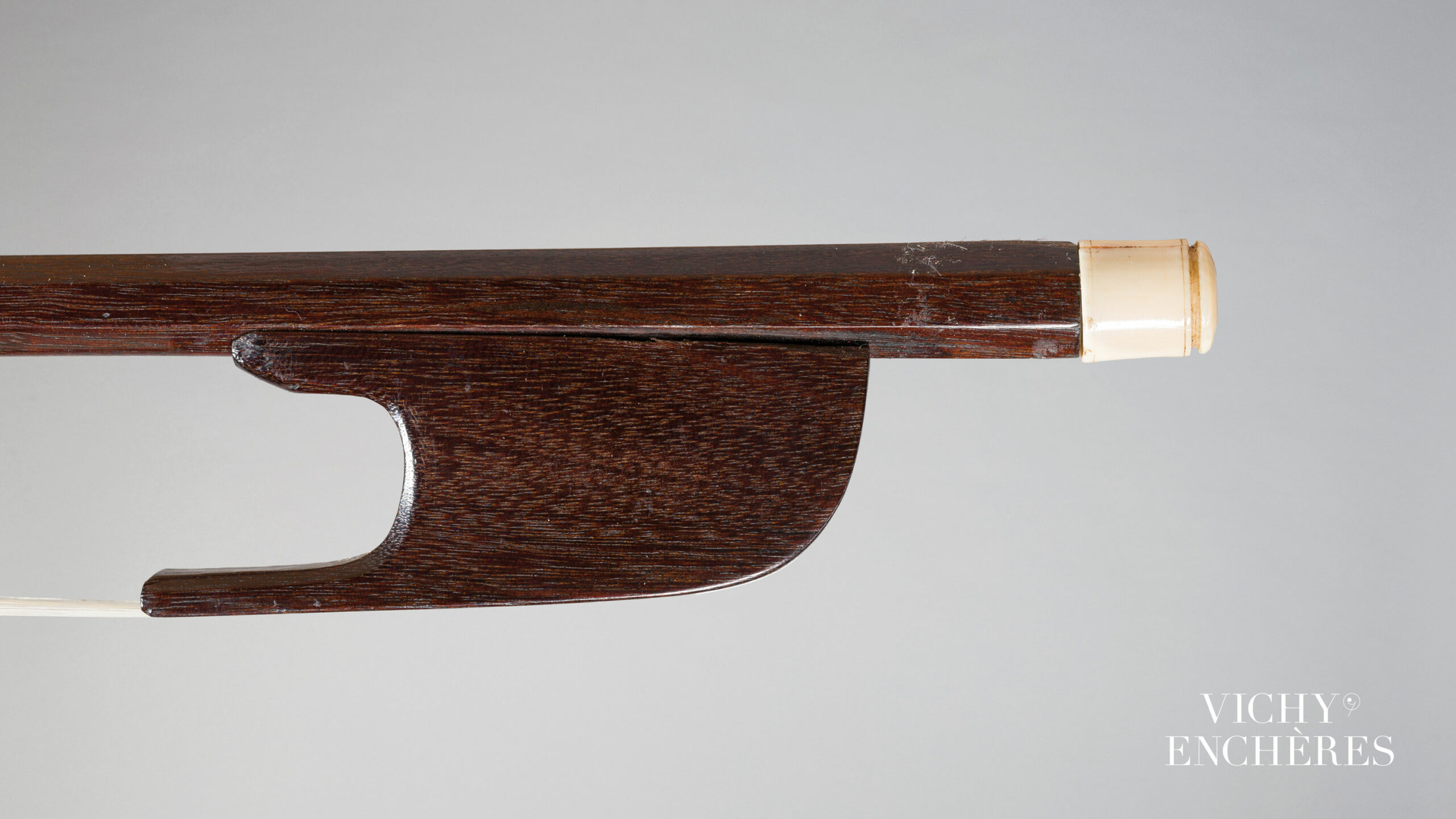
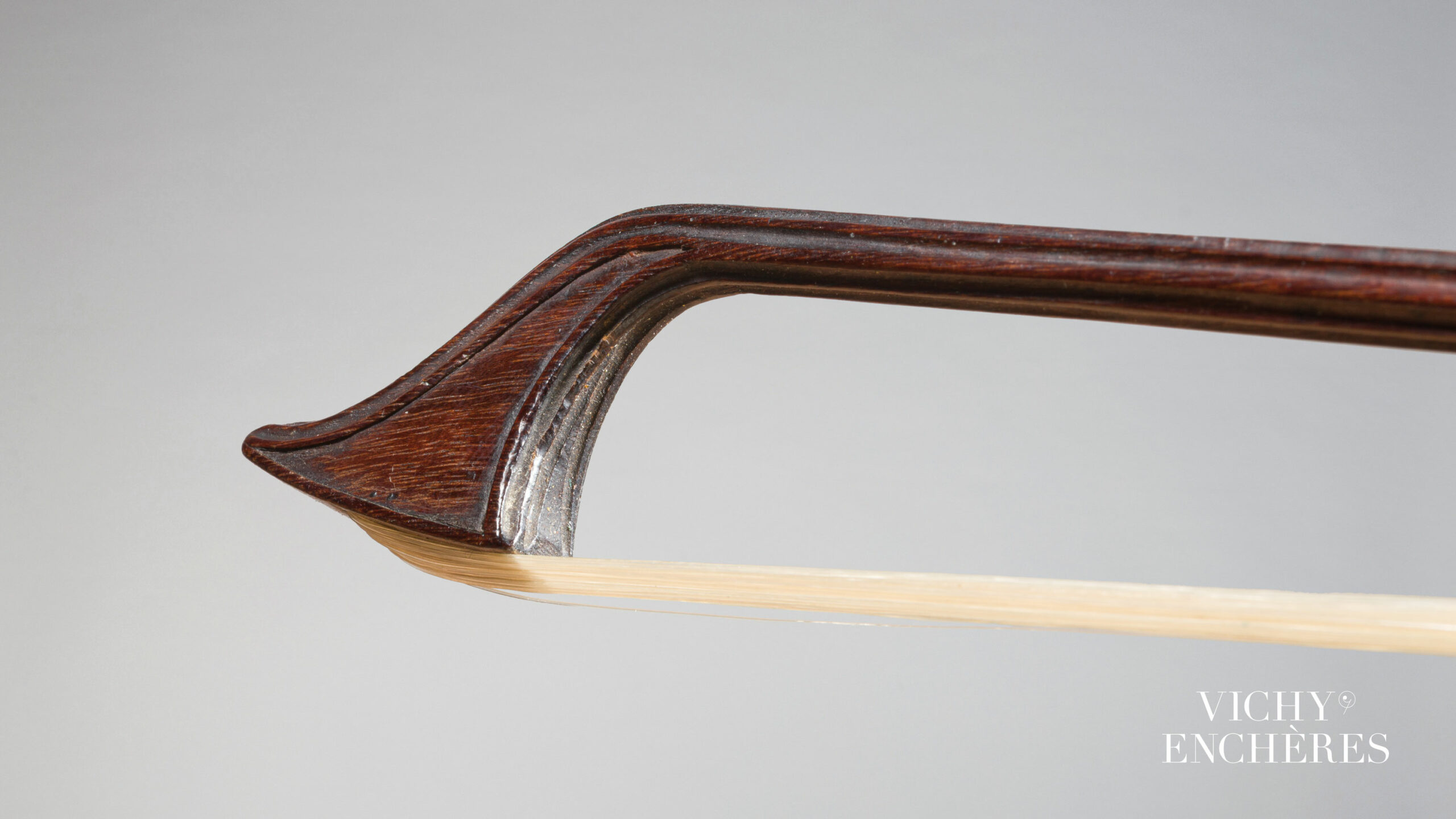
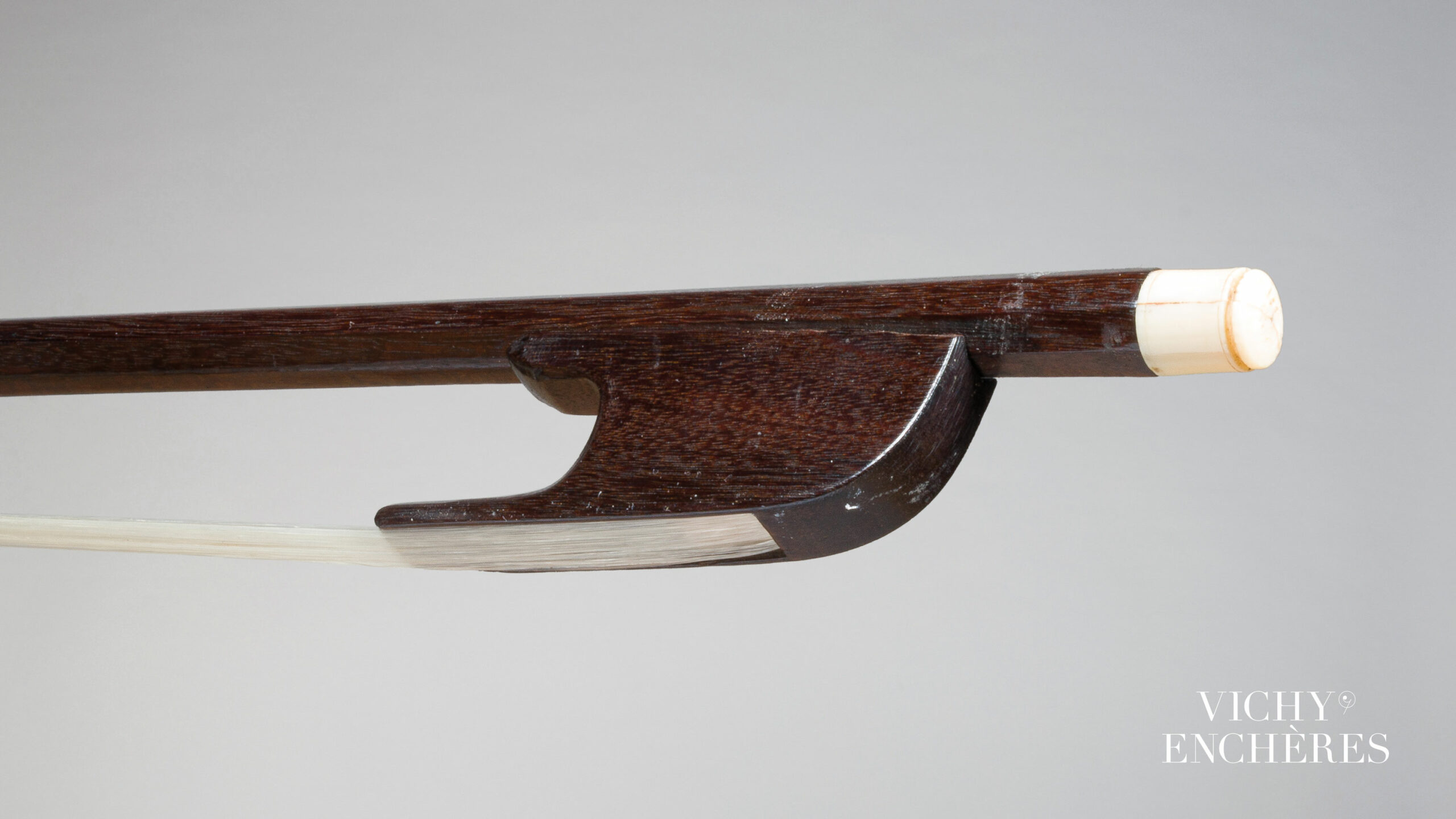
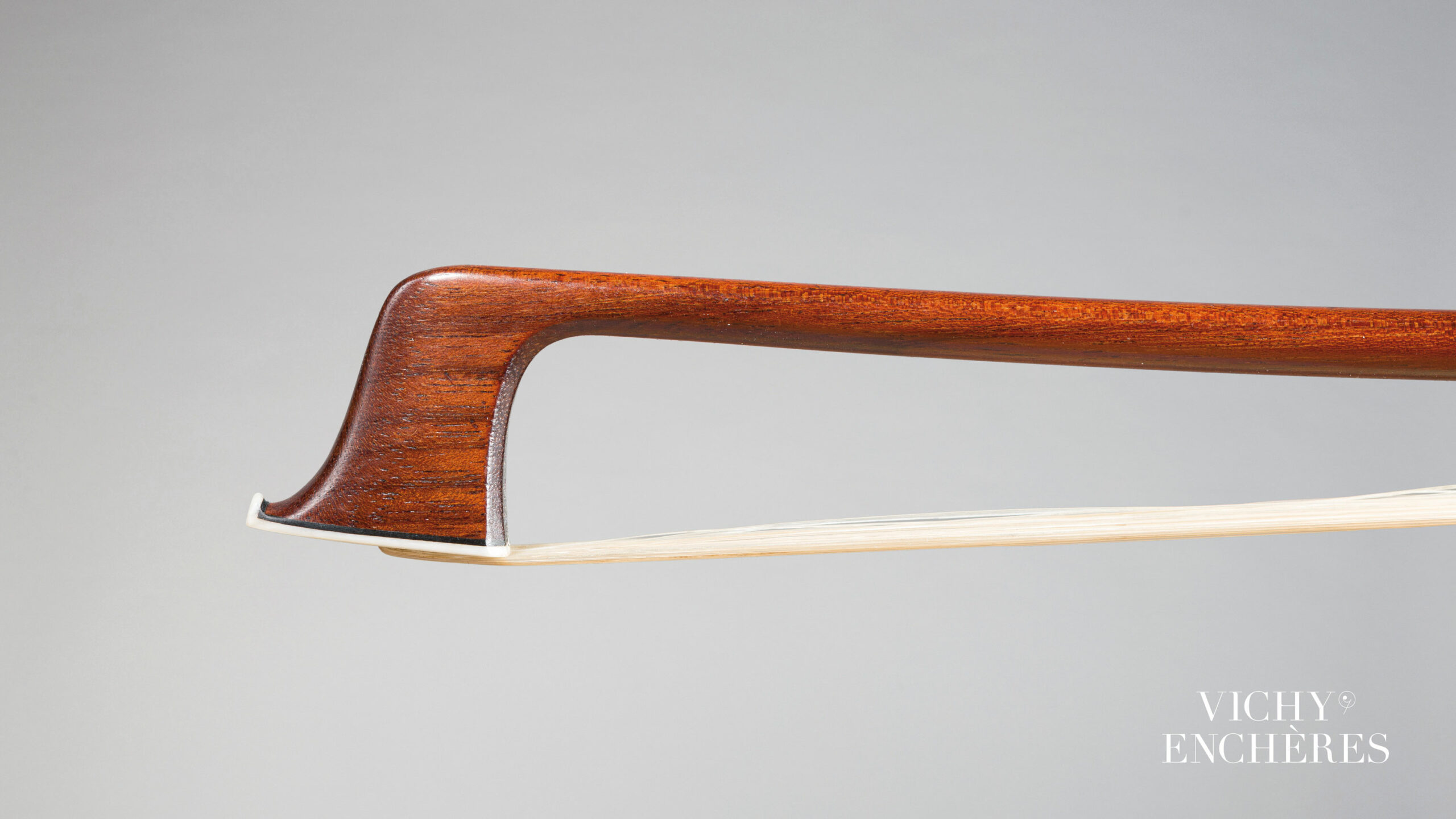
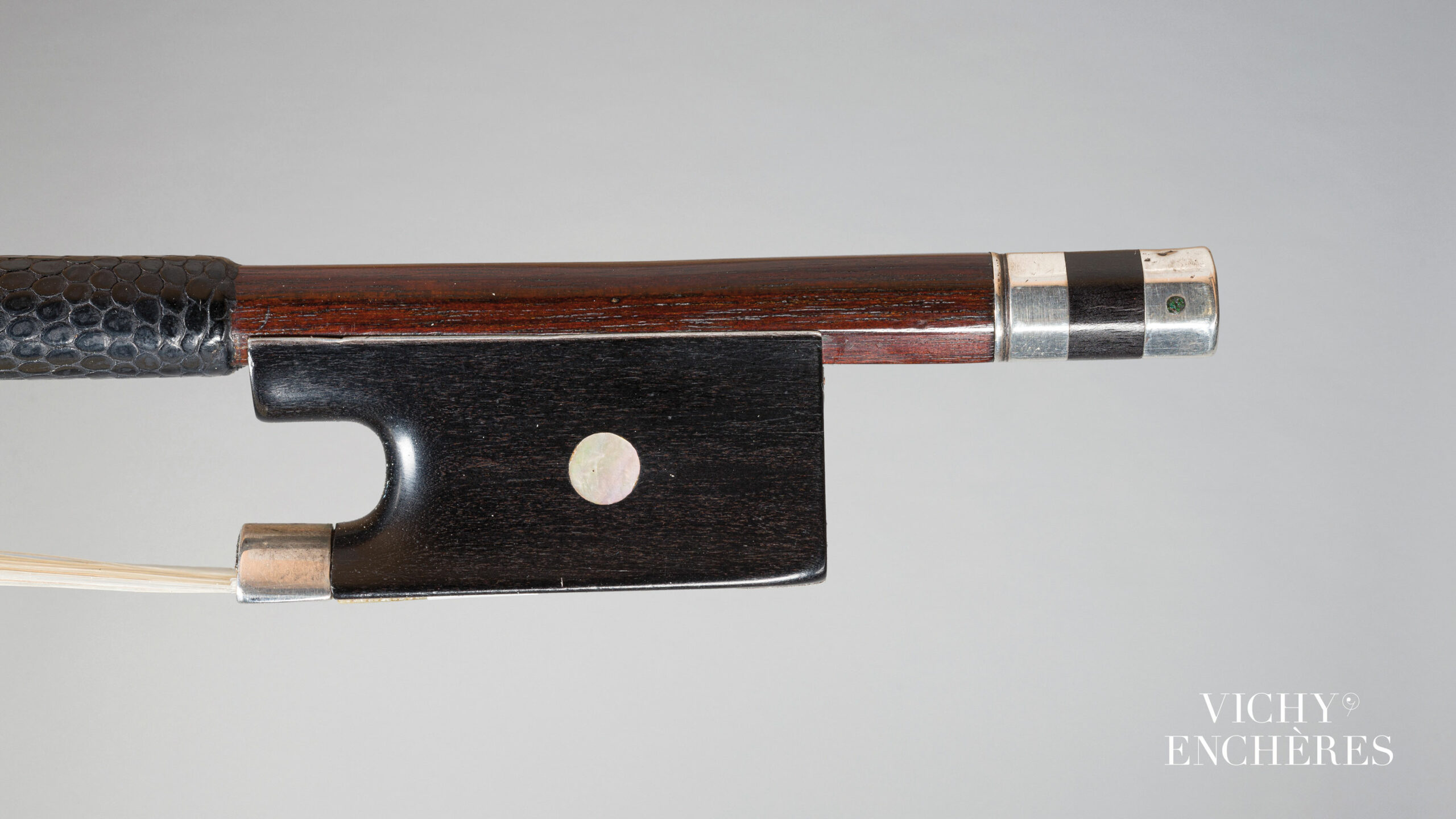
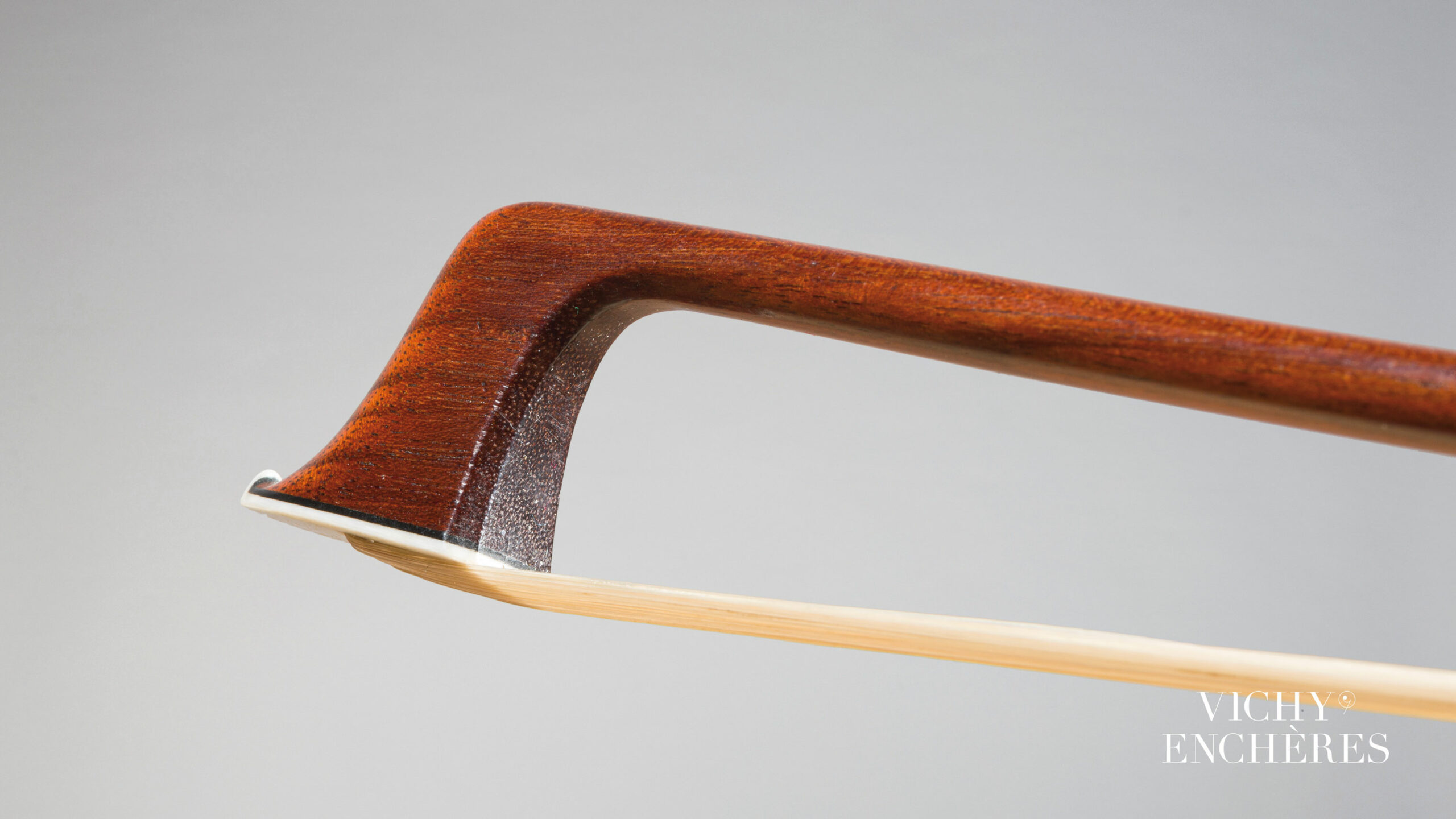
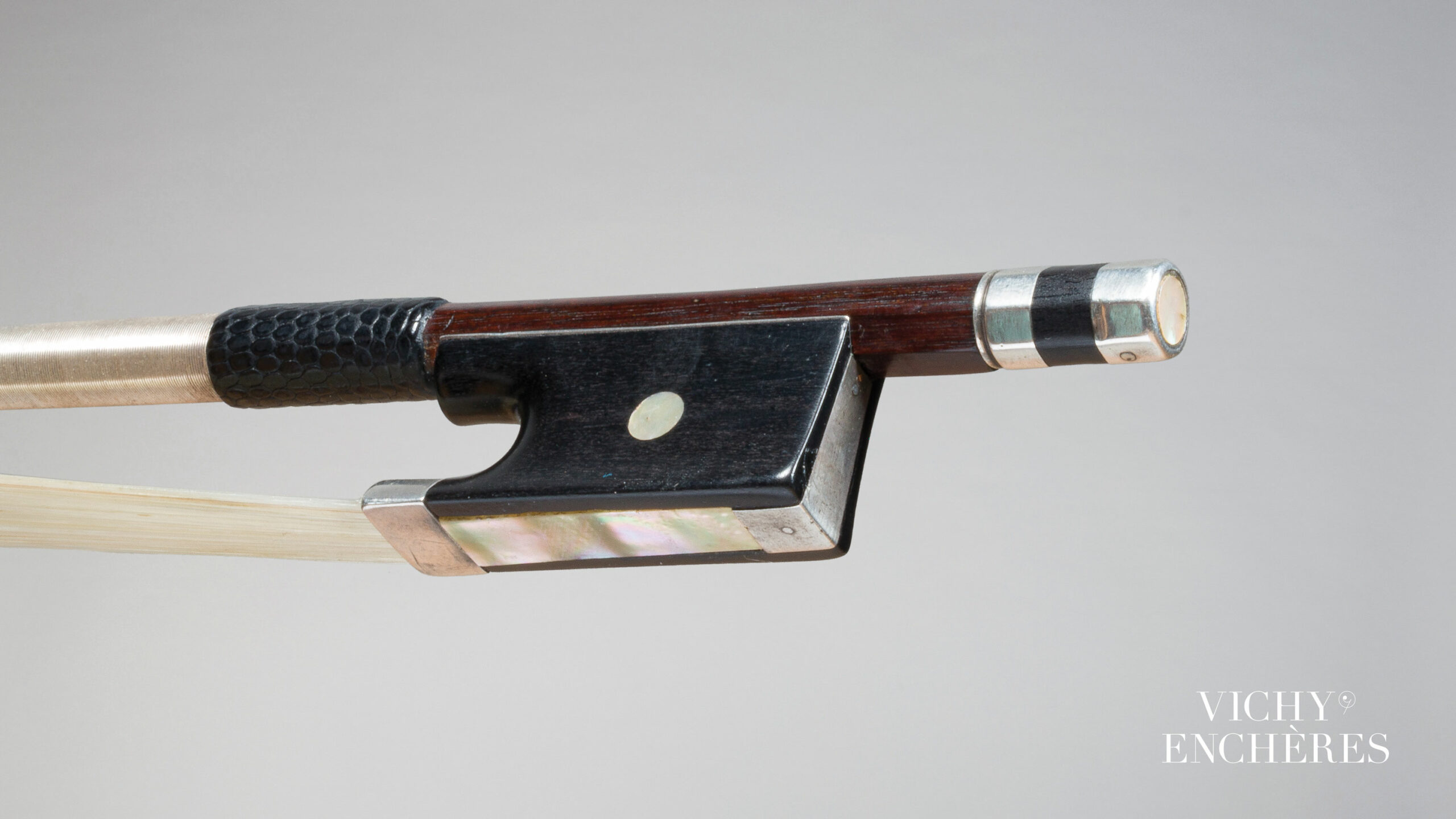
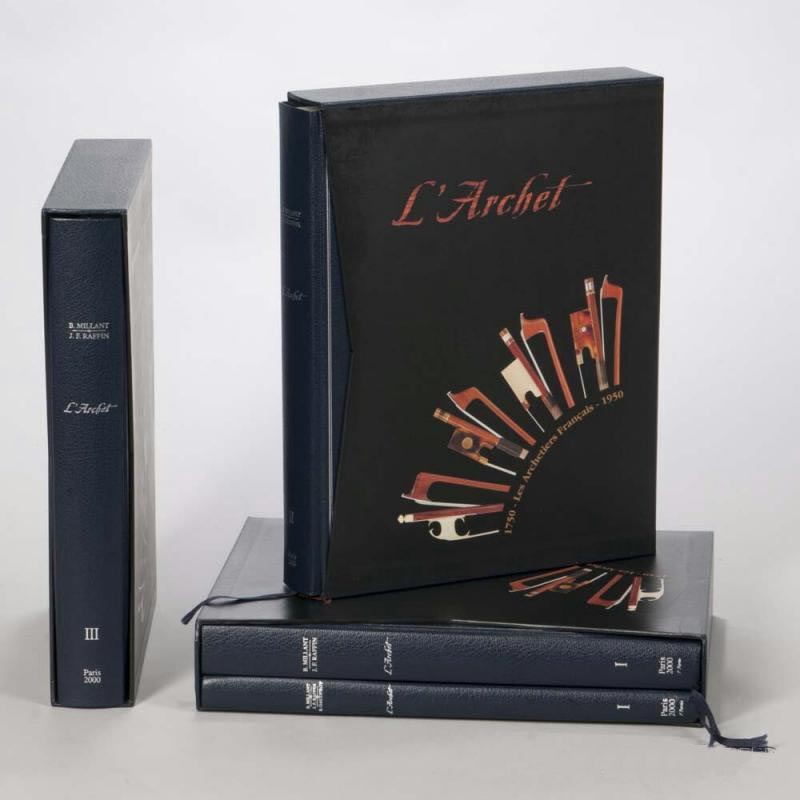
Plusieurs archets de la collection figurent dans les volumes de L’Archet, ouvrage de référence auquel Jean-François Raffin a directement contribué.
Leur présence dans cette publication atteste de leur intérêt pour l’étude et de leur représentativité au sein des différentes écoles. Plusieurs instruments sont également reproduits dans d’autres ouvrages spécialisés, notamment Les archetiers de la famille Bazin (1824-1987) de Jean-François Raffin, Yannick Le Canu et Sylvain Bigot, ou encore L’Archet révolutionnaire (1700-1800), consacré aux débuts de l’archet moderne.
Leur présence dans ces ouvrages souligne leur intérêt historique et documentaire. Elle témoigne du fait que ces archets ont été retenus pour leurs qualités propres, mais aussi pour leur valeur de comparaison. Dans cette perspective, ces archets doivent être perçus, non seulement comme des instruments, mais également comme des pièces de référence choisies et documentées.
Cette sélection forme ainsi un ensemble particulièrement cohérent, qui ne répond pas à une logique d’accumulation, mais à une volonté d’étude. Elle permet de saisir les caractéristiques des grands modèles français, d’en comprendre les variations et les filiations, et est, à ce titre, un outil de travail autant qu’un ensemble historique. Cette collection éclaire très directement la pratique de l’expertise telle que Jean-François Raffin l’a exercée et transmise. Sa mise en vente en propose aujourd’hui un témoignage rare, offrant une occasion peu commune d’acquérir des modèles de référence réunis par l’expert.
Vichy Enchères is delighted to present a selection of bows from the collection of Jean-François Raffin, who served as an expert for the auction house from 1995 to 2023. Jean-François Raffin trained in Mirecourt and then in Paris, most notably under Bernard Millant, with whom he studied for nearly 20 years, before being recognised, in turn, as one of the leading experts in bow appraisal. He started his career as a violin maker before turning his attention to bow making and then to expert appraisal. He was appointed as expert to the Paris Court of Appeal in 1996, contributed to the reference publication L’Archet, and issued, either alone or in collaboration with others, tens of thousands of authenticity certificates.
It was in Mirecourt, in the workshop of Apparut and Hilaire, that Jean-François Raffin first trained in violin making under the tutelage of Jean Eulry. After a spell in Paris with Etienne Vatelot, he joined the workshop of Bernard Millant in 1972. He discovered bow making there and trained in this craft for nearly 17 years. Within the workshop, the study, comparison and memorization of bows were central to the work. These practices and methods would remain the foundation of his entire career.
Indeed, later on, he continued to carry out his activity as expert from his own workshop, and then within the practice he set up with Sylvain Bigot and Yannick Le Canu. At the same time, Jean-François Raffin passed on his expert knowledge to many students and colleagues, both in France and abroad. Among them was Sylvain Bigot, now an expert for Vichy Enchères alongside Yannick Le Canu.
Jean-François Raffin initially trained as a violin maker, and then as a bow maker, and quickly gained recognition for the quality of his work. He was awarded a silver medal at the Meilleurs Ouvriers de France competition in 1979, which led to his bows being adopted by many musicians.
Gradually, his focus shifted towards expert appraisal. From the 1990s onward, it became his main activity, both in France and internationally. His approach, based on the study of models and understanding of the different schools, became a benchmark.
The writing of L’Archet, in collaboration with Bernard Millant, contributed to organising and spreading his knowledge. This work, published in several volumes, remains an essential reference for the study of French bow making.
The collection presented here was assembled over the years, and is a direct by-product of his work. It brings together bows retained for the quality of their design, their condition and their educational, as well as historical, value.
Jean-François Raffin used them as benchmarks in his authentication work, but also as teaching aids. These bows served as references in his work as expert and were also used to train those who worked with him.
The collection covers a broad period of French bow making, from the 18th to the 20th century, and includes bows from the most important makers. In particular, it features bows from the Tourte family, including a bow stick by François-Xavier Tourte, circa 1825, and an 18th-century bow by Nicolas Pierre Tourte, bearing witness to the origins of the modern bow.
The 19th century is represented by major figures such as Peccatte, Pajeot, Maline and Bazin, with several bows made by them – in good or very good condition, and typical of their making style – included in the collection. Finally, the 20th century is also represented by key masters such as Sartory, Ouchard, Morizot and Thomassin – whose work perpetuated the traditions of the great French school of bow making.
Several bows from the collection are featured in the volumes of L’Archet, a reference work to which Jean-François Raffin contributed directly.
Their inclusion in this publication attests to their educational value and the fact that they constitute representative examples of the various schools of bow making. Several of these bows also feature in other specialized publications, in particular Les archetiers de la famille Bazin (1824 – 1987) by Jean-François Raffin, Yannick Le Canu and Sylvain Bigot, and L’Archet révolutionnaire (1700 – 1800), which focuses on the beginnings of the modern bow.
Their inclusion in these works underscores their historical and educational value. It demonstrates that these bows were selected not only for their inherent qualities, but also for their value as benchmarks. In this context, these bows should be seen not only as musical instruments but also as carefully selected and documented reference examples.
This selection of bows therefore constitutes a particularly coherent group, not assembled for the sake of accumulation, but for its educational value. It allows us to understand the typical features of the major French models, as well as their variations and lineage. As such, this selection is a working tool as much as a historical collection. It sheds light on the practice of expert appraisal as it was carried out and passed down by Jean-François Raffin. Its sale offers today a rare glimpse into this practice, providing a unique opportunity to acquire reference examples assembled by the expert himself.